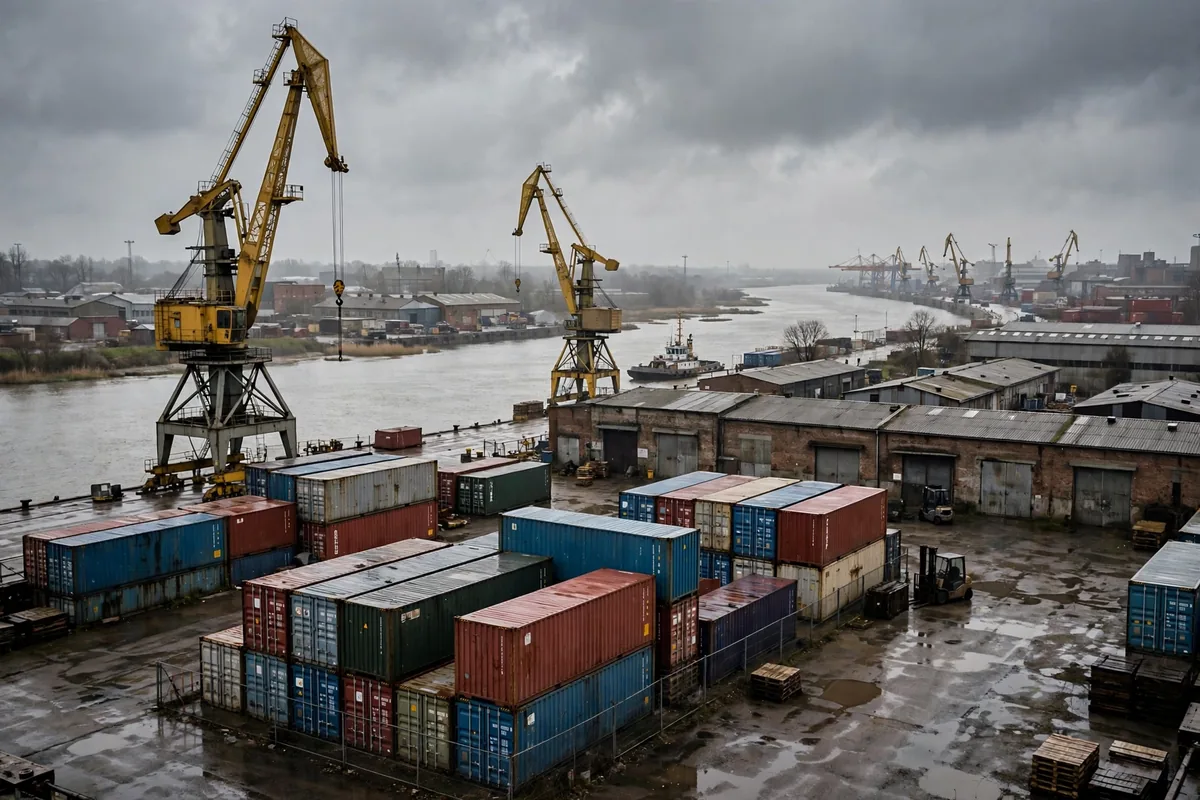
My judgment up front: Szczecin Poland Port Warehouse Logistics is a bet on coverage radius, not on cheap rent, and most people price it backwards. Szczecin is not Poland's biggest port city. Gdańsk takes those headlines. What Szczecin holds is a position nobody can take from it: it sits on the lower Oder, by the lagoon near the Baltic mouth, facing northeastern Germany, with the Berlin direction in its natural hinterland. I have watched too many operators ask the rent per square meter first and never ask which leg of the journey the warehouse is supposed to shorten. A warehouse in the wrong place is expensive at any rent. A warehouse in the right place earns its premium back quietly, month after month.
Szczecin Poland Port Warehouse Logistics and the Oder Mouth: A Port Built for Hand-Offs
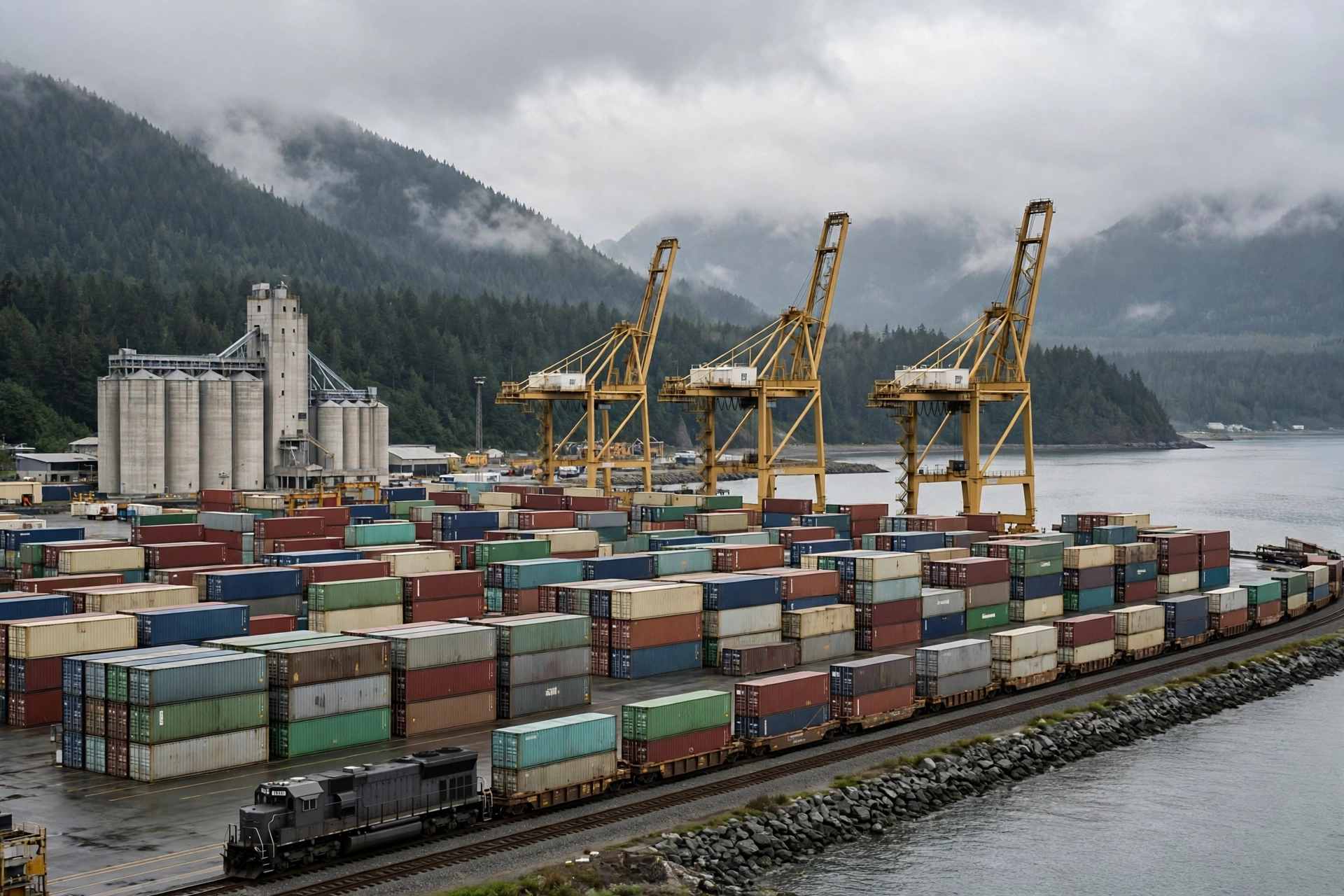
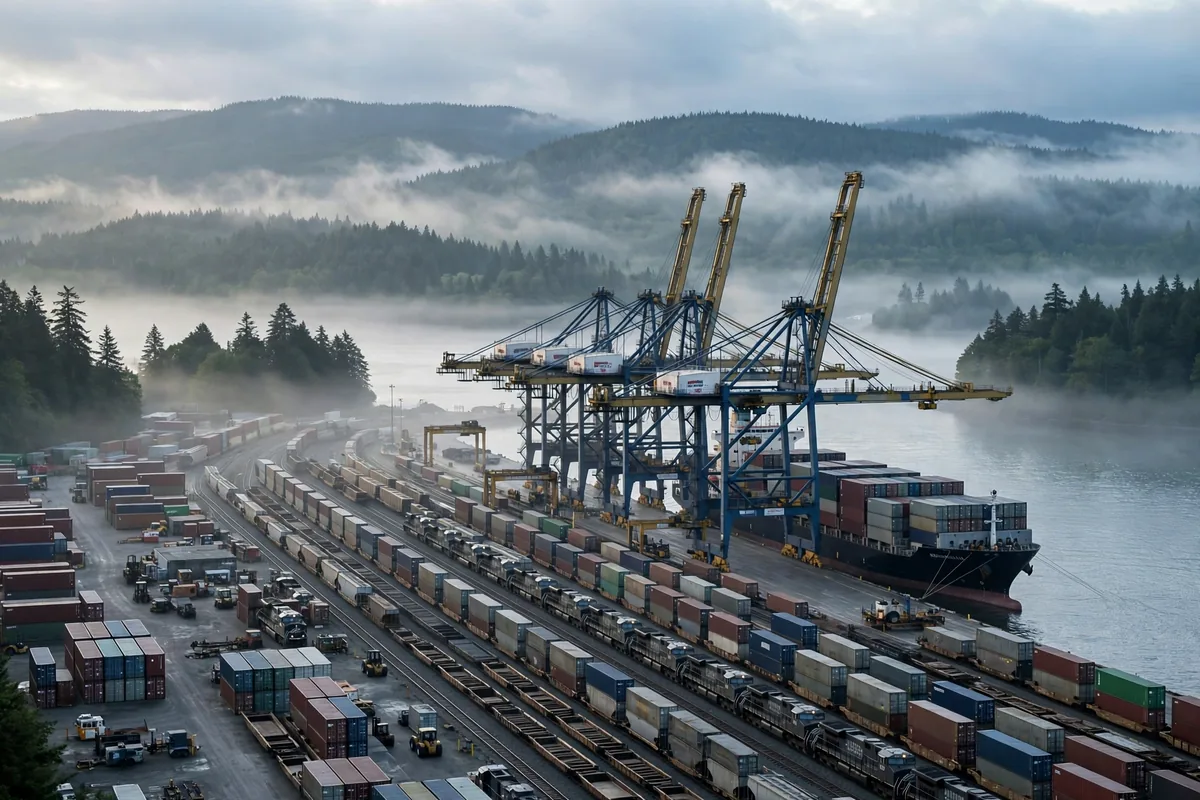
Start with the geography, because all of it is checkable on any map. Szczecin stands on the lower Oder, next to the Szczecin Lagoon, and together with Świnoujście on the Baltic coast it forms one port complex. The seagoing side handles the big-ship work toward the open sea; the Szczecin side carries the river port, the warehousing, and the distribution work, with the Oder offering an inland waterway connection to the south. That layout tells you what kind of port this is. It does not win on raw throughput rankings. It wins on hand-offs: ocean, river, road, and rail exchanging freight in one place, where bulk gets broken into distribution-sized lots and sent out toward northwestern Poland in one direction and northeastern Germany in the other.
The trade-off cuts both ways, so look at both faces. On one face, the coverage is genuinely distinctive: northwestern Poland plus the German northeast forms a cross-border hinterland, Berlin sits in that depth, and the road and rail links in that direction already exist. On the other face, the ceiling is equally real: for sailing density and mainline services, larger Baltic ports outgun it. If your freight is high-volume standardized cargo on global trunk routes, entering through a bigger port and distributing from there may cost no more than coming straight in here. So the test is simple. If your customers cluster in the northwest, in Poland and across the German border, this geography is real money. If your customers are scattered across all of Central Europe, the advantage dilutes, and you should not pay a location premium for coverage you will never use.
On connections, my working order is this. Heavy, low-urgency freight belongs on rail or the river into a port-area warehouse, where the cost structure is steadiest. Time-sensitive freight belongs on trucks out of a warehouse close to the port, with no extra handling in between. The expensive mistake is the opposite arrangement: saving a little rent by siting the warehouse where connections are worst, then paying for port-to-warehouse shuttling forever. Shuttle cost plus waiting time quietly outruns any rent difference within a year.
Szczecin Poland Port Warehouse Logistics Comes Down to One Choice: Portside or Suburban
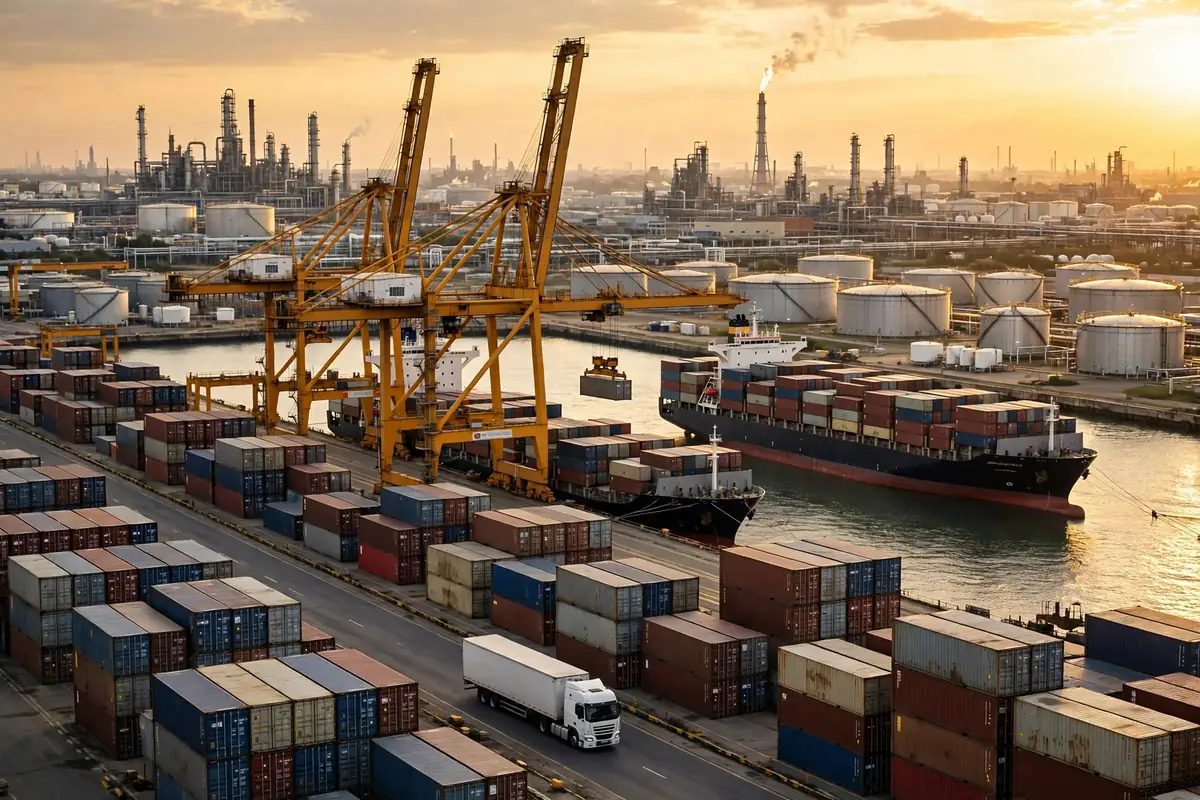
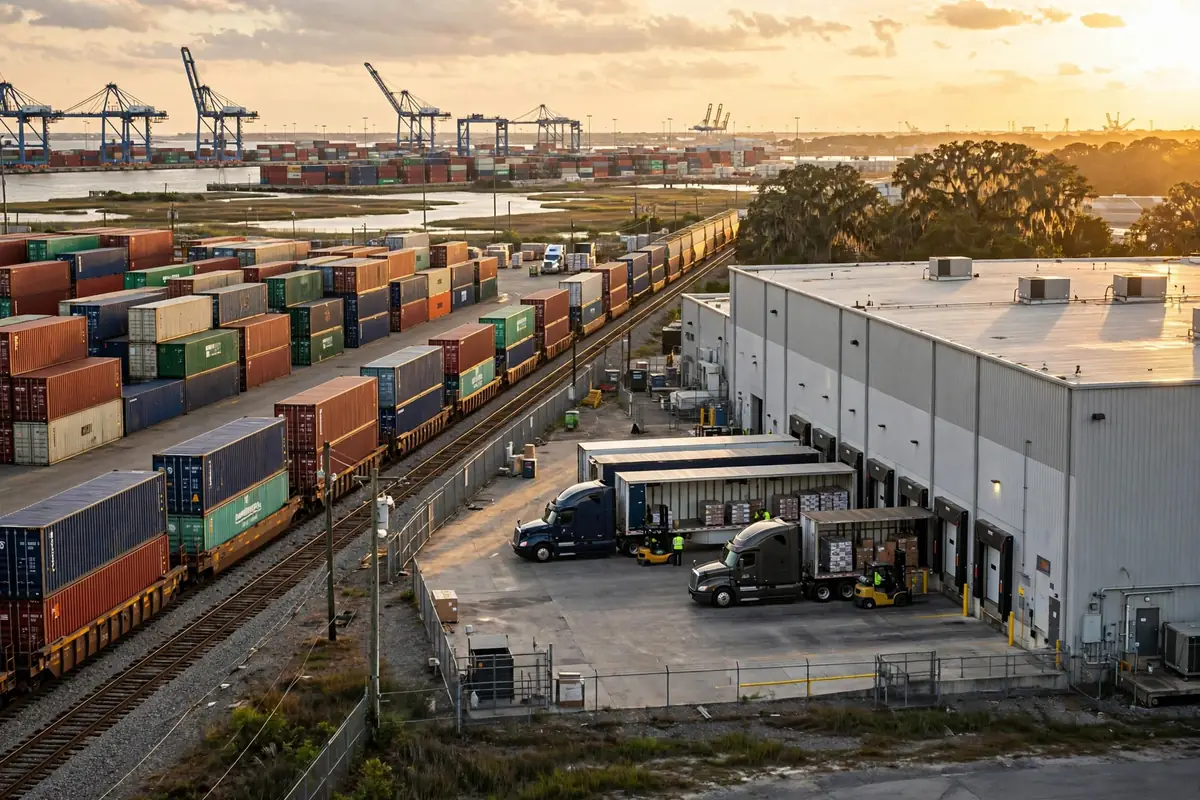
Strip the site decision down and there is only one real fork: a portside warehouse or a suburban one. Portside space costs more and is harder to expand. What it buys is distance, or rather the lack of it: containers move from quay to rack fast, and deconsolidation, labeling, and repacking can happen in the same flow as distribution, with room to react when a sailing slips. Suburban space is cheaper and easier to size. What it costs is a road leg on every single movement in and out of the port, and that leg's timing is not yours to control. In peak weeks, when the roads around the port tighten up, your delivery promises start drifting.
The table below is an illustrative example with assumed figures, drawn to show the structure rather than any operator's live pricing. Treat current market quotations as the only real rents.
| Item | Portside (illustrative) | Suburban (illustrative) |
|---|---|---|
| Rent level | Higher band, tight space | Lower band, room to grow |
| Port-to-warehouse leg | Short shuttle, controllable | A road leg, traffic-dependent |
| Work it suits | Deconsolidation, labeling, repacking, distribution | Pure storage, full-load in and out |
| When a sailing slips | Room to adjust | Trucks must be rebooked early |
| Hidden cost | Overflow space rented outside | Handling and waiting, load by load |
An illustrative scenario, with assumed figures only: picture a home-goods importer bringing in roughly ten containers a month, with about a third of the goods needing labeling and repacking in the warehouse before heading into northeastern Germany. From a suburban site, those containers travel inland, get worked on, and then travel back west, doubling back over their own route. From a portside site, the work happens where the boxes land; westbound freight leaves directly, and Polish domestic freight heads south. Count handlings and the portside site saves one full handling per container, and over a year that saving covers the rent gap with room to spare. That is what I mean when I say portside rent is visibly expensive, while suburban rent is invisibly expensive.
The reverse case is just as true. Another illustrative scenario: a building-materials importer whose freight arrives in bulk, sits, and leaves in bulk, with no processing at all. That freight gains nothing from a portside address. Suburban space, large and cheap, is the correct answer, and I have seen too many people pay a position premium for a warehouse whose goods never needed the position. Decide what you will actually do to the freight inside the building first. Choose the location second. Never the other way round.
Before You Promise Berlin-Direction Deliveries, Settle Three Things
First, customs and tax arrangements come before site selection, not after. Freight entering the European Union and then moving between Poland and Germany works inside one framework, but the cost lives in the details of your product category and your filing method, and I never quote those details from memory. Confirm them against current official rules and your own customs broker. Second, delivery expectations in the German northeast are not the same as local Polish expectations. Set your promises by the stricter market, not by the easier one, or the stricter market will teach you the difference through penalties and lost accounts. Third, backhaul. If the westbound lanes out of Szczecin can pick up return loads, German export freight or local cargo heading back, the whole warehouse's transport bill improves at once. If they cannot, put the empty running into your costing honestly instead of pretending it does not exist.
So here is my closing advice, and it is one sentence long. This warehouse suits a business whose customers sit in the northwest and whose freight needs work done at the port; if your goods merely sleep here overnight and nothing is ever done to them, you are not buying geography, you are buying loneliness at a premium. How much of your current rent is paying for a position your freight never uses? Answer that honestly, and the site decision makes itself.
By Lao Mi, Supply Chain Veteran (20 yrs)