Start with the math. An importer moving 40 containers a month from Asia into the US Southeast wants to know one thing: does a warehouse right behind the Port of Savannah beat an inland distribution center 300 kilometers away, per container, all in? My method strips out the ocean leg, which is identical either way, and compares only the four variables that actually move: port handling and drayage, rail or long-haul linehaul, rent and warehouse operations, and final delivery to customers. Add the four, pick the lower total. The option with the lowest rent quote has, in my experience, produced the highest total bill more times than I care to count.
The case for a Savannah port warehouse is obvious at first glance: containers come off the vessel and go straight into the warehouse, one long-haul leg disappears, and replenishment gets faster. In 2023 I ran the numbers for a home-goods importer that was warehousing near Atlanta. Moving a container from the port to that warehouse, plus two days in transit, stretched to a full week whenever peak season congested the corridor. Shifting stock to a warehouse behind the port cut replenishment from 7 days to 3 and cut stockouts. But the other side of the ledger showed up fast: rents and labor around the port carry a premium, peak-season hiring is hard, and when port operations slow down, your warehouse sits on the front line. Containers cannot be pulled, shelves go empty, and both upstream and downstream wait together.
Savannah Port Warehouse Costs: Four Line Items, Separately
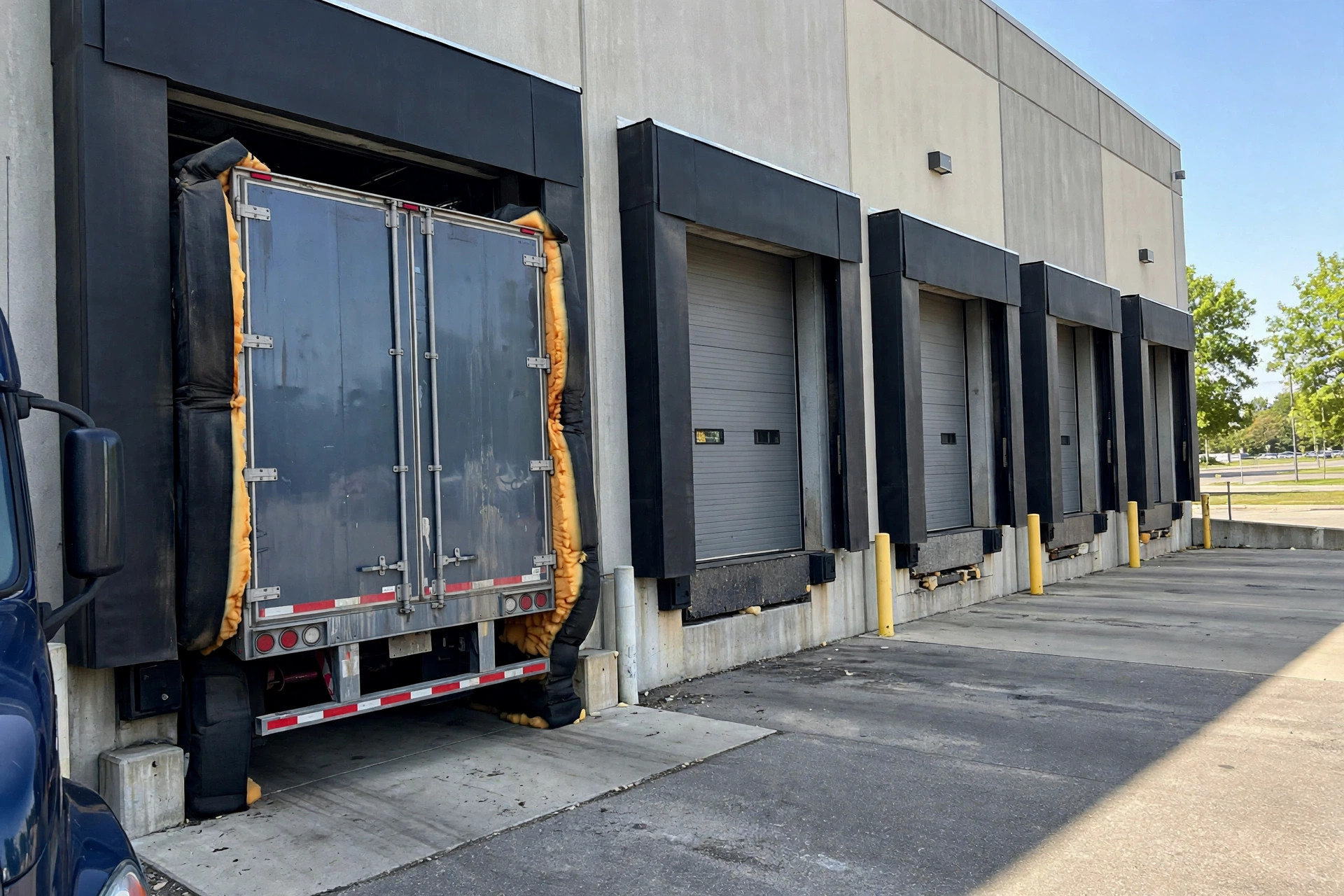
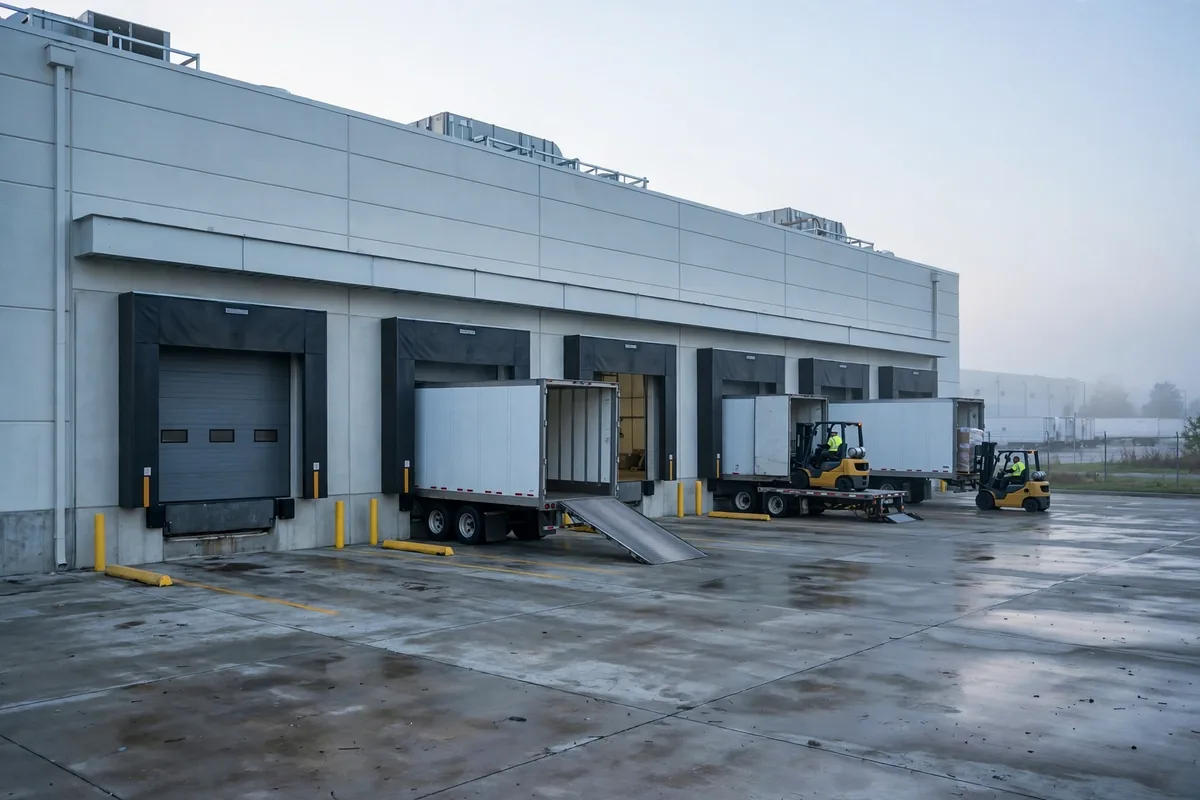
The first line is port handling and drayage. After discharge there is terminal handling, pickup appointments, and the short dray to the warehouse. Short drayage is the port warehouse's hardest advantage: short distance means easier appointments and room to expedite in peak season. But cheap drayage is not cheap pickup. Free storage windows, demurrage and detention rules change, so check the port authority's latest published terms before you model anything, and always model an overstay scenario separately rather than assuming every container pulls cleanly.
The second line is rail. A Savannah warehouse serving Atlanta, Charlotte, and Nashville should price rail seriously: full-container or trainload moves often beat pure trucking per container and are insulated from driver hours and highway congestion. But rail math cannot stop at the rate. Service frequency matters as much as price. Two departures a week versus daily service implies a completely different safety stock. Sparse schedules force you to hold more inventory, and the working capital tied up in that inventory can quietly eat every dollar the freight rate saved.
The third line is rent and operations. In a port-area lease, watch three numbers: net rent, the common-area expense ratio, and the renewal escalation cap. Many port warehouse quotes look gentle on net rent and turn sour once common charges and fees are added. Operating charges work the same way: per-container or per-pallet, and whether devanning, labeling, and repacking are billed separately. My habit is to demand an all-in quote for one standard container through the full receiving flow, then compare that all-in number against the inland warehouse's all-in number.
The fourth line is the distribution radius. The closer the warehouse is to your customers, the lower the per-order delivery cost and the more reliable the transit time. A Savannah warehouse covers Florida, Georgia, and the Carolinas well. But if your customers are concentrated in the Midwest, the outbound mileage from Savannah eats the savings made upstream. Run this on your own order address history, not on the leasing brochure's coverage map.
The Comparison Table: Port Warehouse vs Inland Distribution Center
| Cost item | Savannah port warehouse | Inland center (e.g., Atlanta area) |
|---|---|---|
| Port pickup and drayage | Short, easier appointments | Long, congested in peak season |
| Rail / linehaul | Rail access, frequency varies | Close to customers, cheap final mile |
| Rent and labor | Port premium, hard peak hiring | More choice, more negotiating room |
| Final distribution | Strong in the coastal Southeast, weak inland | Broad, balanced coverage |
| Risk exposure | Port disruption hits immediately | An extra buffer layer |
There is no standard answer in this table. The answer lives in your own volume structure. High import volume with a Southeast customer base usually makes the port warehouse win. Dispersed national volume, where an inland warehouse can consolidate multiple sources, usually favors the inland option.
Two Scenarios, Opposite Conclusions
The first is an outdoor furniture importer moving about 60 containers a month, with roughly 70 percent of orders in Florida and Georgia. Their calculation came out clearly in favor of the port warehouse, and the deciding factor was not rent: savings on drayage and final delivery exceeded the port rent premium, and the shorter replenishment cycle cut safety stock by about a fifth, a working-capital saving visible on the financial statements.
The second is a small-appliance cross-border seller moving about 15 containers a month, with orders spread across more than 30 states. Their math ran the other way. The port rent premium spread over few containers was heavy, and final delivery to the Midwest and West Coast was expensive. They kept an inland warehouse and used the port only for fast transit, not storage. Whether the money was wasted depended entirely on the volume structure, not on the location's reputation.
Three Levers Worth Pulling
The first lever is pickup rhythm. Align pickup appointments with the warehouse's receiving capacity so containers unload on arrival and goods go to stock the same day. A large share of detention cost is not caused by the port at all; it is caused by a receiving queue inside your own warehouse. That is the most wasteful money in this whole chain.
The second lever is rail consolidation. If your volume does not fill a train, consolidate with other shippers on the same lane or use an intermodal product from the rail provider; check the carrier's latest published schedules and rates before committing. A freight forwarder often negotiates this better than a single shipper, because it already holds volume on the lane.
The third lever is the lease itself. A port warehouse lease should settle three clauses up front: a renewal escalation cap, an early-exit clause, and peak-season overflow pricing. The reluctance to negotiate at signing turns into a monthly bill for years. Rent is a three-year calculation, and the slack granted on signing day charges interest every month.
The Counterintuitive Point: Closer to the Port Means More Concentrated Risk
Many people assume proximity to the port equals safety. In practice it is the opposite: a port warehouse puts all eggs in one basket. When port operations slow, whether from weather, labor, or equipment issues, your warehouse is the first to run dry, while an inland warehouse usually still holds in-transit and on-hand stock to ride out several days. The sound approach is not either-or but a main warehouse plus a buffer: the primary stock in one location, a smaller safety stock elsewhere. The buffer costs money, but anyone who has lost a sale to a stockout can price its value.
A Calculable Conclusion
Here is the conclusion in computable form. Take your last three months of real data and calculate four numbers: drayage and linehaul cost per container, rent and operations cost per container, average final delivery cost per order, and safety-stock carrying cost. Run both options through the same four numbers and pick the lower total. If the two totals land within 5 percent of each other, choose the option with more diversified risk and a more flexible lease. Port, rail, and freight rates move quickly, so verify the latest terms on the port authority's and carriers' official sites before signing anything. Do not decide on last quarter's quote.
By Lao Zhou, Logistics Cost Analyst