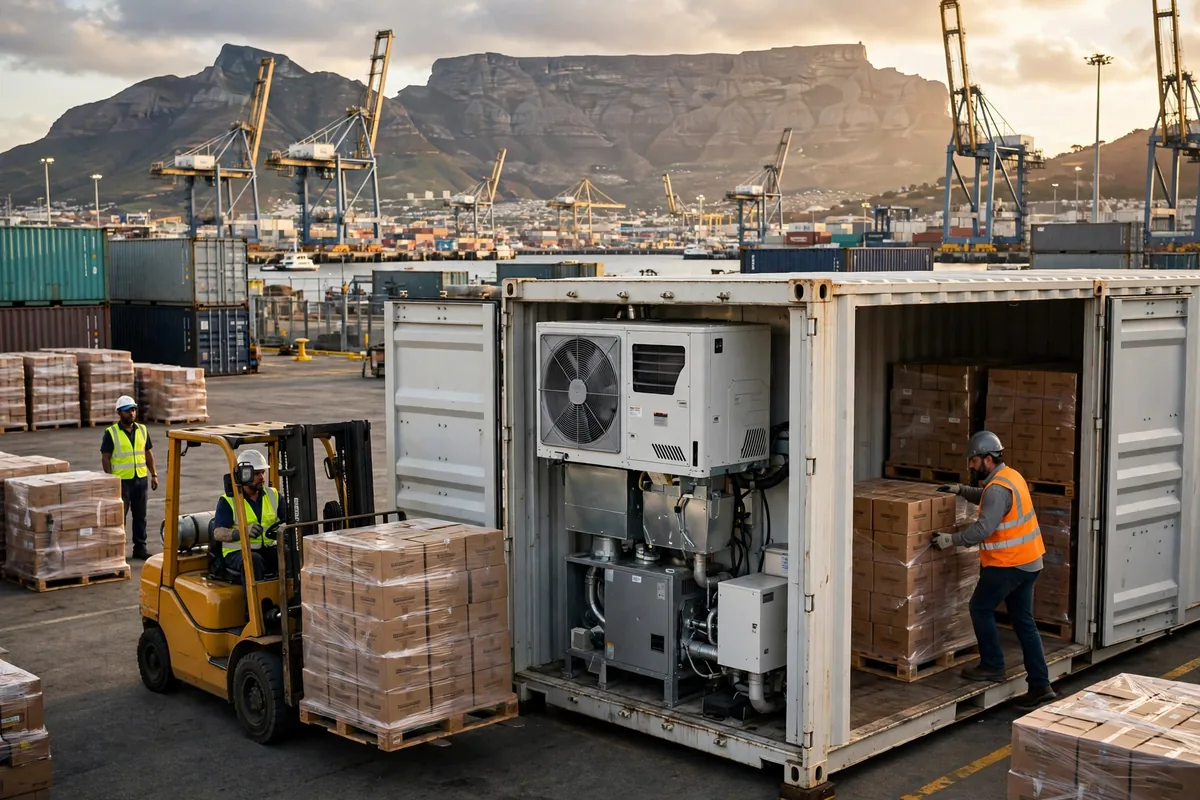
Let me start with a complaint: with wine, the scariest thing for a seller is not that it won't sell. It is that the goods spend a month at sea, you open the container at the port, the wine is ruined, and nobody is responsible. The shipping line says the temperature at sea was fine. The forwarder says the handoff at the terminal was fine. The warehouse says it arrived that way. You go around in a circle, everyone has a record, nobody has liability, and you are the only one losing money.
That is the personality of the South Africa wine export cold chain. In 2024, South Africa exported 306.2 million litres of wine worth $562 million. Value was up 4% year on year, volume basically flat. Bottled wine was 123.4 million litres and $430 million; bulk wine was 182.8 million litres and $132 million. The UK is the biggest export market, taking 87.3 million litres, and South Africa is the world's eighth-largest wine exporter. The numbers look big. But for a small seller like me, big numbers mean nothing. One container from Cape Town to Shanghai takes about a 30-day voyage. If the temperature breaks once in those 30 days, the profit on the whole container is gone.
In the South Africa Wine Export Cold Chain, Heat Is the Enemy, Not Shaking
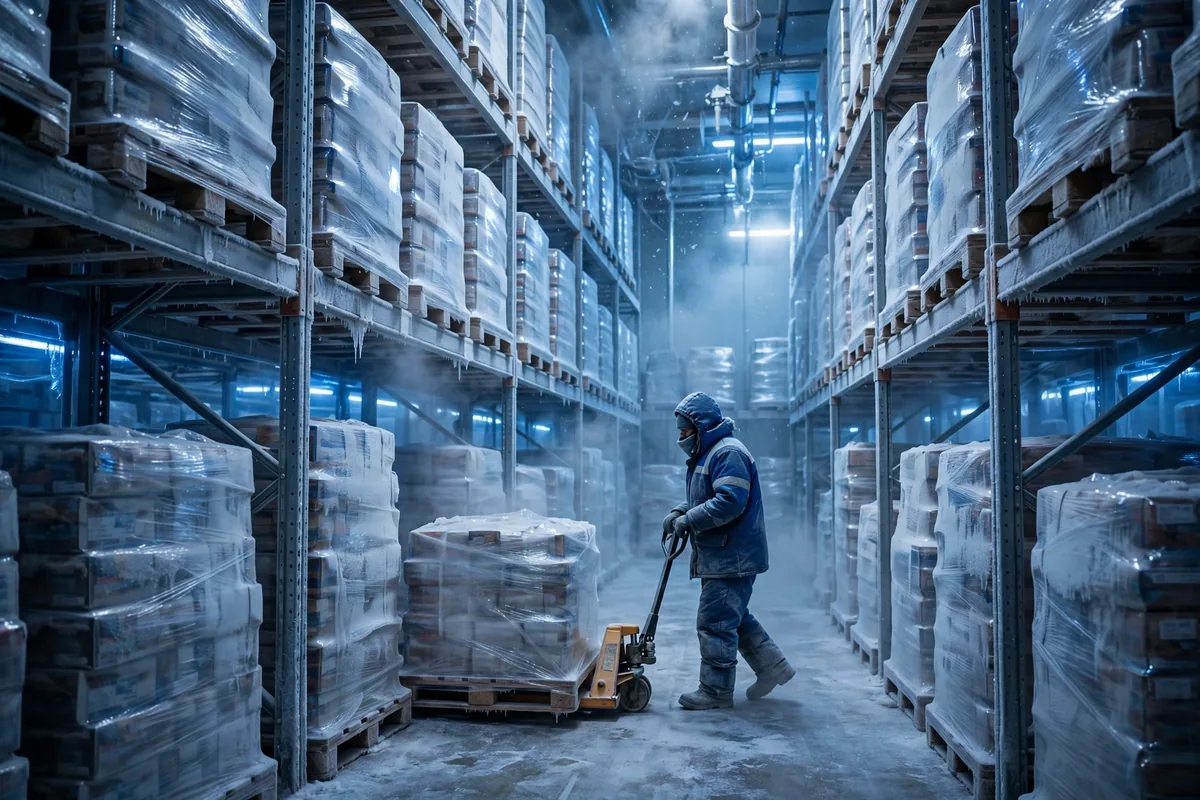
Most people think red wine is afraid of shaking and bumps. Honestly, the rocking on a ship does not hurt wine that much. The real killer is temperature. Wine sits in a container for a month, the temperature climbs, and the wine starts aging fast. At best the flavour goes off; at worst it leaks, pushes the cork, and the customer sends it straight back after one sip. The worst part is that heat damage is invisible. The boxes look perfect, the labels are neat, and you only find out the wine is dead when someone opens a bottle.
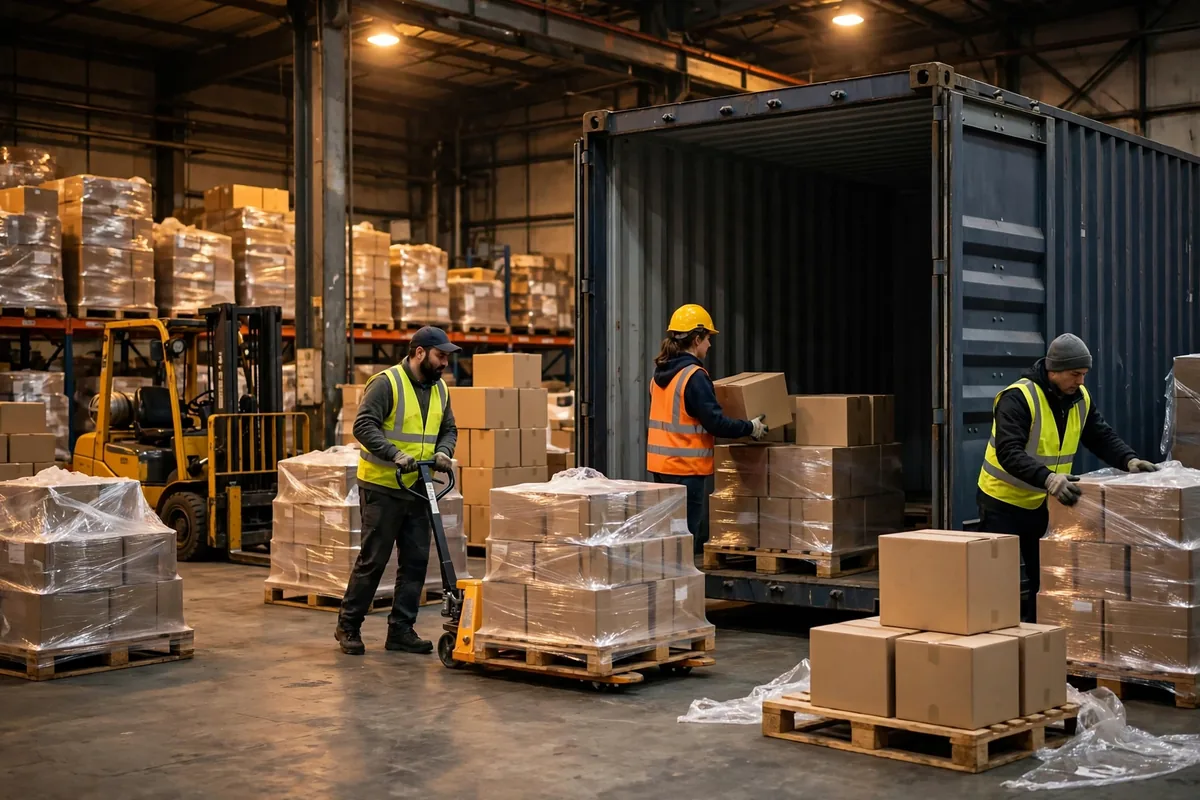
I learned this the hard way. (The story below is an illustrative scenario.) Two years ago I was helping a friend with a container of bulk wine out of Cape Town. At Shanghai customs inspection they opened one drum and the wine had turned sour. We checked the reefer logs: the temperature on board was normal the whole voyage. The problem was loading day. The wine had been trucked from the winery warehouse to the port and sat in the container yard under the sun for most of the day. If you have ever stood in the Cape Town sun, you know what that means. The wine was already warm before it went into the container, and no reefer can undo that. A reefer maintains temperature; it cannot rescue wine that is already hot. That is the rule of the cold chain: you can guard temperature, you cannot chase it.
So now, when I look at a South Africa wine export cold chain shipment, the first thing I ask about is not the ocean freight. It is the loading-day routine. How far is it from the winery warehouse to the port? Is the truck insulated? How long does the wine wait in the yard? Is loading done in the shade or out in the open? Forwarders think I am being difficult when I ask all this. After one ruined shipment, nobody calls me difficult anymore.
Bottled and Bulk South Africa Wine: Two Completely Different Cold Chain Calculations
Bottled wine, 123.4 million litres, earned $430 million. Bulk wine, 182.8 million litres, earned only $132 million. Bulk ships more volume; bottled earns more money. That gap decides how the cold chain money should be spent.
A quick illustrative calculation:
| Bottled wine | Bulk wine | |
|---|---|---|
| Value per container (illustrative) | High, every bottle is money | Low, priced by the litre |
| Cost of losing temperature control | Whole container downgraded, heavy loss | Whole container written off, brutal loss |
| Is the cold chain spend worth it | Yes, the cargo value covers the reefer | Needs careful maths, overspend and the order loses money |
The figures are illustrative assumptions; the conclusion is real. Bottled wine is worth enough to justify the reefer. Bulk wine is cheap enough that cold chain costs can eat the whole margin. Here is the counterintuitive part: most people assume bulk wine is tough and can be shipped any old way. Wrong. One drum holds thousands of litres. When the temperature goes, you do not lose a bottle, you lose the entire drum. With bottled wine you can at least sort the bad from the good. With bulk, there is nothing to sort.
My rule is simple: let the cargo value set the plan. Bottled wine gets the full treatment: reefer, temperature logger, pre-arrival inspection, no shortcuts. Bulk wine gets the maths first. Work out the cold chain cost as a share of cargo value, and if it crosses the line you can live with, change the sailing, change the packaging, or walk away from the order. Forcing a reefer onto a shipment that cannot afford it loses more money than skipping the cold chain altogether.
The UK Buys the Most Wine. What Does That Have to Do with Us?
The UK is South Africa's biggest wine export market, taking 87.3 million litres a year. What does that have to do with those of us selling into China? A lot. The UK market is mature. Buyers there spell out exactly what they want on temperature, vintage, and region, and wineries have spent years polishing their cold chain routines to keep those customers happy. We ride on that: the same winery loads and controls temperature the same way for UK buyers as it does for us. Flip it around: if a winery cannot even keep its UK buyers happy, do not expect it to build you a reliable cold chain from scratch.
My approach is dead simple. Before working with a winery, I ask where its biggest export market is and what those customers demand on cold chain. The more specific the answer, the more reliable the winery. If they cannot answer, I walk away, no matter how cheap the quote is. Cheap wineries are everywhere. A reliable cold chain routine is not.
Before the Ship Arrives, Do These Three Things
During those 30 days at sea, there is nothing you can do. Everything that matters happens before loading and before arrival.
First, watch the temperature on loading day. Get the winery or the forwarder to measure the wine temperature before loading and write it on the handover sheet. If the wine is already too warm, do not load that day. Rescheduling beats filing a claim after arrival, a hundred times over.
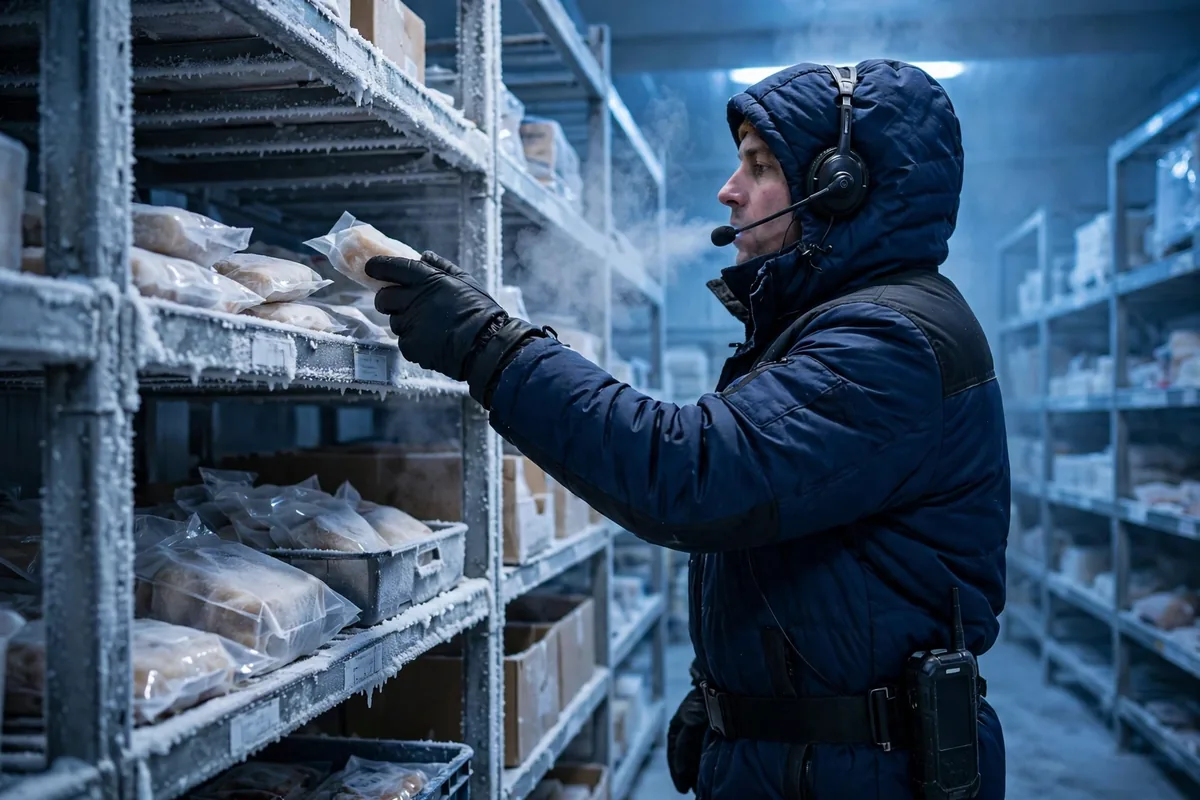
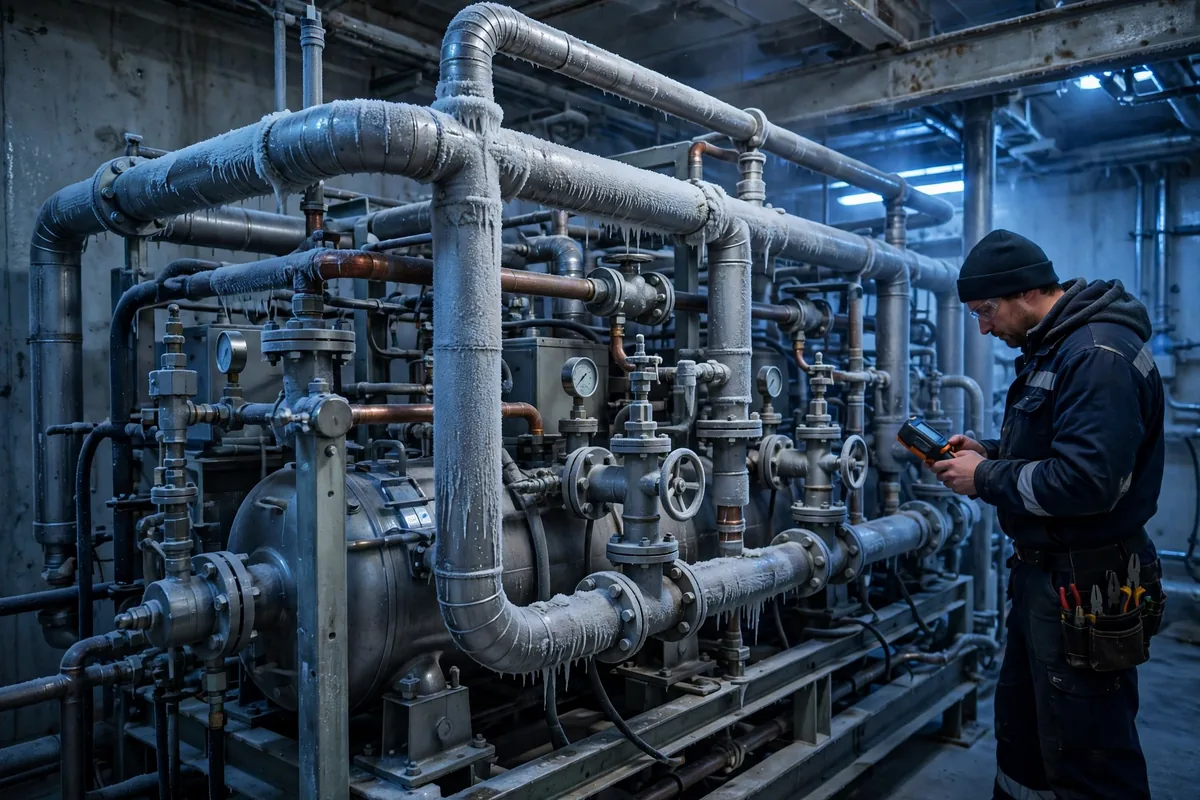
Second, do not wait until arrival to look at the reefer data. Ask the shipping line for remote temperature monitoring access and check the curve once a week during the voyage. The moment the curve ticks up, ask the line what happened and keep the messages. If something goes wrong, those records are the backbone of your claim.
Third, book the receiving warehouse 72 hours before arrival. The wine goes from customs clearance straight into storage. Do not let it sit overnight in the port yard. Yard fees are charged by the day, the temperature is not guaranteed, and every day of delay costs money.
I do all three on every order now, without exception. This one actually works, I have tested it myself: the three containers of South African wine I shipped last year all arrived in perfect condition, zero customer returns. Cold chain is not a contest over who owns the most expensive equipment. It is about whether you watched the right hours, before loading and after arrival.
By Ah K, E-commerce Seller (5 yrs)