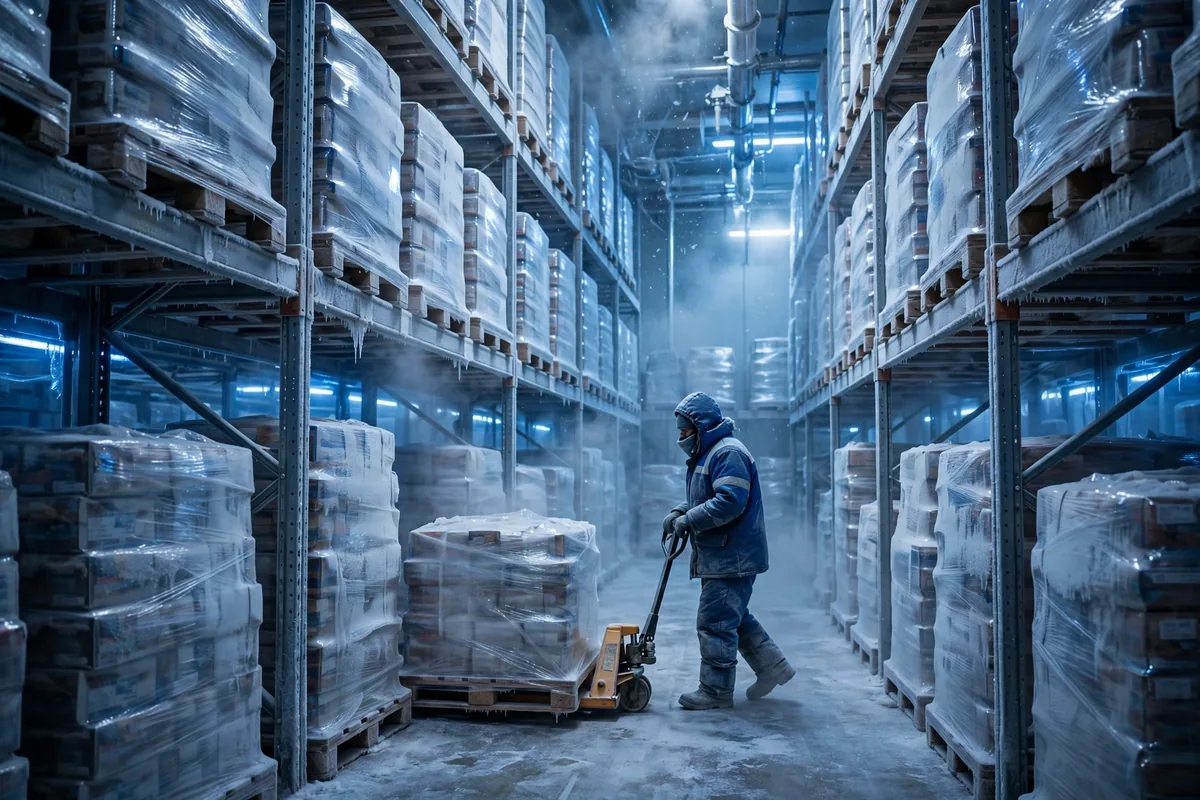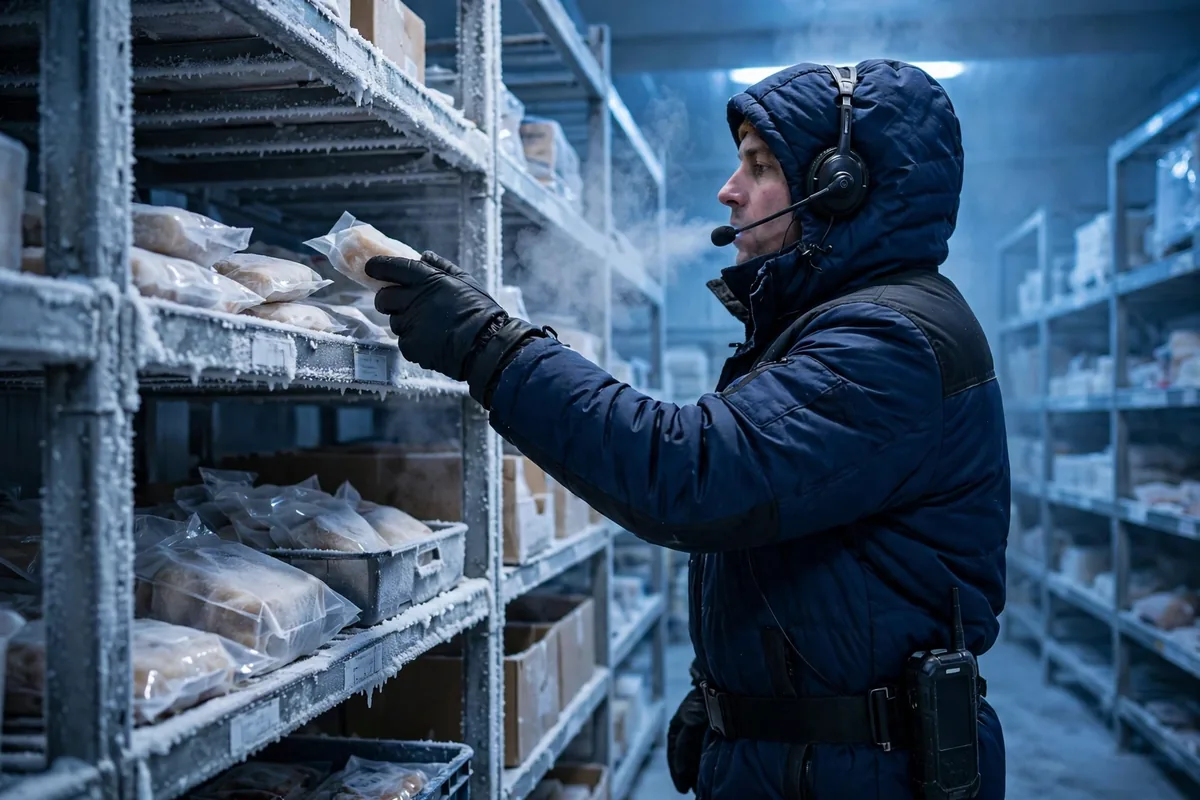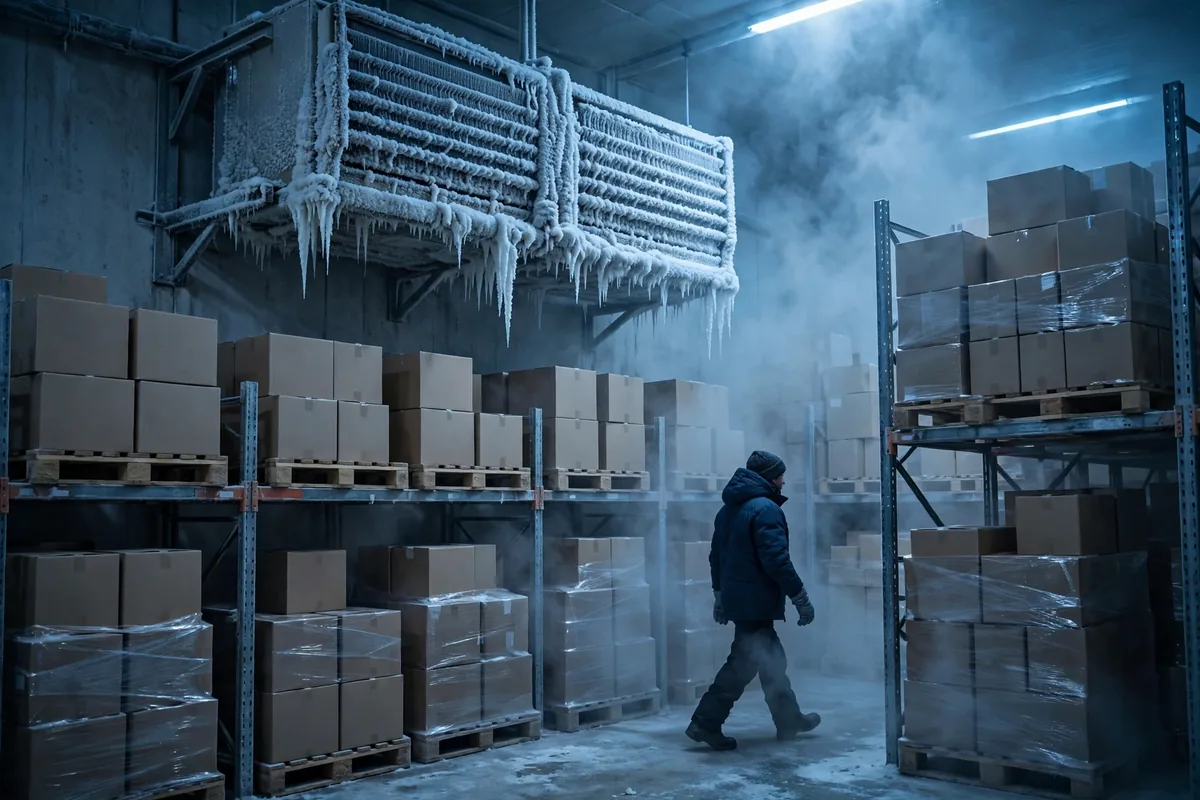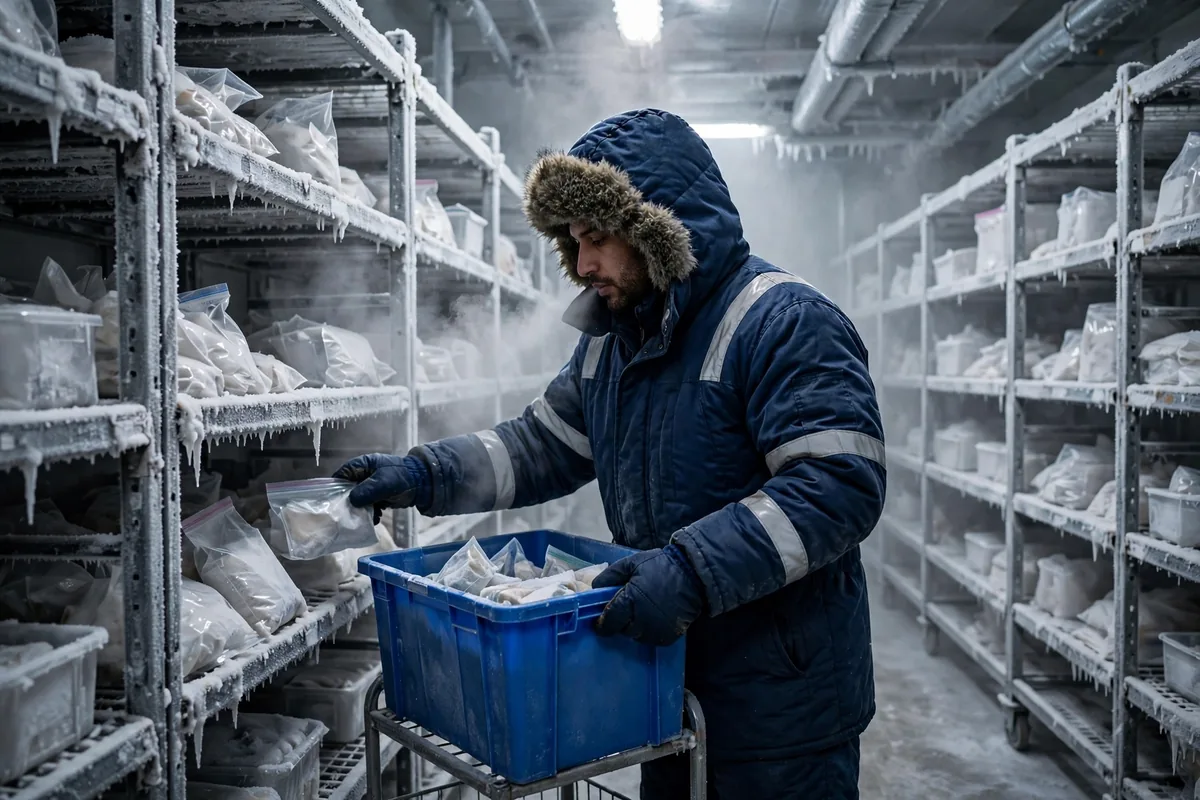
In the autumn of 2024, I stood in the plant room of a new cold store in Ningbo while the owner pointed at a row of silver-grey racks and asked me whether CO2 transcritical refrigeration was actually reliable. He had heard it was green and cheap to run, and he had also heard the pressure was dangerous and the system fell apart in hot weather. I did not answer him straight away. I asked him three numbers first: what temperature the rooms had to hold, how hot it got on the worst summer days, and what he paid for a kilowatt-hour. Without those three numbers, any talk about refrigeration options is empty talk.
Think of it as picking a heart for the cold store. Ammonia is the old strongman: cheap, powerful, but toxic, and a leak means evacuating the building. HFCs are the easy-going option: install them and forget about them, except that environmental rules get tighter every year and the price of new refrigerants climbs with them. CO2 is the new straight-A student: perfect on the environment, carrying one hard problem on its back — pressure high enough to scare people. Ammonia looks cheap until you add up the safety reviews, the emergency plans, and the licensed operators. Count the whole bill before you compare prices.
CO2 Transcritical Refrigeration: How It Actually Works
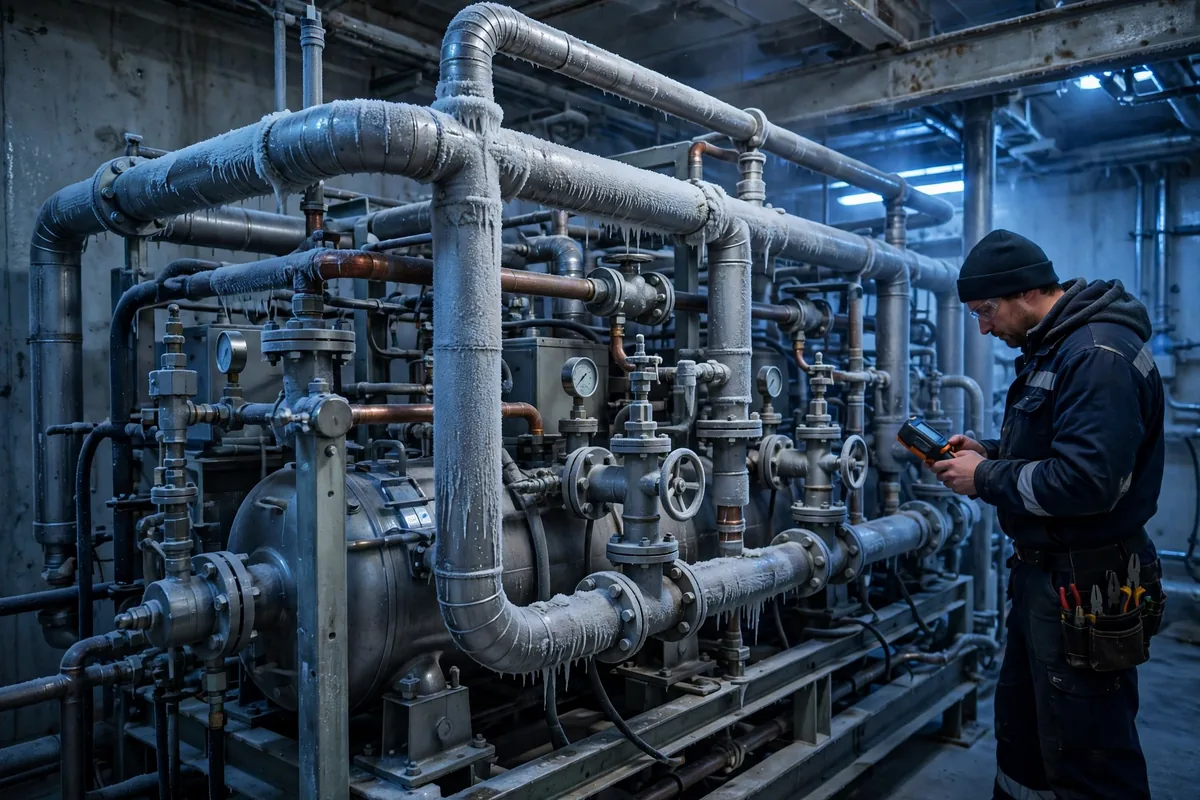
CO2 has a temper. Its critical point sits at 31 degrees Celsius and 74 bar, and past that point it stops condensing. A gas cooler has to drag the heat out of a hot, high-pressure gas degree by degree. You can think of it this way: there is no condensation step where heat pours out easily — the whole cycle runs on pressure difference and temperature difference, muscled through. It is like asking someone to run a marathon while holding their breath. They can do it, but they will be gasping. Design pressure on the high side usually runs between 90 and 120 bar, several times what a normal HFC system sees, so every pipe, valve, and weld has to be rated for high pressure. Cut a corner anywhere and that is exactly where it will leak.
Transcritical operation comes with a bonus that people overlook: the discharge gas runs hot, which makes heat recovery genuinely useful. In winter, that waste heat can go to defrosting, space heating, and hot water — energy you would otherwise throw away. Plenty of cold stores in northern Europe balance their books on exactly this trick. Look at it from the other side and the logic is plain: hot discharge gas means a large slice of the compressor's work turns into waste heat, so whether you can catch that heat decides whether the system saves money at all.
CO2 Transcritical Refrigeration vs Ammonia vs HFCs: Picking a Side
| Ammonia | HFCs | CO2 | |
|---|---|---|---|
| Environment | GWP near zero, but toxic | GWP in the thousands, facing phase-down | GWP 1, ODP 0 |
| Safety | A leak means evacuation | Relatively easy to live with | A1 rated, low toxicity, non-flammable — but high pressure |
| Efficiency | Superb at low temperatures | Middle of the road | Great in cool climates, slips in the heat |
| Maintenance | Licensed staff required | The least fuss | Few people know high-pressure CO2 yet |
In 2026, a cold store in New Brunswick, Canada, commissioned a single-stage transcritical CO2 system rated at 542 tons of refrigeration, serving a 13,000-square-metre warehouse with freezer rooms adjustable between minus 28 and minus 4 degrees Celsius. The loading dock ran at a COP of 6.39 and the freezer at 3.27. In a mild climate, a single-stage rack carried the whole load, no booster compressors were needed, and leaving the boosters out cut capital cost by about 18 percent. That project makes one point clearly: what a CO2 system fears is not cold, it is heat.
Where summer pushes past 35 degrees Celsius, the gas cooler struggles to reject heat and efficiency slides. You buy it back with parallel compression, ejectors, and adiabatic gas coolers — more kit, more capital cost, more complexity. The same system in Harbin and in Guangzhou is two completely different business cases. Here is the counterintuitive part: the refrigerant with the perfect environmental score is at its worst exactly where it is hottest. Before choosing a system, check how many days a year your city tops 30 degrees. That number is more honest than any vendor brochure.
The maintenance traps deserve a mention too. You cannot leak-check a high-pressure system with soapy water and old habits; you need electronic detectors. Technicians who really know high-pressure CO2 racks are still scarce, and in a smaller city you may wait days for the manufacturer's engineer to fly in while your room temperature climbs. Before signing a maintenance contract, ask one question: do you have a resident engineer in my area? If they cannot answer, do not sign, however cheap the quote looks.
I also see a fair amount of fake demand. A store that only needs minus 18 degrees, under 2,000 square metres, insisting on transcritical because they want to "do it properly once." Do what properly? The electricity saved does not even cover the extra maintenance bill, and a green badge does not turn into orders. In 2023 I saw a fruit and vegetable cold store in eastern China finish installing its racks and only then discover the roof had no space left for the gas coolers — a new steel structure had to be added at extra cost. Every dollar saved on the drawing board gets collected on site, with interest.
Is the Money Worth It? Watch This One Number
The figures below are an illustrative example, estimated for a mid-sized cold store — do not treat them as a quotation. Capital cost for CO2 runs roughly 15 to 25 percent above an ammonia system and 10 to 20 percent above HFCs. Annual electricity savings run 8 to 15 percent, up to 20 percent in cool climates, possibly only 5 percent in hot ones. Heat recovery saves another slice on defrost and heating each year, and the rising price of HFCs plus future compliance costs are not even in the sum yet. Roughly speaking, payback lands in 4 to 6 years in a cool climate, and 7 to 10 years — if at all — in a hot one.
Three lines decide whether a switch is worth discussing: rooms held below minus 18 degrees long-term, doors opening and closing all day, and fewer than 30 extremely hot days a year. Hit two of the three and it is worth a serious conversation. Hit one, and fix the insulation and door seals first. Hit none, and a swap is self-inflicted pain. Small rooms should stay out too: a few hundred square metres will never save enough electricity to cover the extra maintenance.
So is the money worth it? Watch this one number: how many days a year the ambient temperature where your cold store sits goes above 30 degrees. Under 60 days, CO2 deserves a serious look. Over 120 days, double the gas cooler budget before you even start talking. In between, find an integrator who has built in your climate and ask for three years of real electricity bills from a past project. If they cannot produce them, do not sign.
By Da Liu, Automation Engineer