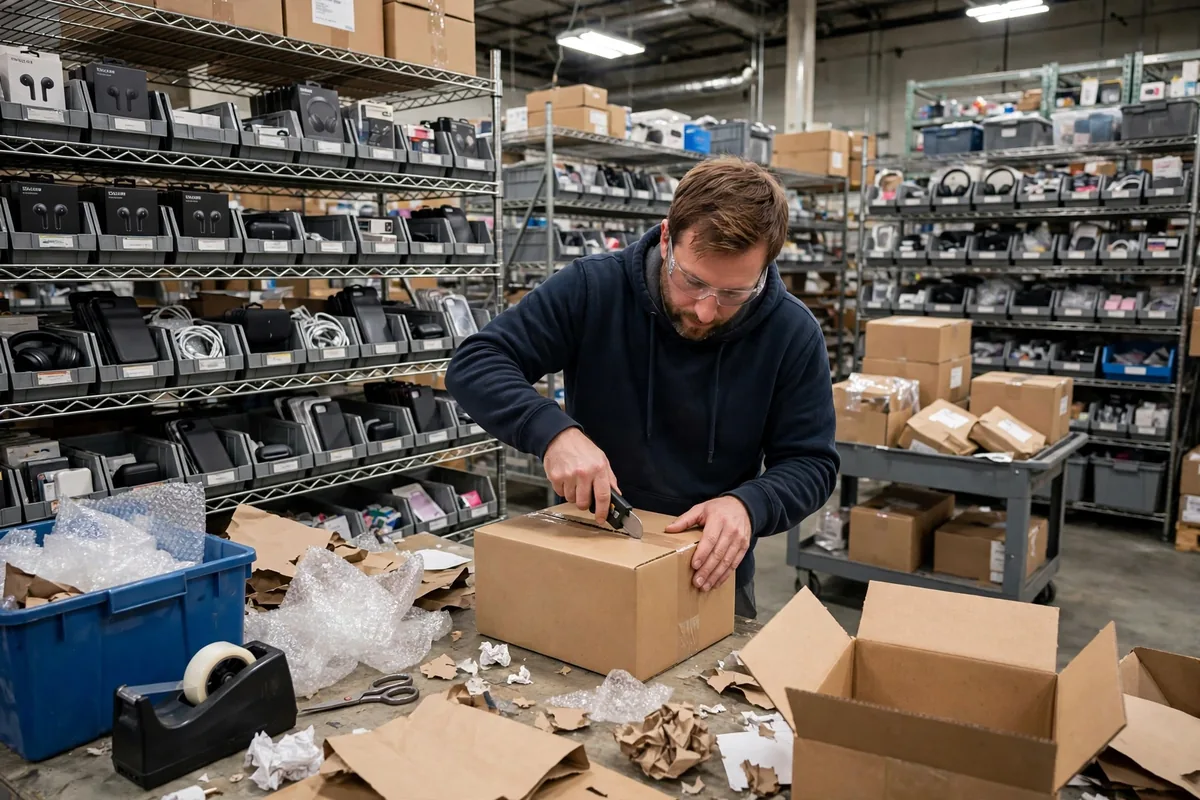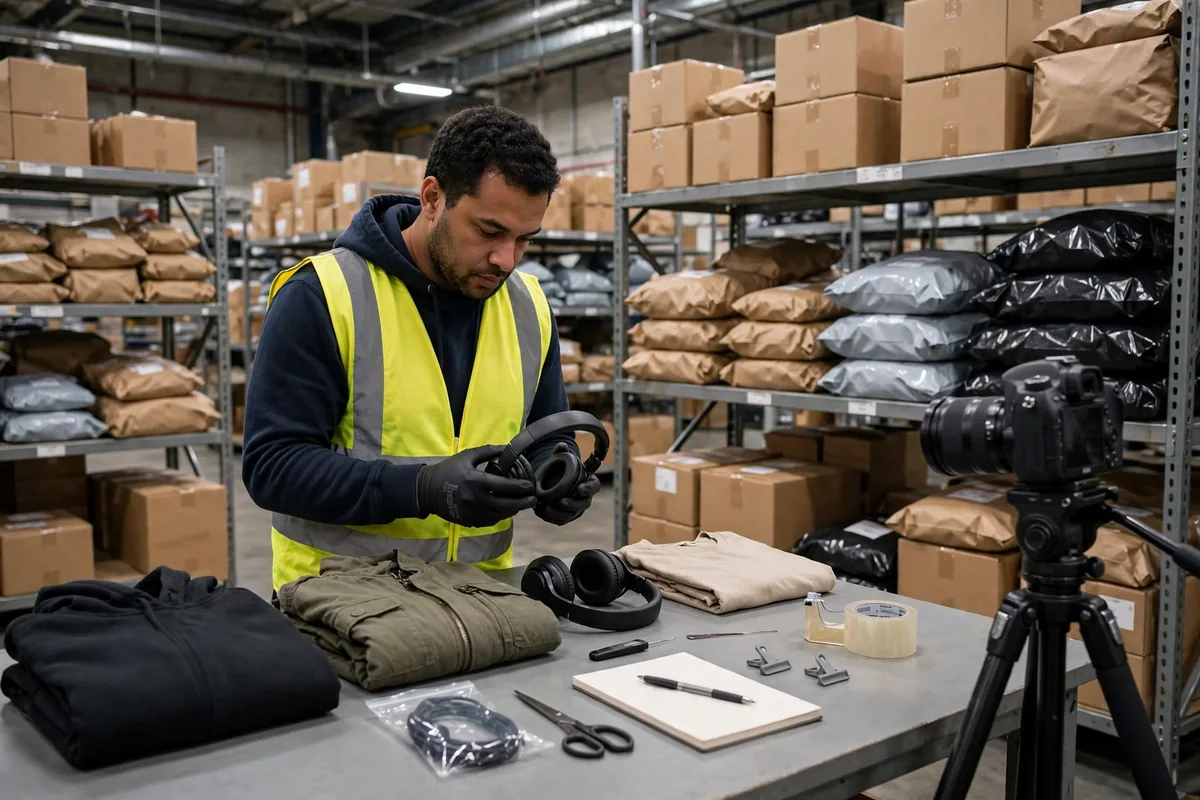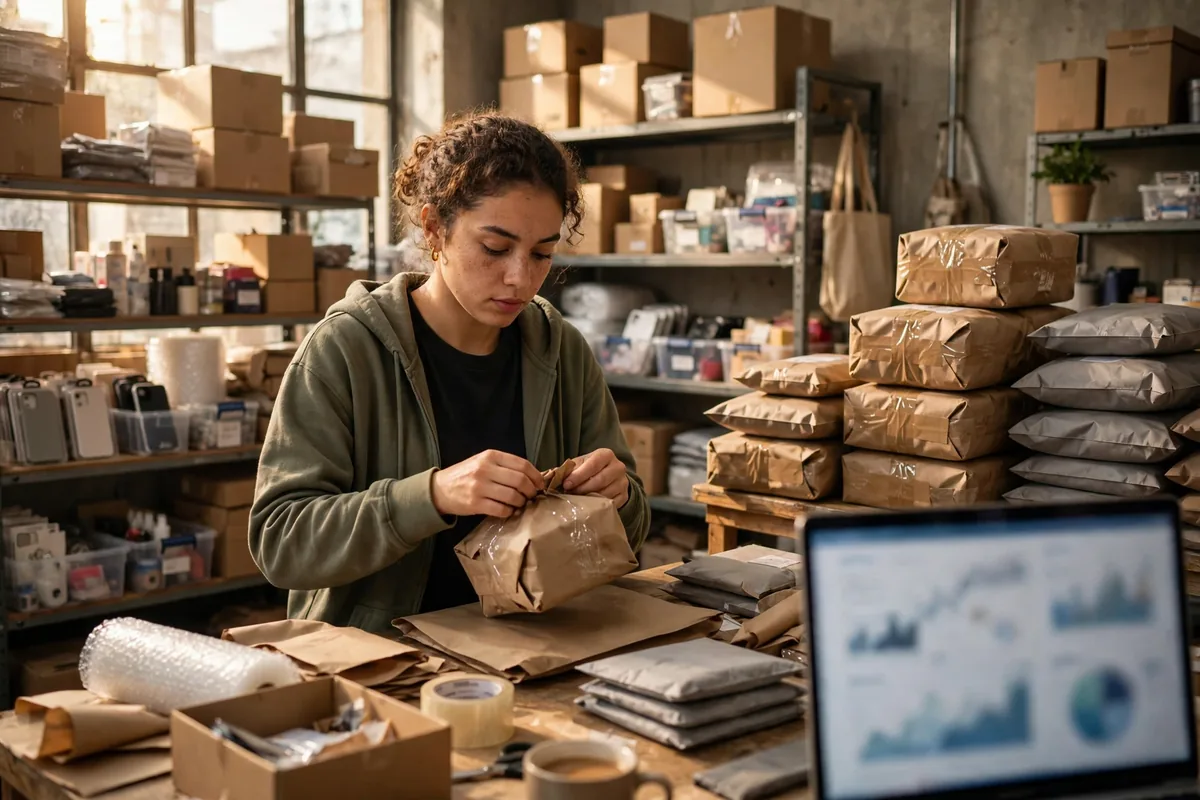
Shopee Brazil will humble you fast. Traffic is not my biggest headache. Stock stuck at sea while my listing is finally getting clicks is.
Last year I watched that happen in real time. The shipment was late, clearance dragged, and by the time cartons were shelved the campaign window had closed. I did not lose because the product was bad. I lost because my shopee brazil fulfillment warehouse plan was fantasy.
The three shopee brazil fulfillment warehouse options, honestly
Forget the sales decks. For a China-based seller there are really three setups.
Platform fulfillment means you bulk-ship into Shopee's network and let the platform pick, pack and deliver. Delivery speed is steadier and the buyer experience is easier to protect. The trade is cash. You pay in advance, in inventory sitting far from home. If a style dies, getting that stock back into a flexible channel is painful.
A partner warehouse, a local third-party site doing pick-and-pack for you, is the flexible middle. You store goods there and pay per order. No lease, no hiring, easy to start and easy to pause. In peak season, though, you are not the only client. When my partner got busy in November, my parcels waited behind bigger sellers for three days. Reviews noticed before I did.
Renting your own small warehouse in Sao Paulo gives control. Your people, your packing standard, your cutoff time. It also gives you rent, payroll, supplies and every headache at 7 a.m. Brazil labor and compliance are not side quests. Check the current rules with local professionals and use the platform's official pages for the latest policy, because fees and requirements change.
None of these is morally better. The right one is the one your daily volume can carry.
How I staged it, and what the numbers taught me
I started pushing Brazil seriously in March 2024, mostly home gadgets and phone accessories. Early volume was under 30 orders a day. Renting space then would have been me subsidizing a landlord.
So I tested with a partner warehouse. Small air shipments plus consolidated sea freight let me learn which SKUs actually moved. The per-order fee hurt a little, but I had no fixed rent and I could kill a loser quickly.
Once two or three winners emerged, I moved only those winners into platform fulfillment. Speed helped conversion on proven listings. The long tail stayed with the partner. That split protected cash and kept me from filling expensive platform space with experiments.
By Black Friday in November 2024 we were around 180 orders a day on good days. That is when I priced a small Sao Paulo unit seriously. Not because I dreamed of owning a warehouse, but because partner delays were costing stars. Here is the counterintuitive bit many sellers miss: your own warehouse is the most expensive option until volume proves otherwise. A platform fee looks high line by line, yet it bundles labor you would otherwise pay even on slow days.
A friend in Shenzhen learned the opposite lesson in late 2023. He cut everything from a partner to his own place in one week. New staff, no training rhythm, wrong labels for days. His shop rating fell off a cliff. Migration needs a pilot, always.
Use a simple break-even frame with your own figures, since rates move and official policy should be checked at the source:
| Option | You mainly pay for | Best when | Watch out for |
|---|---|---|---|
| Platform warehouse | Storage, fulfillment, tied-up inventory cash | Proven winners, stable daily orders | Dead stock is hard to rescue |
| Partner warehouse | Inbound handling and per-order picking | Testing, dozens of orders a day | Peak queues, quality depends on others |
| Own Sao Paulo unit | Rent, staff, systems, materials | Steady 100+ orders a day, focused SKUs | Fixed cost every month, hiring risk |
If a SKU sells about 900 units a month, a partner premium per order can still beat fixed rent plus payroll. At two or three times that volume, the math flips. Run your numbers, not someone else's screenshot.
Sea freight, clearance and the Brazil tax maze
Half the pain is transport, half is paperwork.
Sea freight is cheap per unit and slow in every way that matters. I now plan backwards using the worst case: production, consolidation, sailing, clearance, inbound and shelving. In July 2024 one of my shipments hit a delay plus an inspection and landed in the warehouse almost three weeks late. I cleared it only with discounts. Margin gone.
On clearance, keep documents boringly consistent. Product descriptions that are vague, carton counts that do not match the packing list, or values that invite questions will cost you weeks. I now have the forwarder and broker check every line before departure. Leaving two days later beats sitting in port.
Do not copy tax numbers from a forum post. Brazil's tax system is famously complex, with category, state and importer structure all changing the result. ICMS and related charges are exactly the kind of thing to confirm with official sources and a local accountant. Anyone selling you a single simple rate for all of Brazil is selling you trouble.
Geography matters too. Brazil is huge. One warehouse serving every state means long delivery times for distant buyers. Start concentrated, learn where orders cluster, then split stock. Splitting too early just multiplies safety stock.
Returns: decide before the first parcel comes back
Returns in Brazil will not be shipped back to China at a profit. Forget that fantasy for most low and mid-priced goods.
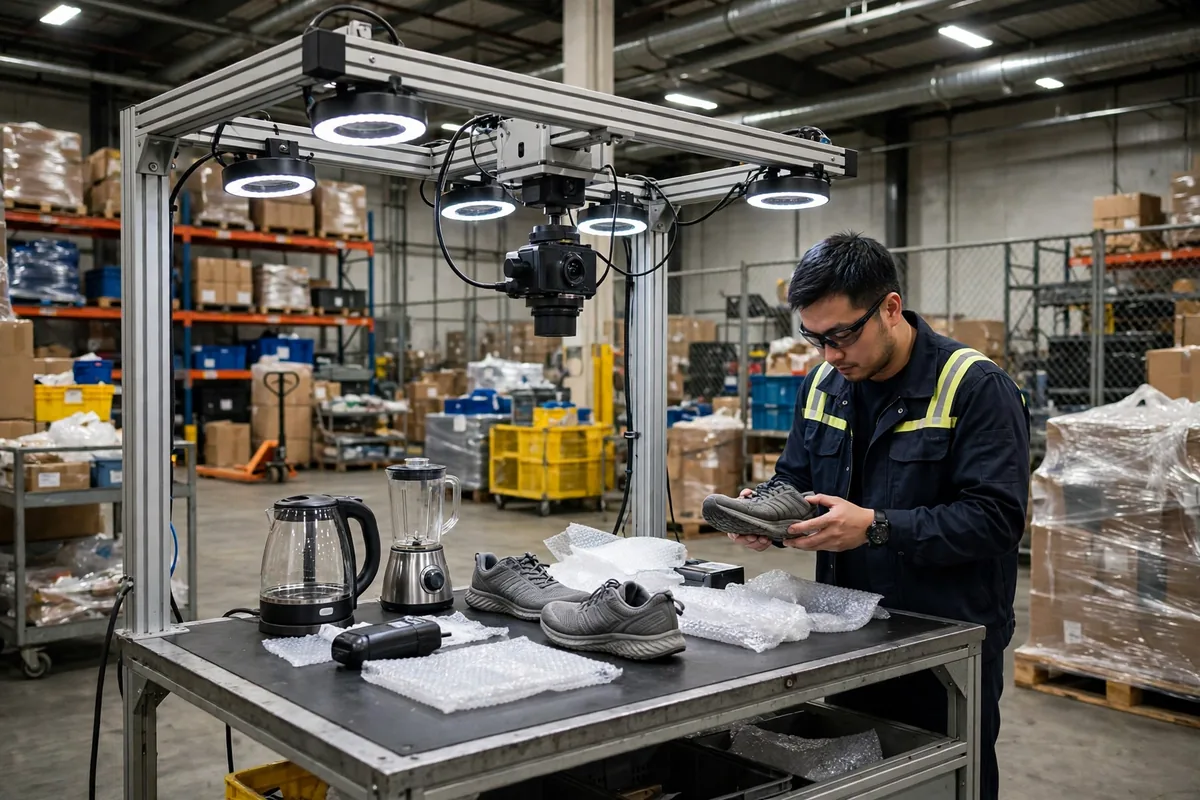
I sort returns into three buckets. Resellable items get inspected, repacked and relisted fast, before packaging looks tired. Slightly flawed items go into discounted bundles or local clearance. Dead items are disposed of promptly where rules allow, because storage charges bleed daily. Holding junk is not saving money.
If you use a partner, write the return rules on day one: inspection standard, photos, relist deadline, and what counts as unsellable. If you use platform fulfillment, watch the return reports. Sellable returns sitting in a non-sellable status are silent lost sales.
Apparel sellers feel this hardest. Size returns can erase the margin you thought you made on shipping. Build return handling into your fulfillment cost from the start, not as a surprise at month end.
When to switch your shopee brazil fulfillment warehouse model
My field rule is rough, but it has kept me alive. At a few dozen orders a day, stay lean: partner warehouse plus platform stock for winners. When you hold above roughly a hundred orders a day with a tight SKU set and controlled returns, price your own unit and expand platform placement seriously. Beyond that, with many SKUs, you need systems and possibly split stock, because spreadsheets will start lying about inventory.
Switch in slices. Move winners first, one flow at a time, prove labels, cutoff and returns, then scale. And keep a fallback for peak week. Brazil rewards sellers who are a little paranoid about logistics.
It is a big market and a磨人 one if your warehouse plan is vague. Survive first, optimize second. This staged approach worked for me in practice, not just in a spreadsheet.
By Ah K, E-commerce Seller (5 yrs)