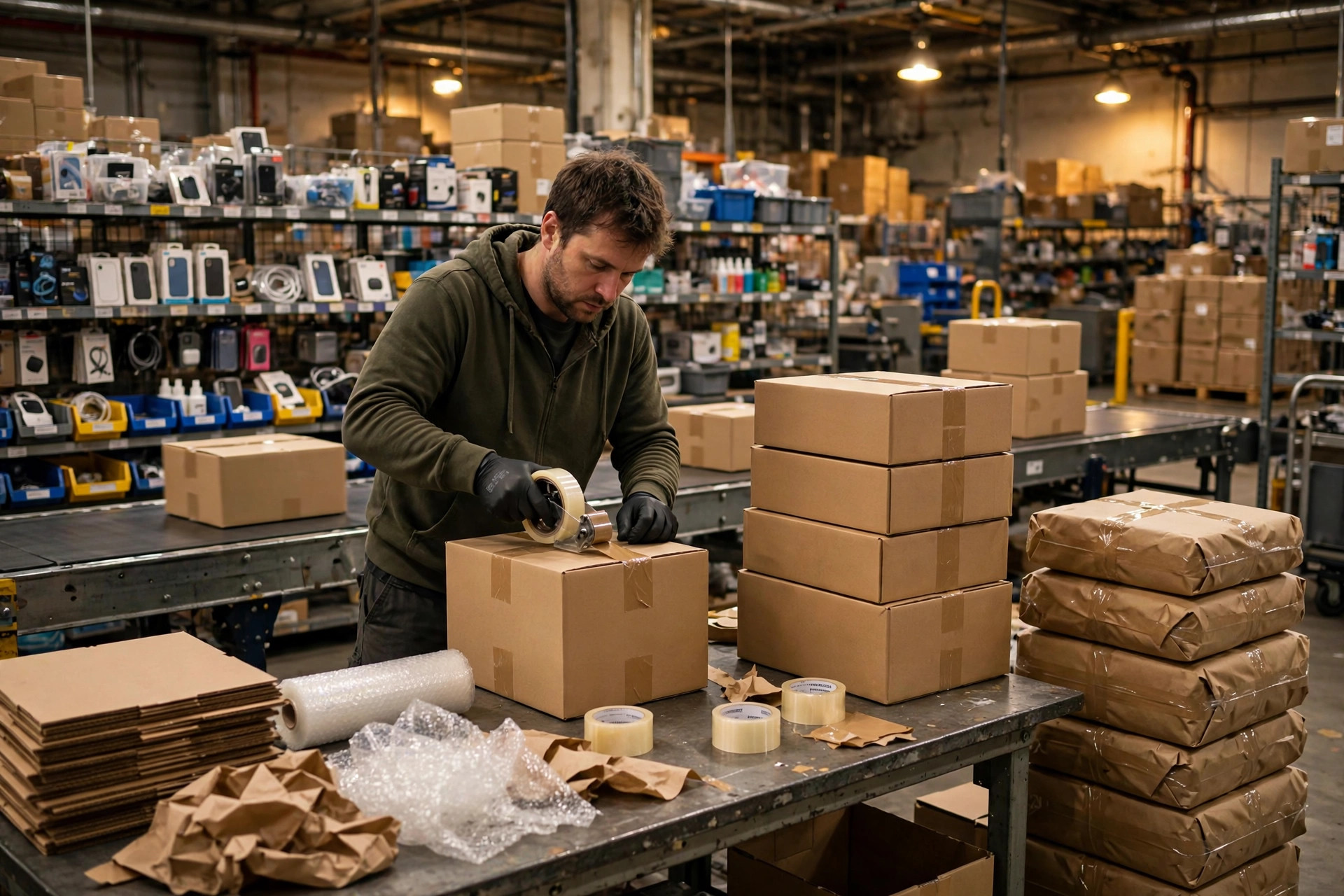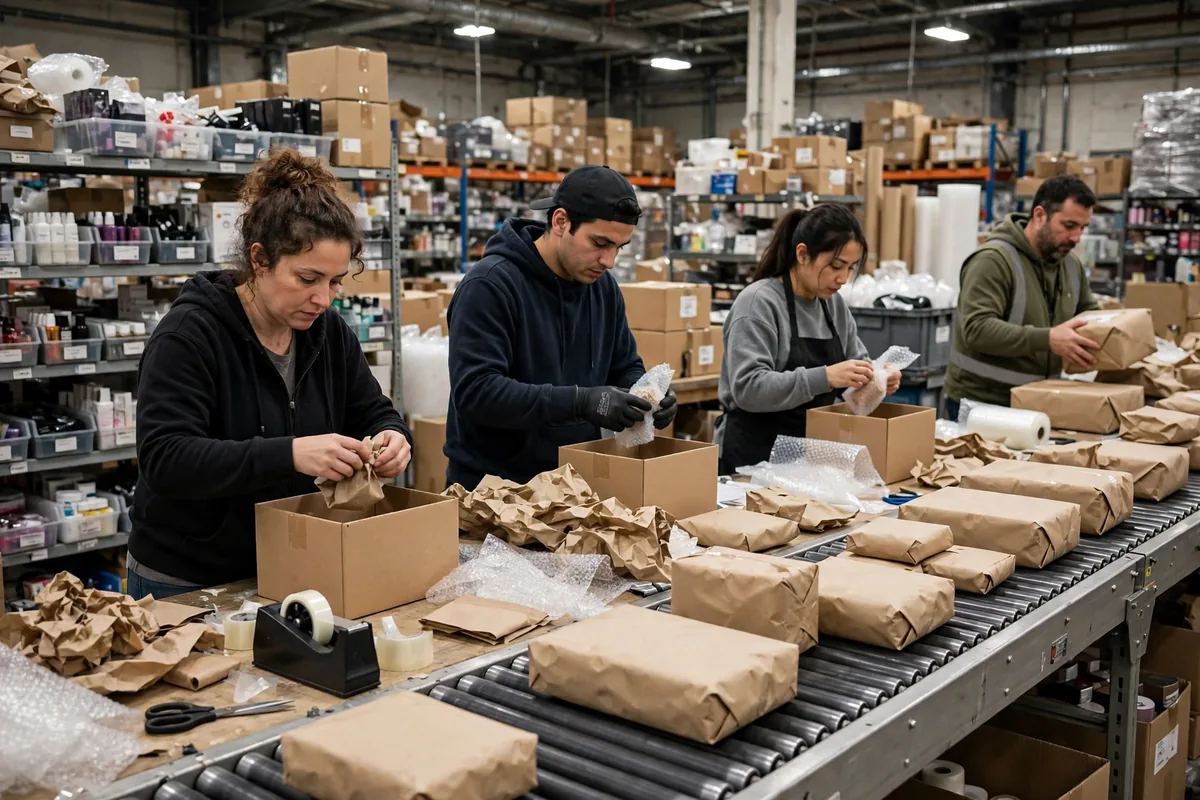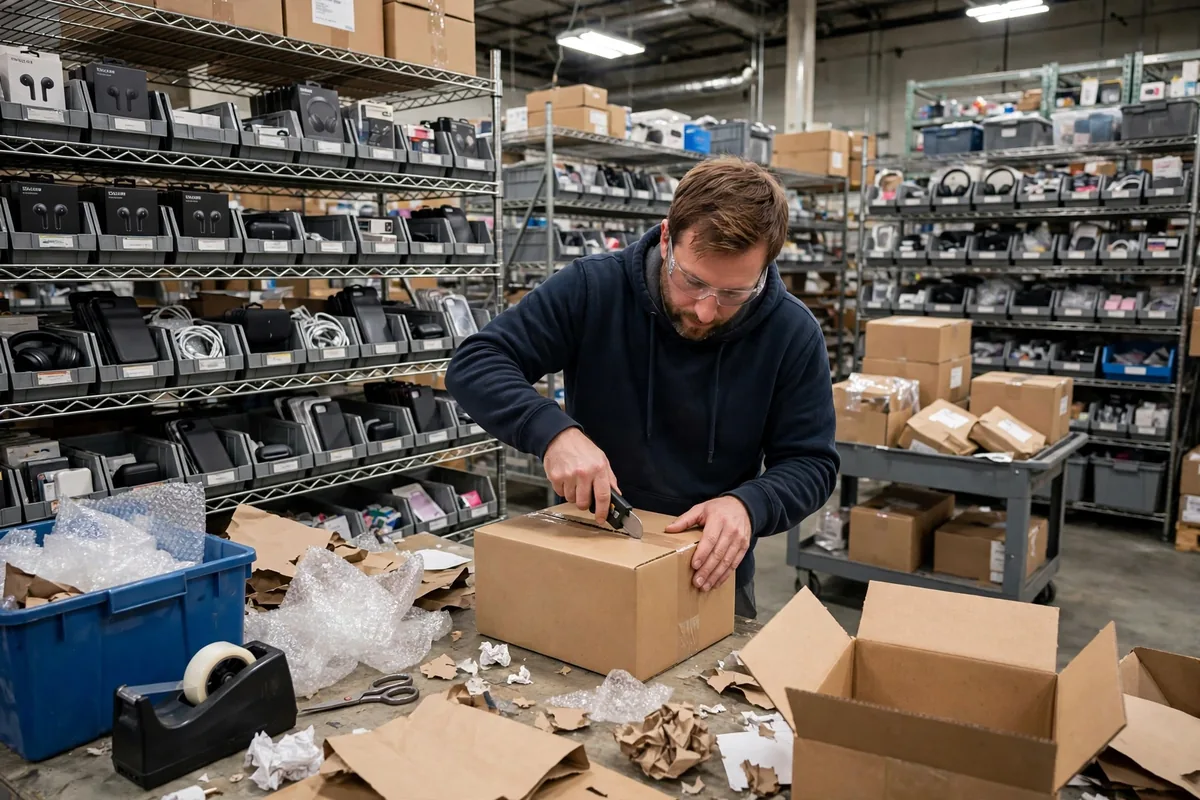
I learned tiktok shop us warehouse returns handling the expensive way. Last summer, shipping a portable fan from a warehouse east of Los Angeles, I told the team to “just restock the ones that look fine” when more than a hundred returns came back. A week later, reviews started saying “received a used product,” and one buyer posted a video showing a hair inside the fan. That video got more views than my ads. I will not quote platform penalties or rule details from memory — check the latest official policy on the platform site — but the lesson is permanent: lazy returns handling gets repaid by your future orders.
TikTok Shop buyers often order on impulse from a video, so return reasons are messy: wrong color, thought it was a two-pack, changed my mind. Many units are perfectly good. If your warehouse is slow or sloppy, good units turn into second complaints. The workflow below is what I built with my warehouse, step by step. It is not fancy. It works.
Tiktok shop us warehouse returns handling starts with separation at receiving
Returns need their own holding area. Even a small warehouse can spare one rack with yellow labels, physically separate from new stock. When a return arrives, scan the return or carrier tracking number first. Anything that does not match an order goes into an “unmatched” bin, gets photographed, and waits for my confirmation. The warehouse never guesses which product it belongs to.
That rule saved us during last year’s peak. A parcel arrived containing a strip light from another seller’s store, in similar packaging. The team nearly restocked it as mine. Only a mismatched batch code on the inner box stopped them. If that unit had shipped to my buyer, I would have owned a complaint for a product I never sold.
On receiving day, do three things: weigh and photograph the parcel, check the outer box for damage or leakage, and record the buyer’s return reason as a tag. The reason tag matters more than people think. Units returned for “quality problem” must go through deep inspection. Units returned for “changed my mind” can take the fast lane. If you throw every return into one pile, inspectors spread their attention evenly, which means the riskiest units get the weakest check.
My simple deadline for the warehouse is a disposition decision within two working days of arrival: restock, refurbish, or dispose. No indefinite stacking. The longer returns sit, the more packaging gets crushed or damp, and good units decay into seconds. Storage is charged by time, too. A returns pile is not free inventory. It is rent burning in the corner.
A second case changed how I see the returns rack. This spring, a makeup mirror had a stubborn return rate and I assumed the product was weak. I asked the warehouse to summarize return reasons and photos weekly. Almost a third said the mirror surface had a film that would not peel — in fact the protective film edge was nearly invisible and buyers thought it was scratched. We moved the instruction sticker and added a two-second film-peel demo to the product video. That category of return dropped noticeably after. The returns area is the cheapest product research department you have, if you keep the reason data.
The tiktok shop us warehouse returns handling inspection checklist
We now inspect in three tiers. Fast check: packaging intact, unopened or opened but unused, accessories complete, basic power or function works. Clean it, replace any damaged outer poly bag, photograph it, and it can be restocked — never with the previous buyer’s return label marks still showing. Deep check: visible use or a reported quality problem. Run the full function test, check battery, buttons, and ports, photograph the result, and conclude either “refurbishable” or “not sellable.” Direct disposition: damaged, missing parts, obvious hygiene issues, strong odor, or leakage. Register and photograph it, spend no more labor, and move it to the pending disposal zone.
Here is the counterintuitive money saver: for some products, inspecting harder loses more money. On a very low-priced accessory, deep inspection labor can exceed the value of the unit. Set the rule at receiving instead. Unopened units get a fast check and go back. Opened units go straight to residual-value disposition without a per-unit fight. I used to insist on testing every cheap night light because throwing stock away felt wrong. At month end, inspection fees were higher than the value we recovered. That is not diligence. That is paying to feel diligent.
| Return condition | Action | Destination |
|---|---|---|
| Unopened, carton in good shape | Fast check, new outer bag, photo | Restock as new |
| Opened, no signs of use | Check accessories, test function, clean | Repackage and restock |
| Light use or minor fault reported | Deep check, keep test photos | Refurbish or discount disposition, with my approval |
| Damaged, missing parts, hygiene concern | Register and photograph only | Pending disposal or confirmation zone |
| No matching order, wrong product | Store separately, photograph and report | Hold for confirmation, never restock on a guess |
Be strict on hygiene. Personal care items, beauty tools, earbuds, and anything used against the skin should not go back out as new, even when they look untouched. Whether a category may be resold at all, and under what conditions, should be checked against the latest official platform policy. Risking a “sold me used goods” review and account trouble for one unit’s value is terrible math.
Before restocking, check batch separation. If your warehouse system supports a separate status or location for repackaged units, use it. Do not mix them blindly into the same batch as factory-new stock. When a complaint lands, mixed batches mean you cannot trace which population the unit came from, and you end up accepting blame for everything.
Disposal and discounting: the warehouse advises, the seller decides
Disposition authority stays with the seller. Put it in writing: the warehouse may recommend, but destruction, discount clearance, return shipment, or transfer to another channel all need my written confirmation. A seller friend learned this when a warehouse scrapped a batch of “cosmetically defective” returns without asking. Many units were only crushed box corners. By the time he found out, all he had was a disposal list with no photos, and no evidence for a claim. Our rule now is a summary sheet plus a photo of every unit before disposal, my confirmation, then a photo after the job is done.
Think before using discount channels, too. Units that can move through offline clearance, staff purchase, or a compliant secondary channel should ship out as a separate lot. Do not quietly discount them inside your main product listing, or you will wreck your price structure and your review profile at the same time. Anything involving brand authorization or platform rules goes by the latest official policy, not by a liquidator’s verbal promise.
For reconciliation, I only ask for one weekly table: units received, units restocked, units refurbished, units disposed, and unmatched units, plus the top five return reasons. If the numbers do not match photos and tracking numbers, we investigate that week, not at month end. Returns have no secret formula. Receive without mixing, inspect with evidence, confirm before disposal, and review the reasons. Do those four things for three months and returns stop being a black hole. They start improving your product and your listing.
This is the routine I tested myself. Next time you visit your warehouse, skip the new stock aisles first and spend ten minutes in the returns holding area. That rack is the most honest preview of your future one-star reviews you will ever get.
By Ah K, E-commerce Seller (5 yrs)