Let me be blunt: after the U.S. ended the de minimis exemption for small parcels in 2025, the good old days of shipping straight to American buyers duty-free are over. Both Shein and Temu pivoted to semi-managed fulfillment, which means you now have to stock inventory in a U.S. warehouse. Sellers who used to lie back and just supply goods under fully-managed fulfillment suddenly found themselves responsible for inventory, shipping speed, and delivery times. The rules of the game changed completely.
This article cuts straight to it: how semi-managed and fully-managed fulfillment actually differ, where the money goes, and which model fits you. Fee and commission rates vary by source, so check the latest policy in each platform's seller center for exact numbers. I will only break down the structure, and the structure does not lie.
Fully Managed vs Semi-Managed: Four Things Decide Whether You Work for the Platform or Run Your Own Show
Under fully-managed fulfillment, the seller only supplies goods: ship them to the platform's domestic warehouse, and the platform handles pricing, listing, marketing, customer service, and last-mile delivery. It sounds easy, and the price is that you do not control pricing. The platform sets the price, your profit is the supply price minus cost, and that margin is paper-thin.
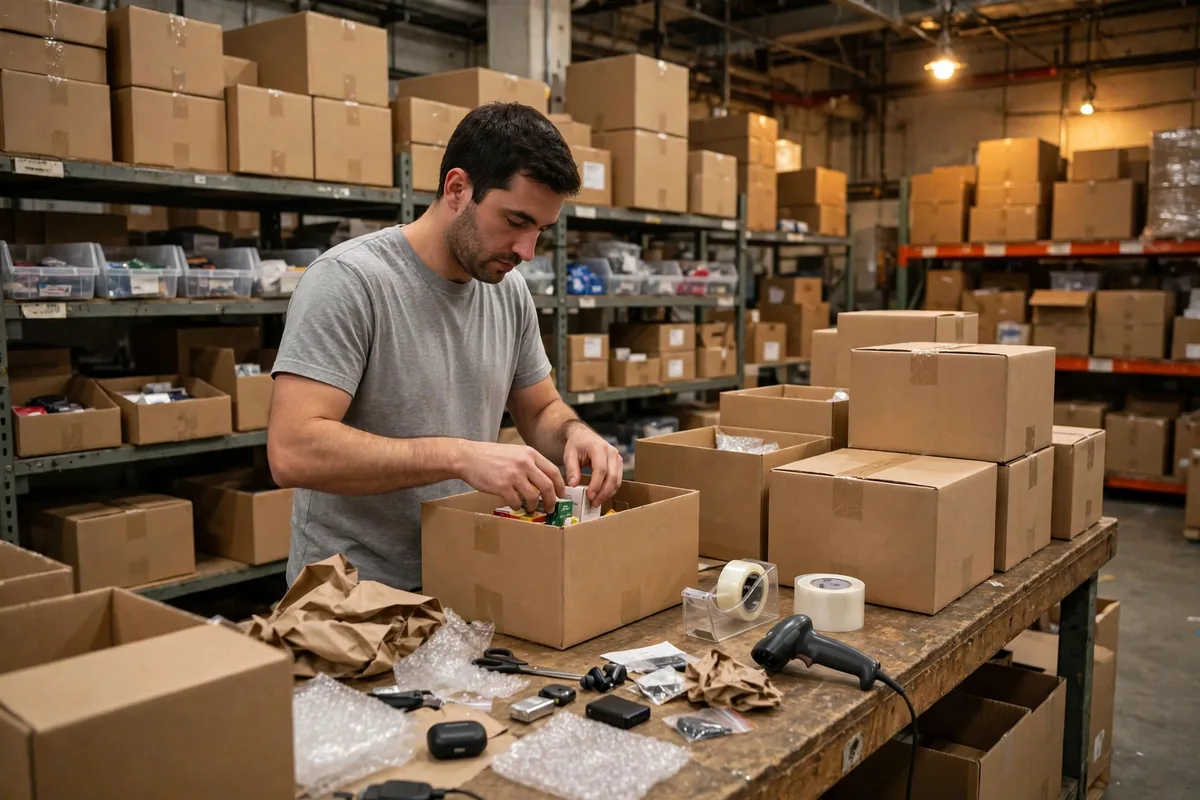
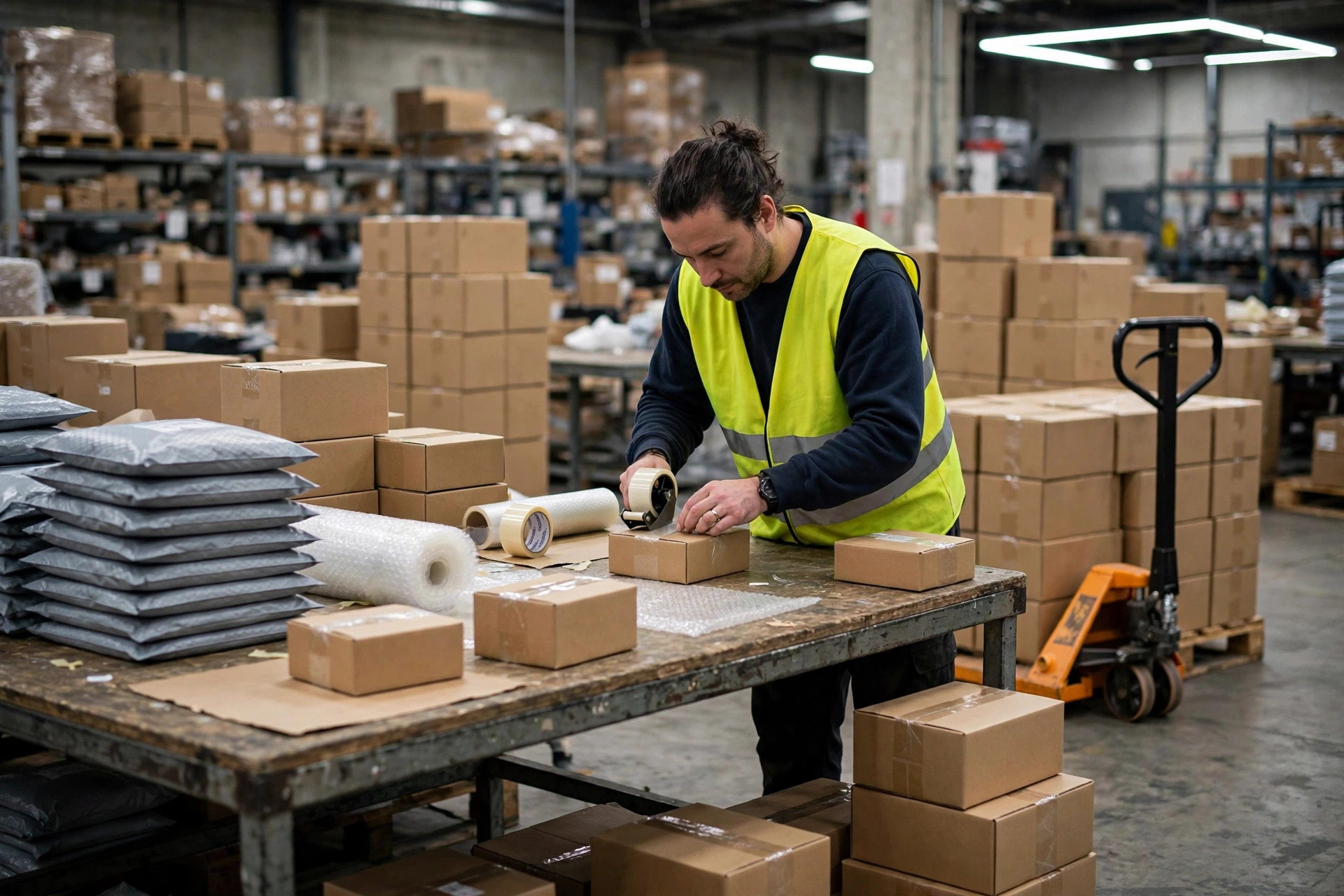
Semi-managed flips it: the seller stocks a U.S. overseas warehouse and sets their own prices, while the platform handles traffic and marketing, with last-mile delivery through the platform's logistics partners. Pricing power is back in your hands, but inventory, shipping speed and stock turnover are all your responsibility.
Here is my own experience. In 2024, I had a home storage product on fully-managed fulfillment where the supply price left me under twenty percent gross margin, and one big promotion repricing wiped that margin into negative territory, with no button for me to refuse. After switching to semi-managed in late 2025, the same product's pricing was mine again and margin came back to around thirty percent. But the cost was real: I rented shared space in a small California warehouse with a fixed monthly rent, stocked two thousand units, and tied up tens of thousands of dollars in inventory. If it does not sell, that money is mine to lose.
| Comparison | Fully managed | Semi-managed |
|---|---|---|
| Pricing power | Platform sets the price | Seller sets the price |
| Stocking duty | Ship to the platform's domestic warehouse | Seller holds U.S. inventory |
| Shipping speed | Platform handles it | Seller is responsible; Temu semi-managed generally requires shipping in 0–2 business days and delivery in 5–7 business days |
| Payment cycle | Platform settlement cycle | Platform settlement, but higher inventory capital lock-up |
| Fulfillment cost structure | Low cost, thin profit | Warehouse rent + stock capital + last mile: higher cost, bigger margin room |
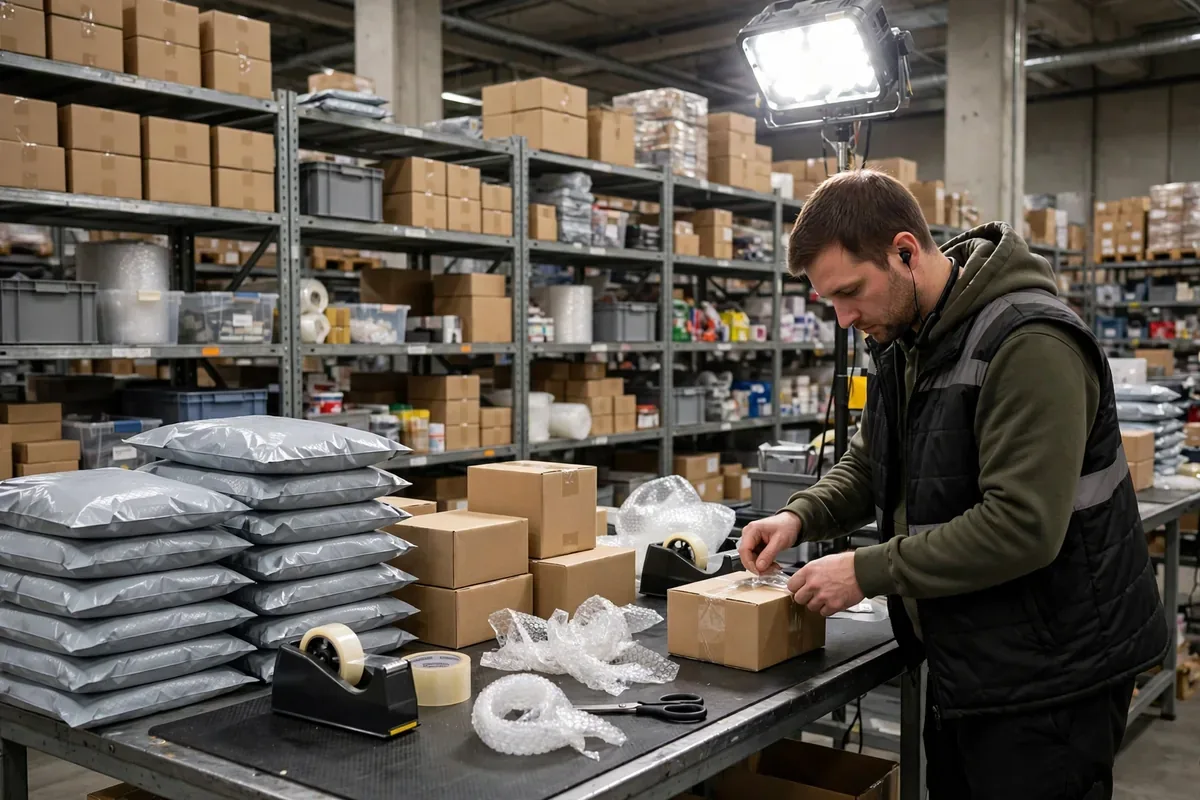
Late shipment rate deserves its own paragraph. Temu semi-managed is strict about speed, and a high late-shipment rate gets your listings demoted, which cuts traffic in half overnight. A seller I know was short-staffed in early 2026, shipped a dozen orders late in one week, and watched store traffic drop forty percent. It took two months to climb back. Semi-managed is not "stack the goods in a warehouse and forget it." Speed is your lifeline.
Where Semi-Managed Money Actually Goes
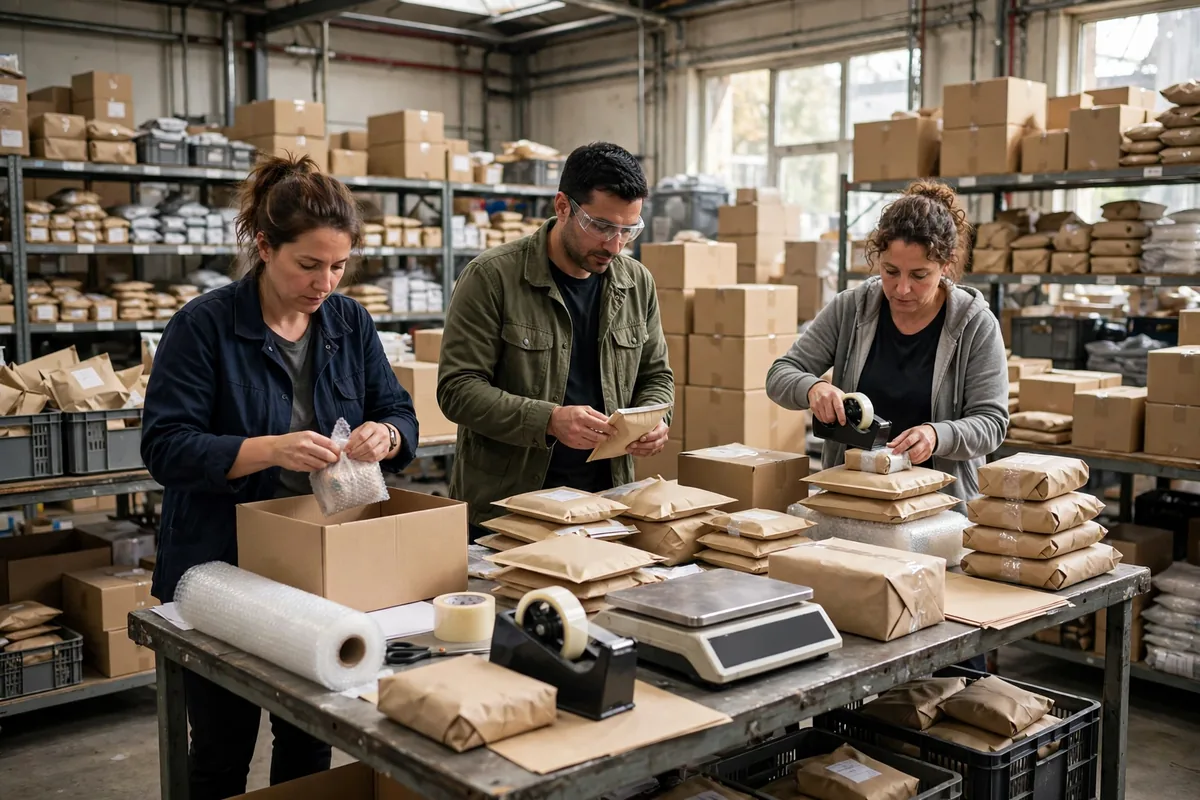
The semi-managed bill splits into four parts. First, inventory capital: goods sitting in a U.S. warehouse are dead money if they do not sell, and the cost of picking the wrong product is far higher than under fully-managed. Second, warehouse rent and handling fees: shared warehouses charge by pallet or by unit, and rates can rise in peak season. Third, last-mile delivery: the platform's partner logistics are usually cheaper than what you can negotiate yourself, but oversized items and remote areas still cost extra. Fourth, returns: U.S. return rates run much higher than direct-from-China shipping, and whether returned goods can be resold decides how much profit that line eats.
My own approach: test new products in small batches, use fully-managed to validate the listing, and only switch to semi-managed to scale once the data looks good. Never bulk-stock a new product just because the unit price looks cheap. Half the traps in semi-managed sit in the stocking step.
Here is the counterintuitive part: semi-managed looks like the platform giving power back, but it is really the platform shifting risk and cost onto sellers. The platform saves inventory capital and stock risk, and sellers get pricing power and a higher margin ceiling. Whether that trade is worth it depends on whether you can manage inventory and speed. Without that ability, the higher semi-managed margin is only a number on paper.
Which Model? Three Questions
First, your capital strength. If you can afford the stocked inventory and survive a month or two of slow sales, then talk about semi-managed. Second, your supply chain responsiveness. Can you restock within two weeks? If not, a stockout and demotion hurt worse than thin fully-managed margins. Third, your category. Standardized products with high repeat purchase and low return rates work well semi-managed; non-standard, seasonal, high-return products are safer under fully-managed, where at least you can sleep at night.
One more thing most people overlook: overseas warehouse location. A California warehouse covers the West Coast fast and the Midwest and East Coast slowly; a central warehouse costs less per unit but is not excellent anywhere. My rule is to look at my own order distribution first and put the main warehouse where the orders concentrate. Do not believe a warehouse provider boasting "three-day delivery across America." That promise depends on where your orders come from.
Returns are the line semi-managed sellers underestimate most. My own mistake was letting returned goods pile up in the warehouse with nobody sorting or inspecting them. Three months later, nearly half could no longer be resold. Now my warehouse agreement includes a returns process: every return gets graded within 48 hours of arrival, resellable units go back on the shelf, lightly flawed units go to clearance pricing, and dead units get written off. Grading feels like extra work, but it turns return cost from "write off the whole order" into "discount part of it," and that saves real money per order.
Inventory turnover has to be in the math too. Semi-managed stock sitting in a U.S. warehouse is pure cost when it moves slowly. My red line is never stocking more than sixty days of sales for a single item; beyond that, cut the price and clear it, do not wait. In early 2026 I stocked ninety days of a home product, the platform changed a category rule, traffic fell by a third, and it took almost four months to clear. The capital cost ate the entire profit on that order. In semi-managed fulfillment, more inventory is not safer. More accurate inventory is safer.
Here is the honest truth. After the duty-free era ended, no model lets you make money lying down. Fully-managed is easy but thin; semi-managed is free but risky. Picking the wrong model costs more than picking the wrong product. This is what I tested myself: run a small batch through the full chain first, then decide on scaling. Never put your whole bankroll into one warehouse on day one.
By Ah K, E-commerce Seller (5 yrs)