At the end of last year, a friend of mine who sells small home goods called me, buzzing. He had switched to Temu full-managed and his orders tripled in a month. I asked him how much money he had actually made. Long silence. Then: "Orders are up. The bank balance... not so much."
I know that feeling too well. Full-managed versus semi-managed looks like a shipping choice on the surface. In practice, it is a choice of lifestyle. One hands all the warehouse work to the platform. The other keeps all of it on your desk. Pick wrong, and the more you sell, the faster you bleed.
Temu Full-Managed: Easy, Yes. Cheap, No.
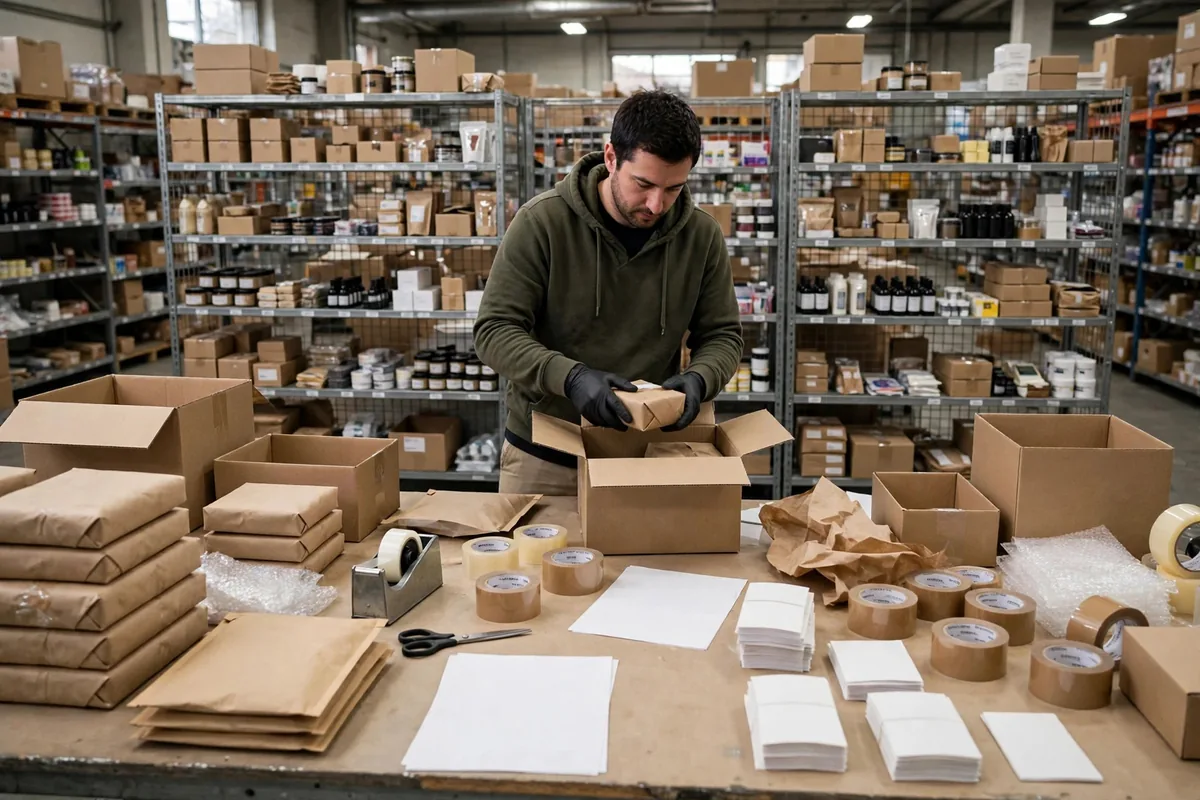
Full-managed is simple: you supply the goods, and the platform does the rest — pricing, selling, shipping, after-sales. You send your stock to the platform's domestic warehouse and stop worrying. It sounds like a gift, especially for a new seller. No overseas warehouse to rent, no last-mile delivery to manage, no waking up at 2 a.m. to deal with returns.
My first batch of goods went full-managed. I had one storage box product, and I handed everything over to save trouble. Orders took off fast. The platform gave me traffic and promo slots, and on days when a few hundred orders came in, I thought I had made the right call. Then the month-end statement arrived, and my heart sank. I did not control pricing. The platform cut prices whenever it wanted, pushed promo prices lower and lower, and my margin got thin as paper. Worse, once your goods sit in the platform's warehouse, the rhythm is no longer yours. Which product sells well, how much to restock, when to restock — all of it follows the platform's mood.
There is another trap new sellers walk straight into: returns and damage are accounted for in finer detail than you expect. If something goes wrong with your goods inside the platform's warehouse, there is very little room to argue about whose fault it was. You think you saved on warehouse work. In reality you paid for it in a different currency — your pricing power and your margin.
Temu Semi-Managed: Freedom, With a Warehouse Attached
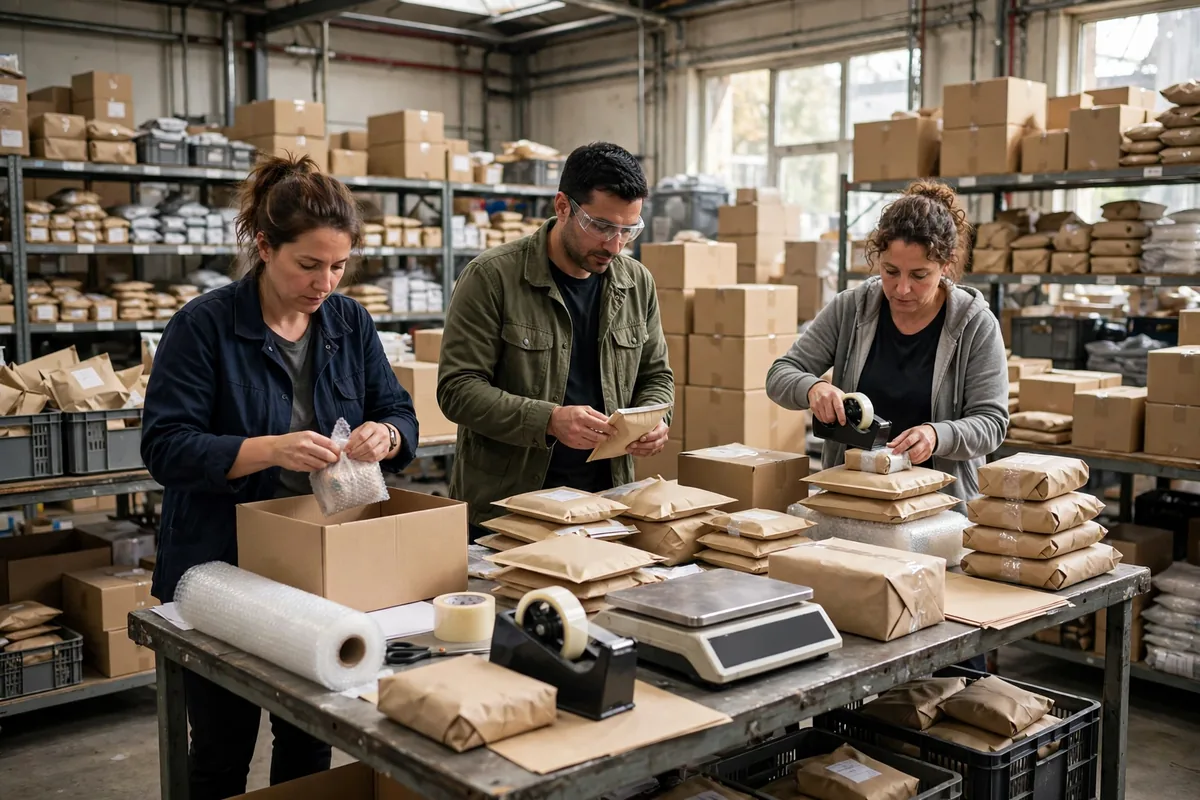
Semi-managed flips it around. The platform sells; you handle everything else. You stock your own overseas warehouse, manage your own inventory, ship your own last mile, and process your own returns. You set the price. You can see the profit. Sounds great, right?
It is great. It is also exhausting. Last year I moved a core product to semi-managed and tripped in the first week: the overseas warehouse count did not match my back end, off by a few dozen units, and a promo landed right on top of it. Two days out of stock. The platform does not care what happened inside your warehouse. Out of stock is out of stock, and the traffic disappears with it.
Semi-managed warehouse costs are all out in the open. Overseas warehouse rent, inbound fees, outbound handling fees, last-mile courier rates — you negotiate every line and pay every line yourself. When your volume is small, you have no leverage at the table, and your last-mile rates run noticeably higher than the big sellers'. When volume grows, inventory becomes the new headache: stock too much and your cash is trapped; stock too little and you go out of stock. I know a pet supplies seller who stocked two months' worth of goods ahead of peak season, then the platform changed its promo schedule, and the stock sat in the warehouse. Rent alone ate a whole quarter's profit.
So What Does One Order Actually Cost?
Feelings do not settle this. Math does. The table below is built from my own books. I am not writing down specific platform rates here — check the platform's official site for the latest policy. What matters is seeing clearly who pays each cost and who controls it.
| Cost item | Full-managed | Semi-managed |
|---|---|---|
| Warehousing | Ship to the platform's domestic warehouse; done | You pay overseas warehouse rent and handling |
| Last-mile delivery | Covered by the platform | You negotiate courier rates; small volume means no leverage |
| Returns | Platform handles it, platform sets the rules | You handle returns, refurbishment, or write-offs |
| Pricing power | The platform decides | You decide |
| Inventory risk | Drops off once goods reach the platform warehouse | Sits with you; too much or too little both hurt |
| Cash flow | Settlement follows platform rules | You fund stock upfront; the pressure is yours |
Take my storage box as an example. The same product sold roughly 3,000 units a month under full-managed, with thin per-unit profit, and roughly 1,500 units a month under semi-managed, with fatter per-unit profit. At month end, total profit came out about the same. But on the semi-managed side, I spent at least half my time again on warehouse work — reconciling stock, chasing logistics, handling returns. Time is a cost too, and most sellers never put it in the spreadsheet.
Here is the counterintuitive part: full-managed looks like the easy option, but the most expensive thing about it is the pricing power you give away. Semi-managed looks like the free option, but the most expensive things about it are the inventory sitting in your hands and the hours it eats. The cheap model is never one or the other. It is whichever one you can actually carry.
Which One Should You Pick? Look at the Cards in Your Hand
I do not do one-size-fits-all. Just starting out, no overseas warehouse, testing a new product? Go full-managed and get volume moving first. Got a stable supply chain, a clear grip on warehouse costs, and overseas warehouse capacity in hand? Go semi-managed and keep the profit yourself. Already have a bestseller running on full-managed? Do not switch everything at once. Move one product to semi-managed as a trial, compare a full month, then decide. Short on cash? Work out the upfront stock funding for semi-managed first, and do not let inventory strangle your cash flow.
These days I run both legs: new products go full-managed to test the market, and the ones that prove themselves move to semi-managed to earn their profit. This setup works for me — I have tested it myself. But it only works on one condition: do the warehouse math first, then move.
By Ah K, E-commerce Seller (5 yrs)