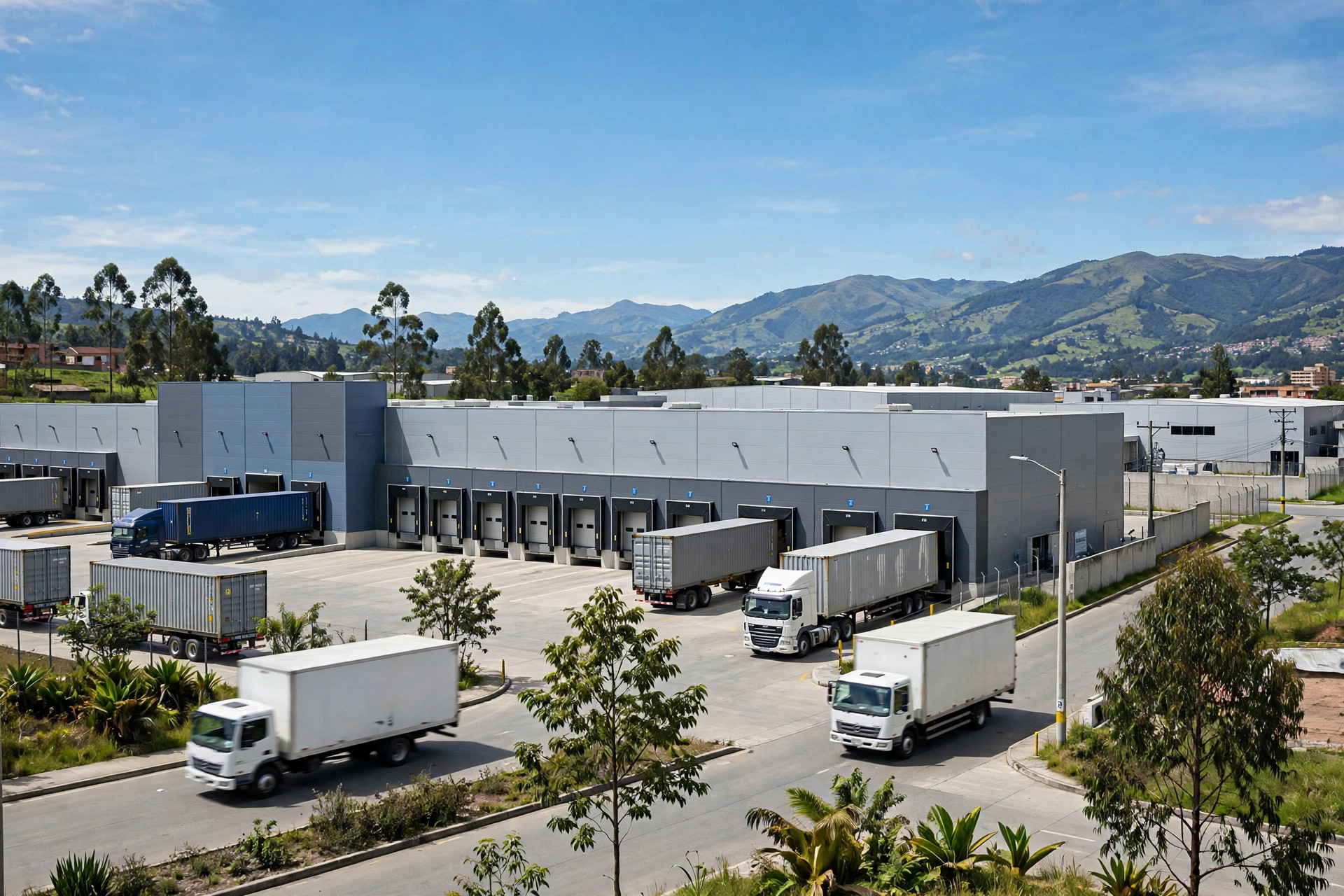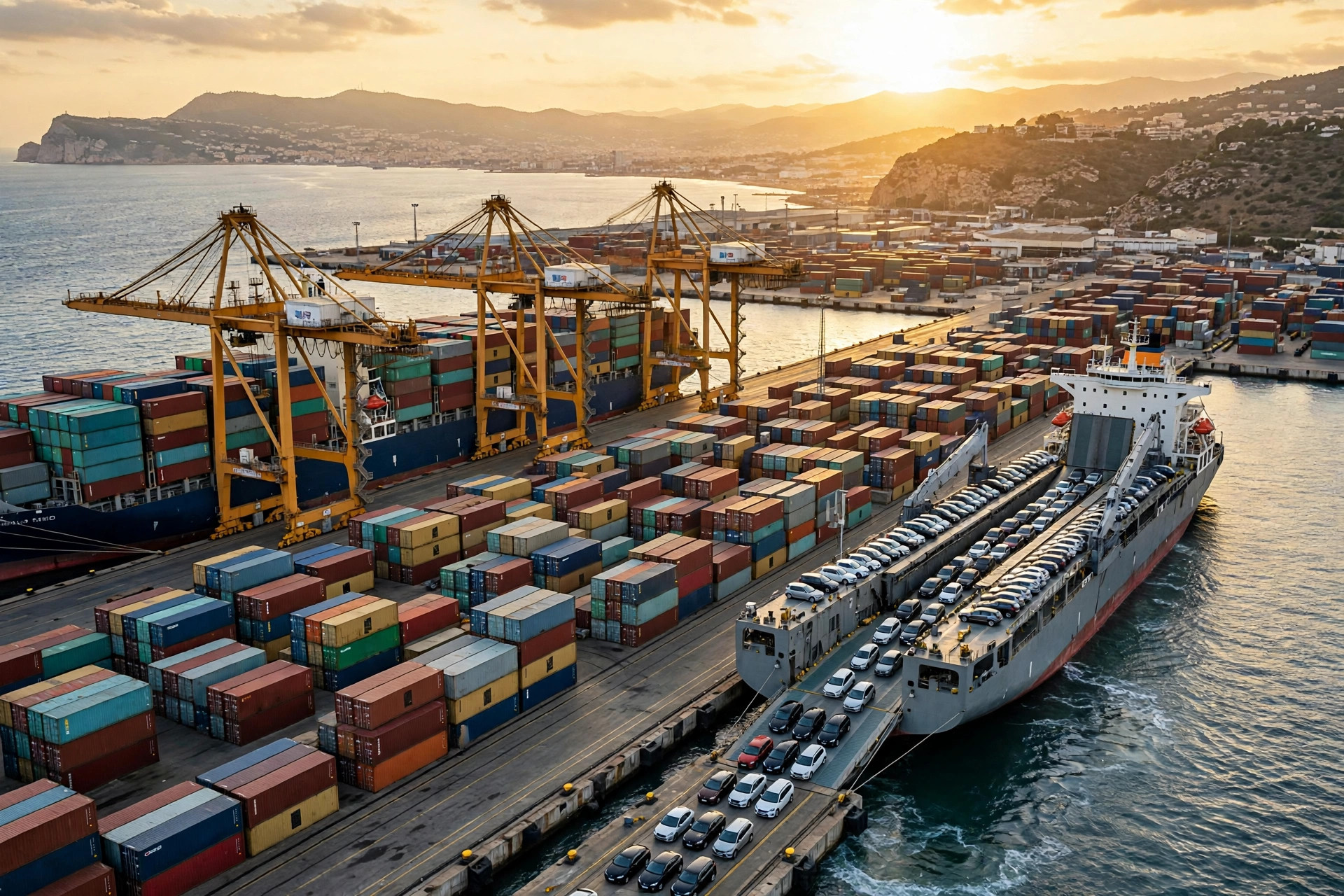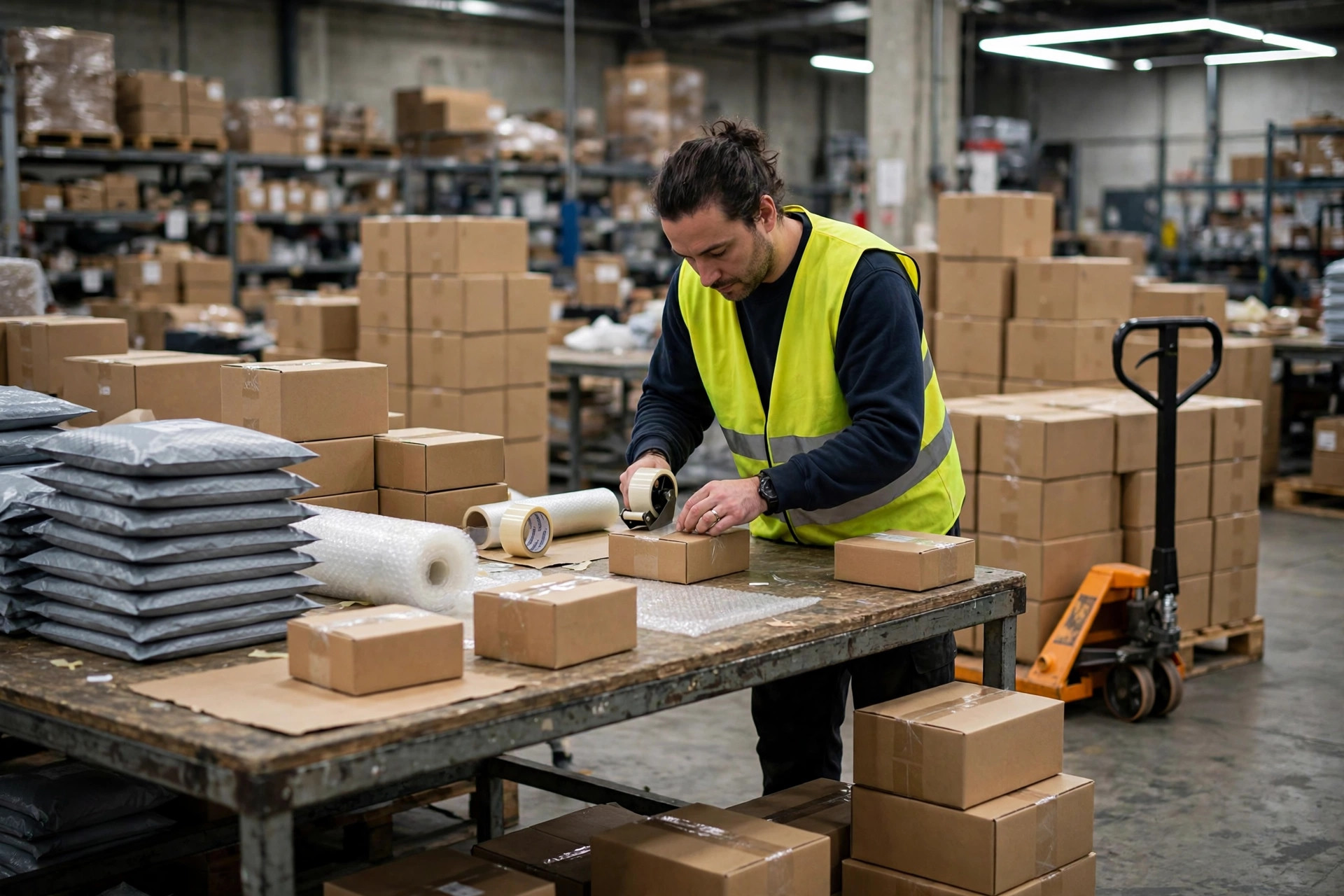
Three sellers asked me the same question this month: "Lao Mi, I'm doing fine on fully-managed. Should I switch to semi-managed? I hear it saves a lot of money."
One of them moves hundreds of thousands of orders a year in women's apparel out of Shenzhen. Another is just getting started, doing two hundred orders a day in small home goods. My answer surprised both of them: you're asking the question backwards. It's not about whether semi-managed saves money. It's about whether your products deserve to have the platform stop worrying for you.
Fully-managed and semi-managed look like two onboarding options. They're actually two different businesses. In one, you supply the goods and the platform handles everything else. In the other, the platform hands you traffic and you figure out — entirely on your own — how the goods reach an American doorstep. The moment you switch, the math on your warehousing and fulfillment costs changes completely.
First, the Ledger: Who Pays, and Who Does the Work
Under fully-managed, a seller ships goods to the platform's consolidation warehouse in China, and that's where your job ends. Pricing, cross-border freight, customs clearance, US last-mile delivery, customer service — all the platform's problem. You care about exactly one number: your supply price. Whether the platform makes or loses money on shipping has nothing to do with you. Temu built its empire on this model; before semi-managed went live on the US site on March 15, 2024, every seller on the platform worked this way.
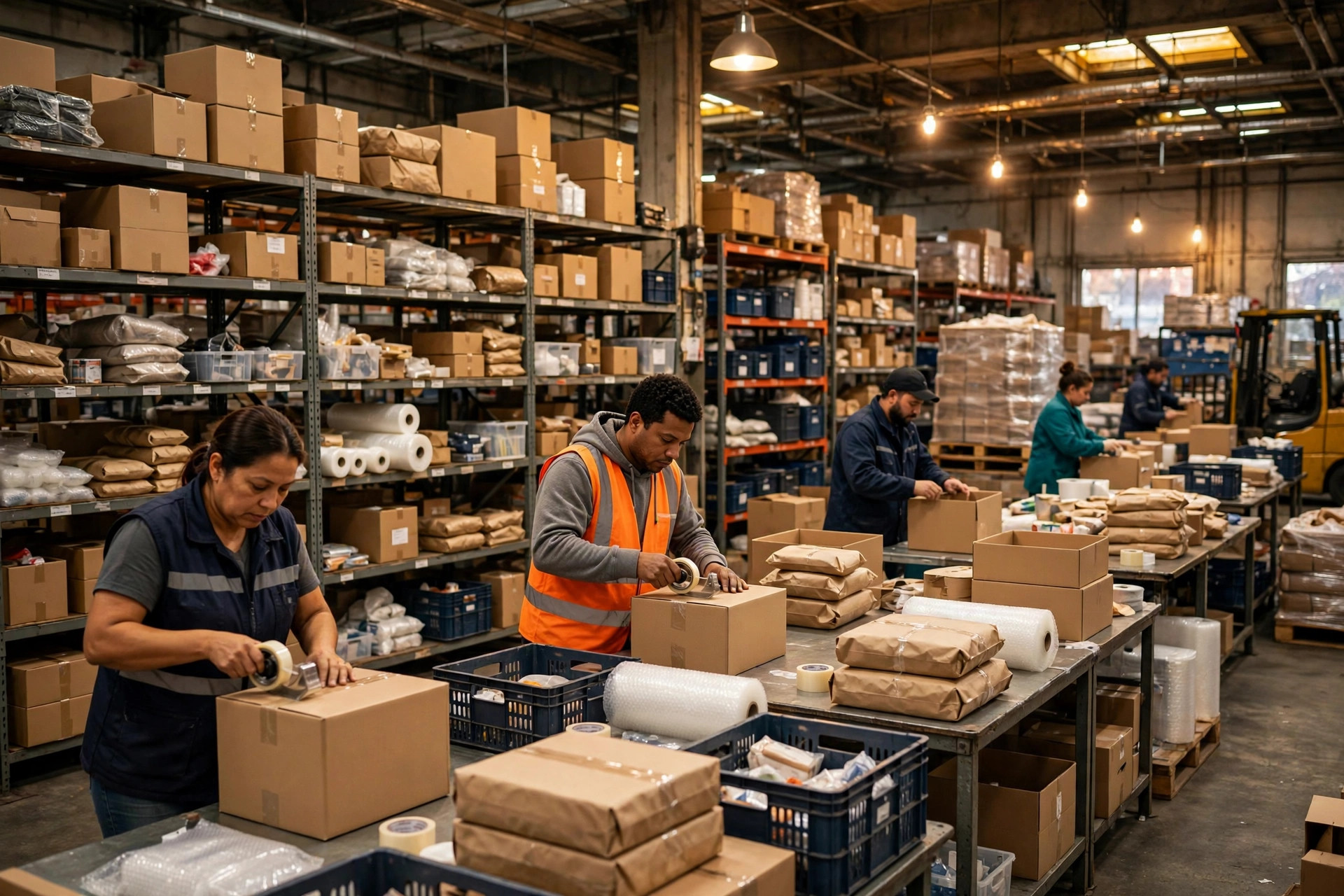
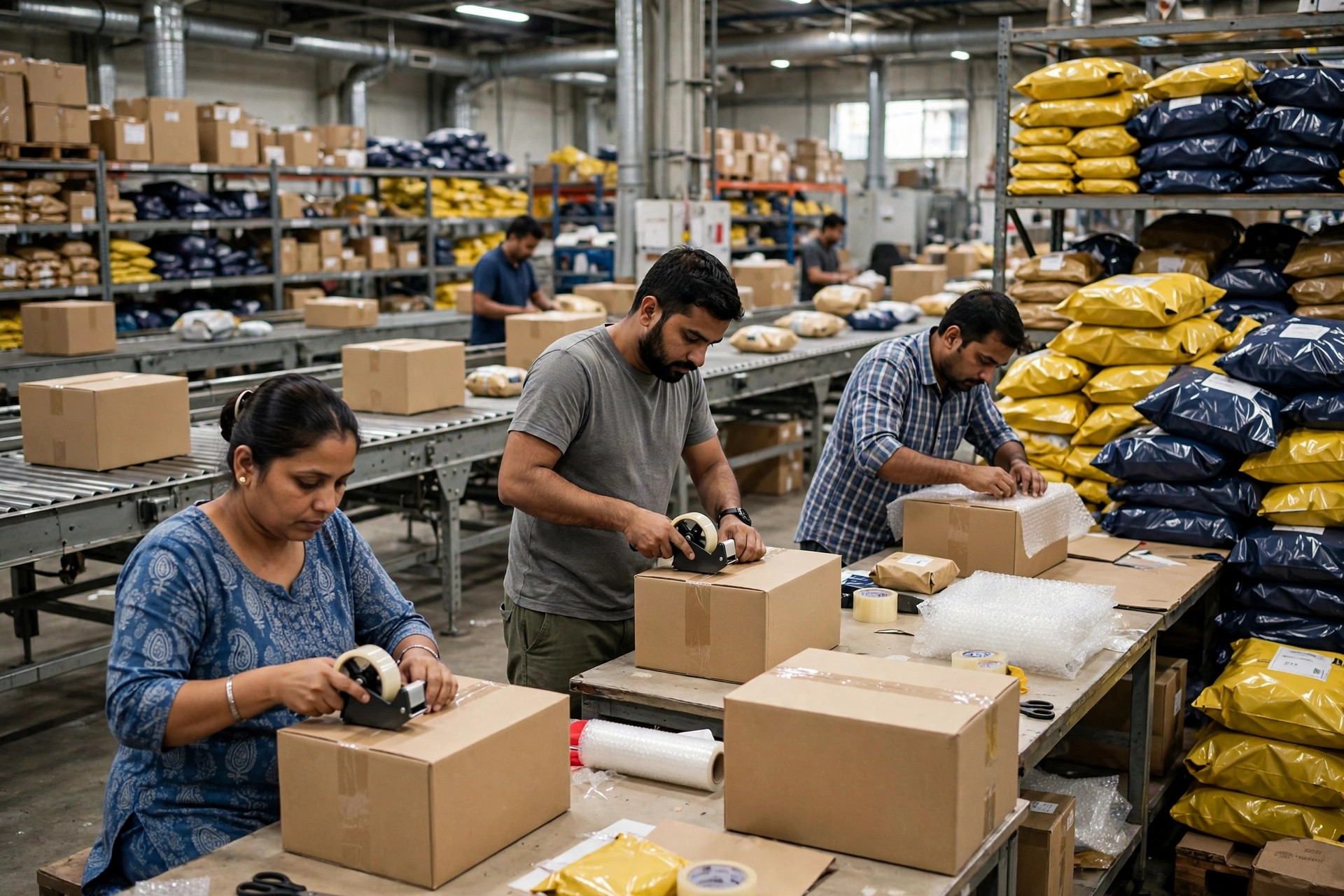
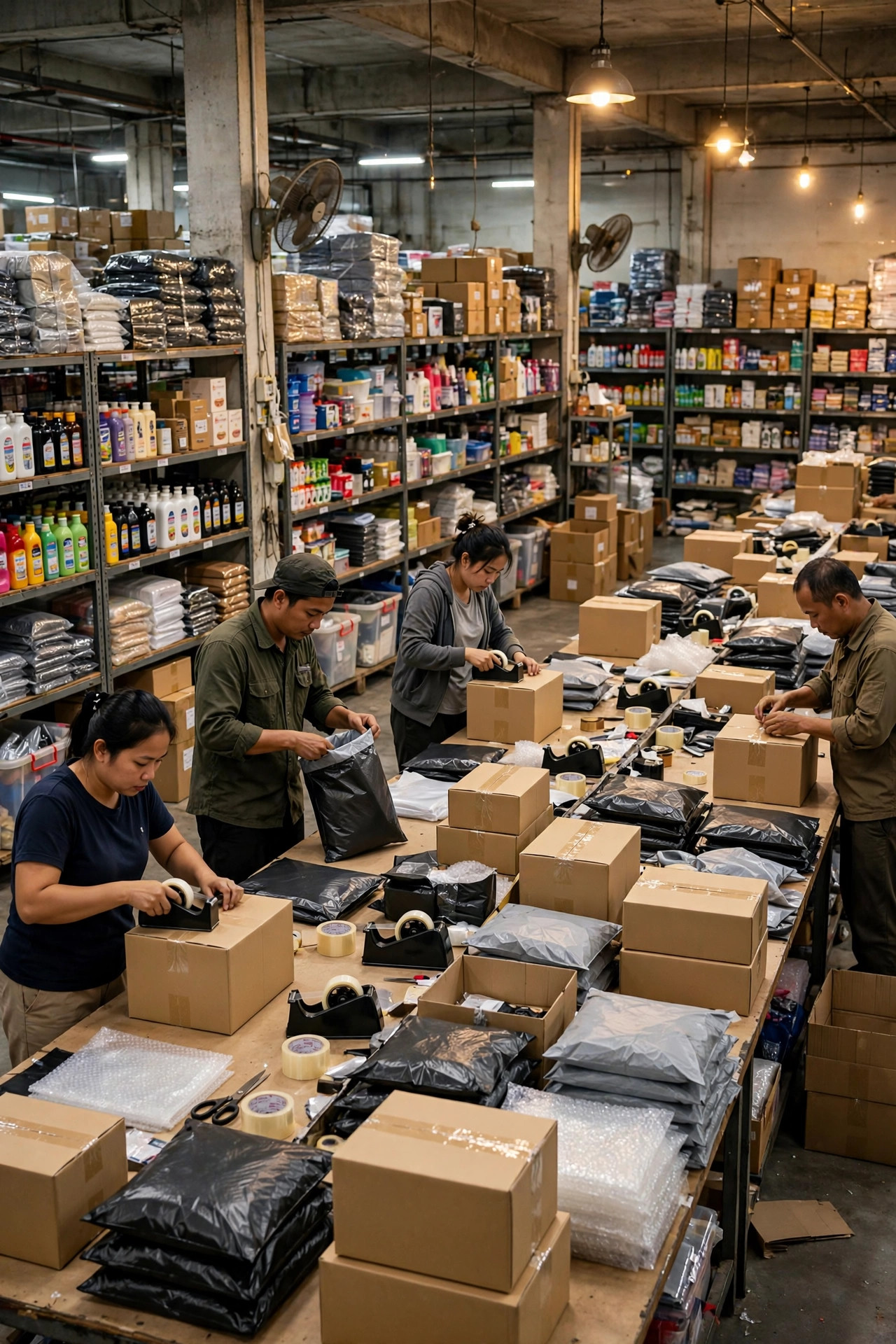
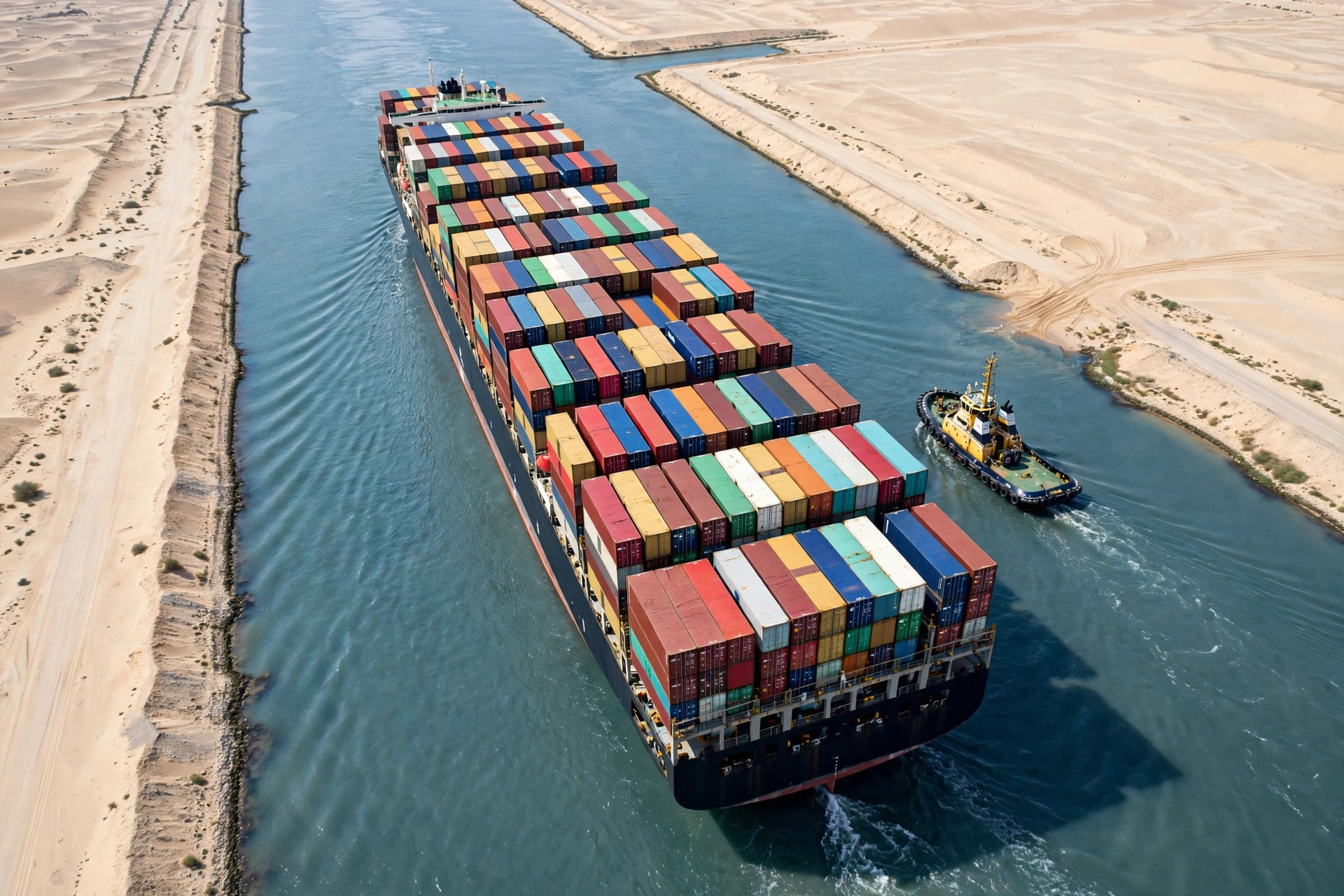
Semi-managed flips it. You ship your own goods by ocean freight to a US warehouse — your own 3PL or one of the platform's partnered facilities — and when orders come in, you pick, pack, and ship. You negotiate your own last-mile rates. The platform does one thing: sends you traffic and orders. Warehousing, fulfillment, returns — that's your territory now.
So the real difference between the two models was never about commission rates. It's about where inventory ownership and fulfillment liability sit. Fully-managed means the platform carries your inventory risk. Semi-managed means that risk lands, whole and undivided, on your shoulders for the first time. Get this straight, and the rest of the math starts making sense.
The Four Costs Nobody Puts on the Quote
Most sellers do this math before switching: ocean freight is cheaper than air, US warehouse rent looks reasonable, grab a carrier account for last-mile, done. Then reality hands them a ledger with four line items that never appeared on any quote.
The first is inbound freight plus rent — and the nature of the cost changes entirely. Under fully-managed, your logistics cost was purely variable: one order, one slice of cross-border freight; no orders, no spend. After switching, you pay for the ocean container upfront and the warehouse charges you monthly whether you ship or not. Your cost structure goes from "moves with volume" to "fixed overhead with volume on top." Those two slow months? The inventory sitting in the warehouse is burning cash just by existing.
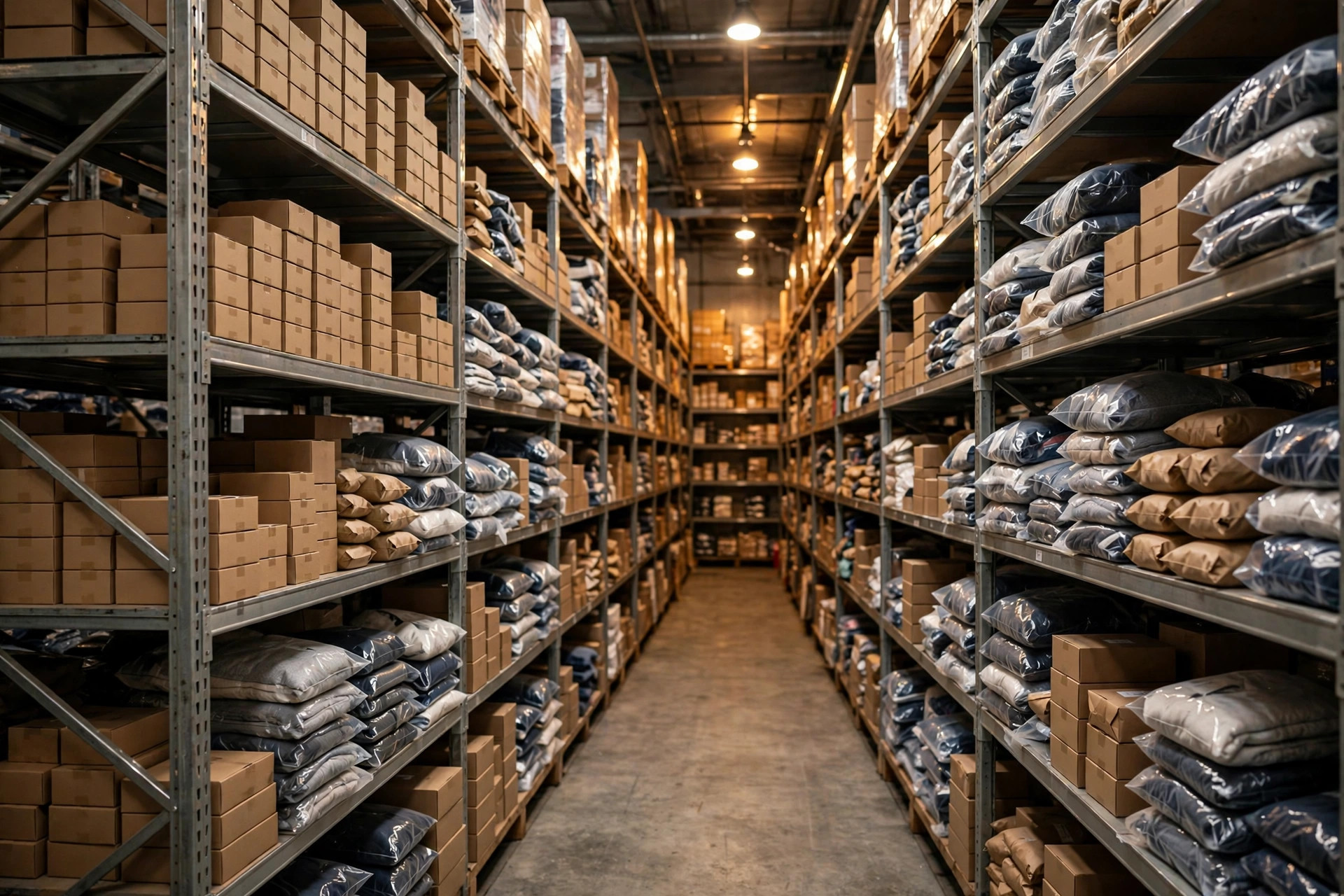
The second is the working capital locked in safety stock, and it's the most underestimated line of all. Fully-managed meant small, frequent replenishments to a domestic warehouse — fast cash turnover. Semi-managed? Ocean transit alone takes about a month, and you can't afford to stock two weeks of inventory, because one stockout tanks your listing momentum, and recovering it costs more than the extra inventory would have. So your first shipment has to cover six to eight weeks, maybe a full quarter. Tens of thousands of dollars of goods, sitting quietly in a California warehouse. That money has a cost — you just never had to calculate it before.
The third is last-mile bargaining power. Under fully-managed, the platform pooled millions of sellers' parcels and negotiated wholesale rates with carriers. You switch to semi-managed doing a few hundred orders a day, and you can't even get a seat at the negotiating table with UPS or FedEx — you're paying retail. I've watched more than one seller discover their per-parcel last-mile cost came out higher than what the platform used to charge them. Volume is the only currency in carrier negotiations. No volume, no rate.
The fourth is reverse logistics — the line item that breaks people. Fully-managed returns disappeared into the platform's system; out of sight, out of mind. Semi-managed returns come back to your US warehouse: unboxing, inspection, refurbishing, relisting, and eventually liquidating what won't sell again. Every step is labor and money. Apparel return rates are brutal to begin with, and once sellers actually run this math, a lot of them go quiet.
Two Hundred Orders a Day and Twenty Thousand Are Different Sports
So who belongs where? My rule is blunt: it depends on your scale, and even more on your product.
A few hundred orders a day or less, or new products still in testing — stay on fully-managed. Your job right now is answering "can this product sell," not "how do I fulfill it optimally." Fully-managed means zero inventory risk and the cheapest possible product testing. Every dollar of experimentation cost you save at this stage is worth more than any freight differential.
Several thousand orders a day with two or three proven winners — semi-managed starts paying off. The logic is simple: inventory in a US warehouse cuts delivery from one to two weeks down to a couple of days, and conversion and repeat purchase visibly climb. More importantly, some products can't do fully-managed at all — bulky goods, heavy items, products with batteries. Fully-managed was built for small, light, standardized SKUs; that's the model's natural boundary. If your products fall outside it, semi-managed isn't a choice. It's the only door.
The painful middle is a few thousand orders a month — too big to ignore, too small to be comfortable. My experience says look at two metrics: average order value and return rate. High ticket, low returns — the fixed costs of semi-managed spread thin, and the switch is worth it. Low ticket, high returns — reverse logistics will eat every dollar you saved on freight, and the switch buys you nothing but work. Don't switch just because everyone else is. Run your own numbers first.
Before You Switch, Pass Your Own Three Gates
If you do decide to switch, three things have to happen first, in this order.
First, don't move the whole warehouse. Pilot with 20% of your SKUs. Run it for two months, get real numbers on rent, last-mile, and returns, then decide what happens to the other 80%. Discovering your math was wrong after a full migration is a much more expensive lesson.
Second, model your overseas safety stock separately. Ocean replenishment cycles run a month or longer — a completely different animal from fully-managed restocking. Stockouts damage your listings; overstocking damages your cash flow. Both cost money. Be conservative on the first shipment. I've seen too many sellers kill themselves with their very first stocking order.
Third, write your returns SOP before your first order ships. Who handles local returns, what the inspection standards are, which channels take refurbished goods, how often dead stock gets liquidated — all of it decided before order number one goes out. Returns are the dirtiest, most exhausting part of semi-managed, and the easiest cost black hole to overlook.
One more piece of context worth stating plainly: on August 29, 2025, the US ended the $800 duty-free de minimis exemption for all countries. The old playbook of duty-free cross-border small parcels is gone, and "ships locally from the US with duties already paid upstream" has flipped from a nice-to-have into a compliance advantage. Shein is already playing it this way — bestsellers ship from US warehouses with duties settled upstream, long-tail items still ship from China. Its own prospectus disclosed that over 90% of its 2025 net revenue still came from goods shipped out of its central China warehouses, but the direction of travel is set. Semi-managed is built for exactly this new reality.
Here's the counterintuitive part I'll leave you with: the biggest cost of semi-managed was never rent or freight. It's that your inventory belongs to you for the first time. Under fully-managed, when a product stalled, it sat in the platform's domestic warehouse, and the platform was more anxious than you to clear it. Under semi-managed, when a product stalls, tens of thousands of dollars of your goods lie in a California warehouse, rent due monthly, returns piling up with nowhere to go. So stop asking which model is cheaper. Ask yourself one question first: are you willing to bet real inventory dollars on your own product judgment? If yes, go semi-managed. If not, stay on fully-managed with zero shame. Knowing which game you're actually equipped to play — that's the whole decision.