Malaysia palm oil export storage comes down to this: look at the tank first, the vessel second, and the price last. By the time crude palm oil leaves a Sabah mill and reaches a bulk terminal at Port Klang, quality, quantity, and temperature have mostly been decided at the tank farm. Get tank handling wrong, and no amount of effort at the berth will buy the quality back. I have seen too many exporters treat palm oil storage as ordinary liquid storage, assuming a bigger tank farm means a safer operation, and then lose money on inspection disputes and missed sailings.
Malaysia Palm Oil Export Storage at the Mill: The Intake Test Decides Everything
Put plainly, intake testing is where an export shipment is won or lost. At a mid-sized Sabah mill whose tank farm I followed for a full week, oil came in during the morning, samples went to the lab in the afternoon, and reports came back in the evening. That rhythm matters. Free fatty acid, moisture, and impurities are judged against the contract and the inspection requirements for that shipment. They are not judged against another buyer's contract, and they are certainly not judged by colour or smell at the tank hatch.
Sampling position matters as much as sampling itself. Oil at the top, middle, and bottom of a tank can differ, so a surface sample alone tells only part of the story. Intake records must be tied to the lab report: date, tank number, fruit batch, laboratory reference, and result. Leave one of those out, and a later quality dispute becomes unanswerable. Nobody can say with confidence whether the problem arose at the mill, in transit, or in storage.
One detail gets skipped more than any other: residue from the previous cargo in the tank. When a tank is not properly cleaned and checked before new oil goes in, the new oil inherits the old oil's profile, and a clean-looking lab report describes a mixture, not the new batch. Clean the tank, verify the tank, record both steps, and only then take in new oil. Compressing that sequence to keep production moving is a false saving. The cost reappears at the port, where a failed check is far more expensive than a delayed intake.
Malaysia Palm Oil Export Storage and Tank Turnover: Heating Is a Cost and a Quality Factor
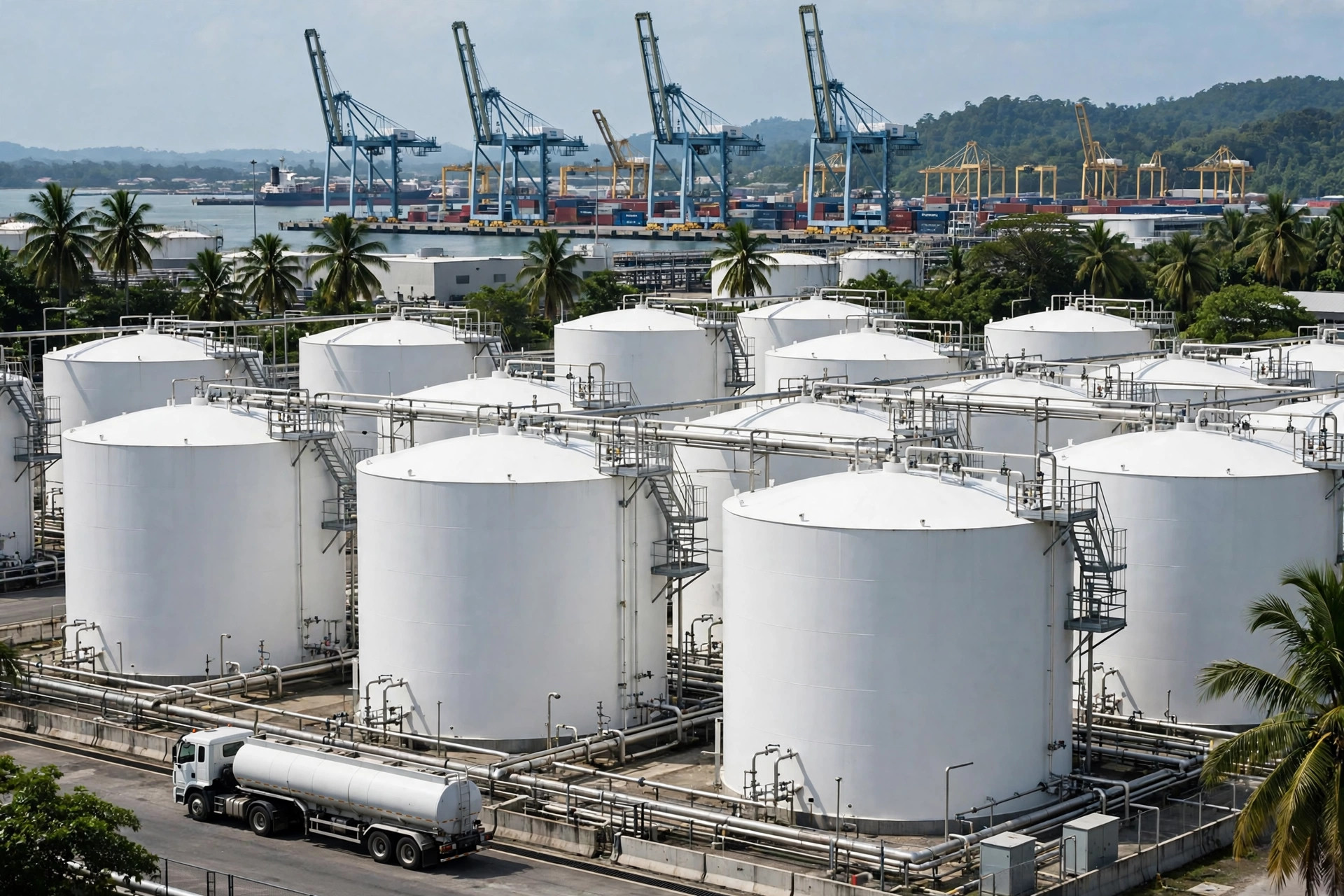
This cuts both ways. Palm oil solidifies at ordinary ambient temperatures, so tank farms heat and insulate to keep oil pumpable. Heating costs energy. Overheating, or heating unevenly, harms quality. Saving on energy by cutting heat, or spending freely on heat without control, can both damage the shipment. Managing a tank farm means managing temperature curves and turnover rhythm, not turning the heaters to maximum and walking away.
Two rules hold a tank farm together. The first is first-in, first-out applied to tank numbers, not just to the books. When the books say first-in, first-out but operators draw from whichever tank is convenient, one tank quietly ages longer than the rest, and quality risk concentrates exactly there. The second is regular inspection of heating lines and insulation. A tank with damaged insulation loses far more heat in wet or cool weather, and the energy bill shows it. At one plant I visited, two neighbouring tanks held similar oil, yet their heating energy differed noticeably. The investigation ended at a damaged insulation layer, not at the oil.
The comparison below shows how the same four jobs look under loose handling versus disciplined handling. The difference is rarely equipment grade. It is whether daily actions actually happen:
| Job | Loose handling | Disciplined handling |
|---|---|---|
| Intake testing | Surface sample only | Multi-point sampling, report tied to tank number |
| Tank cleaning | Judged by eye | Clean, verify, and record before intake |
| Turnover | Draw from the convenient tank | First-in, first-out by tank number, with regular tank-age checks |
| Heating and insulation | Heaters at maximum, unchecked | Temperature controlled to the oil's condition, insulation inspected regularly |
Port Klang and Johor Bulk Terminals: The Loading Connection in Malaysia Palm Oil Export Storage
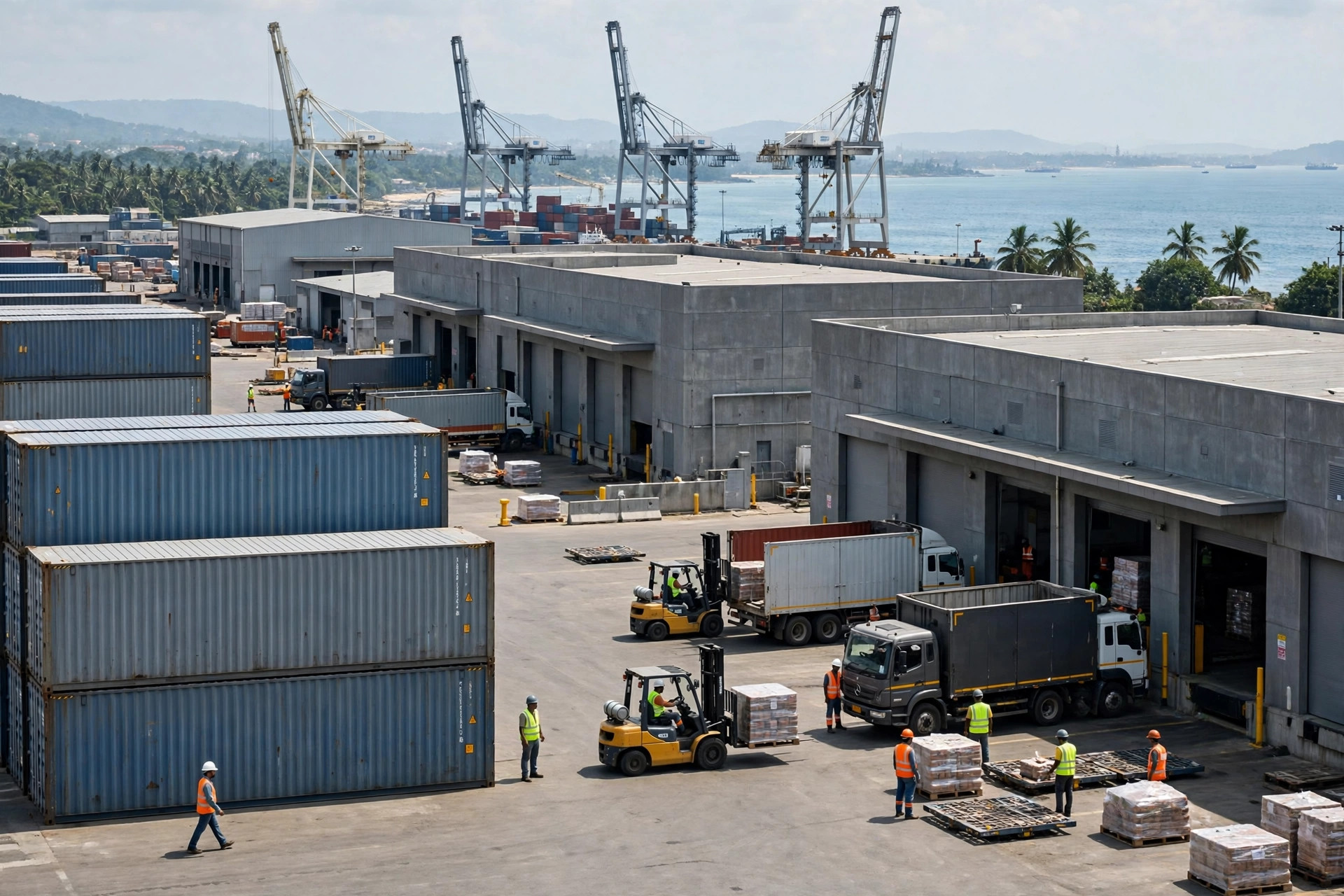
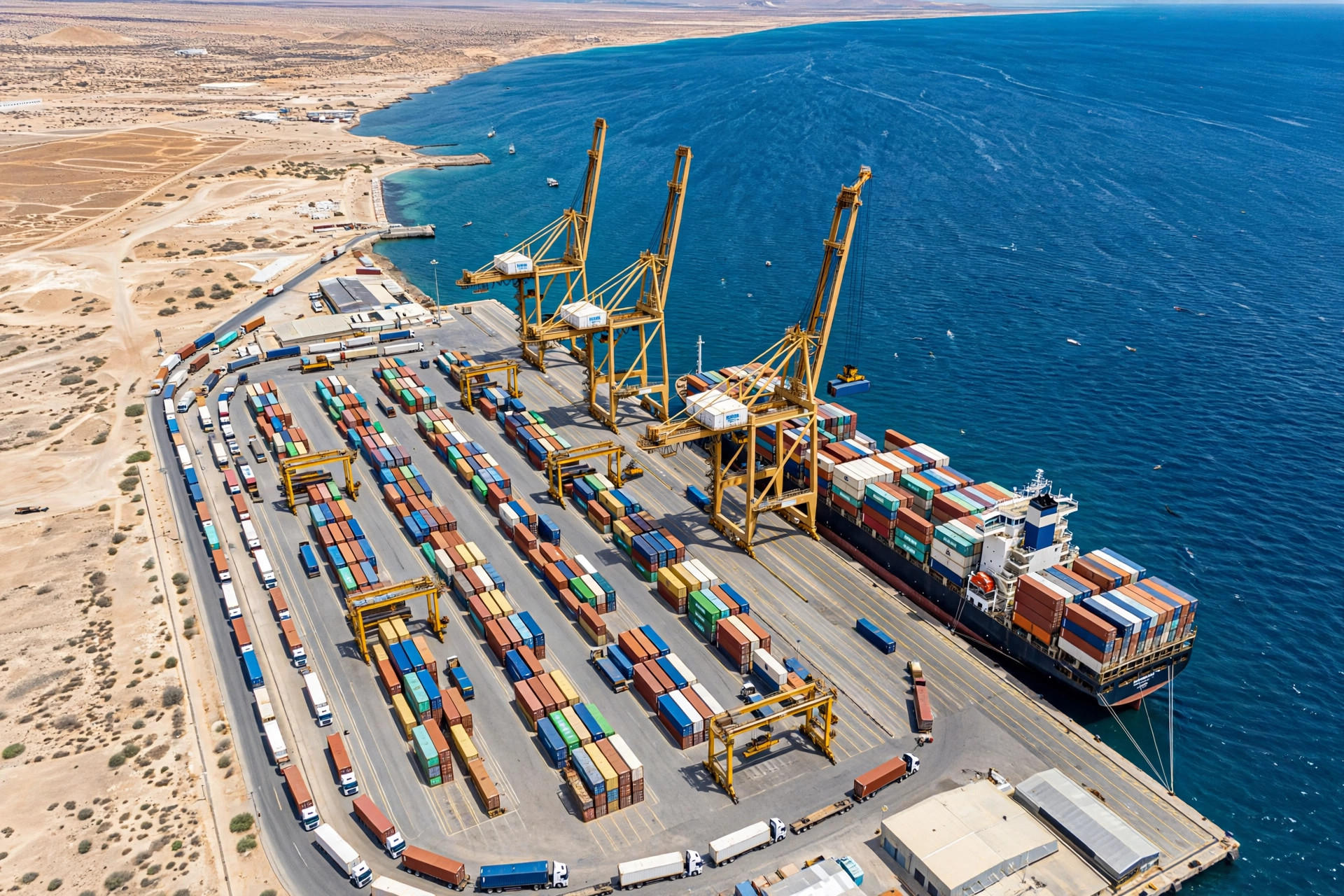
From mill to port, the connection point is the terminal tank farm and the loading lines. The Johor port area is a major palm oil terminal region in Malaysia, and Port Klang also handles bulk oil loading. In general terms, a terminal's tank turnover capacity and loading rhythm decide whether a shipment meets its vessel. Before loading, three sets of numbers must agree: the mill's outbound laboratory report, the terminal's tank report, and the vessel's own sample. When they disagree, stop and investigate. Loading first and arguing afterwards puts the vessel, the cargo, and the schedule all at risk.
Loading has two classic failure modes. The first is residue and wrong valve switching in the loading lines. Residue from a previous cargo, or a valve opened to the wrong tank, shifts the whole vessel's profile. The second is timing. Vessel berthing, terminal readiness, and laboratory reporting must be sequenced backwards from the sailing date: inspection completion, terminal preparation, and inland or pipeline transfer, each with a buffer for retesting. A plan without a retest buffer has effectively removed the time needed to resolve a quality question.
I have seen too many exporters lose the same argument at the berth: the mill's test passed, the terminal's retest differed, both sides held their ground, and the vessel waited while charges accumulated by the day. In those disputes, the side with complete records wins the argument faster: sampling records, tank-number records, and line-cleaning records. The side relying on memory loses half the negotiation before it starts. Records do not prevent every dispute. They decide how quickly and cheaply a dispute ends.
The Counterintuitive Point: Bigger Tanks Do Not Always Mean Cheaper Storage
Most people assume larger tanks mean lower unit storage cost. That is only half true. A large tank turns over slowly, so oil sits longer, quality risk rises, and heating energy follows. Small tanks turn over faster, but the tank farm must clean, test, and record more often. The right tank mix follows shipment size and sailing rhythm, not a rule that bigger is better. Monthly shipment volume, single-vessel batch size, and testing turnaround should be worked out first, and the tank configuration should follow those numbers. Reverse the order, and reconfiguring a built tank farm costs more than building it right in the first place.
Before loading, one more checklist deserves its own pass: the quality terms, the inspection body, the sampling method, and the claim window in the contract. Each should appear in the shipment documents, not only in the sales contract. Warehouse, laboratory, and documentation staff should each own their part and sign for it. When a problem appears, the documents speak first, and people argue second. That checklist looks tedious. It is the cheapest way to align the mill, the terminal, and the buyer on the same basis. Aligned terms turn quality disputes from arguments into contract procedures, and procedures resolve far faster than arguments.
Palm oil export storage, in the end, is three disciplines: evidence at intake, turnover and temperature in the tank farm, and connection records at loading. Keep the evidence complete, the turnover steady, and the connection clean, and quality disputes shrink, sailings hold, and the accounts add up. Let any one of those disciplines slide on a "roughly good enough" basis, and the port and the buyer will collect the difference, with interest.
By Lao Mi, Supply Chain Veteran (20 yrs)