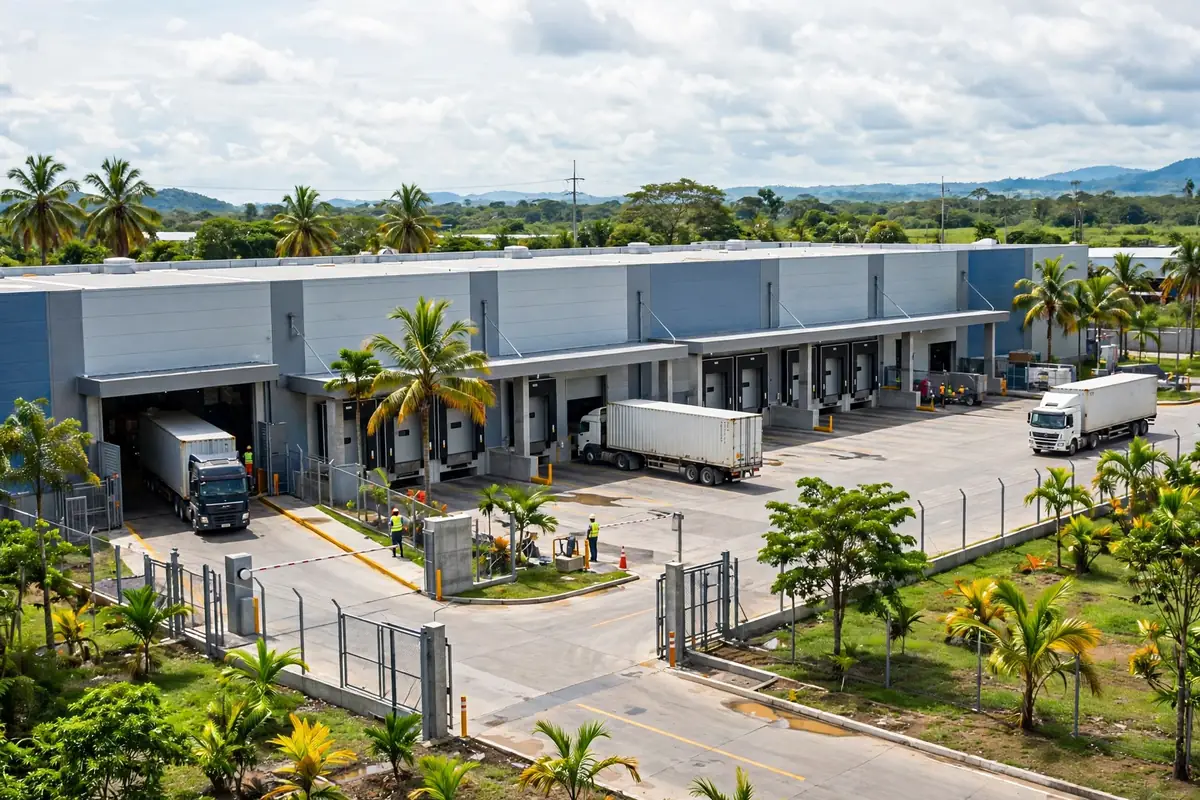
After all these years on the road, my first impression of Santa Cruz was not the warehouses. It was the roads. In Santa Cruz Bolivia urban warehouse distribution, rent is only a small part of the bill. The real money is eaten up by time on the road, mostly on the last mile. Goods from the farm belt outside the city have to come in, goods in the city have to fan out to the shops, and in between there are the ring roads, the farm corridors, and rain that starts whenever. One smooth run earns an extra loop that day; one stuck run burns fuel and rings the customer's phone.
Santa Cruz sits at the center of Bolivia's eastern grain and oilseed country. The goods come from the farms, the people live in the city, and the warehouses are stuck in the middle. Put your warehouse in the right place and your trucks stop running wasted miles. Chase the cheapest rent and the fuel bill and the lost hours will take that saving straight back. You measure it with your wheels.
In Santa Cruz, Look at the Ring Roads Before You Look at the Rent
Santa Cruz is built around ring roads, and goods from the farm belt come into the city through a handful of corridors. A warehouse outside the ring looks cheap on rent, but every trip into town has to cross an extra stretch of road. A warehouse inside the ring costs more, yet the truck gets in early, unloads early, and gets back early. When a trucker picks a warehouse, he counts the loops a truck can run in a day, not the price per square meter.
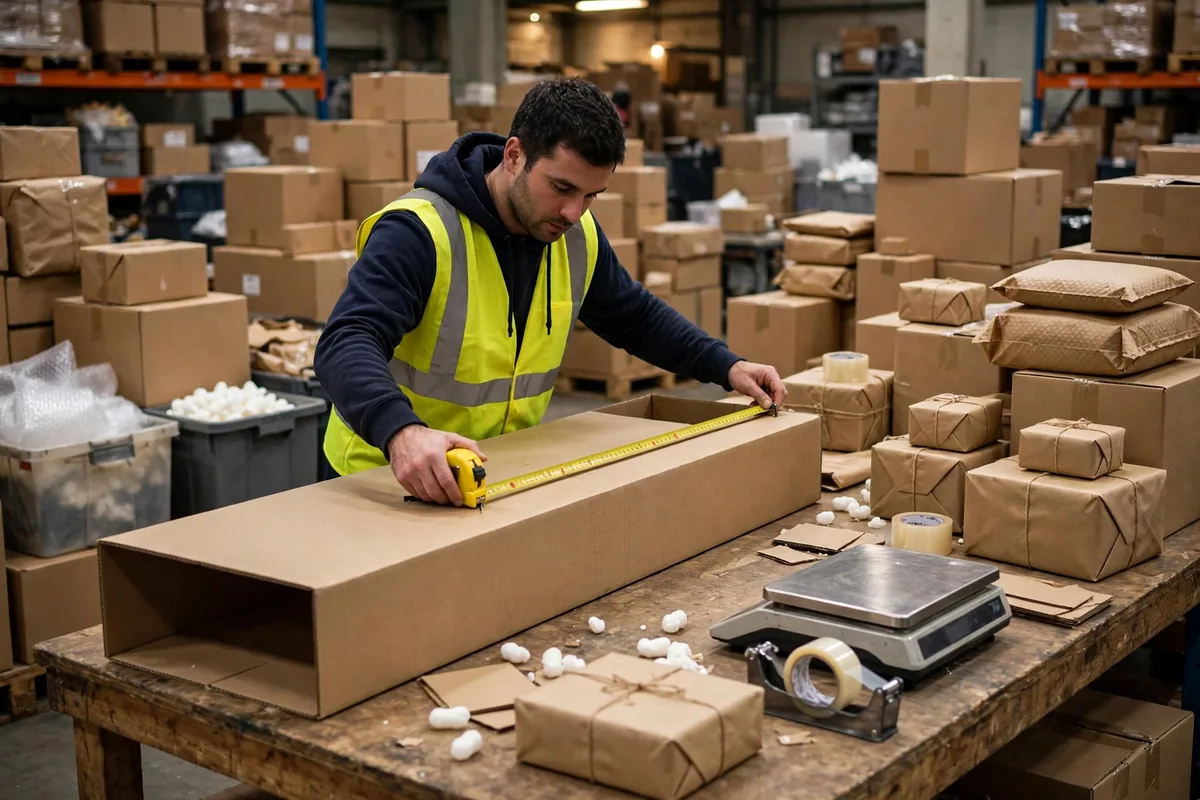
I have seen one approach that just makes sense: a fresh-produce exporter putting cold storage and sorting and packing under one roof. On July 9, 2026, Maersk opened an integrated cold storage and sorting and packing hub in Santa Cruz, serving export fresh produce like mango, avocado, and banana. Goods arrive, get sorted and packed, then go straight into cold storage, so the cold chain never breaks and the truck loads and leaves as soon as it arrives. That layout saves a whole chain of costs: one less handling, one less wait, one less chance of spoilage.
The auto parts business runs a different play. Imcruz, Inchcape's company in Bolivia, put the country's largest auto parts distribution center on the north highway, 12 kilometers from Santa Cruz, holding more than 500,000 parts and representing 7 car brands. Auto parts are high value and full of part numbers, so a distribution center close to the highway matters: freight gets out onto the highway fast, and repair shops in the city can still get same-day supply. Twelve kilometers sounds like nothing, but for a fleet running dozens of trips a day, those 12 kilometers are time saved on every run.
Then there is a kind of freight that looks light but is just as demanding. Natura's distribution center in Santa Cruz, Bolivia, uses pick-to-light and serves more than 28,000 sales consultants. Consultant orders are small, numerous, and scattered. Pick one wrong item and the return costs more than the goods themselves. Pick-to-light works because it lets the picker think less and move more, and the error rate comes down on its own.
The logic behind all three is one sentence: put the warehouse where the freight wants to be. Fresh produce needs an unbroken cold chain, auto parts need fast highway access, and small orders need picking that does not go wrong. The cheapest line on the rent sheet is rarely the answer.
I cost this kind of job in four boxes: rent, fuel, time, and damage. Rent is a clear bill, one statement at the end of the month. Fuel is a hidden bill, a little more for every extra kilometer. Time is an urgent bill, because once the delivery window is missed, cheap freight is worth nothing. Damage is a messy bill, because every extra handling is one more chance to break something. Add the four boxes together and you get the true cost of Santa Cruz urban warehouse distribution. People who only look at rent save on the clear bill and pay for it in the other three.
The Last Mile in Urban Distribution: Who Is Really Blocking It
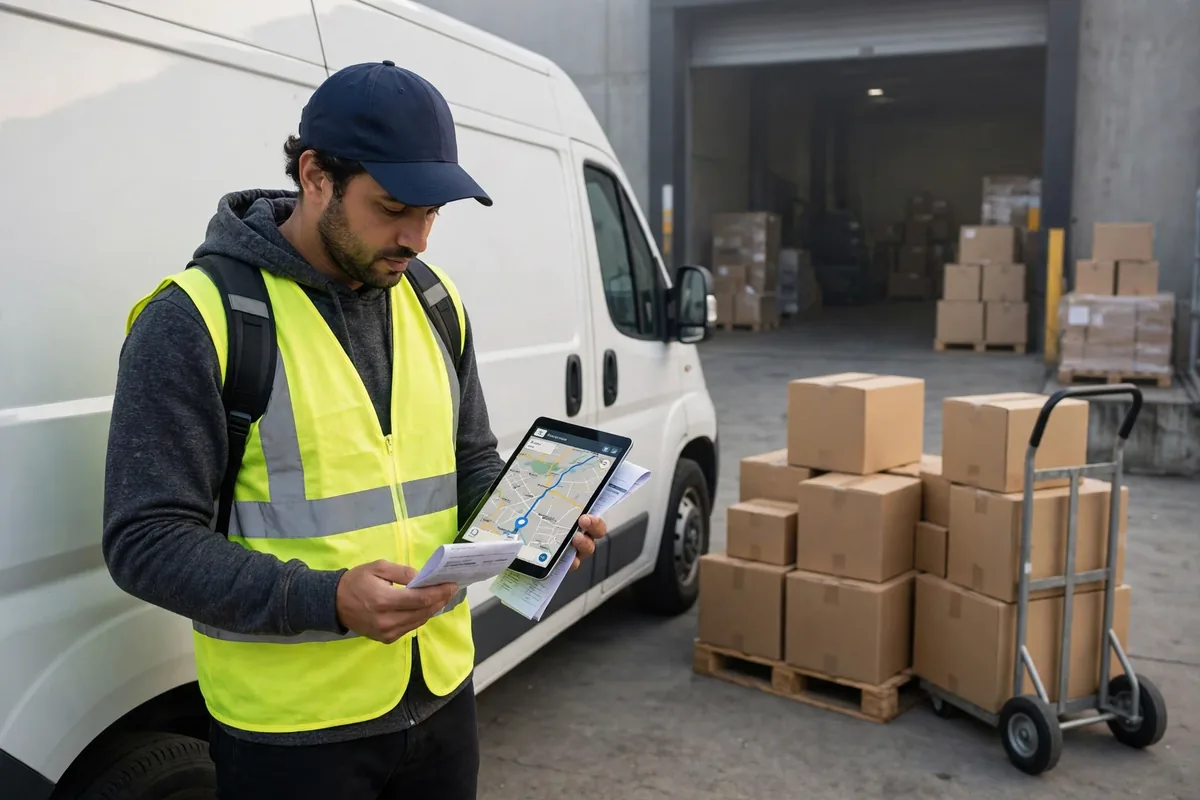
The hardest part of the last mile in Santa Cruz is not distance. It is time. Ring-road traffic, farm trucks coming into town, motorcycles and buses all squeeze together, and once rush hour hits, speed drops. When the rainy season comes, some stretches flood and fleets would rather take the long way around than push through. The extra fuel for the detour and the late delivery are both hidden costs in the distribution bill.
I always tell shippers: do not ask what one trip costs. Ask what time your goods have to arrive. Fresh produce has to meet its cold chain window, auto parts have to reach the repair shop before work starts, and a consultant's goods have to reach the customer when promised. Once the time windows are fixed, the schedule has to follow them: the most time-critical freight goes out on the early shift, scattered city orders fill the middle of the day, and one truck stays free in the afternoon for whatever comes up. There is no standard answer for scheduling. You only find the rhythm by trying it.
Another trap is unloading. Most shops and consultant points have no unloading bay, so the truck stops at the curb and the driver has to watch the truck, carry the goods, and count them all at once. Count wrong and the truck has to come back for a second trip, burning fuel and time for nothing. My fix is old-fashioned but it works: the delivery note is ordered the same way the truck unloads, the driver drops one batch at each stop, and the note gets signed on the spot. Do not underestimate that piece of paper. Half the last-mile bill gets sorted out by it.
Farm Belt Freight Coming Into Town Has to Clear Three Hurdles
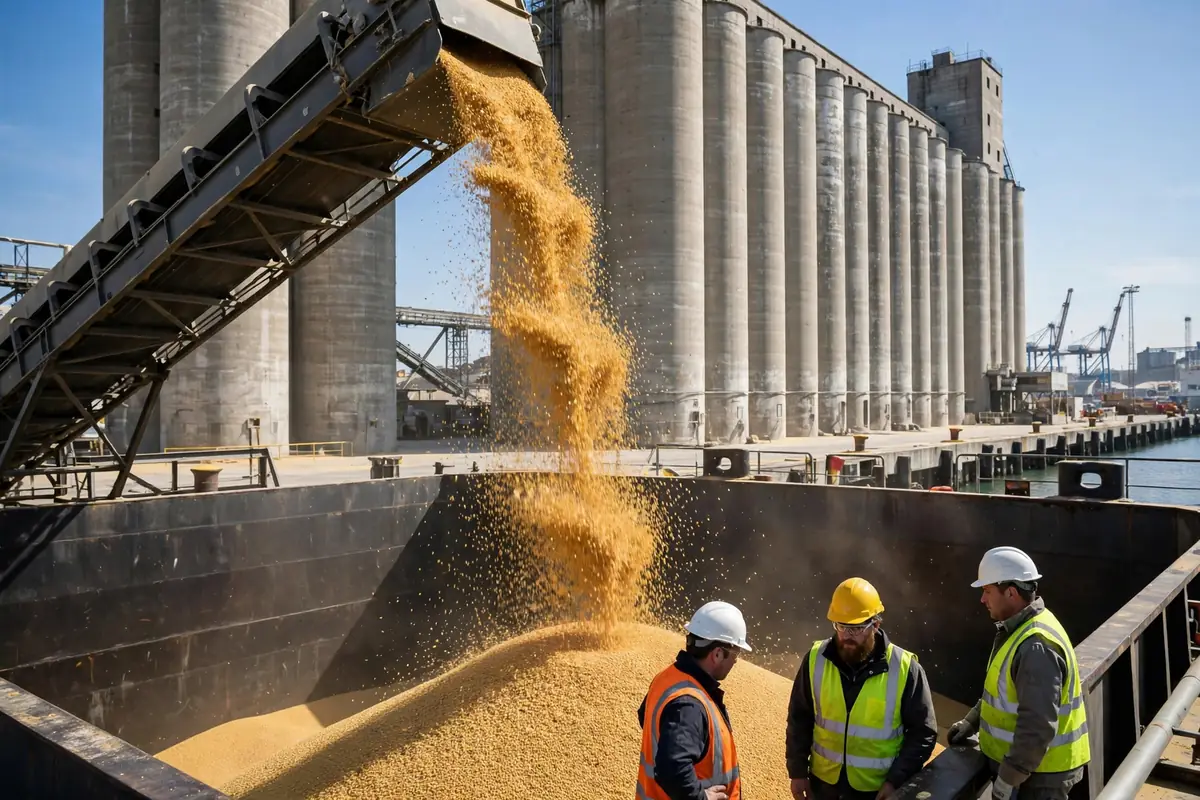
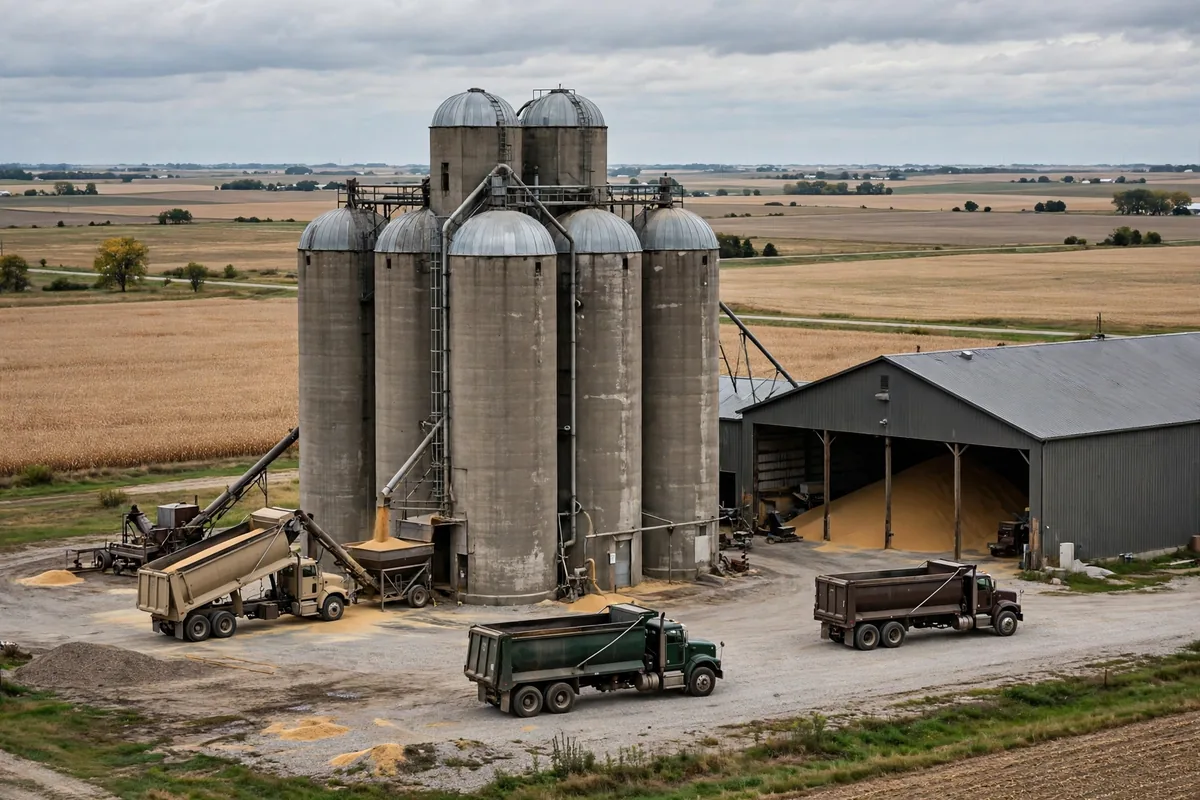
Grain and oilseed freight coming into town is a different job from small city deliveries. The volume is big, the batches are concentrated, and when harvest season hits, the fleet runs around the clock. Goods gather first at a farm-area warehouse, then get distributed into the city, and once in the city they get split a second time to match what each customer ordered. Every extra link is one more loading, one more chance of damage, and one more count that does not match.
What does that tell us? Urban distribution cannot be judged on the city leg alone. Farm-area consolidation, the corridor into town, and the city split have to be costed as one bill. Optimize only the city leg and a jam out in the farm belt still makes the whole thing late. Squeeze only the farm leg and a city split that cannot keep up leaves the goods sitting after they arrive.
There is one cost people keep leaving out: the empty return. A farm truck comes into town fully loaded and often drives back empty, burning the same fuel and driver hours. Whether you can pick up a return load in the city, or pair inbound and outbound runs together, is the most practical saving in farm belt distribution. Pair them well and the cost per trip drops at once. Fail to pair them and every trip carries a double bill on a single load.
Three pieces of advice, all learned on the road. First, put the warehouse where the freight goes, not where the rent is lowest; the corridor into town and the highway exit matter more than a few coins per square meter. Second, schedule around the delivery windows and do not cut the spare truck. In the rainy season and rush hour, that spare truck is what saves the day. Third, let the paperwork follow the freight. When the outbound note, the unloading note, and the signed receipt all match, the last-mile bill finally adds up.
Road conditions and congestion change every year, so which road to take and when to leave should follow the latest local conditions. That is a lesson from all those years on the road: the road is always decided by its latest conditions. A warehouse can stay put. The way you run the roads has to change every day.
In the end, the Santa Cruz urban warehouse distribution bill is not about rent. It is about how much money one turn of the wheels earns. Put the warehouse right, run the roads smooth, keep the paperwork straight, and the last mile stops being expensive. Any trucker knows: the bill is earned on the road, not worked out on paper.
By Shifu Zhao, Trucking Veteran (15 yrs)