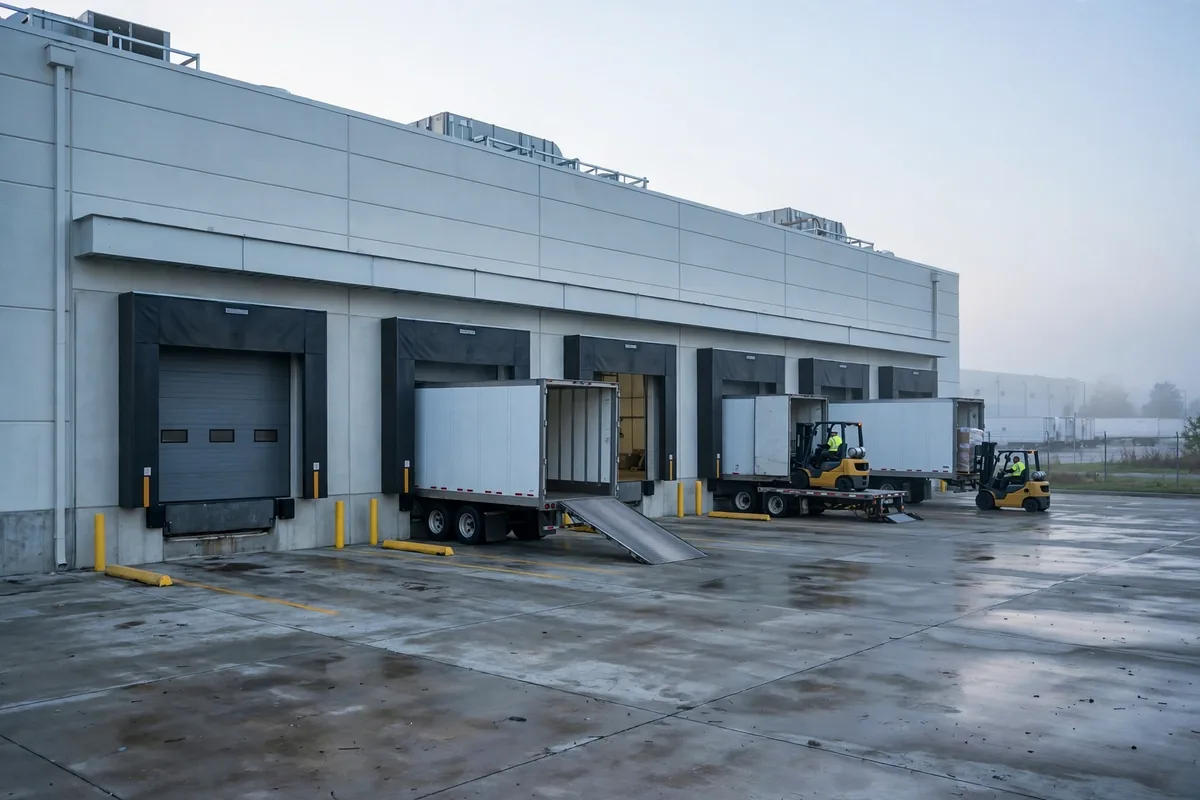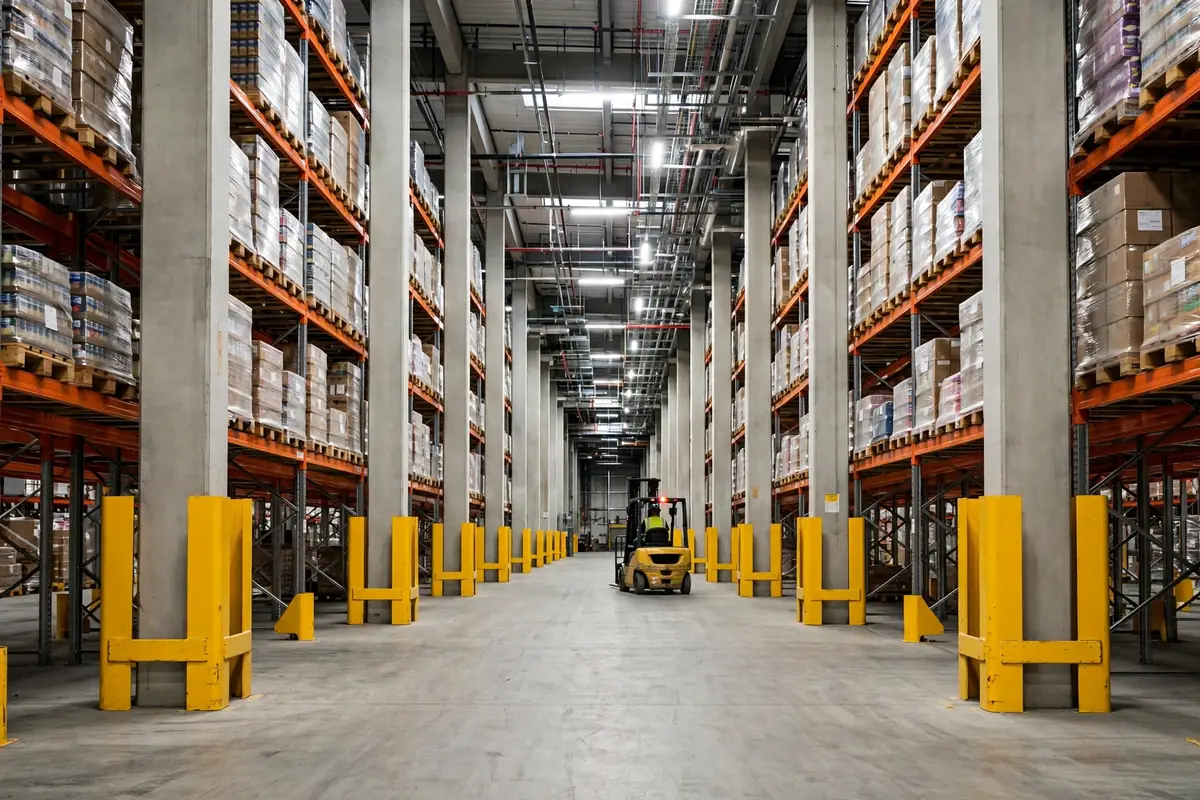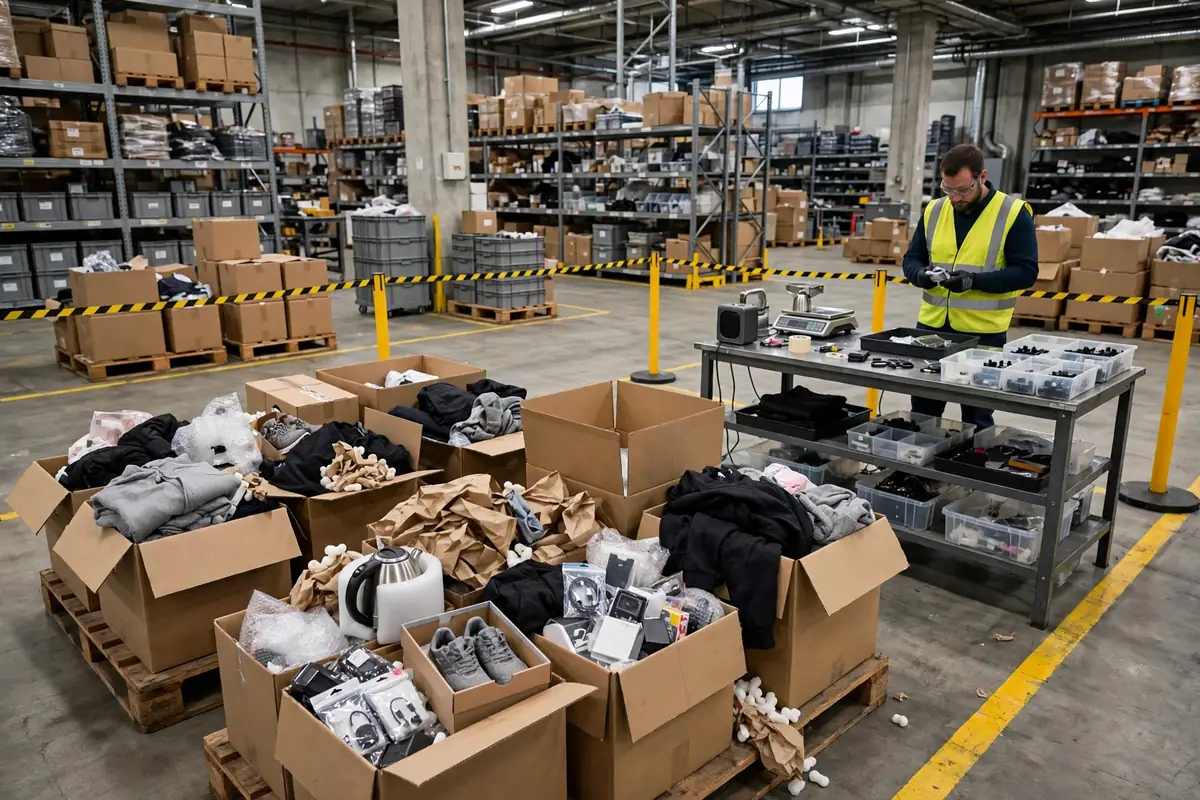
Let me tell you about a night last November outside a 3PL warehouse in Ontario, California. I sat in my cab waiting to get unloaded for almost four hours. It was not traffic. Inside the warehouse returns zone, everything had gone sideways: a batch of returns had been mixed in with good stock, pickers had pulled the wrong three cartons, the customer refused the delivery, and the truck had to come back and reload. I sat there in the cold wind eating a cold sandwich, thinking one thing: this place looks big enough, so why does it keep tripping over itself?
I have been driving for fifteen years, and I have seen a lot of warehouses. When it comes to the warehouse returns zone, most places start out the same way. They take the easy road. A return comes back, they stick it wherever there is an empty slot, and they figure they will sort it out later. I understand the thinking. Carving out a separate returns zone feels wasteful. That floor space sits half-empty on a normal day, so why not let good stock use it? But that is the wrong way to count the money. The space you save is visible. The money you lose is not.
Where the Warehouse Returns Zone Mixed Storage Cost Actually Goes
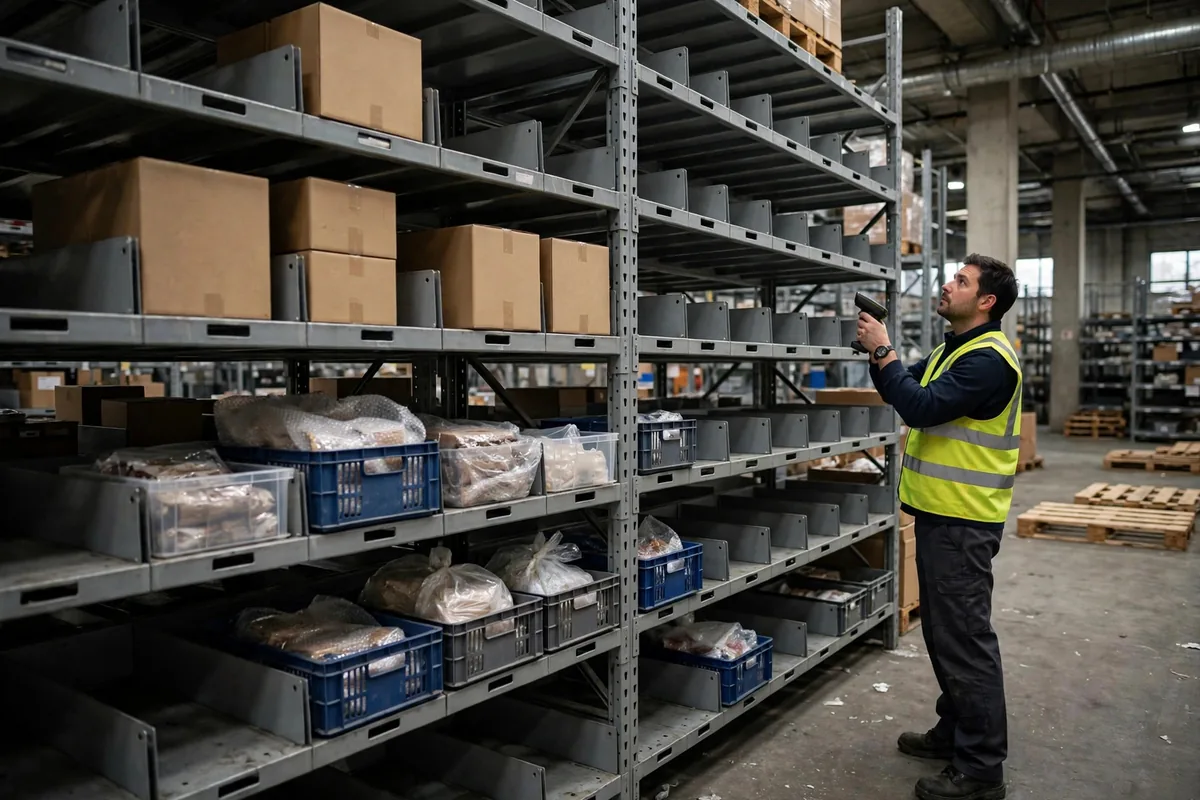
Take that Ontario warehouse. It handled home goods, something like 20,000-plus square meters, pushing over 2,000 orders a day in peak season. Returns had no fixed home. A returned pillow, a lamp, a storage box would come back, get a quick check, and go straight back onto the regular shelves by product type. Sounds reasonable, right? Same product, same shelf, easy picking. Here is the problem: returned goods are often opened, lightly scratched, or repacked, and from the outside they look almost identical to brand-new stock. A picker handling hundreds of items a day has no time to inspect each one. So a used item ships out as new, the customer complains, the item comes back again, and the warehouse pays freight, labor, and customer-service time for the whole round trip.
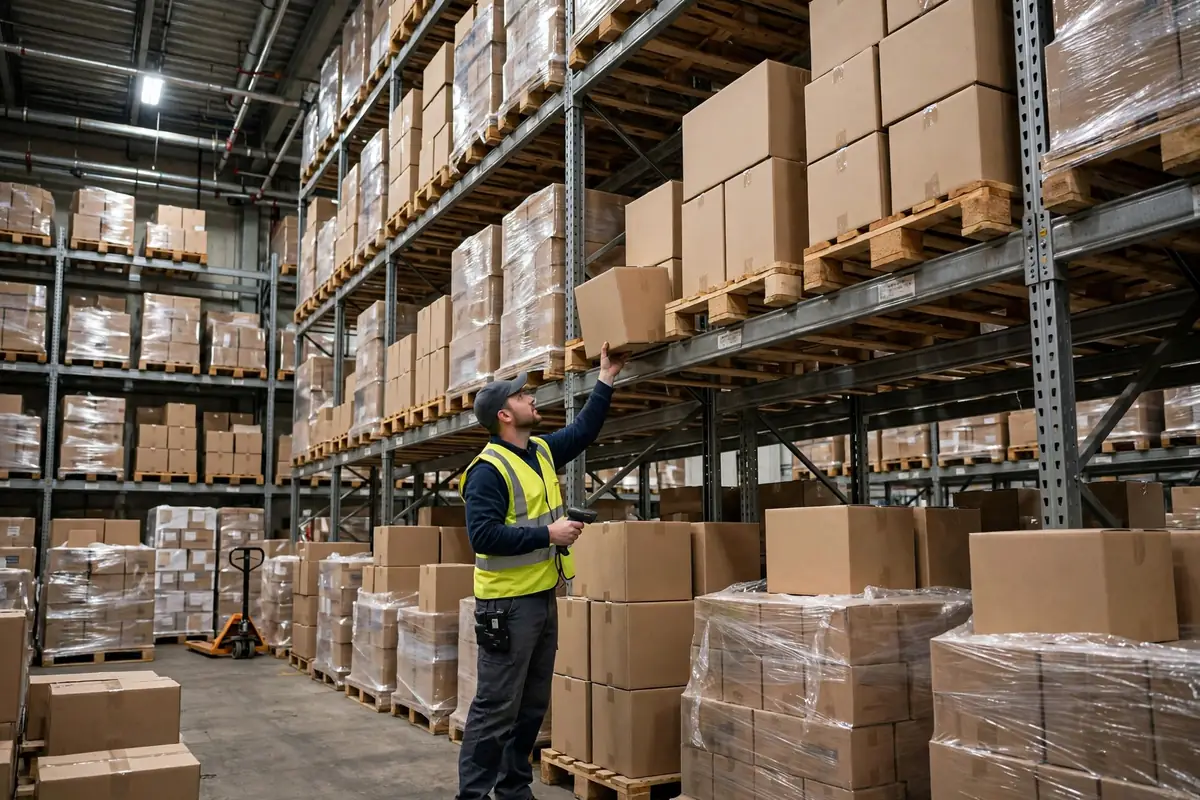
Another time, near Dallas, Texas, I went to pick up a carton of brake pads at an auto-parts warehouse. The staff spent more than forty minutes looking for it. It turned out the carton was a customer return with a torn box, and somebody had tucked it at the very back of the good-stock row. The system said it was in stock. The shelf said otherwise. In the end an old hand dug it out from under a pile of mixed cartons, from memory. My truck left two hours late, and every delivery after that one slipped too.
What do these two stories tell you? Mixing returns with good stock does not cost you floor space. It costs you search time, mis-shipments, and customer trust. One wrong shipment means return freight, reshipping labor, and a customer who thinks twice before trusting you with the next order.
Here is a worked example for a mid-sized warehouse. Every number below is a hypothetical scenario for illustration only, not any real warehouse's financials. Read it for the scale of the thing, not as a quote:
| Where the money goes | Mixed storage (hypothetical scenario) | Separate returns zone (hypothetical scenario) |
|---|---|---|
| Picker search time | About 1 extra hour a day digging around | Returns sit apart, good stock is easy to see |
| Mis-ships and reshipping | About 20 mis-shipped orders a month | About 5 a month, mostly address errors |
| Re-inspection | Returns mixed into new stock force a second check | Returns are inspected on arrival, only good units go back |
| Complaint handling | Customer service loses about half a day a week arguing | Complaints drop, and the team can do real work |
No single row looks scary. Add them up and it gets scary. An extra picker hour a day, twenty reshipments a month, half a day of customer-service time a week — over a year, does that pay for a separate returns zone? In the warehouses I have run into, the answer is usually yes, with money left over. Most people count rent and forget the small stuff. But in warehousing, the small stuff is exactly what eats the money.
A Separate Returns Zone Saves Money? That Sounds Backwards
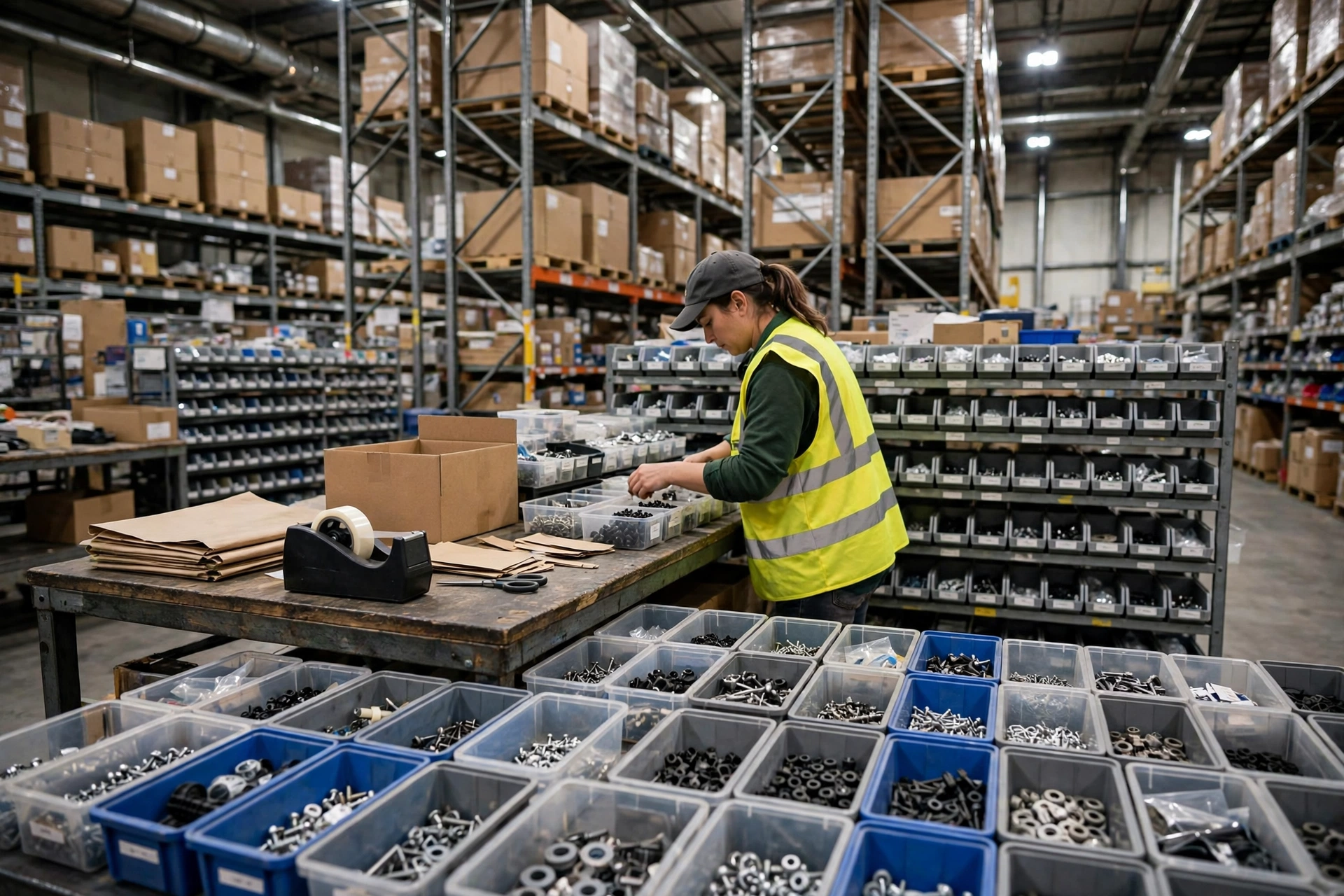
I know how it sounds. A separate zone wastes space, right? Empty floor is a cost too. But here is the thing I have learned on the road: a separate returns zone does not save space, it saves order. Once the zone exists, returns follow a fixed path. They get logged, inspected, and sorted into three piles: sellable ones go back to good stock, fixable ones wait for repair, and dead ones go to scrap or back to the supplier. With a fixed flow, goods stop wandering, and nobody has to rely on memory to find anything.
Now flip it around. How much extra stock does mixed storage really hold? A few more cartons squeezed onto a row might lift space utilization by a couple of points on paper, but the pickers' extra walking and searching eats those points alive. In this business, saved floor space is dead. Smooth-running people are alive. That is the lesson fifteen years on the road taught me: the trick that looks like it saves space usually costs the most money, and the one that looks like it wastes space usually saves the most.
There is another benefit, too: clear responsibility. If something goes wrong in the returns zone, you talk to inspection. If something goes wrong in good stock, you talk to picking. Mix them together and nobody can say whose problem it is, so everyone just blames everyone else. I knew a warehouse that mixed returns and good stock for half a year. A stock count came up short by more than 300 units, they spent two weeks hunting for the cause, and in the end they just wrote it off. That loss never showed up on any neat line of a report, but the money was really gone.
Three Pieces of Advice, for Shippers and Warehouses
For shippers, one thing: before you sign with a warehouse, ask where the returns zone is and how returns move through it. If they cannot answer, or they tell you returns just go wherever there is room, take that as a warning sign. This is not nitpicking. It is how you avoid paying for their mess later. Put it in the contract if you can: returns stored separately, inspected before they go back to good stock. Write it down now and you will argue half as much later.
For warehouses, two things. First, the zone does not need to be big, but it needs to exist, and location matters. Put it close to receiving and away from the main picking area. Returns land there first, get inspected, and only then get sent onward. Never let an uninspected return go straight into good stock. That is the line. Second, keep records for the returns zone, just like anywhere else. Whether it is a separate location in the system or a paper log, track what came in, what went out, and the condition of every unit. A returns zone with no records is no better than mixed storage.
There is an old saying among drivers: you save money where you can see it, and you lose it where you cannot. Mixing returns with good stock saves the floor space you can see, and it spends the labor hours, the freight, and the customers you cannot see on a floor plan. Next time you walk into a warehouse and see returns piled in with good stock, do not admire how efficiently they use the space. Ask how much that space really costs them in a year.
By Shifu Zhao, Trucking Veteran (15 yrs)