Return freight insurance barely registered on my radar when I first saw it.
A few cents per order, the buyer gets their return shipping covered, and the seller picks up a better conversion rate. Sounds like a free lunch from the platform. Five years of selling later, I have learned the hard way: those few cents are never small money. Somebody pays the premium, somebody collects the claim, somebody handles the returns — and most of the bill lands on sellers and warehouses.
If you sell in the United States, this mechanism will look strange, because it barely exists there. In China, return freight insurance is a per-order micro-insurance product sold at checkout on marketplaces like Taobao, Pinduoduo, Douyin, and JD. The buyer or the seller pays a tiny premium on each order. When the buyer returns the item, the insurer reimburses part of the return shipping cost. In the US, there is no equivalent checkout add-on. Return shipping is usually covered by the seller, deducted from the refund, or baked into the price, and marketplaces set return windows and label rules instead of selling per-order return insurance. Same problem, totally different plumbing — and that difference shapes everything below.
How Return Freight Insurance Actually Works
The mechanics are simple. At checkout, the buyer ticks a box, or the seller offers the coverage for free. The premium is a few cents per order. The buyer returns the item, pays the return shipping upfront, and files a claim with the tracking number once the return is signed for. The insurer reimburses part of the freight. How much, what the cap is, and which return reasons qualify all vary by platform, category, and even by store. Treat any fee schedule you find online as stale until you check the platform's latest rules.
Seller-paid and buyer-paid coverage feel completely different. When the buyer pays, the buyer just bought themselves a free return. When the seller pays, the seller just paid the buyer to feel safe returning things. That second version does lift conversion — and it lifts the return rate right along with it. That tradeoff is the whole story.
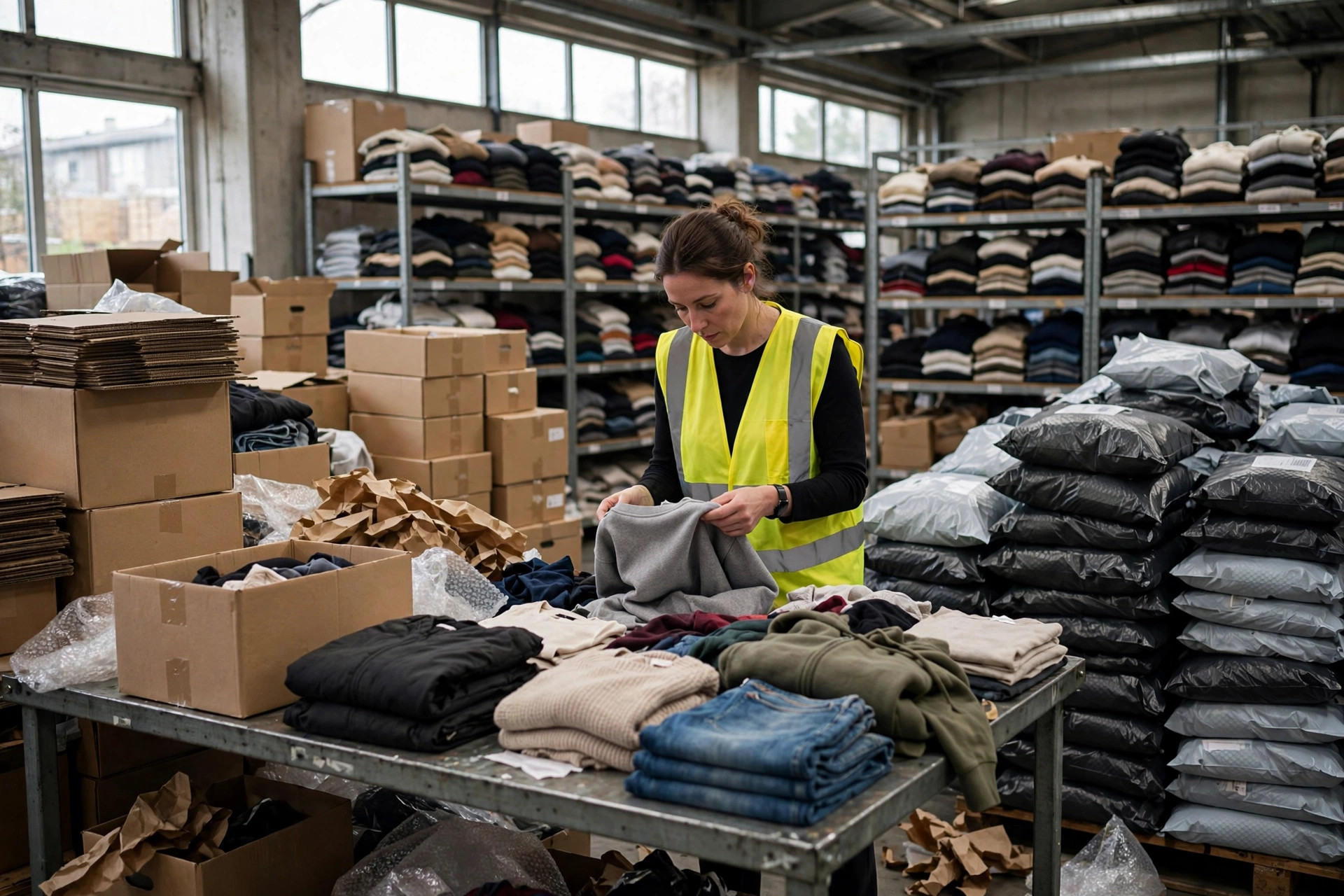
My own womenswear shop learned it the expensive way. In November 2024, during the big sale month, we shipped over 9,000 orders and the return rate climbed from around one in five to nearly one in three. The returns area went uncleared for three days. Two inspectors worked until 11 p.m. opening parcels, checking goods, airing out odors, steaming, and re-shelving, one piece at a time. The claim payout notifications looked busy and cheerful. At month end, the math was ugly: premiums plus re-inspection labor plus the markdown loss on resold returns ate a big chunk of that week's margin.
A friend selling home storage goods out of Yiwu had the opposite profile: low ticket, single-digit return rate, premiums adding up to only a few thousand yuan over a whole year. Barely worth thinking about — until a professional return abuser showed up. Same buyer, different accounts, ordering and returning over and over, with the insurance covering the return freight every time. The goods came back with all the packaging torn open and could only be written off as damaged. The appeal to platform support dragged on for half a month and recovered only part of the loss. The premium was pocket change. The time sink was not.
Return Freight Insurance Pushes Return Rates Up — and the Warehouse Eats It
The most dangerous thing about this insurance is not the premium. It rewires buyer behavior.
When returning costs nothing, the decision flips from "think hard, then buy" to "buy it, try it at home, return it if it disappoints." Buy two sizes, keep one, send one back. Buy it, take a photo, send it back. Wear it once, send it back. Sellers see conversion go up. Warehouses see a returns flood coming in.

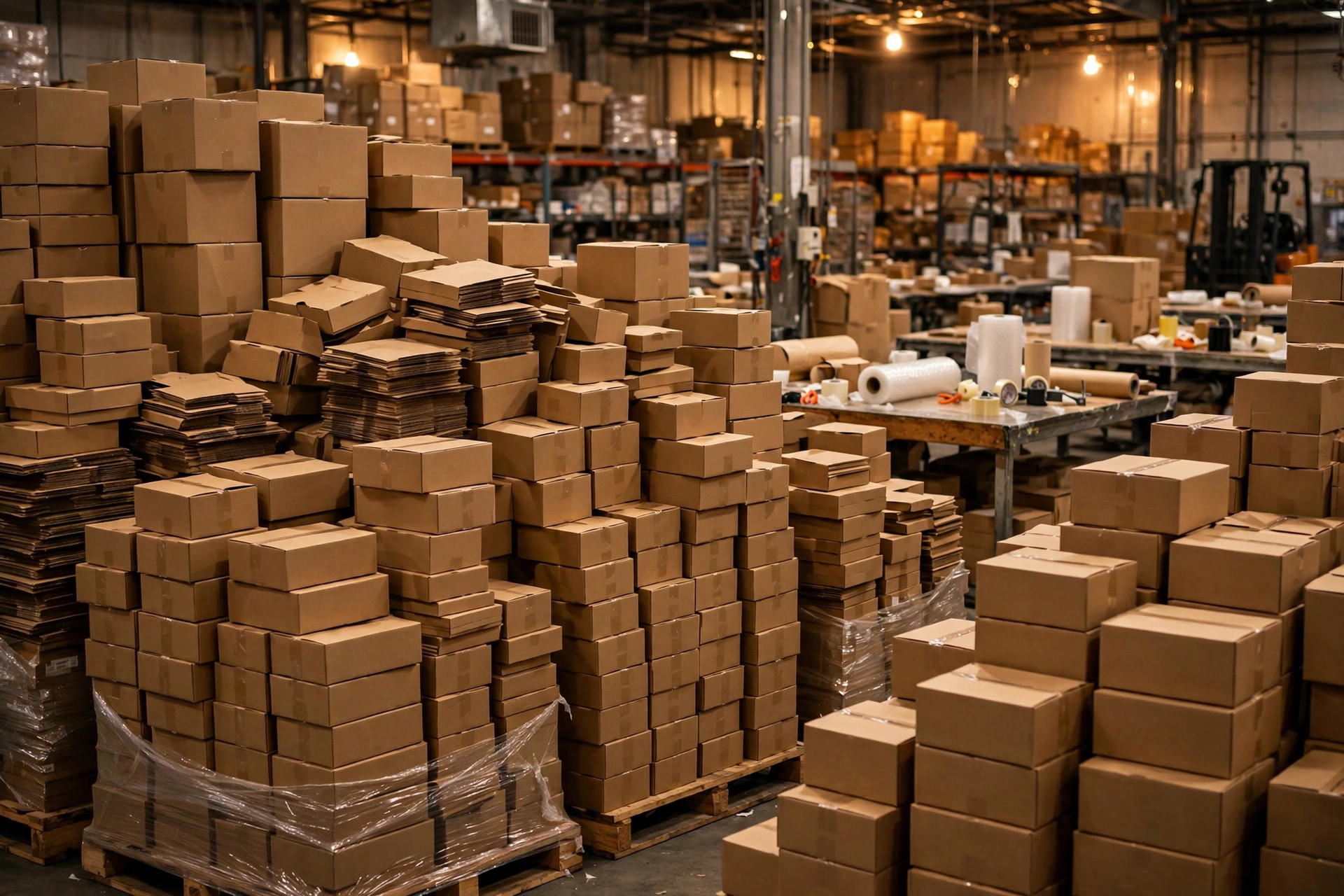
More returns mean every warehouse job gets harder. Inspection standards have to tighten: are the tags still on, has it been worn, washed, or perfumed, can the packaging be resold — every parcel has to be checked by hand. Inspected returns need grading: full-price resale, markdown resale, or scrap, stored separately and tracked separately. Let returns pile up and the books drift from reality: the listing still shows stock, the shelf is already empty, and customer service takes the angry messages.
Here is the counterintuitive part: the insurer is not losing money on this, and the platform is not subsidizing it. The premium pool is funded by sellers and buyers together. The more claims get paid, the pricier the next round of premiums gets. The wool comes from the sheep — except every seller is the sheep. The platform loves the arrangement. Frictionless returns make buyers confident enough to order more, and platform transaction volume goes up. Sellers foot the bill, warehouses do the heavy lifting, and the platform books the growth. That is the real structure of this deal.
Return abusers have figured this out too. Insurance that drops return costs to zero is a free ticket for professional return fraud. One buyer gaming one order is a rounding error. A ring targeting one shop for a month can fill the returns area with unsellable goods. Warehouse inspectors know this pain best: you open a parcel, the garment still smells of someone else's perfume, and you know that order was pure wasted work.
The Math: When to Offer It and When to Gate It
Whether to offer return freight insurance is a calculation, not a gut call. Do it by category.
| Category | Return-rate profile | What I do |
|---|---|---|
| Womenswear, footwear | High and volatile | Offer it per style, watch high-return styles separately |
| Home storage, standard goods | Low and stable | Offer it store-wide, treat premiums as acquisition cost |
| High-ticket, fragile goods | Medium, high per-unit loss | Think twice, price out the full cost of one return first |
The formula is one line: total premiums + returns handling cost + markdown loss on resold returns, versus the gross margin on the extra orders the insurance brings in. If the left side is smaller, keep it on. If it is bigger, switch it off or gate it. Do not forget to count inspection labor and the cash tied up in stranded returns inside that handling cost — those two are the easiest to underestimate.
Here is how I run it now. Offer it per style, never as a blind store-wide switch, and pull the worst-returning styles out for separate review. If a style's return rate stays above my own red line for two straight weeks, I cut the free coverage on that style and fix the return rate first. Product pages spell out sizing, fabric, and real photos, which stops a lot of "let me just try it" returns before checkout. The warehouse gets a dedicated returns zone, every return inspected within 48 hours, graded into full-price, markdown, and scrap, with markdown goods cleared fast instead of gathering dust on a shelf. High-frequency return accounts get watched, evidence gets saved, and appeals get filed.
New shops and new products get one month of test data before any store-wide rollout. Premiums, return rate, and handling cost get reconciled weekly, three simple tables. After a month of data, whether it pays is obvious.
Splitting coverage by style and spelling out sizing on the product pages pulled my womenswear shop's return rate back down by several points and cut premium spending too. That trick worked for me, and I would bet on it again.
By Ah K, E-commerce Seller (5 yrs)