I'm going to tell you something: I only learned the term "dock-to-stock" two years ago, from a receiving manager. Last month at a service plaza on the expressway, I was having noodles when two drivers at the next table got talking. One said, "I delivered that load three days ago, and the customer's system still shows it as not received. No signed delivery receipt, no freight payment." The other one just nodded: "The freight got unloaded, you drove off, but your goods sat in their staging area for two days. The truck arrived. The goods didn't."
Rough words, but true. Fifteen years on the road has taught me this: getting freight off the truck is only half the journey. Between the dock and the shelf sit half a dozen hurdles — queuing, unloading, staging, inspection, system entry. The driver only cares whether the truck can leave, but the cargo owner pays for every one of those two days. So let's talk about that dock-to-shelf gap, and how to close it, from a driver's point of view.
A True Story: My Truck Was Empty, but the Goods Hadn't "Arrived"
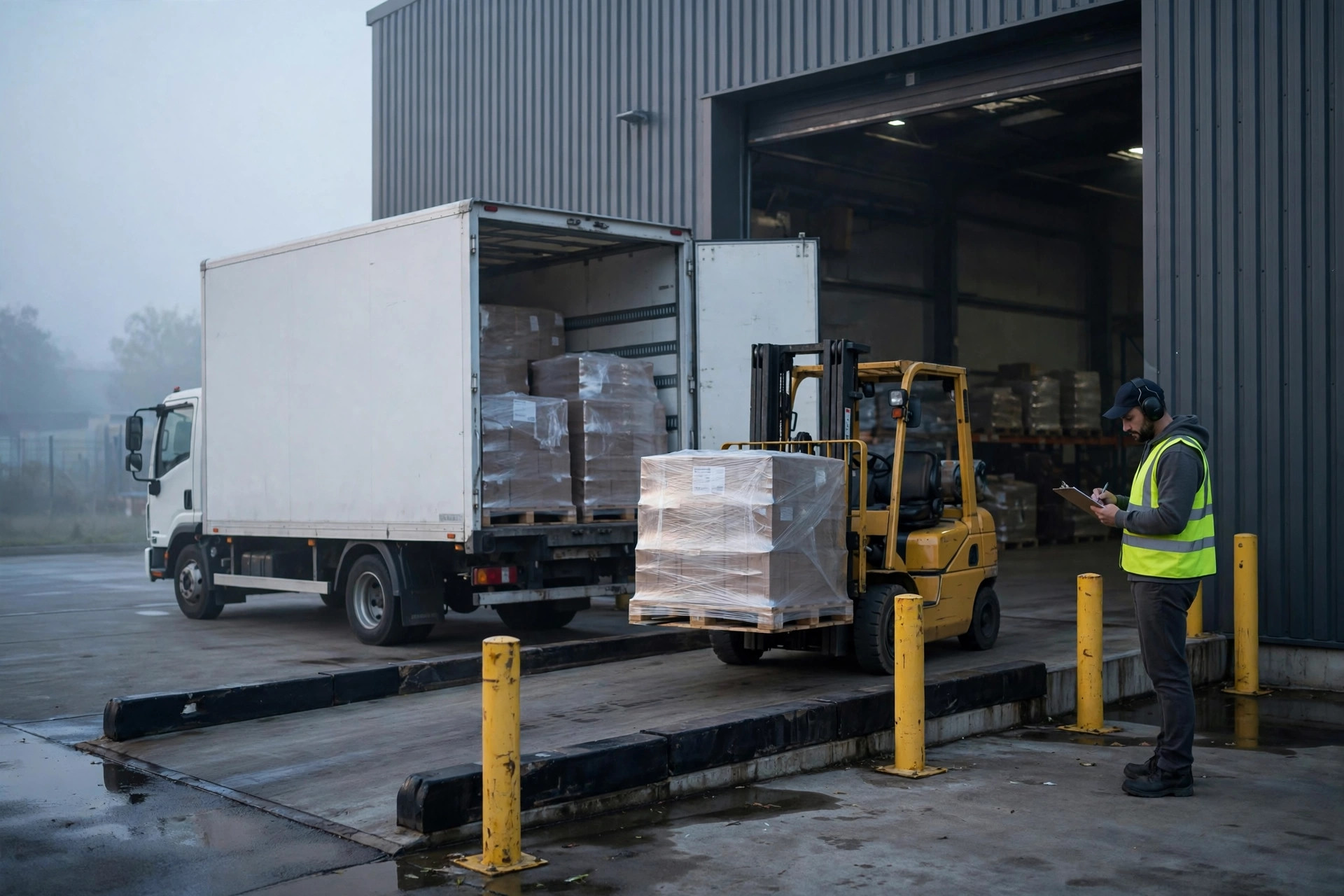
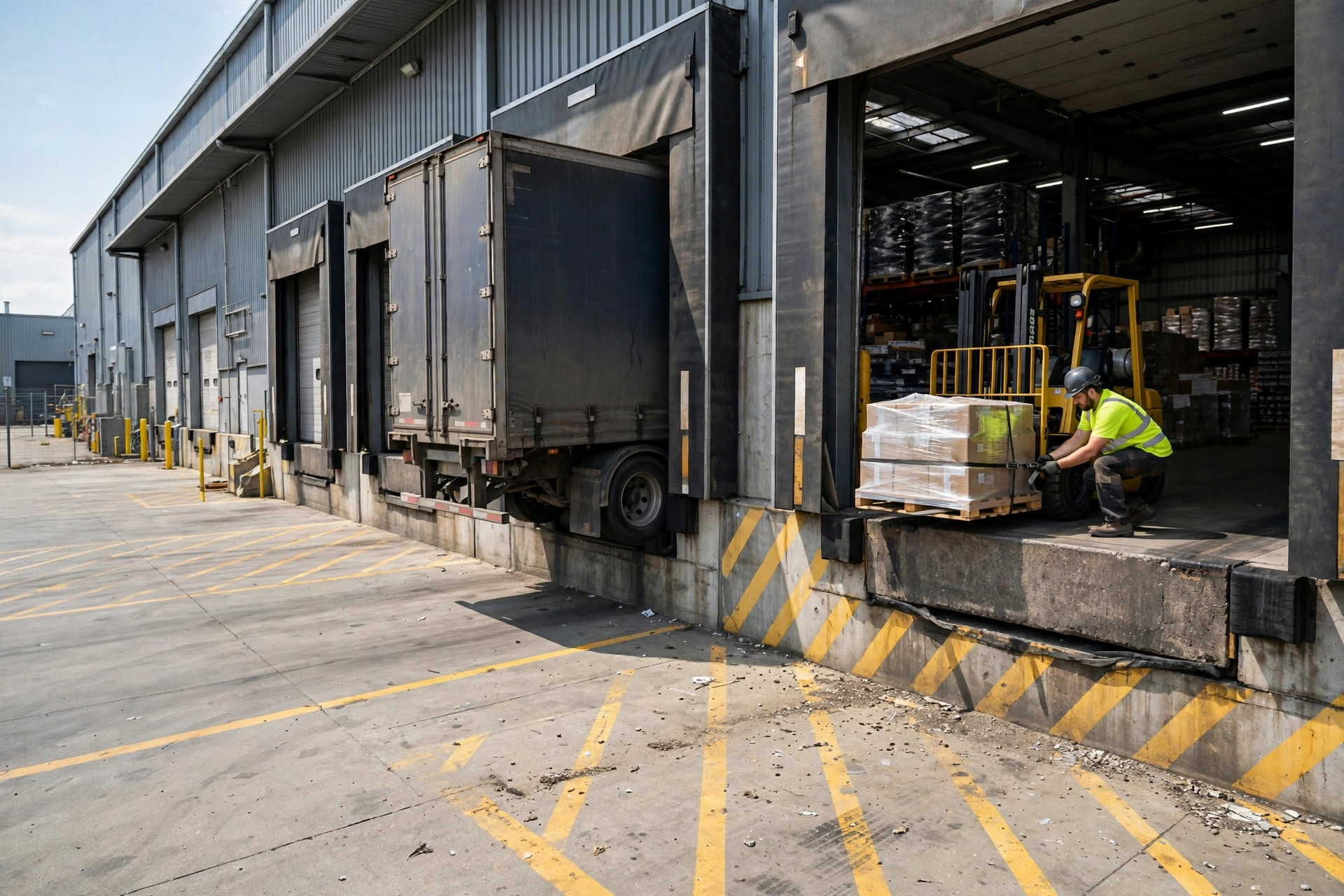
Two winters ago, I delivered to an e-commerce warehouse in Langfang. I arrived at 8 in the morning, the gate guard told me to wait outside, and my number wasn't called until 11. Unloading was fast — the forklift finished in an hour. I figured I was free to go, but the warehouse guy said the delivery receipt could only be signed once the goods were "in the system." My load sat in the staging area from noon until the next evening — a full 30 hours from dock to shelf. My trailer was empty, and I spent the night at the service plaza, leaving with my receipt the next day.
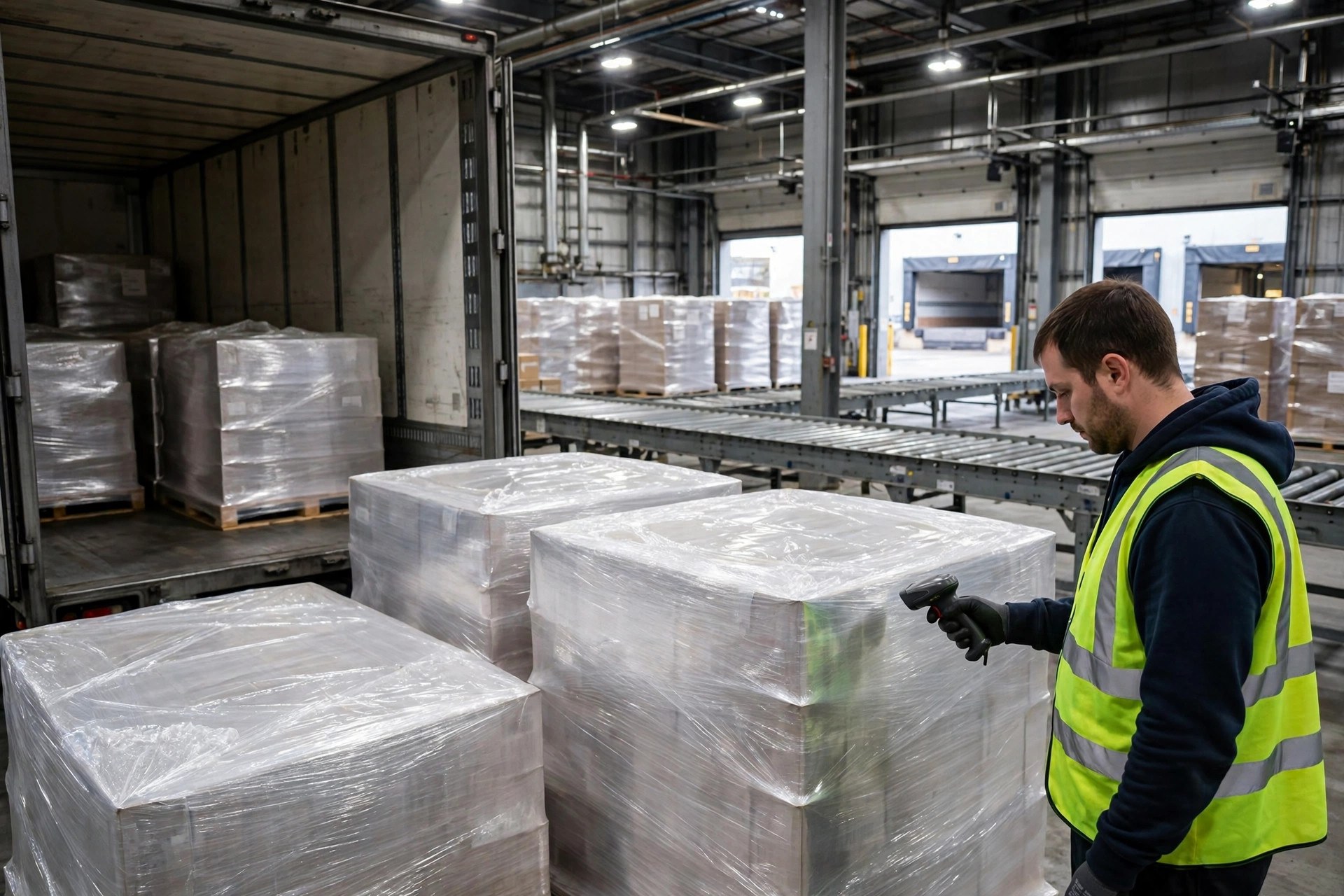
See the math? Unloading took 1 hour. For the other 29, the pallets sat less than 50 meters from the dock doors. That's the reality in most warehouses: the bottleneck is never that one hour of unloading. It's everything after.
Industry research puts it this way: top performers go from dock to stock in 8 to 10 hours, average operations take 12 to 24, and third-party warehouses can stretch to 48. Studies also say trucks wait at docks 1.5 to 3 hours on average per visit. Figures vary, but the magnitude is right.
Where Dock-to-Stock Time Actually Goes
Every warehouse differs — treat these as rough ranges from my years on the road:
| Stage | What happens | Typical time | Where it jams |
|---|---|---|---|
| Waiting for a door | Queuing, dock call, backing in | 1–4 hours | Dock scheduling |
| Unloading | Forklift or manual unload | 1–2 hours per trailer | Labor and equipment |
| Staging queue | Waiting for inspection, waiting for entry | Hours to 2 days | Handoffs between steps |
| Counting and QC | Piece counts, inspection, photos | 2–8 hours | Inspection standards |
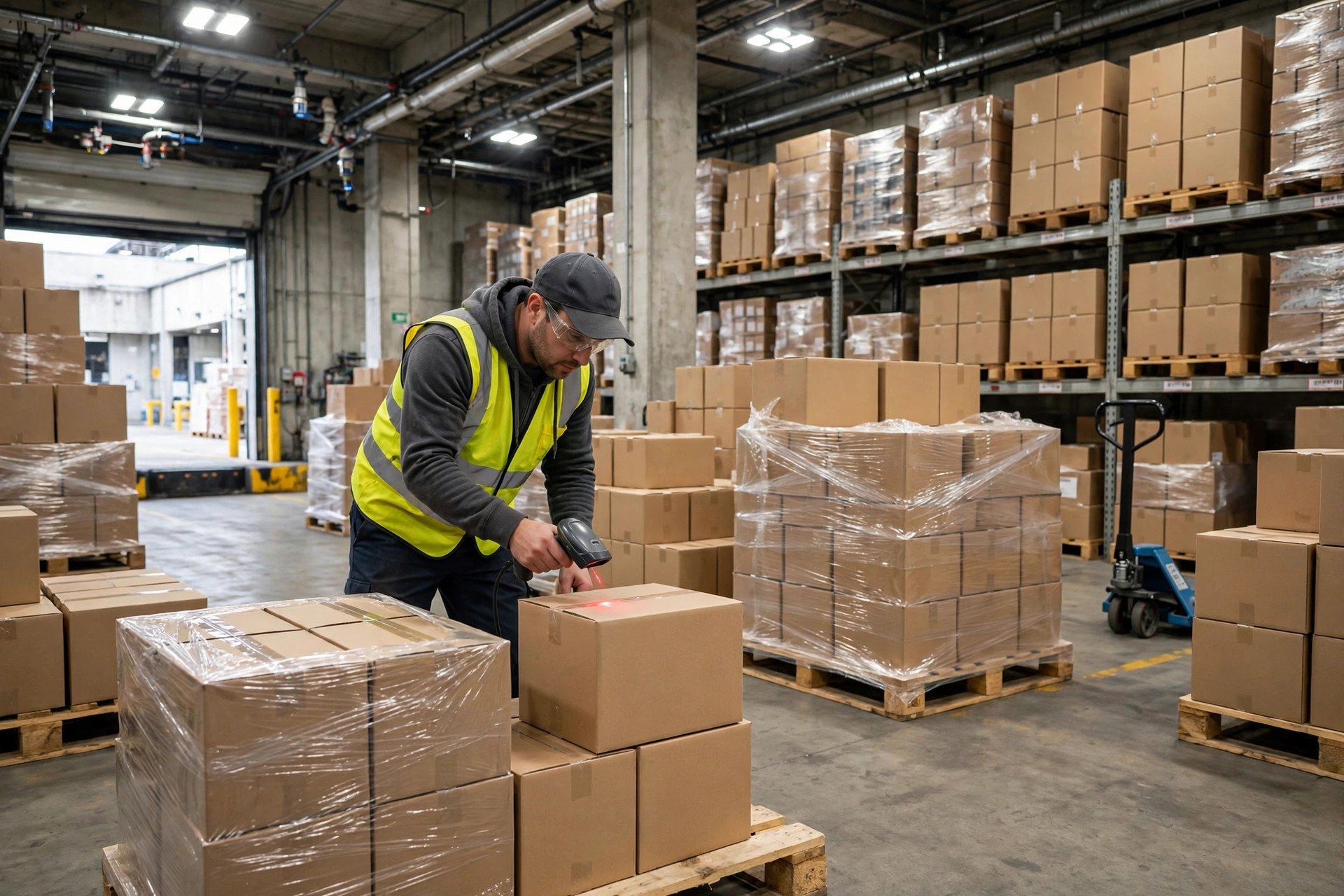
| System receipt and putaway | Data entry, labeling, putaway | 2–6 hours | Systems and staffing |
Notice something? The first two stages add up to half a day at most. The last three are where time goes to die. So if you want that number down, stop staring at that one hour of unloading — staging and inspection are where the hours hide. Plenty of warehouses unload at lightning speed, the truck leaves happy, and the pallets sit in staging for two days anyway. The truck was fast. The freight wasn't. That's counter-intuitive truth number one.
Five Practical Ways to Cut Dock-to-Stock Time
First: appointment scheduling. The most annoying measure for drivers, and the most effective one. I'm telling you, drivers hate appointments — it feels like being put on a leash. But in all my years running routes, the slowest warehouses are exactly the ones with "first come, first served" and no appointments: a dozen trucks pile in at 8 AM and you're still in line at noon. With appointments you get a door at your slot and barely wait. Freedom or efficiency — pick one.
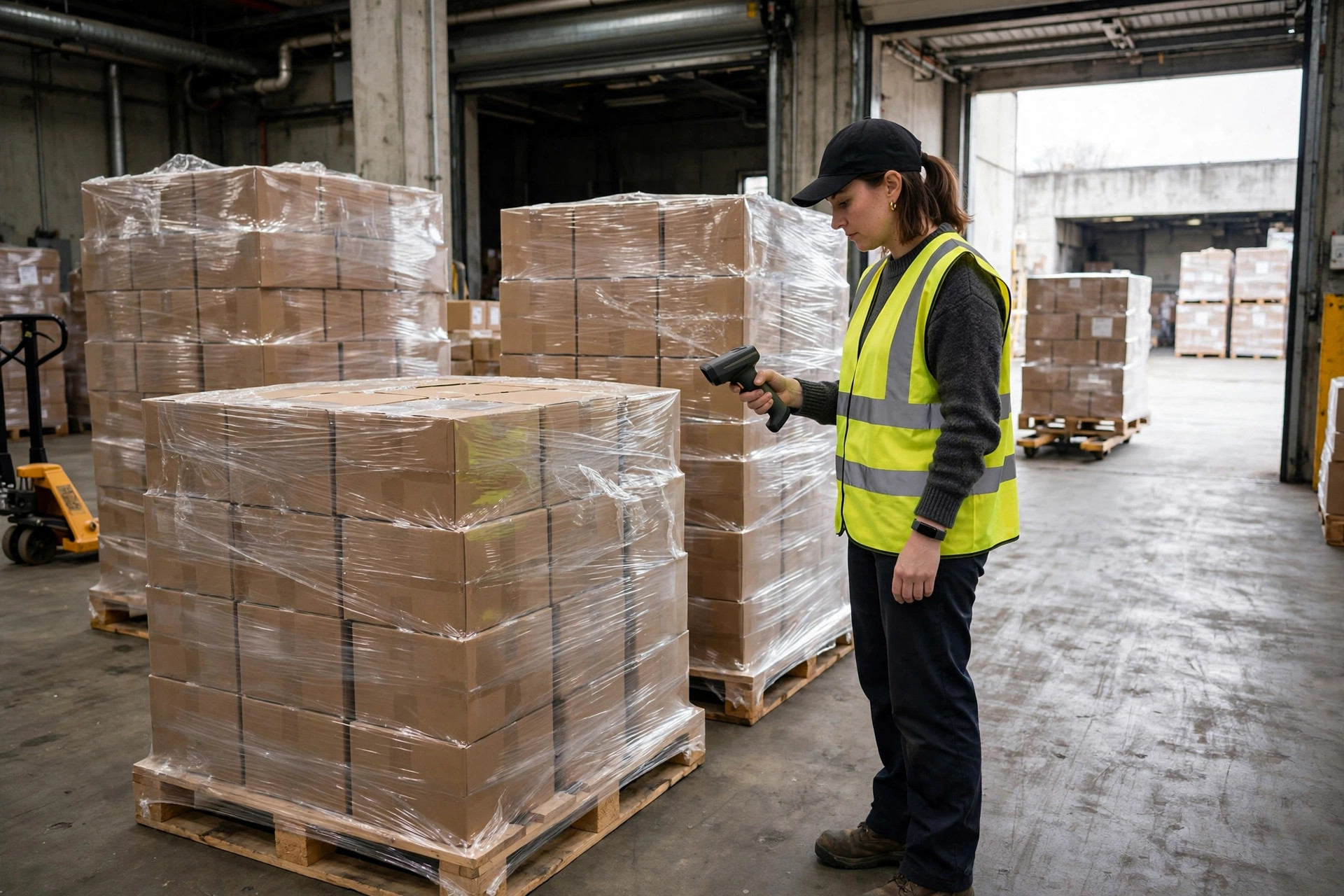
Second: paperwork before freight. The documents arrive before the truck. Packing lists, carton marks, PO numbers sent ahead let QC check against the sheet instead of digging through cartons for model numbers. Most receiving disputes come down to documents not matching goods. Paperwork-first cuts a big chunk out of inspection time.
Third: sampling instead of 100% inspection. Here's counter-intuitive truth number two: inspecting every single carton looks like the safest option, but it turns QC into the bottleneck. For reliable suppliers, sampling plus traceability when something's off is far faster, and quality doesn't suffer. The point of inspection is catching systemic problems, not giving every carton a physical exam. Write which freight gets full inspection and which gets sampled into the SOP — not decided on the spot.
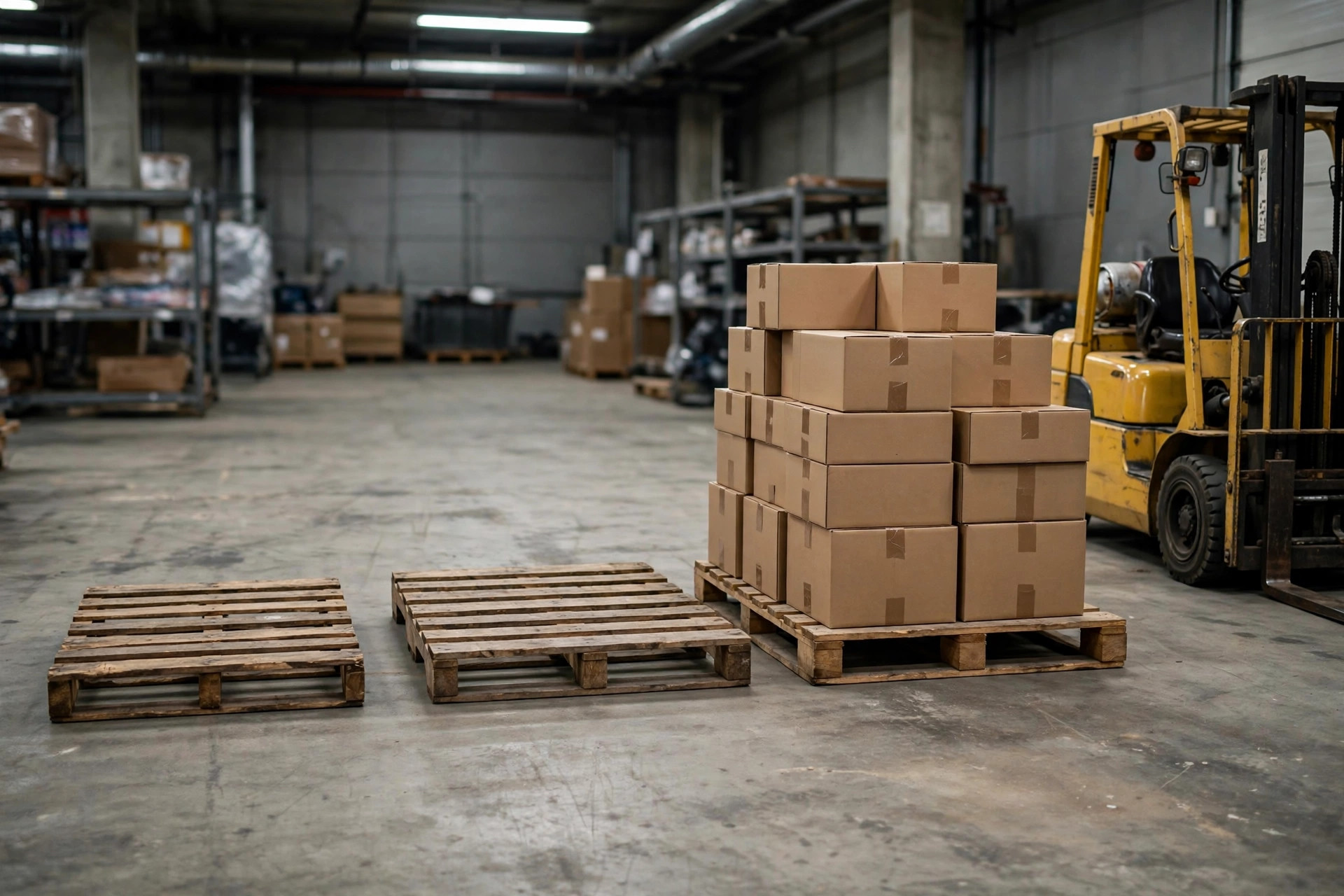
Fourth: direct putaway for standard freight. Full pallets with intact packaging go straight to the rack, skipping staging. Staging areas are easy to enter and hard to leave — freight goes in and puts down roots.
Fifth: don't let staging become a junkyard. Zone the staging area and put a time limit on it — say, clear it within 4 hours, with a red flag when something overstays. A staging area with no time limit always ends up as an open-air warehouse.
Impact versus investment — pick what fits your operation:
| Measure | Main stage it compresses | Investment | How fast it pays off |
|---|---|---|---|
| Appointment scheduling | Door waiting | Low: a roster and a phone line | Fast |
| Paperwork-first (ASN) | Counting and QC | Medium: needs supplier cooperation | Medium |
| Sampling over full inspection | Counting and QC | Low: an SOP change | Fast |
| Direct putaway | Staging queue | Medium: needs staging layout planning | Medium |
| More people and equipment | Everything | High: ongoing cost | Fast but expensive |
Who Foots the Bill for Those Two Days
Let me run some numbers — all illustrative, to show the magnitude. Take a warehouse receiving 20 trailers a day with freight averaging 48 hours from dock to shelf: that's 40 trailer-loads sitting unreceived. Cut it to 12 hours and only 10 remain. The 30-trailer difference — at, say, $30,000 a load — means $900,000 less cash tied up on the books for a day and a half. Freight that "arrived" but can't ship is inventory that magically gained an extra day or two, and the cargo owner pays for it without ever seeing a line item.
On the driver's side? Half a day burned at the dock usually costs a short haul. Time is trips, and trips are money. That gap is never just the warehouse's affair: the warehouse saves labor and space, the cargo owner saves working capital, the driver saves waiting time. Everyone has skin in the game.
Straight Talk for Warehouses and Cargo Owners
Three things for warehouses:
First, don't book every door. Keep one or two flex doors for peaks and problem loads. An empty dock door isn't waste — a line of waiting trucks is. Counter-intuitive truth number three.
Second, don't make the driver wait for the system. Drivers need that signed receipt to get paid. Goods unloaded and counts confirmed? Sign it, and catch up the system later. Keep a driver overnight at your gate and next time nobody good wants to haul your freight. Drivers remember.
Third, set the standard, don't just hire the checker. With the standard written down, anyone can work fast. Left to judgment, your numbers depend on who's on shift that day.
Three things for cargo owners and shippers:
First, get the marks and packing lists right. Document-goods mismatch is the biggest source of QC arguments, and clear carton marks speed up inspection enormously. It costs nothing but attention.
Second, don't all ship for Monday morning. Everyone arriving Monday means the longest queue. Ship for Tuesday if you can — staggering works on the road and at the warehouse alike.
Third, ask about that number before you sign with a warehouse. "What's your average, in hours?" — and put it in the contract. Eight to ten hours is excellent; over 24 deserves a hard look. That number tells you more about a warehouse's true level than the rent per square foot.
The old saying goes: sharpening the axe won't slow the woodcutting. Half the work at the dock happens before the truck arrives — paperwork, appointments, carton marks. Get those blades sharp and the freight flies once it lands. And here's what fifteen years behind the wheel taught me: freight at the dock isn't delivered. It's delivered when it's in the system, on a shelf.
By Shifu Zhao, Trucking Veteran (15 yrs)