Here is my verdict up front: if you are setting up a warehouse in Czechia, the Prague capital region is the right bet — but do not put the warehouse in central Prague. Prague's real value is not its downtown streets. It is the corridors running out of the city: west to Germany, north to Poland, south to Austria, east to Slovakia. A warehouse that serves only Prague locals can sit close to the city. A warehouse that has to cover several Central European markets at once belongs in a suburban logistics park, near a motorway interchange, not near the city center. That is the trade-off at the heart of this market: the closer you get to the customer, the better the delivery speed; the closer you get to the motorway and the workforce, the better the cost and reliability. Prague forces you to balance both.
I have seen too many people start with the wrong question: what is the rent per square meter in Prague? A few years ago I helped a small home-goods seller who found a compact warehouse near Prague's old town. The rent looked reasonable, it was close to city customers, and pickup was easy. Then the real bill showed up. Large trucks could not enter during daytime restricted hours, so replenishment had to happen at night or early morning. The ceiling was too low, forklifts could barely turn, and picking was almost entirely manual. Worst of all, the night shift could not hold staff — during peak season, workers quit after a day or two, orders backed up for two days, and returns climbed with them. He later moved to a logistics park east of Prague, near a motorway exit. The rent per meter was not much lower, but the ceiling height, dock doors, and truck parking were all there, trucks could come and go all day, and hiring got easier. The same volume, lower fulfillment cost. That is Prague's first lesson: a city warehouse buys location, a suburban park buys operating capability, and e-commerce and distribution live or die on capability.
Start With People, Orders, and Trucks — Not Rent
The Prague capital region is Czechia's largest consumer market and its deepest labor pool. That much is true. But a warehouse decision needs three things checked before rent: where orders come from, where workers come from, and where trucks go.
On orders, Prague itself gives you high local density, good for same-day and next-day city delivery. It does not, on its own, justify a Central European hub. The larger prize is cross-border: Germany is usually the biggest direction, Poland is growing fast, and Slovakia and Austria are smaller but steady. A warehouse built only for Czech domestic orders and a warehouse built for the German-speaking region plus Central and Eastern Europe are two different projects. The first can hug the city. The second has to hug the corridors.
On labor, central Prague is expensive and churns fast, and night and weekend warehouse shifts are the hardest to fill. Towns around suburban logistics parks are often easier: shuttle buses, easy parking, and workers who actually stay. I have seen a suburban team lock in temp-worker bus routes a month before peak season and sail through the surge, while a city warehouse hiring temp staff in peak week watched new hires walk out the next day. That is not a management failure. It is a location failure.
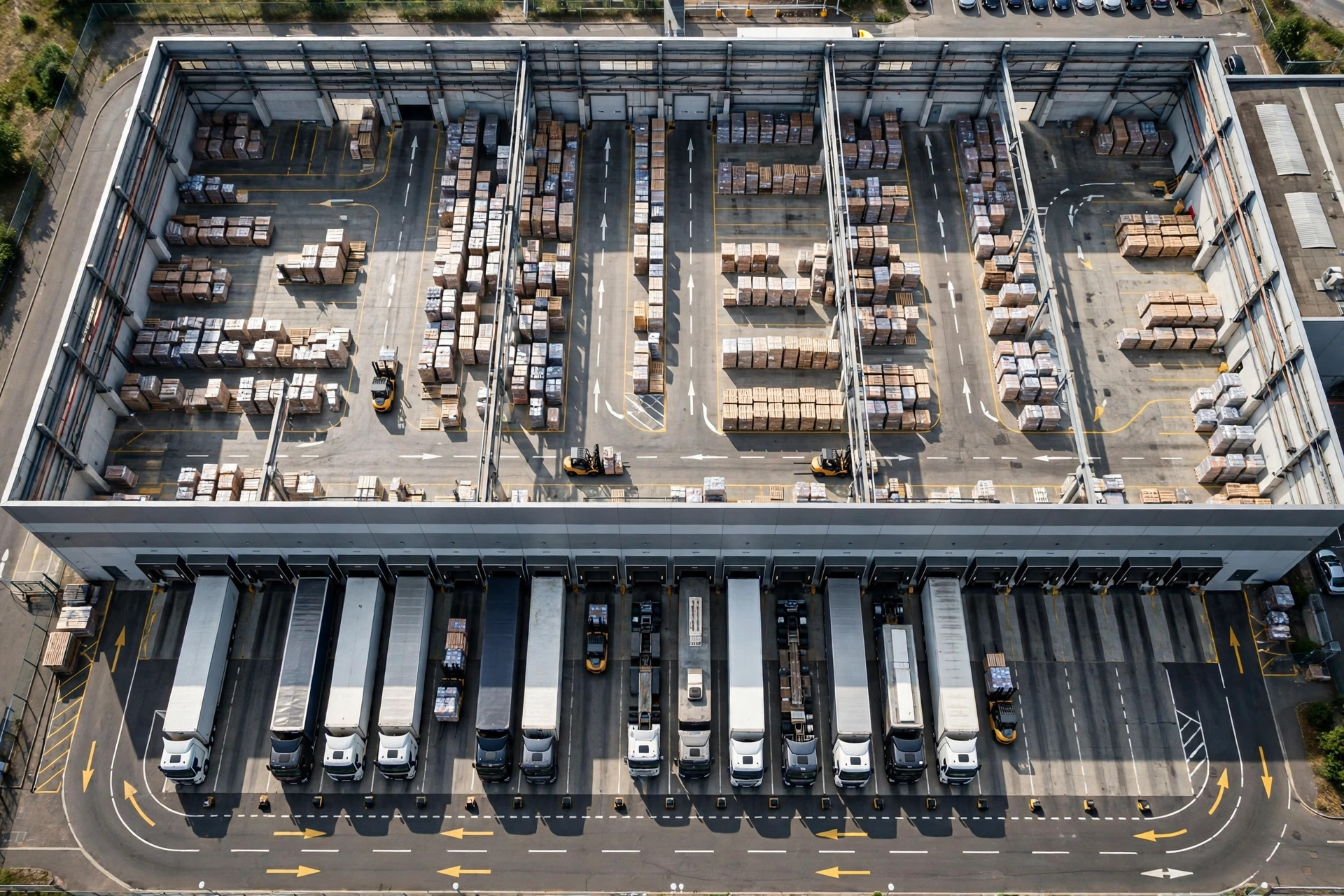
On trucks, Prague's advantage is that the corridors are complete. The western motorway toward Germany is the most mature lane in the region; the northern, southern, and eastern routes reach Poland, Austria, and Slovakia, and together they form a distribution network. Draw your main lanes on a map first, then pick the warehouse closest to the right interchange. Do not pick the warehouse first and then try to make the lanes fit.
Suburban Park, City Warehouse, or Border Warehouse
Here is the comparison I actually use with clients. You do not need decimals; if the order of magnitude is right, the decision will be right:
| Option | Rent level | Delivery speed | Labor | Best for |
|---|---|---|---|---|
| Prague suburban logistics park | Mid-range, fairly similar across parks | Next-day across the capital region; one to two days into neighboring markets | Relatively easier to hire, shuttles help | Most cross-border sellers and distributors |
| Prague city warehouse | Clearly higher, and space is small | Best for same-day city delivery | Expensive and hard to retain | Prague-only instant or same-day delivery |
| Border-area warehouse | Lower, depending on the stretch of road | Close to one neighbor, far from Prague locals | Depends on local supply | A single neighboring market only |
The trade-off is blunt: a city warehouse buys speed at the highest price, a border warehouse buys low rent at the edge of the market, and a suburban park is the middle path least likely to go wrong. For most sellers entering Central Europe for the first time, my advice is to start in a suburban park, get Prague plus Germany, Poland, and Slovakia running smoothly, and only then consider a second point near a border or in the city. Do it the other way around — start at the border and then try to cover Prague — and you have put yourself at the edge of the market, where local delivery times and return handling both suffer.
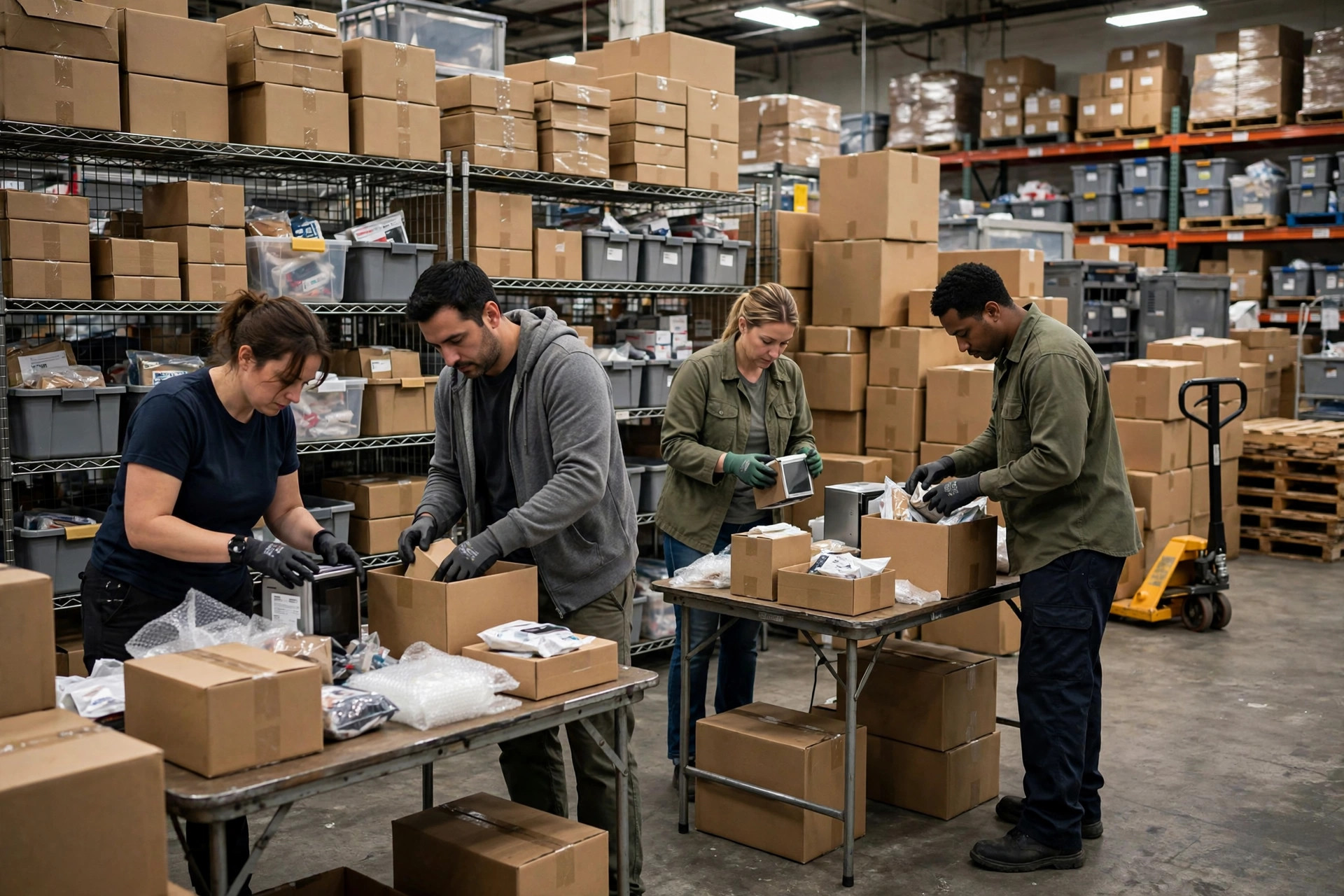
Returns deserve their own line in the budget, because Central European e-commerce returns cannot be an afterthought. Prague works well as a returns hub precisely because it sits where several corridors meet: returns from Germany, Austria, and Poland can all flow back to Prague for inspection, sorting, refurbishment, or disposal. But only if the warehouse has a real returns area — inspection benches, photo stations, and a quarantine zone for defective goods. Miss one of those three and returns pile up. I watched an apparel team run outbound orders beautifully and then drown in returns, simply because the original lease counted only outbound space and left no room for returns. Before you sign, carve out returns space as its own line item. You cannot fix that after the fact.
Winter, Roads, and the Rhythm of Distribution
Prague winters belong in the plan, not in the incident report. Snow and ice will not close roads every day, but they will hit early-morning trunk routes, especially on mountain and cross-border stretches. The fix is unglamorous: pull cut-off times forward by half a day to a day in winter, leave slack in the linehaul, use insulated or reinforced packaging for freeze- and breakage-sensitive goods, and agree backup routes with carriers in advance — which motorway, which interchange, in what order. Write it into the operating manual instead of improvising by phone during a storm.
Distribution rhythm is another Central European quirk that actually helps Prague. Public holidays differ across Germany, Austria, Czechia, and Poland, so order peaks do not land on the same day. One Prague warehouse can ride those staggered peaks without staffing for a single worst day. The catch is that your system has to carry each country's holiday calendar, and promotions and replenishment must be planned country by country. Do not run the whole region on one country's calendar.
So here is my parting advice: do not pay a premium for the prestige of being near the city center, and do not chase the cheapest rent at the border. Get three things straight first — your main lanes, your returns volume, and your winter slack — and then go look at warehouses. Once a lease is signed, moving a warehouse costs far more than changing a system. Is your Prague plan built around where the trucks actually go, or just where the map looks central?
By Lao Mi, Supply Chain Veteran (20 yrs)