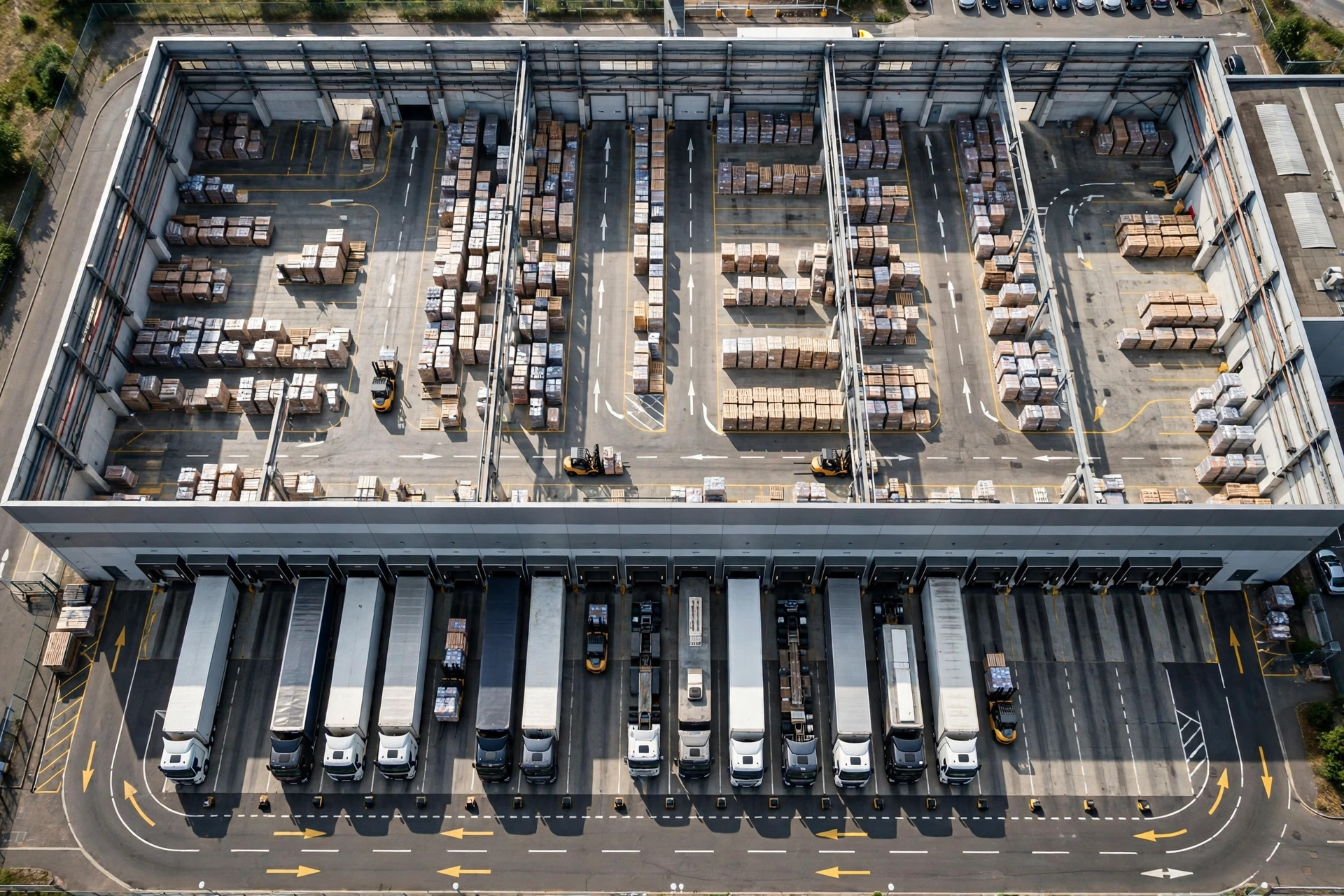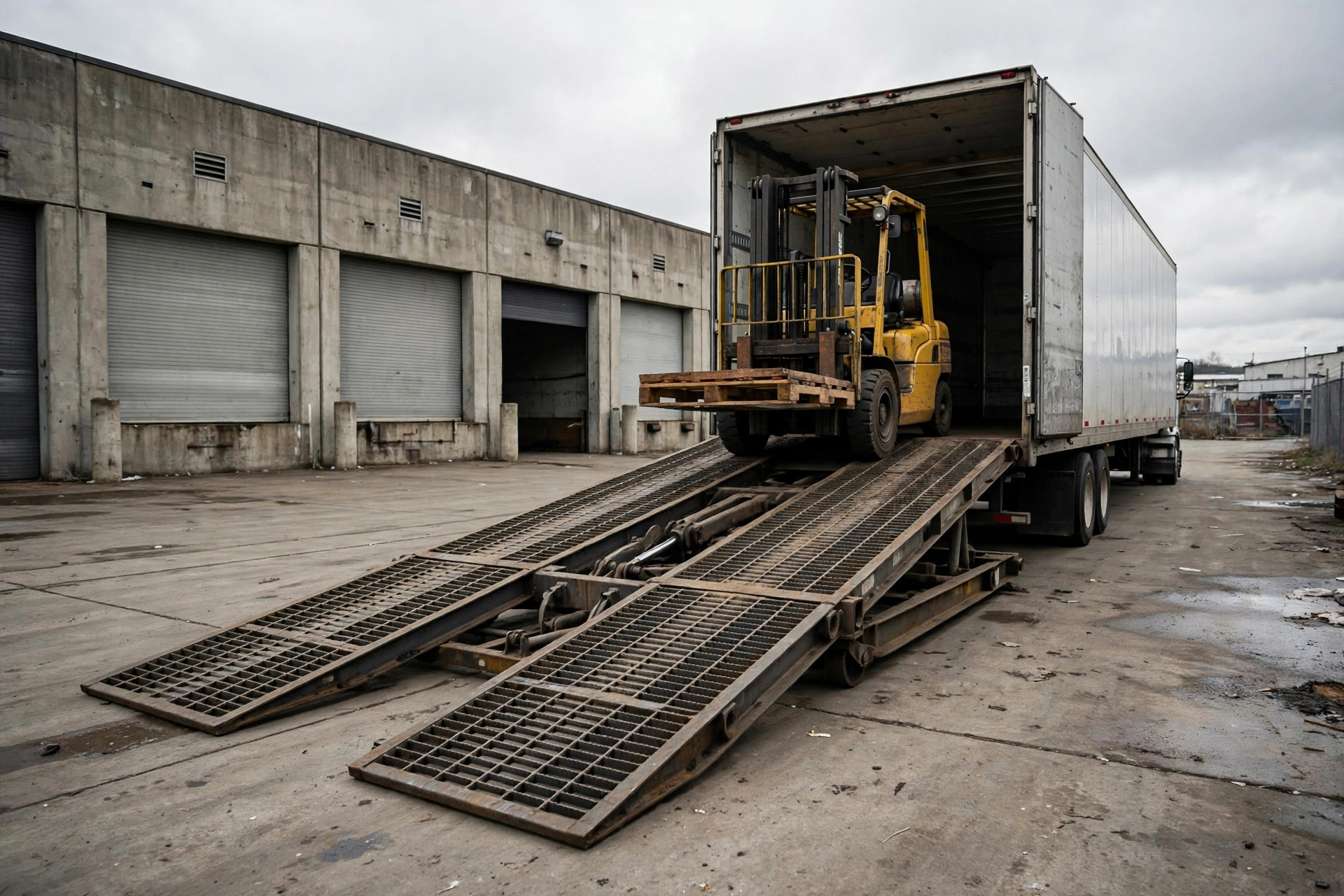
Building materials warehouse storage is a math problem before it is a racking problem. Start with one truckload of six-meter pipe coming into the warehouse. Unload it, restack it, find it a home, put it away. By the time the pipe is sitting on a rack, you have already spent labor and time on it, and you have not sold a single length. Most building-materials warehouses do not lose money on purchase price. They lose it on goods that get moved twice, searched for three times, and repaired or discounted once.
Building Materials Warehouse Storage: Where the Money Actually Goes
Do not judge a materials warehouse by its rent line alone. Rent is the visible bill. Three quieter bills eat the margin. The first is handling: a long load that is not put away properly the first time needs two people to lift and one to direct traffic every time it moves again, with a forklift reversing down the aisle. The second is damage: pipe bent out of shape, board edges chipped, profiles rusted at the surface. None of it sells at full price. The third is searching: stock buried deep and stacked in no obvious order means a picker spends the shift hunting, not shipping.
In the summer of 2024, a distributor in eastern China selling pipe and profiles learned this the expensive way. Its stock sat in an open yard, chosen because it was cheap and easy to drive into. After several days of rain, the lower layers of a few stacks of board swelled at the edges. The customer spotted it on inspection and knocked the price down. That single discount was larger than months of the rent difference for indoor space. The rework hurt more: workers spent two full days pulling the damp stock out, drying it, and restacking it, while outbound orders slipped behind. The rain stopped. The bill did not.
Cantilever Racks vs. the Yard: Building Materials Warehouse Storage on Three Costs
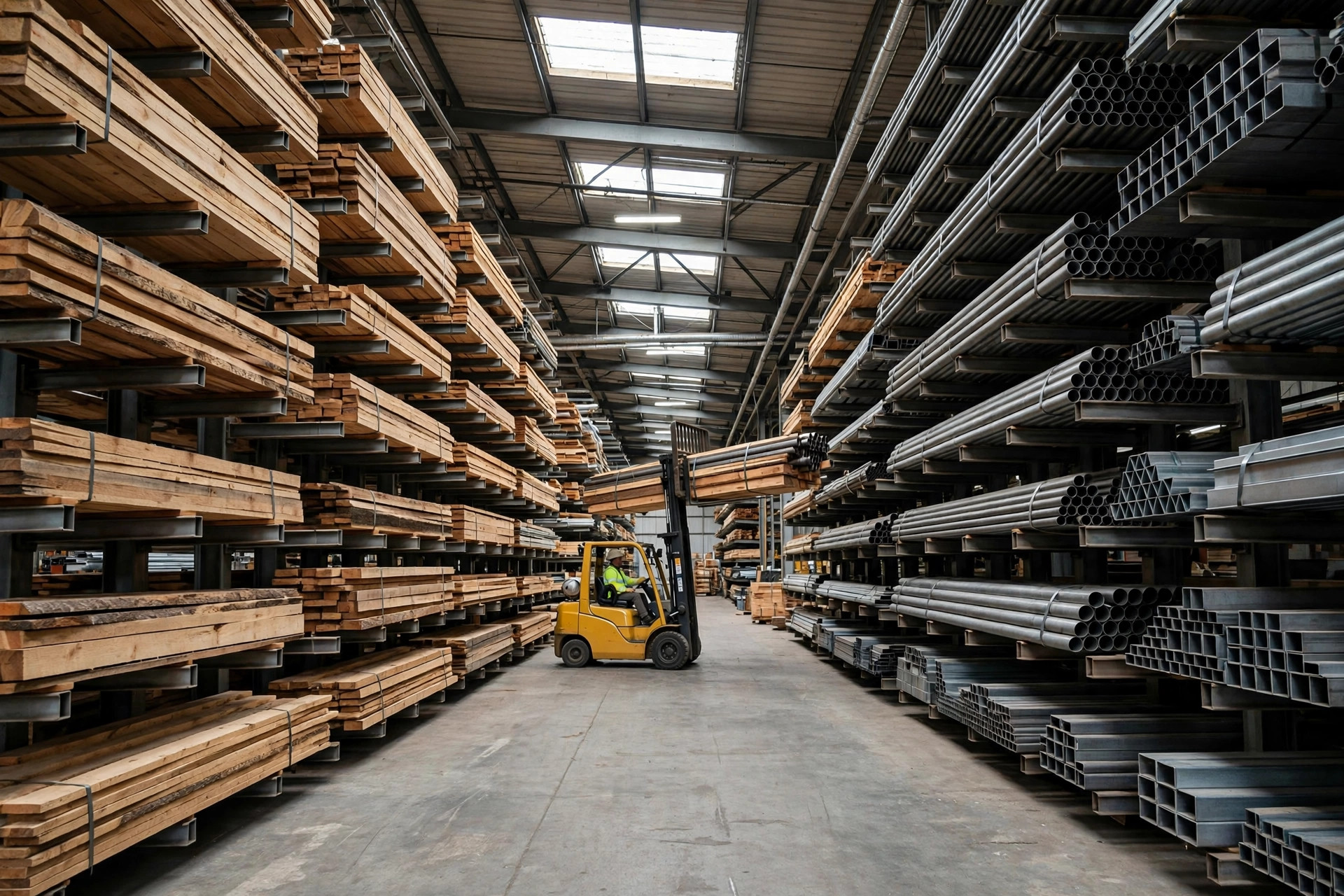
A cantilever rack is not a fancier version of a yard, and a yard is not a cheaper version of a rack. They serve different goods. A cantilever rack holds long stock flat on arms extending from one side, so the full length is supported and a bundle can be pulled straight out from the front. A yard lays stock flat on the ground on timbers, which suits very long, very heavy, fast-moving goods that tolerate weather. The table below uses one mid-sized materials warehouse's own internal figures. Treat them as that warehouse's working numbers, not as industry standards. Another warehouse will get different numbers. The method of comparing them stays the same.
| Factor | Cantilever rack (indoors) | Open yard |
|---|---|---|
| Best for | Pipe, profiles, and timber around six meters | Very long, heavy, fast-turning, weather-tolerant goods |
| Length protection | Full-length support, ends do not droop | Uneven timbers let long stock sag in the middle |
| Rain protection | Roof overhead, rain stays out | Tarps, which leak once the wind lifts them |
| Picking | Pull the target bundle straight out, no restacking | Stock underneath cannot move until stock on top moves |
| Floor use | Uses height, but needs wide aisles | Spreads flat and eats ground area |
The row most people underestimate is picking. A cantilever rack looks aisle-hungry, but each pick touches only the bundle being shipped. A yard looks flexible, but every pick of buried stock means moving the stock above it and putting it back. Over a year, those restacking hours often cost more than the racking itself. That is the kind of spending I call wasted money: money paid for repeated labor instead of for a fixture that would have prevented it.
Rain Is the Cost You Cannot Negotiate in Building Materials Storage
Rain damage has an unpleasant timing. Timber swells, steel rusts, board edges delaminate, and none of it shows up clearly on the day it happens. It shows up at customer inspection, when the options are a discount, a return, or rework. Every one of those costs more than keeping the rain off in the first place.
In 2022, a building-materials merchant in northern China put long stock on standard beam racking because the racks were already there and cost nothing new. Beam spacing was designed for pallet goods, so the long lengths sat with their ends unsupported and sagged slightly over time. The customer wanted straight lengths. On delivery, the bent pieces were measured and sent back, and the returned stock could only be sold as seconds. Switching to cantilever racking, with the full length supported, ended the problem. The lesson is blunt: buy racking to fit the shape of the goods, not to fit the cheapest quote. The wrong shape makes cheap racking the most expensive option in the building.
Here is the counter-intuitive part: indoor cantilever racking can be a waste of money for some goods. High-turnover profiles that arrive today and leave tomorrow gain nothing from a trip indoors, onto a rack, and off again. That is an extra handling step with no payoff. For that kind of stock, a roofed yard where a forklift drives straight in and out is cheaper. Saving money does not mean spending less everywhere. It means spending where the goods are actually vulnerable: on a roof for goods that fear water, on support for goods that fear bending, and on fewer touches for goods that turn fast.
A Conclusion You Can Compute: Length, Weight, and Water
Three questions settle the choice without guesswork. Ask about length first: is the stock longer than a standard rack can hold flat? If yes, cantilever racking enters the conversation. Ask about weight next: is a single bundle too heavy to move by hand, so the forklift aisle and the floor loading have to be planned? Ask about water last: would one rainstorm change the selling price? If yes, the stock needs a real roof. A tarp does not count.
The payback test can be written as one line: annual restacking hours saved, times the labor cost per hour, plus the discount losses avoided, divided by the investment in racking and roofing. If the result is above one, the investment pays. If it is below one, the volume or the damage has not yet reached the point where the investment earns its keep. Run the same test in reverse for the yard: subtract tarp labor, rain discounts, and restacking hours from whatever the yard appears to save. What remains is what the yard truly saves. Measure both sides with the same ruler, and the choice stops being a matter of opinion.
Most warehouses end up with a mix, and that mix is the correct answer, not a compromise: rain-sensitive long stock goes indoors on cantilever racks, very long weather-tolerant fast movers stay under a roofed yard, and small odd pieces go on ordinary racking. Each category pays only for the protection it genuinely needs. Before the next load arrives, run the three questions over it, then decide where it goes. The numbers will tell you, and they will not flatter anyone.
By Lao Zhou, Logistics Cost Analyst