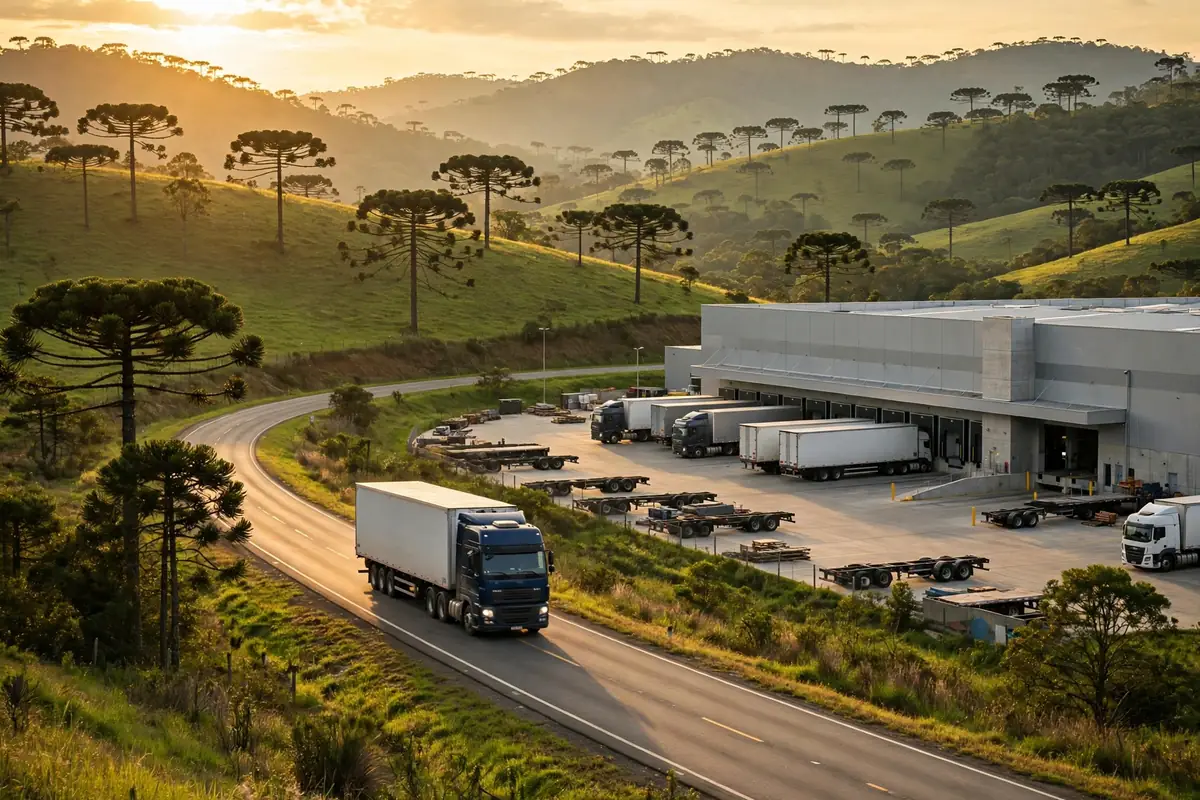
Let me tell you how I judge curitiba brazil warehouse logistics: I do not start with a map on a desk. I start with the road. Years ago I rode south with a friend who sells auto parts, leaving the Sao Paulo area at night toward Curitiba. The further south we went, the more hills we climbed, the rain came and went, and every rest stop was full of drivers swapping stories about which stretch was jammed and which warehouse gate had a line. That run was not smooth. Still, the load arrived steady, and my friend said something I never forgot: a warehouse that looks close on paper is not close at all. It is close only when a truck reaches the customer on time, again and again.
Curitiba sits in southern Brazil. It is not the loudest market in the country, and that is exactly the point. Head north and you still serve the huge Sao Paulo market. Head east and the seaports are a few hundred kilometres away, a workable trucking distance. Head south and you cover the southern states without dragging every order down from the north. Behind the city sits a real hinterland: car plants, parts makers, appliance sellers, and families buying everyday goods. You do not put a warehouse here to explode overnight. You put one here to ship steady, handle returns close to home, and stop paying for the same long road over and over.
The Road Math Behind Curitiba Brazil Warehouse Logistics
Drivers never judge a warehouse by rent alone. Rent is the number you can see. The money you cannot see sits on the road: trucks waiting, fuel burned on hills, an extra overnight stop, and a customer calling for the third time to ask where the load is.
Here is a simple illustrative example, not a market quote, just to show the logic. Say you supply Sao Paulo and several southern cities from one northern warehouse. Every southern order becomes a long run, and as volume grows, delivery times swing. Now move only the southern regulars into Curitiba. The north keeps the big national orders, the south handles short local runs. You may not save a fortune on fuel. What you save is waiting, missed slots, and angry phone calls. Anyone who has run dispatch knows that saving is real money, even when it never shows up in a spreadsheet.
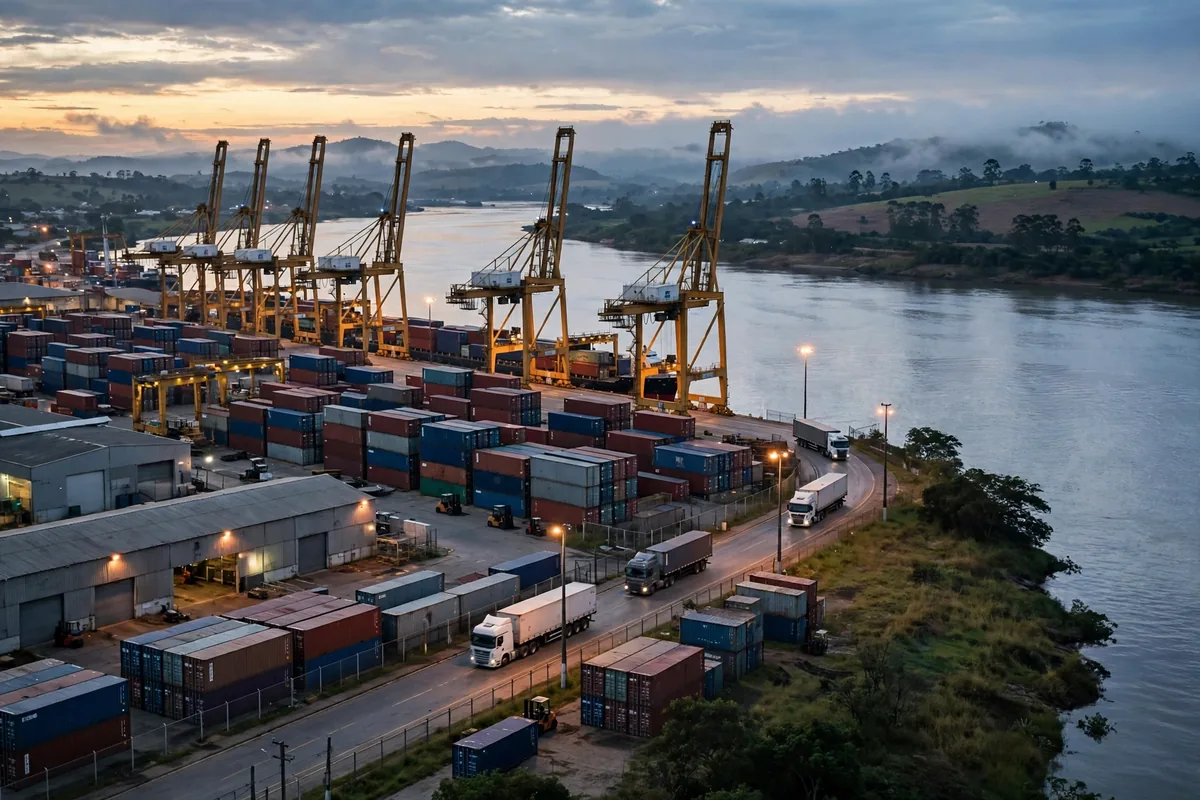
Ports need the same honest thinking. Freight comes off a ship, clears, waits for a truck, then moves inland. If any link slips, the goods sit still and the bill keeps growing. Curitiba is not sitting on the dock, and nobody should pretend it is. It is close enough that port moves can be planned as regular work. The trap is the opposite choice: a cheap warehouse picked only because it hugs the port, while the buyers live far inland. The rent looks clever for one month. Then the trucking bills arrive, month after month. For port rules and charges, do not take my word for any detail. Check the latest official guidance locally and work with a qualified local adviser, because paperwork mistakes cost more than advice ever will.
Weather belongs in this math too. Rain on hilly southern roads slows everything down, so old hands quote two delivery windows: the normal one, and the honest one when weather turns bad. Customers respect that far more than a fast promise that keeps breaking.
What Belongs in a Curitiba Warehouse, and What Does Not
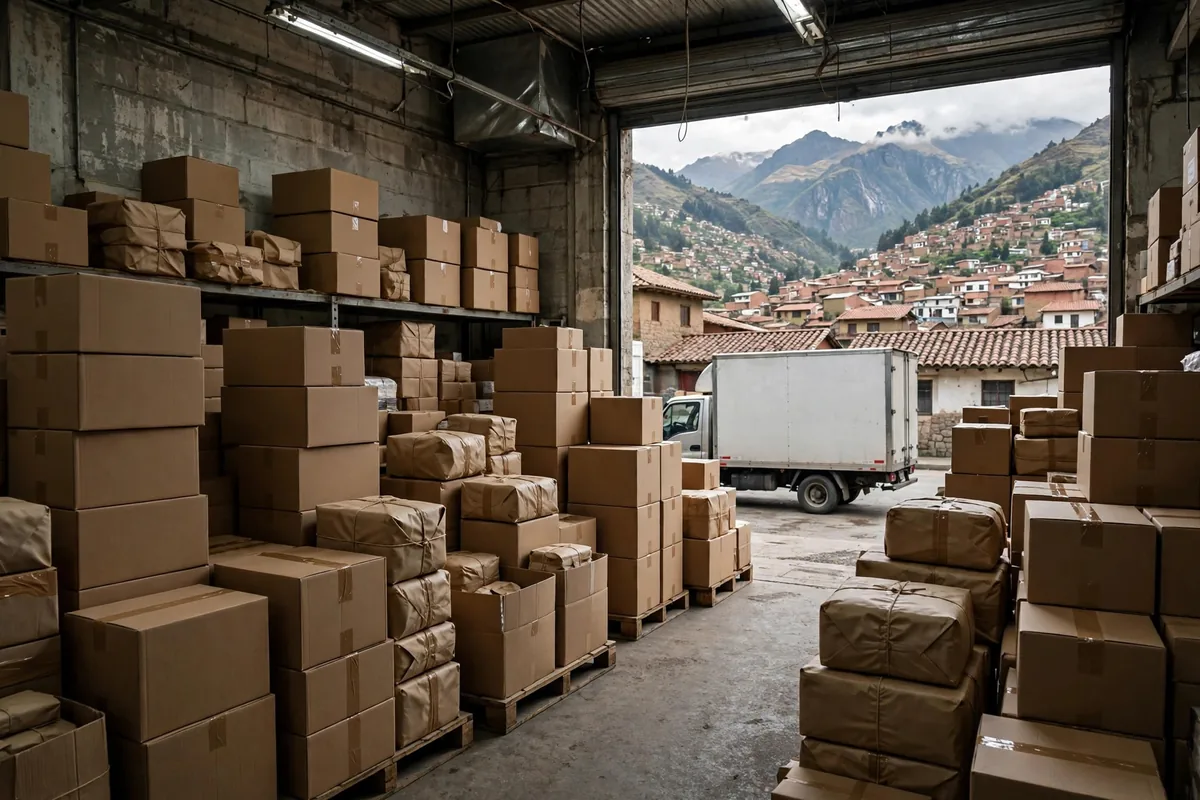
Take auto parts first, because this city was built for them. Picture a supplier in an illustrative scenario: hundreds of part numbers, repair shops and small dealers across the south, orders small but urgent. A shop needs one part today because a customer's car sits on a lift. If that part spends an extra day on the road, the shop loses work and remembers who made it wait. Keep the fast movers in Curitiba and the slow tail in the main warehouse, and urgent orders suddenly become easy. Heavy, bulky parts punish long hauls more than almost anything. Storing them near the people who fit them is plain common sense.
Consumer electronics play a different game. The goods are valuable, the models age fast, and nobody can afford theft, damage, or a mountain of last season's stock. A southern warehouse lets a seller stock current models near southern buyers, ship quickly during a promotion, then pull back before the model cools. I once listened to a young electronics seller complain that all his stock sat near Sao Paulo. Every southern promotion turned into a race his trucks kept losing, and the bad reviews all said the same thing: the page said in stock, the road said otherwise. He split only the headline models south and kept the bulk in the north. The complaints dropped in a way he could see with his own eyes. One warning: valuable goods demand tight discipline and strict gate records. A good location cannot rescue sloppy control.
Cross-border stocking can work here, with discipline. Pre-position the few lines you already know sell in the south. What fails is shipping a container of untested hope across the ocean and praying. A bad guess arrives as a warehouse full of problems, too costly to send back and too slow to sell. Test small, then restock the winners. On the road, slow and right beats fast and stuck every time.
Here is the comparison I walk sellers through, about position, not prices:
| Question | One Sao Paulo warehouse | Split stock with Curitiba | Cheap port-side warehouse |
|---|---|---|---|
| Southern buyers | Long road, times swing | Short runs, steadier promises | Often needs another inland move |
| National orders | All stock in one place | Bulk stays north | Stock away from the main flow |
| Port freight | Workable, middle distance | A few hundred kilometres, easy to schedule | Closest to ship, furthest from buyers |
| Best fit | Full range, one roof | Auto parts, electronics, proven southern sellers | Freight that lands and leaves fast |
| Biggest risk | Southern orders dragged by distance | Records drifting between two sites | Saving rent, paying on the road |
Read that table and the trade-off shows itself. Curitiba does not replace Sao Paulo. It patches the south. If southern orders are a few tickets a month, skip the fixed warehouse and use a local partner. If they arrive daily, a proper warehouse is worth your time.
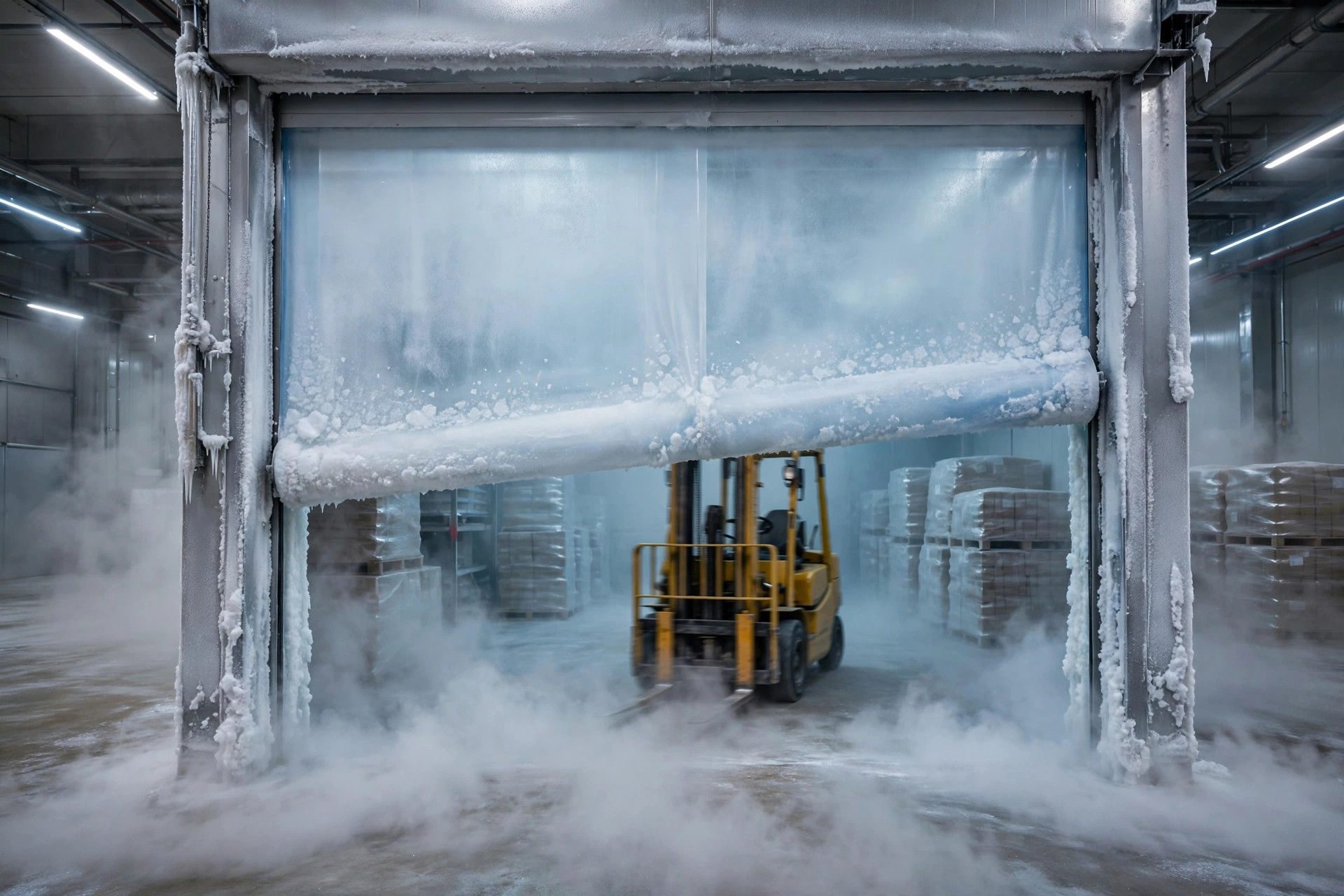
Now the other side, because I have watched people get this wrong. Do not split stock for a single national bestseller with shaky supply. Split it, and both sites run half empty while trucks shuttle top-ups between them. Be careful with short-life food and fresh goods until you have checked local cold storage and turnover speed with your own eyes. And do not copy a big seller's multi-warehouse layout before your volume earns it. Every added warehouse adds counts, bills, people, and headaches. I have also seen the grand opening mistake: rent big in the south, move everything at once, then discover the northern regulars now wait longer while the new market is still warming up. Both ends lose. Start with a partner warehouse for a good stretch of months, learn your order pattern and real delivery times, then sign for your own space with your eyes open.
Returns deserve a word too, because the road runs both ways. Southern returns shipped all the way north cost time, money, and goodwill. A Curitiba base takes them back locally, checks them fast, and returns good stock to the shelf. Many warehouse choices fail on that return road, not the delivery road.
So here is my road test, three plain questions. Are southern orders coming in daily, enough to keep a warehouse busy? Does your freight hate distance and waiting? And can you keep stock records honest across two sites? Three yes answers, go and look seriously. One no, start with a partner and learn first.
After all these years on the road, I still trust one old saying: a warehouse earns its keep by sitting in the right place, not by being the biggest one. Put the goods where they belong, and trucks stop running empty miles, customers stop chasing you, and the business lasts. Whether Curitiba is right for you is decided by your orders and your road. Run that math honestly, and the answer shows up on its own.
By Shifu Zhao, Trucking Veteran (15 yrs)