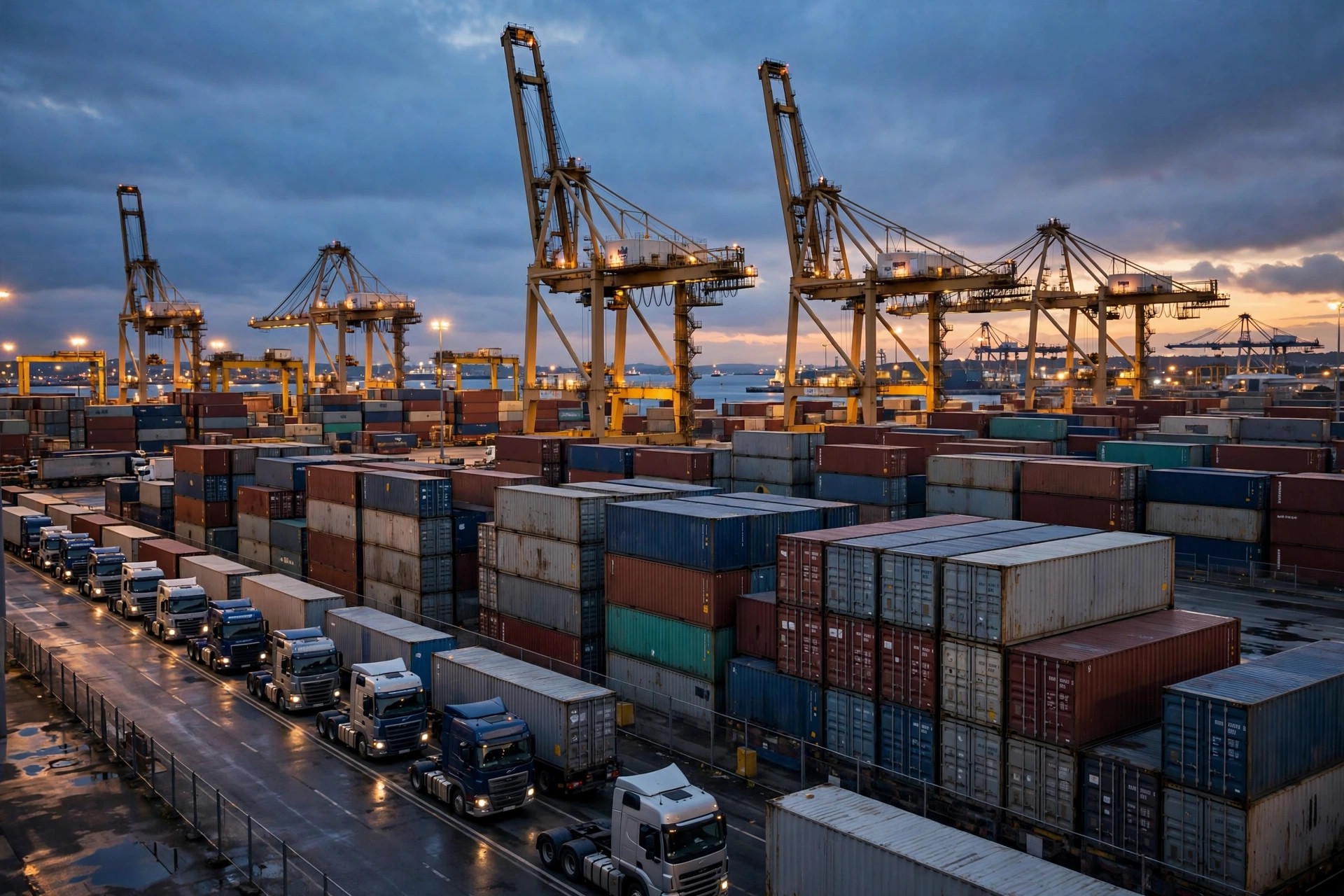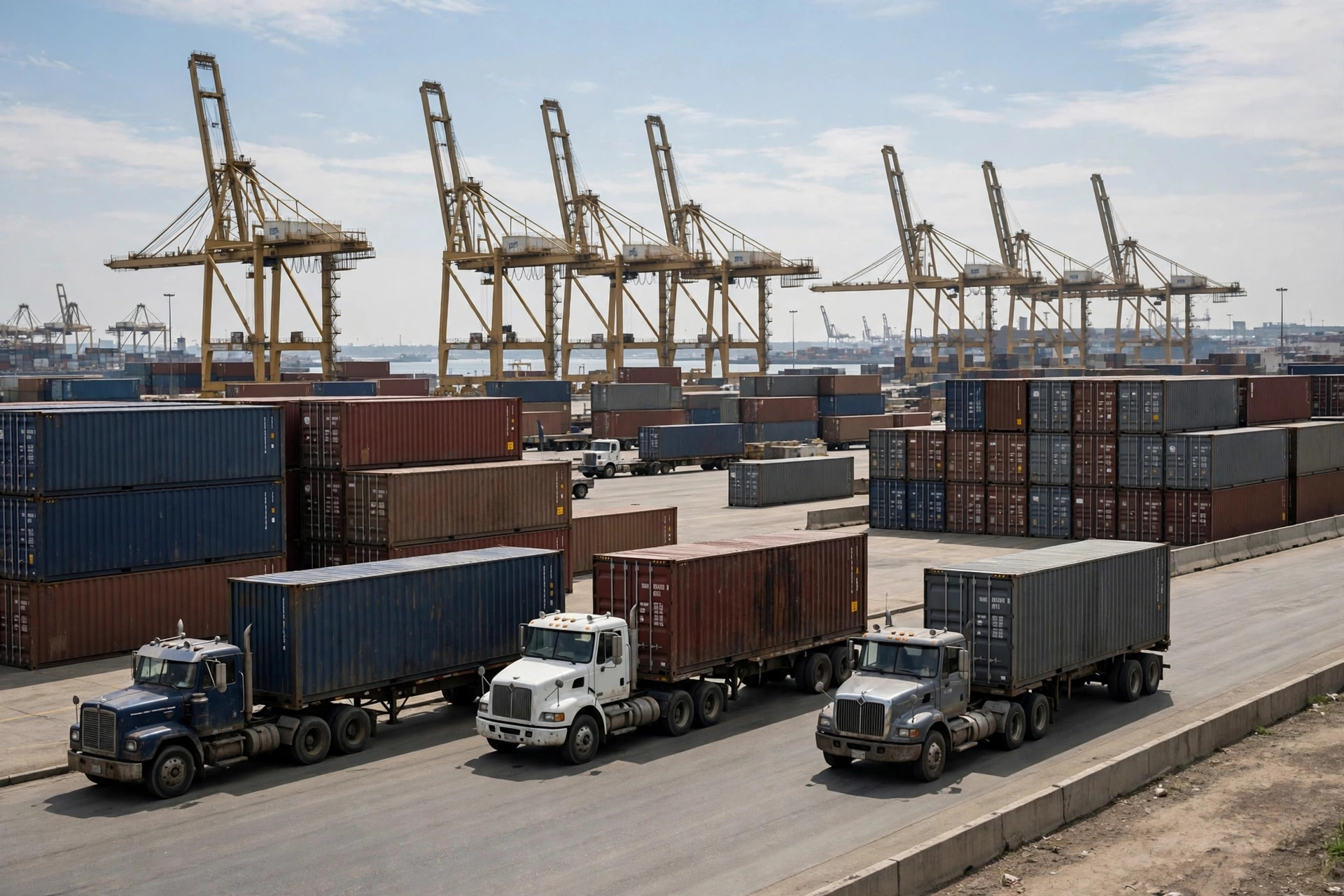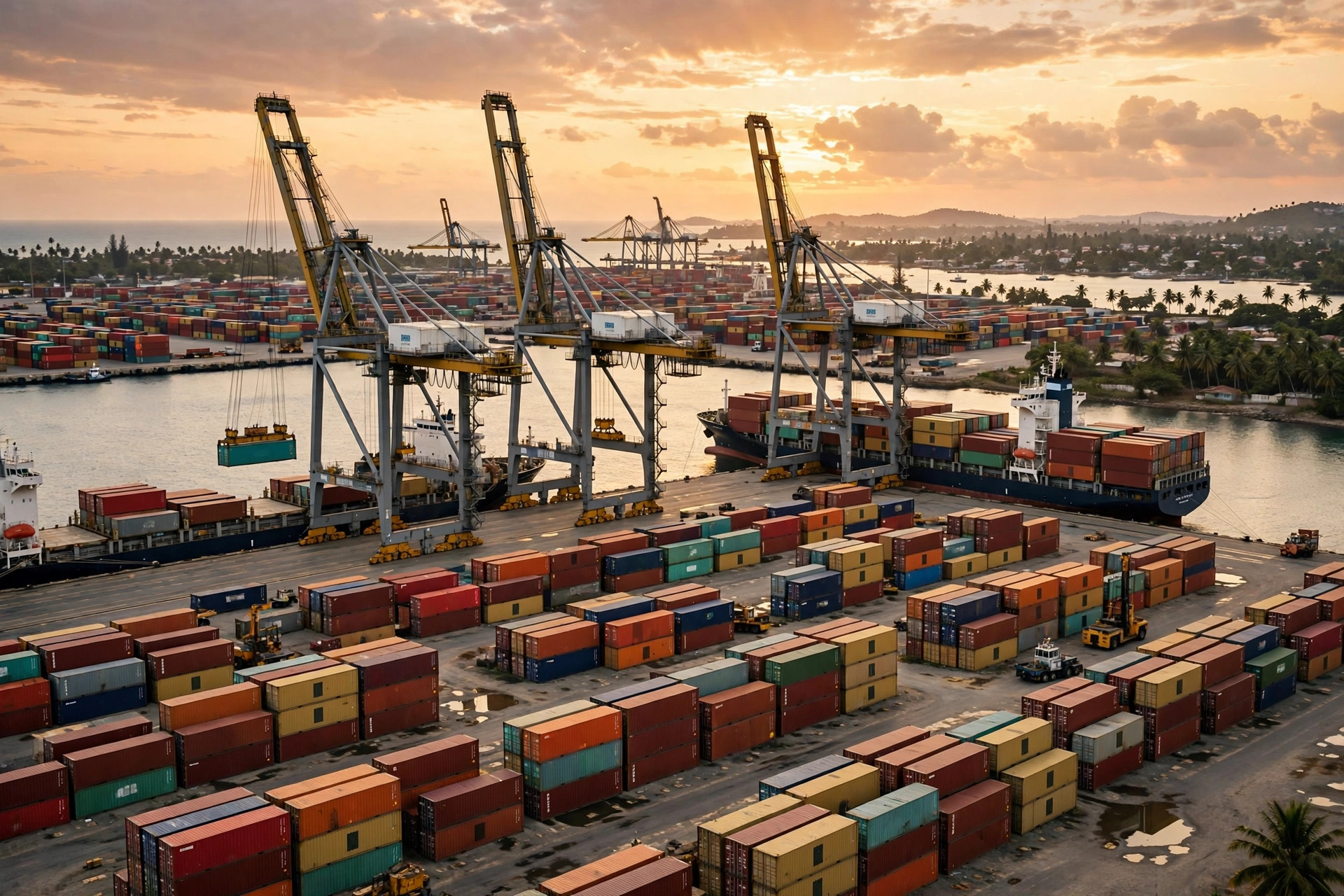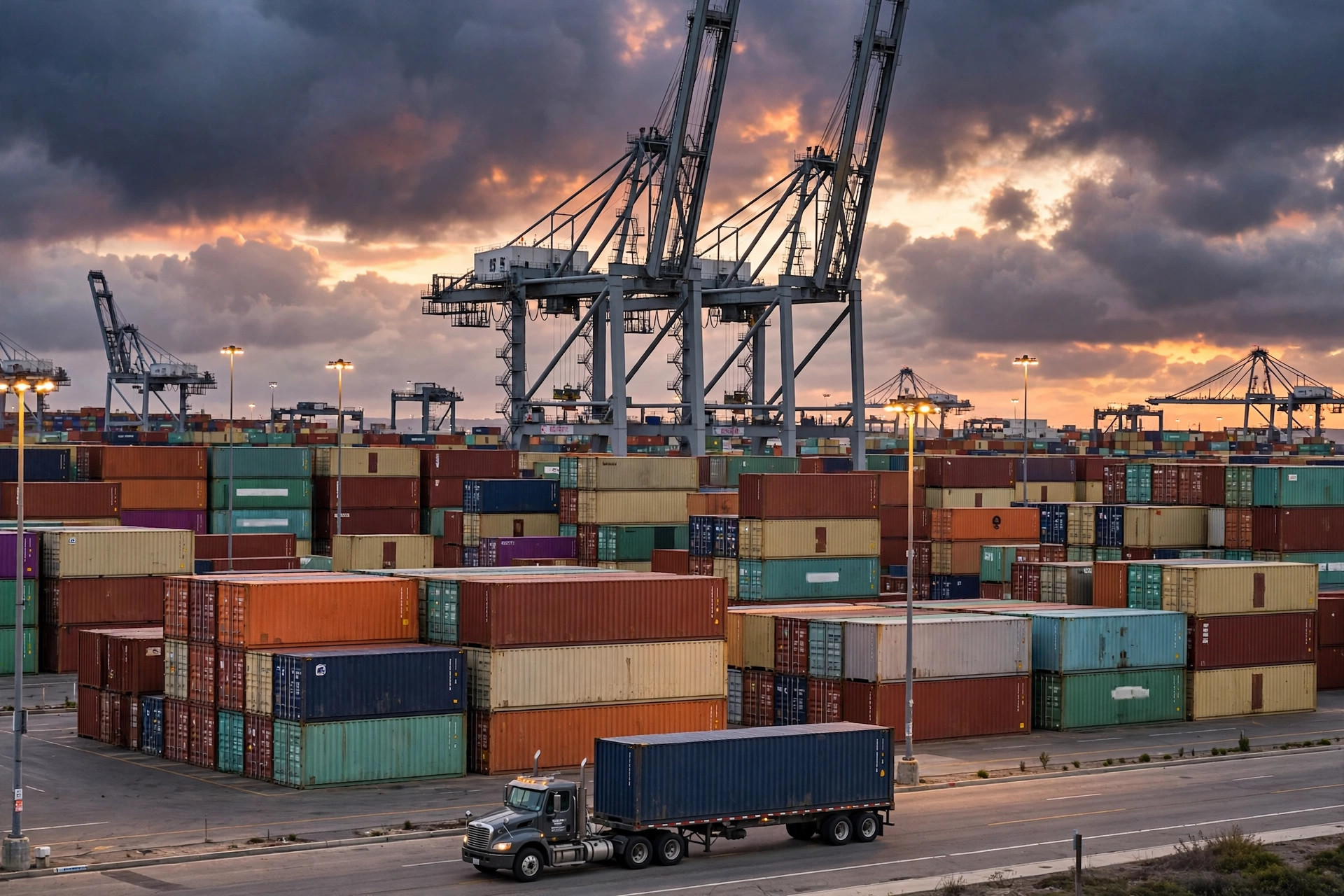
I read the invoice three times. A single 40-foot container, nine days uncollected at Long Beach, and the demurrage line was bigger than the entire ocean freight from origin to Long Beach. The shipper was a mid-sized home-goods importer who got caught in the 2021 port congestion. By the time the bill arrived, the box was long gone from the terminal. The money, of course, was not. Demurrage doesn't negotiate and it doesn't do credit.
Free time is the grace period the terminal and the ocean carrier give you to use their box for free. When it expires, the meter starts — and it bills by the day. Plenty of shippers only learn the rules of this game from their first demurrage invoice. Here are the rules, and the levers a shipper actually controls.
Two Meters, Two Owners — Stop Mixing Them Up
First, split two terms that too many people pay for as one. Demurrage is what you owe when the container sits at the terminal or container yard past free time — that's the terminal's money. Detention (carriers usually call it per diem) is what you owe when you've pulled the box out and return it late — that's the ocean carrier's money. One covers the box sitting inside the port, the other covers it sitting outside. Two different parties, two different policies, two different invoices.
Free-time allowances on both are short — typically a matter of days — and the exact number of days follows the latest policy of the carrier and the terminal. Never apply last year's experience to this year's shipment; the policies change year to year, and peak season plays by different rules than the off season.
The billing fine print is where it gets expensive. Calendar days or business days? Do weekends and holidays count? Does the daily rate escalate the longer you sit? Every answer lives in the contract terms, and if anything is ambiguous, get it in writing from the carrier before the vessel arrives. During the 2021 congestion I watched more than one shipper burn on "I thought we had two more days" — weekends counted, and the invoice proved it.
One more concept that matters: LFD, the Last Free Day. The clock doesn't start when the vessel berths — it starts when the container becomes "available" at the terminal. Berthing, discharge, and the box landing in an available stack can be a day or two apart. Shippers who count free time from the vessel schedule start wrong. Count from the available date in the carrier or terminal system; LFD runs from there.
Four Levers a Shipper Actually Controls
You can't dodge free time, but you can manage it. Four levers, ordered from fastest payoff to slowest:
Clear customs before the vessel berths. Have the paperwork ready and the entry filed before arrival — don't start hunting for documents and a broker after the ship is at anchor. For U.S. ocean imports, remember the ISF filing ("10+2") is due before loading at origin; a late ISF brings fines of its own and can hold up release. The free-time clock starts when the box becomes available, and it does not wait for your paperwork. Every day your documents lag is a day of penalties gifted for free.
Build the pull plan as one chain. Terminal release, gate appointment, truck dispatch — these three have to move as a single sequence. Most major terminals now require advance appointments in their booking systems, and a missed appointment doesn't pause the clock. My practice: the pull date goes into the plan before the vessel arrives, and the appointment and the drayage carrier get locked in together. Don't start calling for trucks after the box is "available."
Use a drop yard as a pressure valve. If your warehouse can't receive the box, don't let it sit at the terminal burning money. There are drop yards near most ports where you can stage the full container, and their daily rate is typically a small fraction of terminal demurrage. The math is simple: demurrage burns by the day, the yard charges by the day, and the two numbers live in different leagues.
Sync information with your drayage carrier. Vessel arrival, release status, appointment times — push all of it to the carrier in real time. Too many small shippers call for a truck on the last day of free time, and in peak season the carrier simply has no capacity left. With a carrier you work with regularly, share the arrival forecast early so the capacity gets planned. This lever costs no money, only attention.
Save Money the Legal Way — the Line You Don't Cross
Since the U.S. Ocean Shipping Reform Act of 2022, the Federal Maritime Commission has taken a clearer stance on unreasonable demurrage and detention charges. If you believe a charge is unfair — say, port congestion made it physically impossible to pull the box, yet the meter kept running — the right move is the dispute process: keep your pull records and evidence that congestion blocked you, and contest the charges line by line. With a solid paper trail, a meaningful share of these penalties can be negotiated down.
But there is a line, and it stays where it is. Deliberate non-payment, doctored documents, routing games to dodge fees — those roads end in blacklists, burned carrier relationships, and in the worst cases, courtrooms. The legitimate playbook has three moves: negotiate free-time days into your annual contracts, ask the carrier for extended free time before peak season, and play the four levers above so well that penalties never get a chance to accrue.
One more habit: keep every document. Gate receipts, appointment confirmations, screenshots of terminal congestion notices, every email with the carrier — one folder. Disputes and reconciliations are won on evidence in the end. An "unreasonable" charge with no paper trail behind it negotiates down to exactly zero.
One habit, every Friday afternoon, ten minutes: list next week's arriving boxes — vessel, arrival date, free-time expiry, owner. Four columns. That one sheet will save you most of your demurrage. With penalties, prevention is always cheaper than the cure.