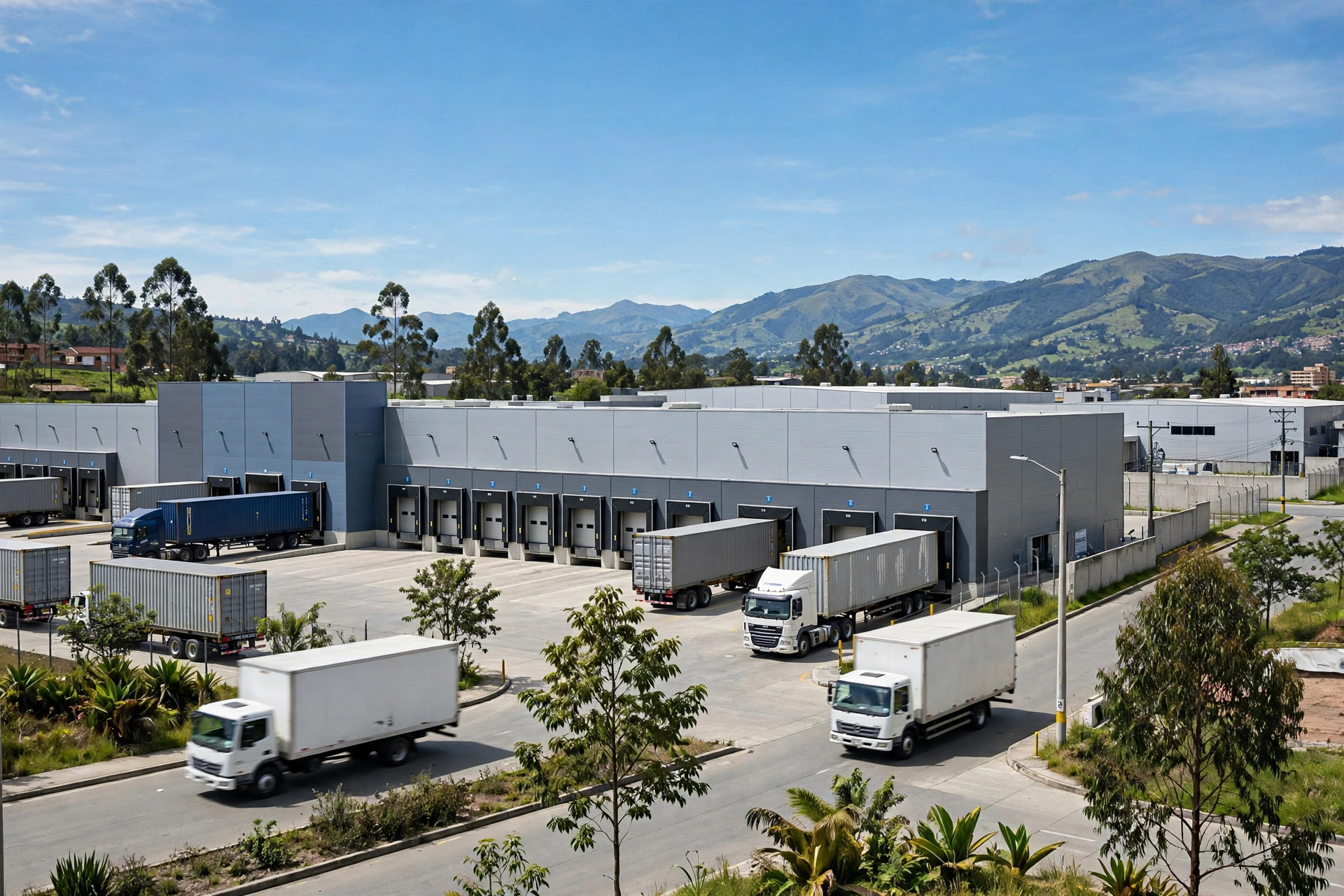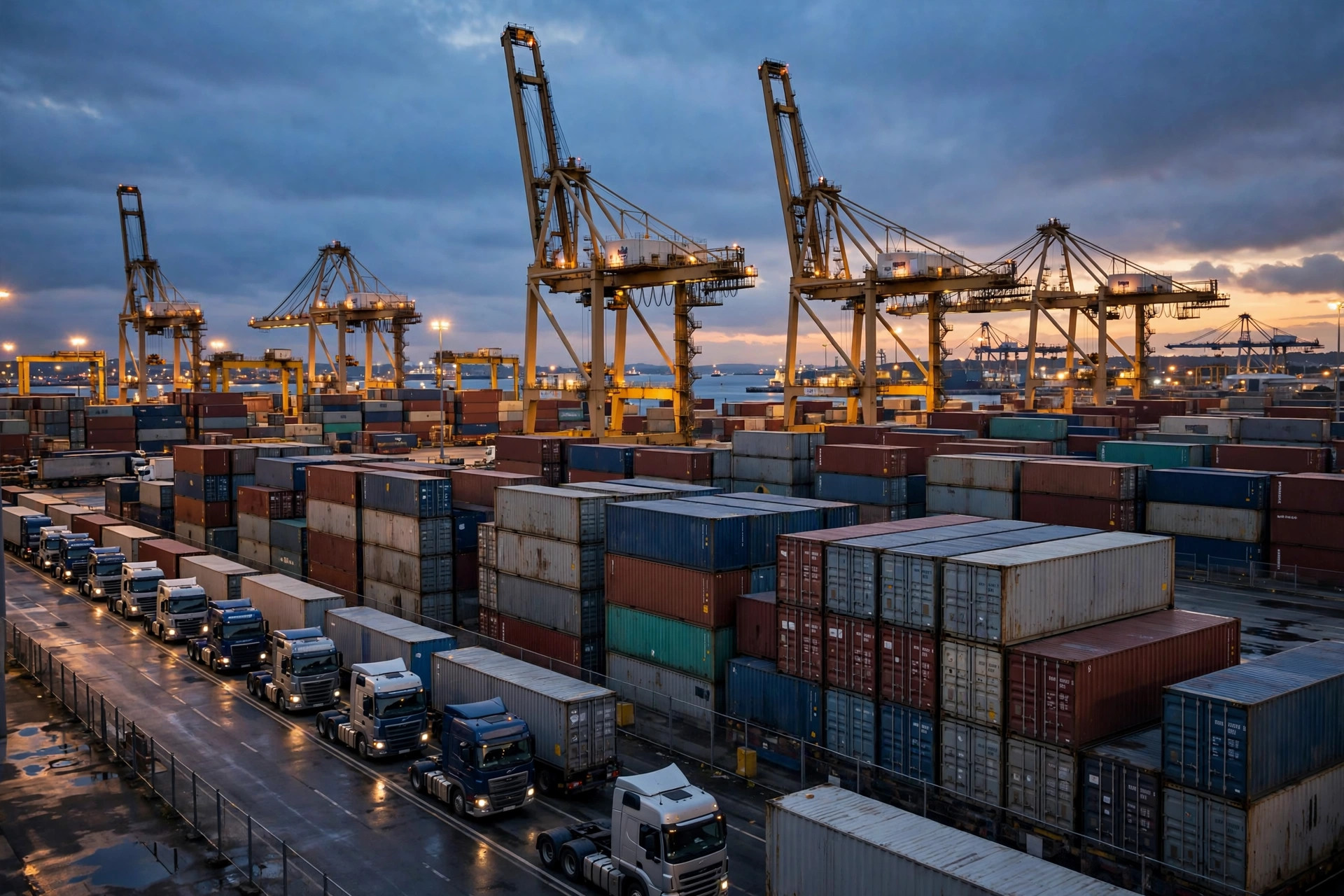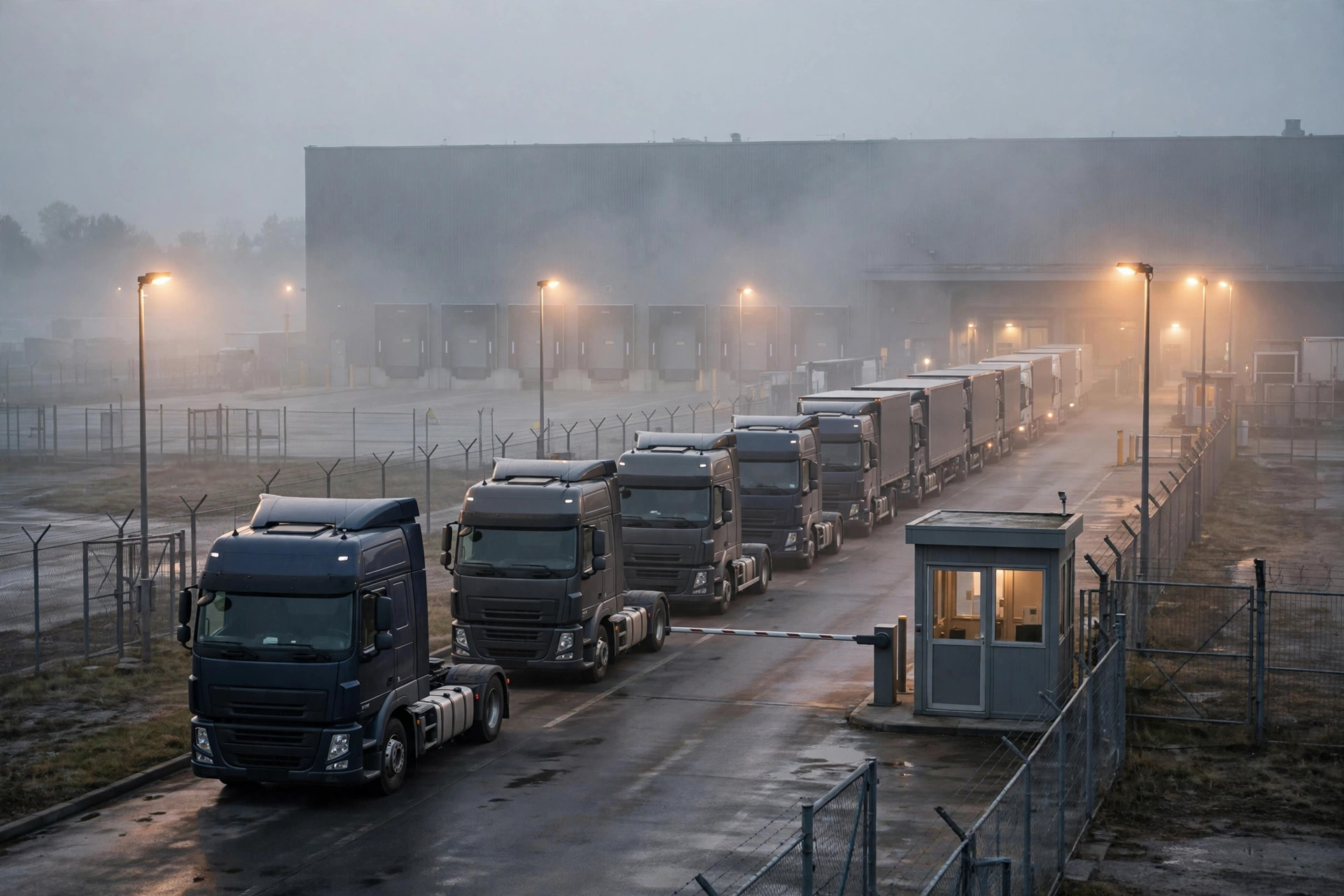
Full disclosure: I have never set foot in Kenya. I run a 3,000-square-meter warehouse back home — my daily battles involve a few box trucks and part-timers who occasionally mix up SKUs.
But late last year, my friend A'dan, who imports small consumer goods into East Africa, called me with a cracking voice: "Xiao Ma, my container has been stuck at Mombasa port for 11 days. The shipping line just sent the bill. Tell me — did I get robbed?"
I looked at the bill and laughed. Not at him — the bill felt familiar. Small warehouses like mine have exactly one superpower: we count every penny. Big companies can afford tuition fees for their mistakes. We can't. So here's the field manual I put together after tearing A'dan's bill apart: what Mombasa's container dwell time really means for your receiving plan, how much buffer to bake in, how demurrage actually works, and when to pick the SGR railway over a truck — and when not to.
105 hours translates to "plan for at least 7 days"
The official number first. The Kenya Ports Authority, via the Northern Corridor Transport Observatory's first-half 2026 report, puts average import container dwell time at Mombasa at 105 hours — about 4.4 days, against the port's own 72-hour charter target, which it has now missed two years running.
Read that number carefully. Dwell time here is measured from vessel discharge to gate exit. It doesn't cover the days your box sat because your paperwork wasn't ready, you got flagged for inspection, or you simply hadn't arranged a truck. So 105 hours is the good-day average. Your container will almost certainly take longer.
Our small-warehouse rule of thumb: receiving plan = official average + 2 days of insurance. For Mombasa that's 105 hours (4.4 days) + 2 days = at least 7 days of buffer. Add 2 more in peak season, like the Christmas stocking rush. Why? Because volumes keep climbing — in 2025 Mombasa handled 45.45 million tonnes of cargo (+10.9%) and 2.11 million TEUs (+5.5%). More cargo means more gate congestion, and your box is more likely to land in the worse half of the average.
A'dan was the cautionary tale: he planned his receiving around "vessel arrival + 3 days." The box took 11 days to clear. His Nairobi warehouse sat empty for a week, and his distributors nearly switched suppliers. The lesson: in African importing, buffer isn't a cost — it's survival money.
The demurrage bill: the shipping line AND the port both charge you
This was the most painful part of A'dan's bill, and the part most newcomers get wrong. Three terms, three different pockets:
- Demurrage: billed by the shipping line. Your box stays in the port past the line's free days (usually 5–7), and they charge per container per day.
- Detention: also the shipping line. Your box left the port but you didn't return the empty on time — you're charged for hogging their box.
- Storage: billed by the Kenya Ports Authority. Cargo sitting in the port yard past the free storage window gets charged by the yard owner.
See the trap? Once you're overdue, the line and the port run two meters at the same time. A'dan's 40-footer sat 11 days; his line gave him 7 free days, so 4 days of demurrage at tens of dollars per container per day — the Kenya clearing agents' association puts the range at roughly $13 to $100+ per day, depending on the line, box size, and how far overdue you are, with rates stepping up the longer you wait. Treat any single "standard rate" you see online with suspicion — there is no standard rate; every line's tariff is its own document. Always check the latest tariff from your line and KPA.
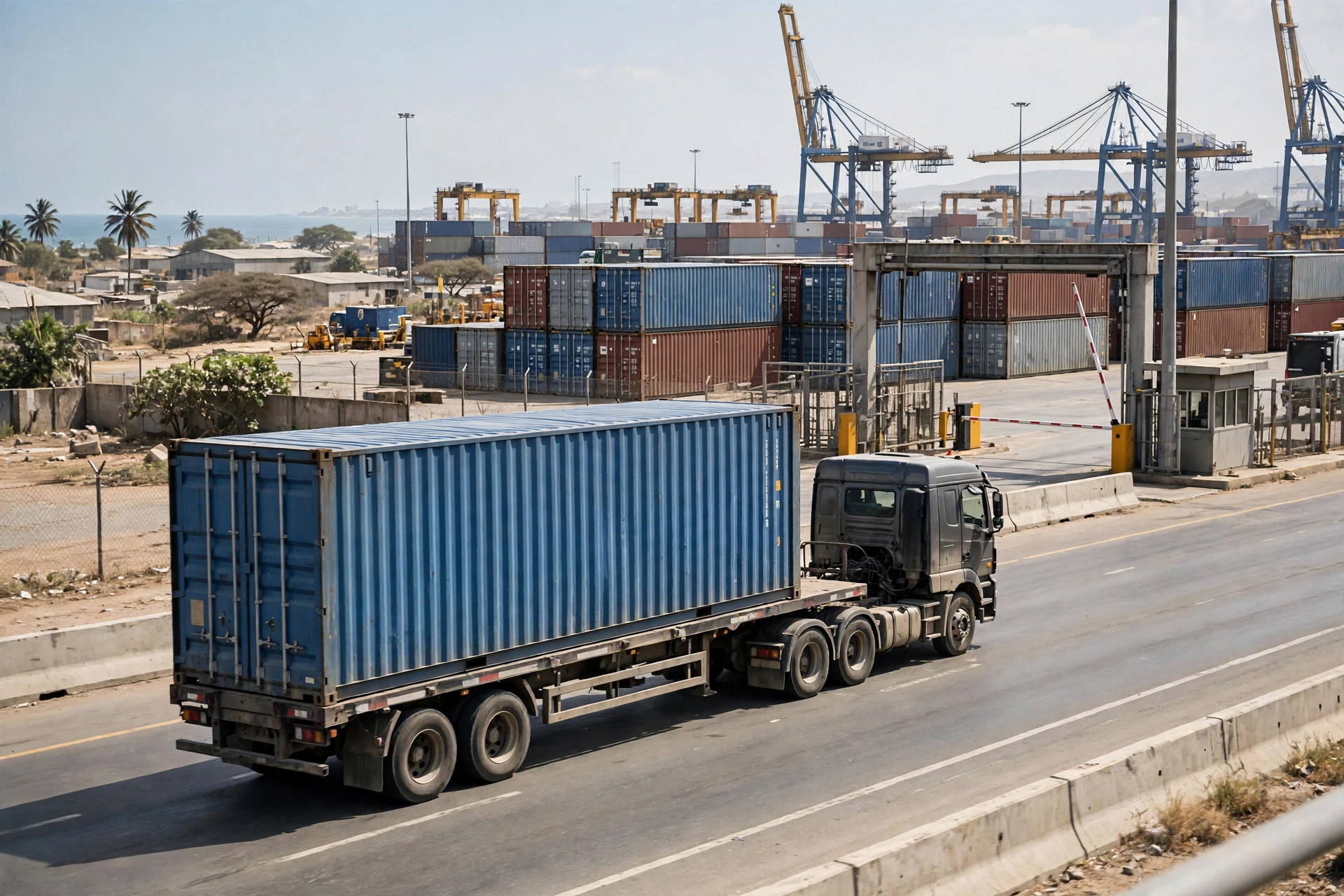
Here's the counterintuitive part: of A'dan's 4 overdue days, the port only "contributed" its average 4.4 days. The rest was his own fault. His certificate of origin arrived 3 days late, and then KRA flagged the shipment for inspection. Buried inside that official 105-hour figure is an uncomfortable truth — most importers' boxes sit longer than the average not because the port is slow, but because their own documents weren't ready.
So the cheapest way to avoid demurrage isn't fighting the port at all. It's this: have your paperwork complete before the vessel even sails. The Kenya Revenue Authority rolled out Advance Cargo Declaration for containerized cargo in August 2026 — commercial invoice, freight invoice, bill of lading, and export declaration all need to be ready pre-shipment. Complete documents get you onto the pre-arrival processing fast lane. A'dan learned his lesson: he now runs a document checklist per shipment, ticking every item 7 days before sailing, and won't let his forwarder book the slot if anything is missing. His boxes now clear in about 6 days on average.
One more street-smart tip: when the bill arrives, don't yell at the port about demurrage — demurrage is the line's money, and complaining to the port goes nowhere. Disputing KPA's storage charges goes through KPA's own channel. Small players' money has to be spent precisely, and complaints have to be filed at the right door.
SGR rail vs. truck: one comparison table
Once the box leaves the port, it still has to reach Nairobi (or further). On the Mombasa–Nairobi leg you have two options: the SGR standard-gauge railway, or a truck down the highway. Big companies run TCO models; we small warehouses use one table:
| SGR rail | Truck | |
|---|---|---|
| Mombasa → Nairobi, 20ft | ~$550 (Kenya Railways' new tariff, effective April 1, 2026 — up from $500) | ~KSh 50,000–65,000 all-in (~$390–500), varies by haulier and season |
| Last mile | You still collect at Nairobi's ICD and truck it to your warehouse: KSh 10,000–45,000 | Door-to-door, one price |
| Schedule reliability | Fixed train slots, no traffic | Flexible, but highway congestion and weighbridge queues are the norm |
| Best for | Warehouses near the Nairobi ICD, steady volumes | Remote destinations, urgent cargo, or small players with one or two boxes |
Notice the catch: the SGR's $550 only buys you port-to-ICD. The last mile and double handling are extra. Another friend of mine importing auto parts in Nairobi's Athi River industrial zone went with the rail to save money — then queued half a day to collect at the ICD, hired a short-haul truck to his warehouse, and ended up paying a couple thousand shillings more than a door-to-door truck, plus an extra day and a half.
So the decision tree is simple, and it's exactly one number: how far is your warehouse from the Nairobi ICD? Within a half-hour drive, the SGR wins cleanly. Beyond that ring, a truck's all-in door-to-door price usually suits small importers better — we can't afford to "save on freight and lose two days." Time is money too.
One trend worth noting: SGR freight volumes are surging — 4.10 million tonnes in the first half of 2026, up 15.1%. The more share rail takes, the more bargaining room road hauliers may offer. When a small importer negotiates a long-term truck rate, slapping the SGR quote on the table is one of the few bargaining chips we have.
Four street-smart rules for fellow small players
- Receiving plan = 105 hours + 2 days buffer; add 2 more in peak season. Don't trust the optimistic "3 days after vessel arrival" schedule — that's built for big companies with error tolerance.
- Front-load the paperwork checklist. KRA's pre-arrival declaration has been live since August 2026. No booking until documents are complete — it's the cheapest demurrage insurance there is.
- When the demurrage bill lands, check the free days first. Different lines grant different free periods (5–7 days). Confirm when your free period actually started before accepting the overdue-day count — every shilling of a small warehouse's money has to reconcile.
- SGR vs. truck comes down to your distance from the ICD. Don't compare trunk-line rates alone; add the last mile and the double handling, then compare totals.
Final honest word: Mombasa's 105 hours is a KPI for big importers. For small players like us, it's a toll gate every single shipment has to pass. But here's the flip side — we're small and nimble. Tight document control, generous buffers, and careful math mean we actually pay less tuition than the big companies with their rigid processes.
Small warehouses have their own way of surviving — when importing through Africa, the way is this: don't gamble with the port's clock; go to war with your own paperwork instead.
By Xiao Ma, Small Warehouse Owner