Here is the conclusion first: at the port of Piraeus, cargo does not have to go into a warehouse, but not all of it can skip one either. Pulling a container straight off the vessel and onto a train saves money and saves time, but it bets everything on the vessel schedule and the train schedule. Putting it in a warehouse costs money and takes space, but it buys you buffer. To put it plainly, this one cuts both ways. Which side wins depends on whether your cargo can afford to wait. That single question is what Piraeus port Greece warehouse logistics comes down to.
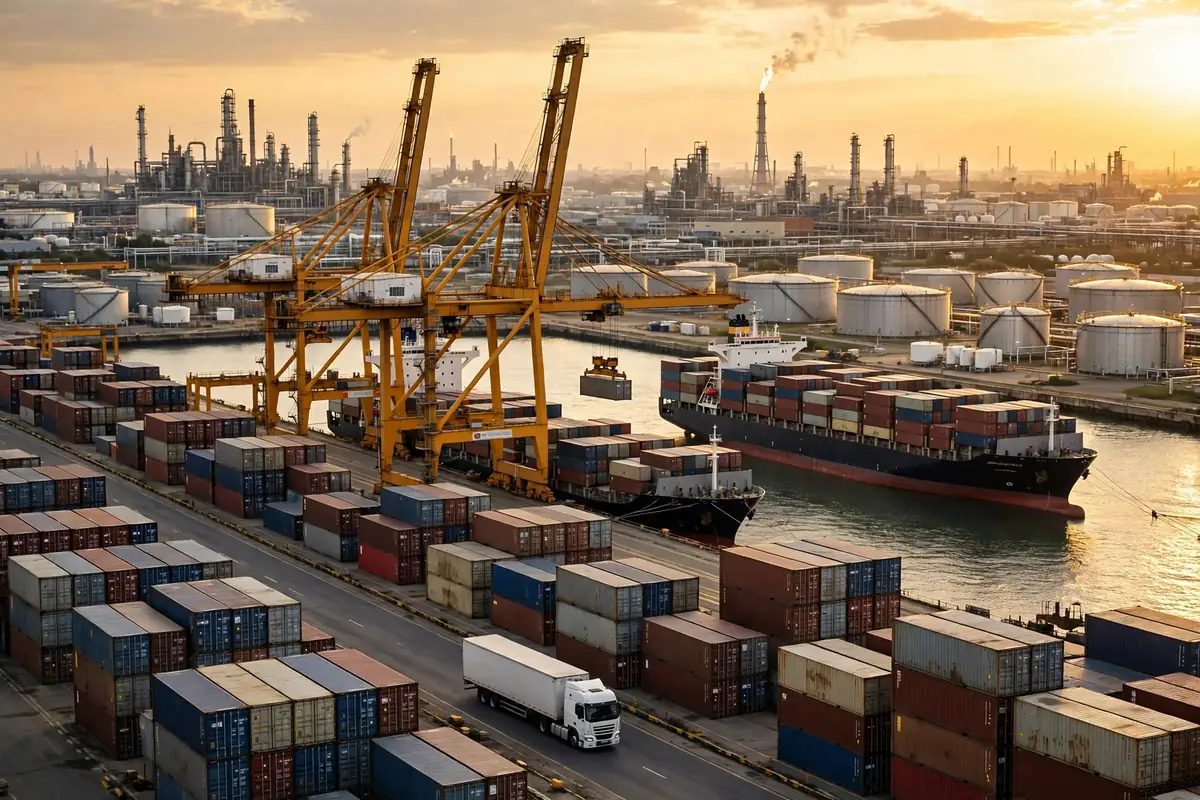
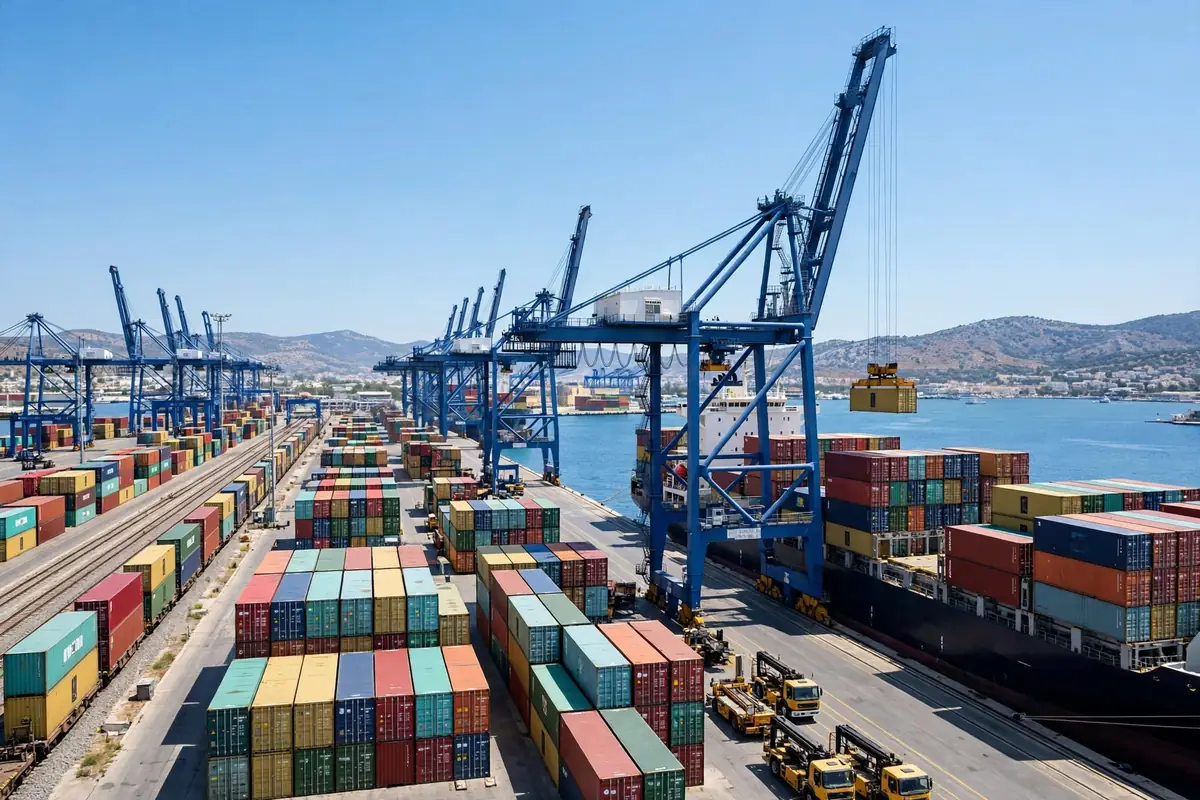
Piraeus is Greece's largest port and the gateway where sea-rail intermodal cargo enters Europe on its way to Central Europe. In 2024 the port handled 4.8 million TEU, down 5.8 percent from 5.1 million in 2023. Pier I handled 563,000 TEU, up 10 percent, while Piers II and III handled 4.2 million TEU, down 7.8 percent. In 2025, according to COSCO Ports figures, Piraeus Terminal fell another 6 percent to 3.97 million TEU, the second straight year of decline. When the Red Sea crisis pushed vessels around the Cape of Good Hope, cargo went around Piraeus too. When COSCO took over in 2016, the port moved about 680,000 TEU a year and ranked 93rd in the world. Today it is Europe's fourth-largest container port. Volumes are down, the position is intact, and the question has changed: when the cargo lands, does it go straight onto the train, or does it rest a few days in a warehouse behind the port?
Why Cargo at Piraeus Port Keeps Skipping the Warehouse
I have watched too many shippers get this calculation wrong. Last year a client distributing into Central and Eastern Europe shipped from Shanghai to Piraeus and planned to put the boxes straight onto the rail service to Budapest, no warehouse at all. The vessel arrived two days late. The block train runs once a week, so missing it meant waiting seven days. The containers sat in the port yard baking in the sun for a week, demurrage climbing day by day, and in the end the client paid more than a warehouse would have cost, and the cargo still arrived late. Direct transfer is wonderful when the vessel is on time. When the vessel is late, it is a disaster.
The Piraeus to Budapest container block train takes about four days and runs once a week. Another option is the Rijeka Land Sea Express, which quotes 32 days from East China to Budapest and 28 days from South China, transiting through Piraeus and Rijeka. Trains are reliable once they leave, but departures are few. When the cargo lands and the train is gone, you have a choice: wait in the yard or move it to a warehouse behind the port. The yard charges by the day, the warehouse by the month, and past about three days the warehouse is cheaper. Plenty of shippers never do this math until the invoice arrives and they discover the warehouse rent they saved went straight into demurrage.
Then there is customs. Cargo entering the EU through Piraeus can clear at the port or inland. Clear at the port and the goods move freely inside the EU from the moment they leave. Clear inland and the cargo travels under transit to an inland customs office, one more procedure, one more day, one more point of failure. But port clearance has its own cost: when the port brokers are busy, documents queue up, and the container waits anyway. So "skip the warehouse" usually turns out to mean "skip this warehouse and use that one instead."
Direct Transfer, Port-Side Warehouse, Inland Warehouse: Three Ways to Run Piraeus Port Greece Warehouse Logistics
Here is the three-way comparison, one container as a worked example. Say a box travels from Shanghai to Budapest by sea and rail. The numbers are an illustrative scenario for comparing the shape of each option, not a quotation.
| Route | Extra time, roughly | Where the money goes | Best for | | Direct transfer onto the train | Fastest when the vessel is on time, about 4 days to Budapest | Demurrage risk is high; miss the train and you wait a week | High-value, time-critical cargo on a reliable vessel schedule | | Port-side warehouse as a buffer | 1 to 3 extra days | Rent plus one extra handling, but no demurrage | Cargo that needs sorting, consolidation, or waiting for orders | | Inland warehouse, then distribute | 3 to 5 extra days | Cheaper inland rent, but an extra transit leg and road haul | Large volumes feeding a Central European distribution center |
Buried in that table is a counterintuitive point: falling port throughput does not mean falling port revenue. Piraeus Port Authority reported revenue of about 251 million euros in 2025, up 8.6 percent. Less cargo, more money, which tells you the port earns differently now: not only from lifting boxes, but from services, rates, and added value. So do not assume the port is desperate and will cut you a deal because you skip the warehouse. Quite the opposite: when throughput is soft, port-side warehouse space is the thing worth negotiating. Empty bays mean leverage, and a quarterly or half-yearly agreement signed in a slow period often gets terms you could not get in a busy one.
So how do you choose? Three questions. First, how reliable is the vessel: what has this service's on-time record looked like over the last three months? Reliable means direct transfer; unreliable means warehouse. Second, can the cargo afford to be late: will three days cost you an order or a customer? If you cannot afford it, do not gamble on direct transfer. Third, does the cargo need work: when it reaches Budapest, does it go straight to the customer, or does it need devanning, sorting, labeling, or repacking? Cargo that needs hands on it cannot skip the warehouse.
Three Ways Piraeus Warehouse Logistics Goes Wrong
The first is train capacity you cannot see. The rail ramp at the container terminal reportedly handles up to 10 trains a day, but a slot on the train is not yours just because you ask for one. In peak season, slots are booked weeks ahead, and trying to book after the vessel berths is like buying a plane ticket at the airport. Book the train while the vessel is still at sea, and rebook the moment the schedule slips.
The second is paperwork. I have seen too many containers stuck not at the quay but in the documents. A certificate of origin, an invoice, a packing list, one mismatch and the box waits in the port zone. One day is demurrage, three days is rent plus demurrage, a week and the customer is on the phone. There is no shortcut here. The documents have to be complete before the vessel sails, and only then do you talk about direct transfer.
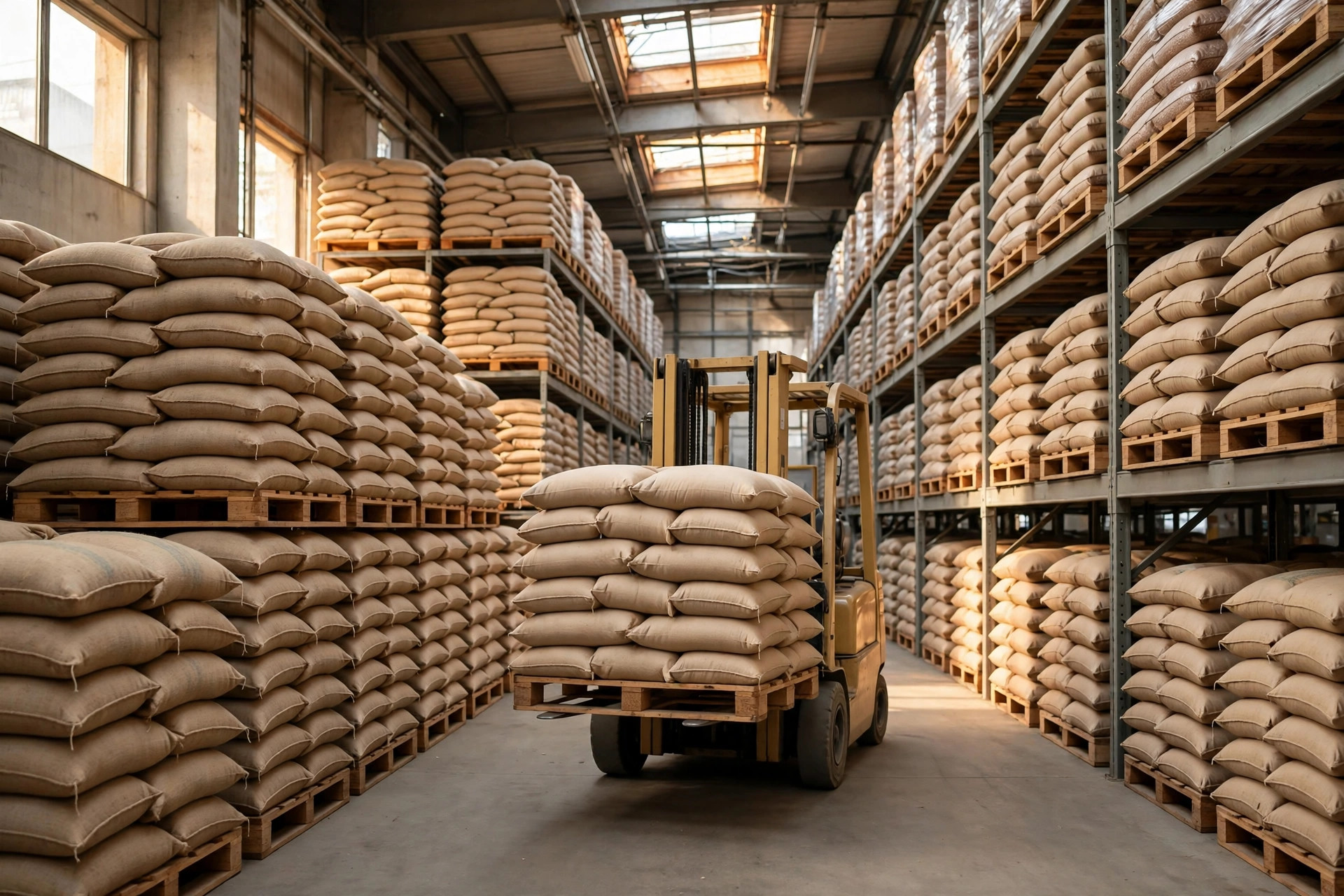
The third is treating the port-side warehouse as dead weight. Some shippers think that once cargo goes into a warehouse, it has slowed down. The real value of that warehouse is not storage. It is the chance to change your mind. The order changes, the distribution plan changes, a customer needs a rush shipment: changing the plan inside a warehouse is ten times easier than changing it in the yard. The rent is small money. What it buys is the freedom to change your mind.
This one cuts both ways, and neither direct transfer nor warehousing is right on its own. When cargo lands at Piraeus, ask one question first: can this shipment afford to gamble on the vessel schedule? If it can, transfer it straight through. If it cannot, put it in a warehouse. People count what a warehouse costs and forget what it protects them from. Cargo that skips the warehouse saves money you can see. Cargo that goes into one saves you trouble you cannot. That is the trade-off at the heart of Piraeus port Greece warehouse logistics, and which one you want is a decision to make before the vessel berths, not after.
By Lao Mi, Supply Chain Veteran (20 yrs)