Let me say it straight: the Philippines is the Southeast Asian market that is cheapest to enter and hardest to fulfill.
I have seen too many sellers copy-paste their domestic playbook: sign a warehouse lease, ship the goods, and then get stuck in exactly two places — containers that cannot get out of the Port of Manila, and parcels that cannot reach Mindanao. Here is my verdict up front: the Philippines is worth entering, but not in the "just rent a warehouse and go" sense. In a country of 7,000-plus islands, fulfillment cost and cash-flow cycles run on completely different math than Thailand or Vietnam. Before you enter, get four numbers straight: warehouse rent, platform fulfillment, customs clearance, and cash collection.
Warehouse rent: look at traffic first, price second
Industrial warehouse rents in Metro Manila hit PHP 259 per square meter per month in Q3 2026, up 11.8% year over year. The two southern corridors where cross-border sellers cluster: Cavite at PHP 248, Laguna at PHP 225. Go further north to Bulacan or Pampanga and it gets much cheaper — but you are far from the ports and the main consumer base.
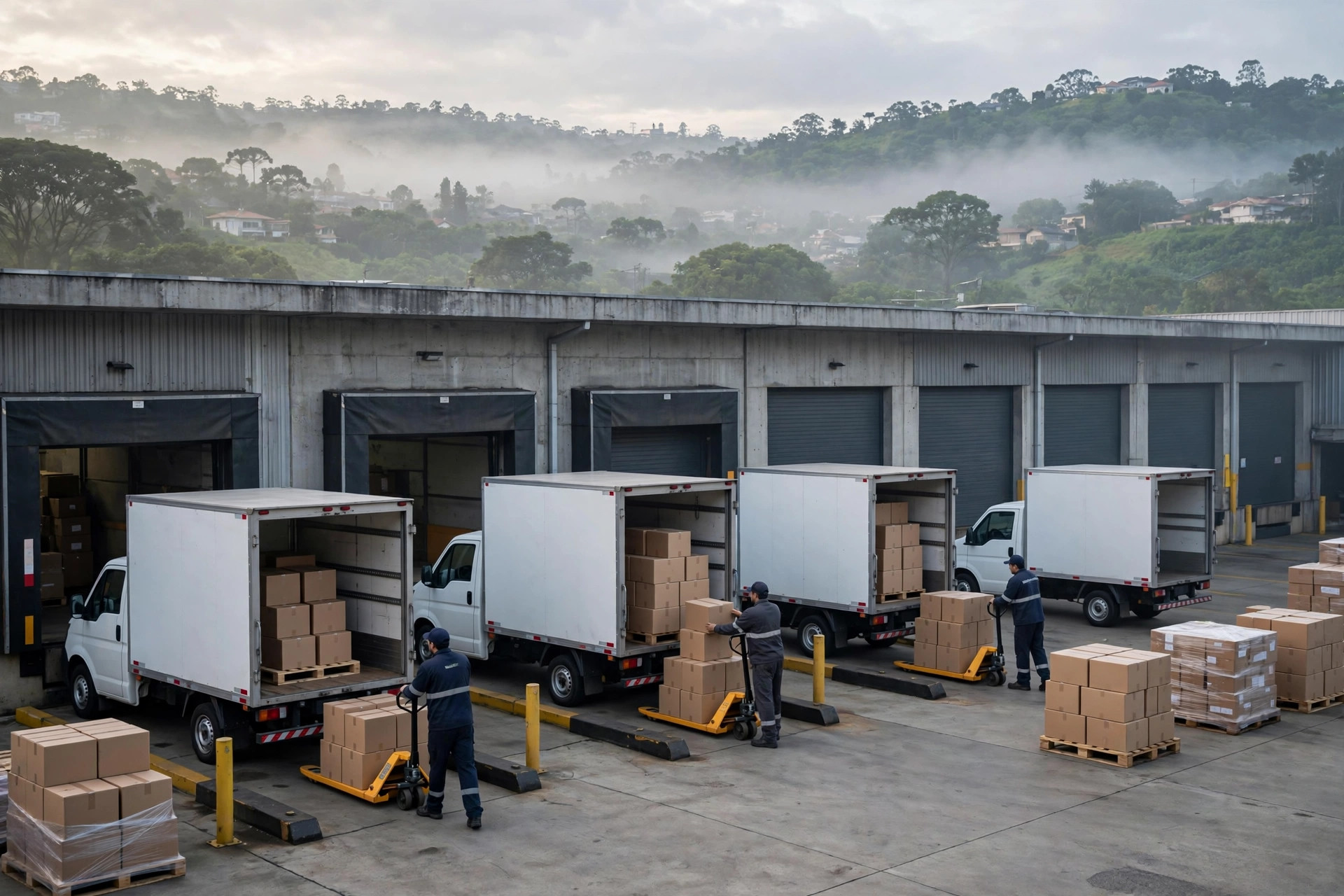
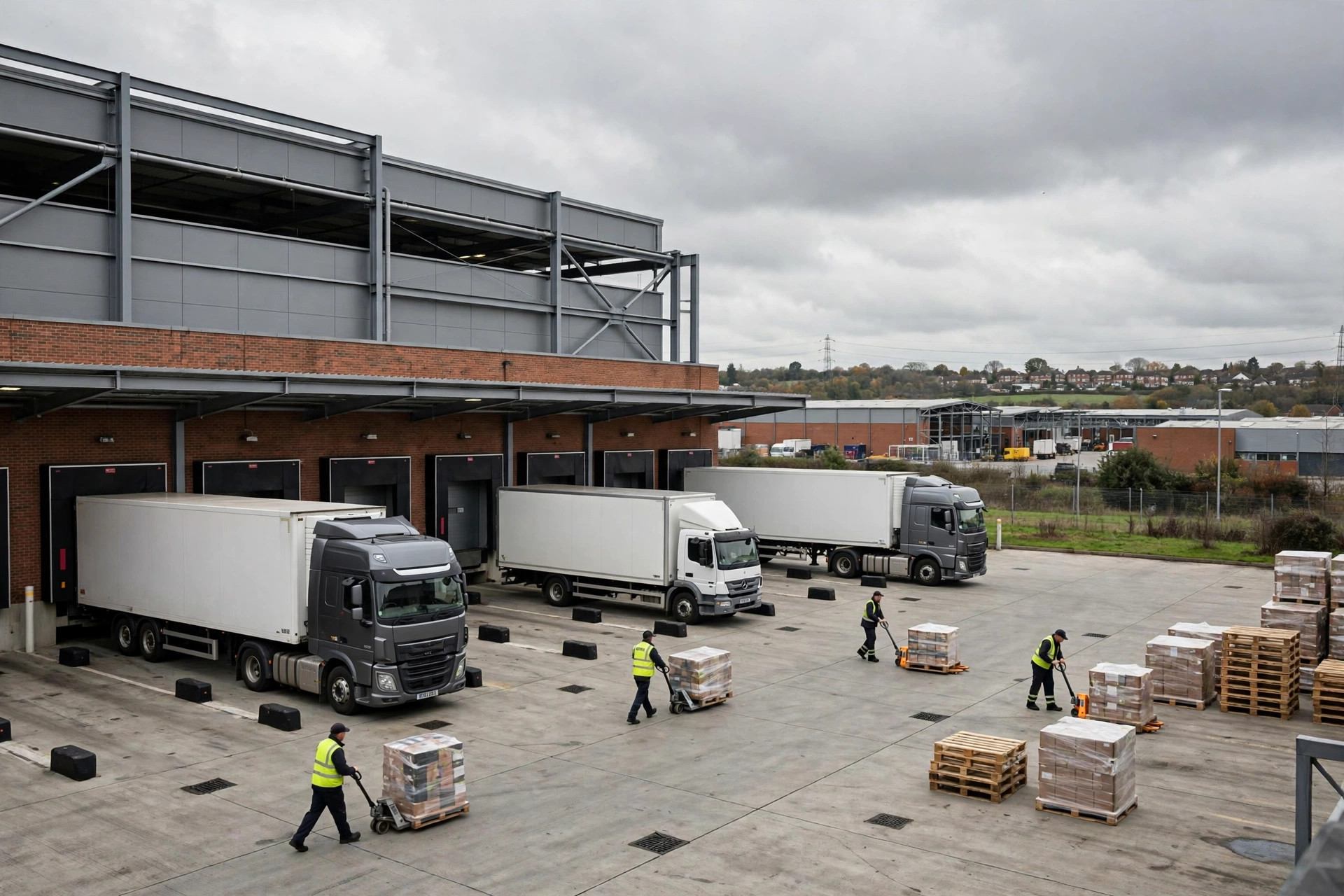
Two sides to this. Warehouses inside Metro Manila cost more, but they sit next to the Port of Manila and South Harbor: containers clear the gate and roll into your warehouse the same day, and intra-city orders ship out the same day, which takes real pressure off Shopee's 2-day ship-out clock. Cavite and Laguna are cheaper with newer industrial parks, but the daily rush-hour crawl in and out of Manila eats half a day to a full day of your delivery SLA.
I watched a home-goods seller learn this the hard way in 2024. He rented 800 square meters in Laguna because it was cheap. During peak season his driver left at 5 a.m. and still did not reach Manila until after 9, and his late-shipment rate was about to breach Shopee's limit. Then he did the math: the city warehouse cost about PHP 30 more per square meter, but his delivered-on-time rate improved by nearly a full day, bad reviews dropped, and traffic came back. Money well spent.
Rough math for you: 500 square meters runs about PHP 1.35 million a year in Laguna versus about PHP 1.55 million in the city — a gap of just over PHP 200,000 a year (roughly USD 3,400). If you ship more than 10,000 orders a month, the conversion lift from faster delivery covers that gap many times over. Leases typically run 3 to 5 years, and before you sign, drive the morning rush-hour route into the city yourself — multiply whatever the navigation app says by 1.5 and that is your real lead time.
Platform fulfillment: Shopee punishes lateness, Lazada punishes sloppiness, TikTok punishes rigidity
Shopee is the traffic king in the Philippines and also the most demanding. Non-pre-order items get a 2-day Days-to-Ship window (weekends and holidays excluded), and a late-shipment rate above 10% earns penalty points — accumulate enough and your listings get throttled. A Philippines warehouse serving Shopee has to run on a "today's orders cleared today" rhythm. No negotiation.
Lazada is gentler on timing. Its seller settlement moved from weekly to daily payouts, which eases cash-flow pressure. But Lazada is picky about packaging standards and return procedures — wrong or missing items earn penalty points just the same.
TikTok Shop is a different animal. Live-stream and short-video selling means orders spike violently and vanish just as fast. I saw a beauty seller go from 200 orders a day to 3,000 after one livestream; four warehouse staff collapsed under it, and even the Shopee store's orders got delayed. If you run TikTok volume through a Philippines warehouse, flexible temp labor must be lined up in advance. It is standard equipment, not optional.
And one hard constraint hits all three platforms: inter-island delivery. J&T's published SLAs are 1-2 days within Metro Manila, 2-4 days to other Luzon provinces, and 4-8 days across the water to the Visayas and Mindanao. In plain terms: a parcel shipped from Manila to Cebu or Davao taking a week is normal. Set that expectation on the product page and in customer-service scripts up front, or your reviews will all say "too slow" — when it is not your warehouse that is slow, it is the geography.
Customs: the BOC's 5-day push is an opportunity and a filter
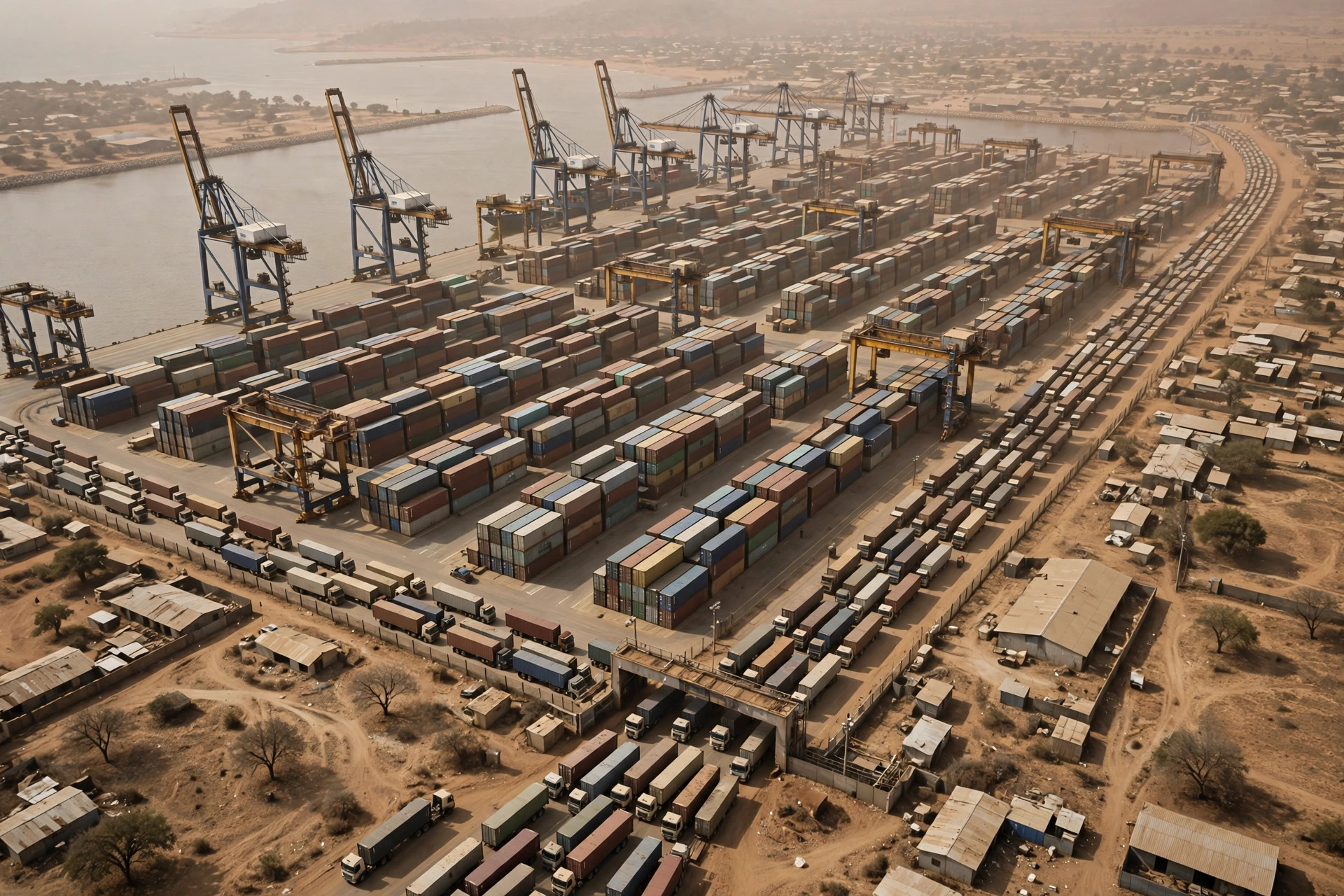
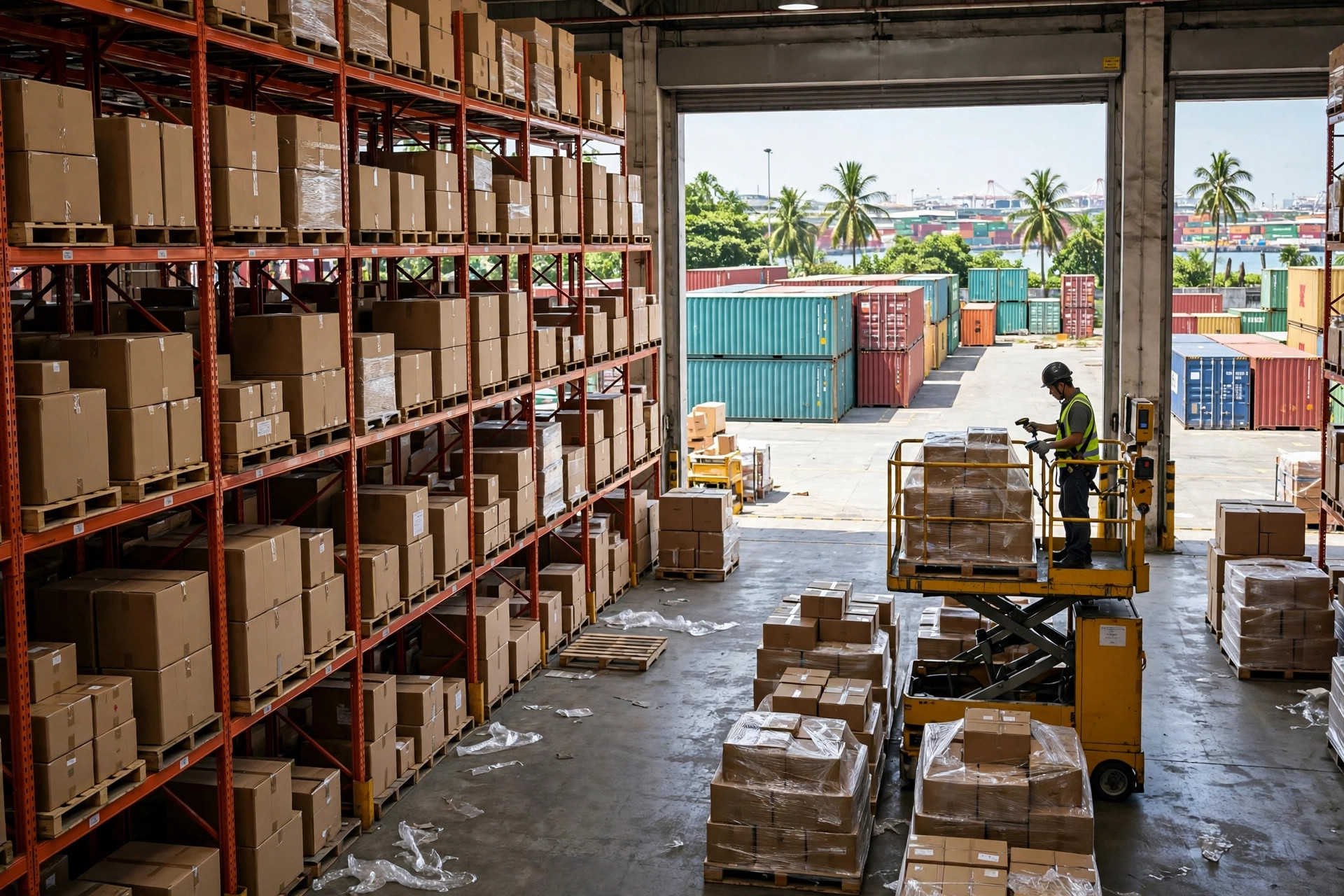
The Bureau of Customs issued a new directive in October 2026: assessments on goods declarations must be completed within five days, and air shipments with complete documents should be released within one day, three at most. The official average clearance time is about 4 days and 13 hours. But note — that is the customs step alone. Add port congestion and yard dwell, and a full container from vessel arrival to gate-out realistically needs 4-9 days of planning buffer; double that in peak season.
On duties: 12% VAT, tariffs of 0-30% depending on category (China-ASEAN FTA Form E brings many down), and a PHP 10,000 de minimis threshold for simplified clearance.
I have seen too many importers burn on "all-in grey clearance." Enforcement has tightened year after year — once a container is held, it sits at the port racking up storage charges daily, and the total ends up far above legitimate clearance, with a blacklist risk on top. My advice is one sentence: get your product compliance documents (FDA, NTC, BPS clearances) done before the cargo sails. You cannot fix them after landing.
The nastiest line item: COD collection, the cash-flow black hole
Cash on delivery dominates Philippine e-commerce, and it is a brutal test of working capital. From order placement to money back in your account, the full cycle runs about 17 days. COD lifts conversion by 25-40%, but refusal rates run 15-25% higher than prepaid orders — out of every 10 COD orders, 1 or 2 may be refused at the door, and the shipping cost is gone.
Do the math: you sell 100 orders today, and the money for inventory, freight, and your share of warehouse rent goes out today — but the revenue from those 100 orders trickles back two weeks later. Double your monthly sales and you double your funding gap. The faster you grow, the faster you die — in the Philippine COD market that is literal.
So safety-stock logic for a Philippines warehouse is nothing like domestic: plan across three segments — in-transit goods, on-hand stock, and in-transit cash — and keep at least 45 days of working capital on hand at all times. If you cannot do that, expand slowly rather than going all in.
One line to close: 90% of the pitfalls in the Philippines are not inside the warehouse — they are outside it: customs, last-mile, and cash collection. Get those three right, and whether rent is PHP 30 higher or lower per square meter stops mattering.
By Lao Mi, Supply Chain Veteran (20 yrs)