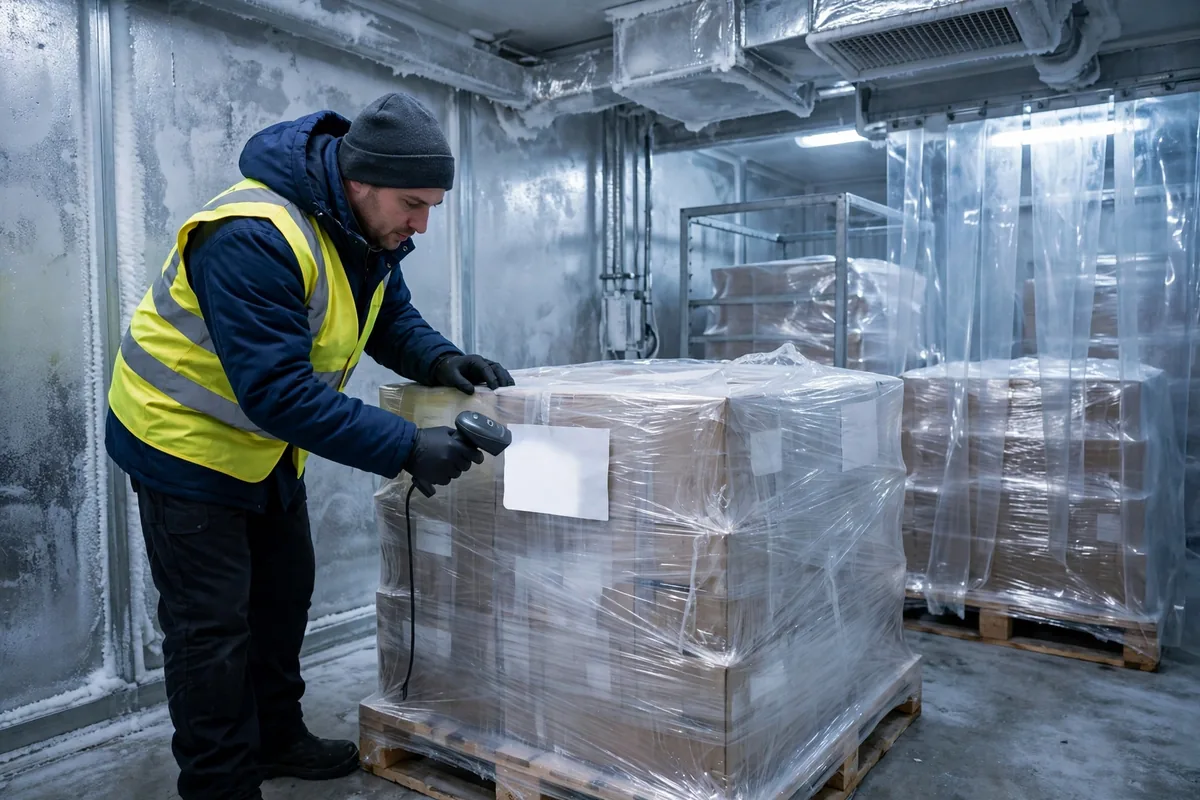
Warehouse product recall traceability batch location is not really a software problem. It is a discipline problem that only becomes visible when the recall notice arrives. The question is brutally specific: which lots are affected, where exactly they sit, how much has already shipped, and who received it. Two hours is the target line we set for our drills, not a regulatory number — the applicable requirements are whatever the FDA and the customer currently require, and those should be checked against the latest published guidance. The target line matters because it forces the traceability chain off the page and onto the floor, where its breaks can actually be seen.
Warehouse product recall traceability batch location: what the drill actually tests
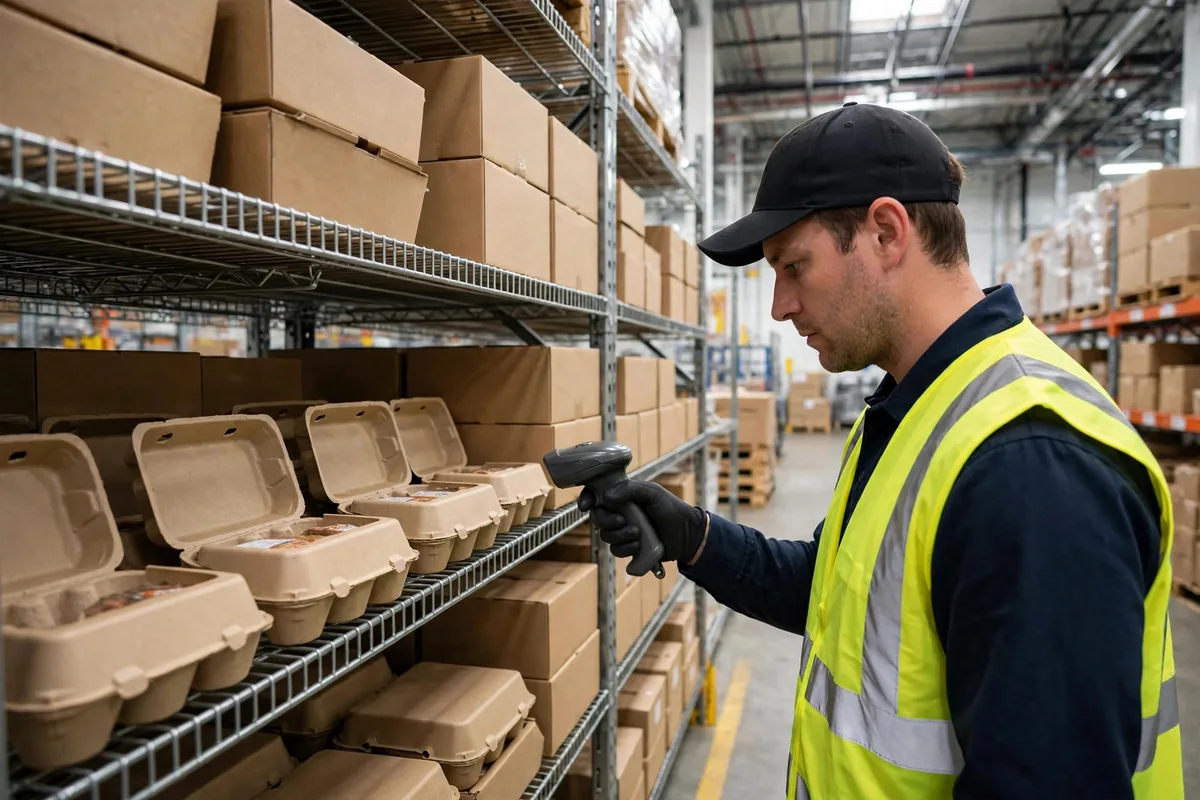
In the spring of 2025, a 3PL warehouse in California handling sauces and condiments ran a recall drill. The scenario was simple: one lot of chili sauce was suspected of containing a foreign object, and the warehouse had two hours to produce a complete list — how many pallets of that lot came in, which locations they occupied, what had shipped, and to whom. The first 20 minutes went well. A single lot number in the WMS pulled up the receiving record: 312 pallets, received over three days, spread across 14 locations. The trouble started at minute 21. The system showed 38 pallets had shipped, but for 9 of them the lot number field on the shipping record was blank. Someone dug out the paper handover sheets and found the answer: those 9 pallets had gone out during a peak-season overtime shift, picked by hand, and the system recorded only the product code, never the lot.
That is not an unusual failure. Across the drill records I have reviewed from several food warehouses, the most common break is not that the system cannot find anything. It is that the data in the system does not match the physical goods: a lot number mistyped by one digit, a mixed pallet never split, a return restocked under the old lot. These small errors hide inside daily work and surface all at once when a recall arrives. A drill converts invisible breaks into a timed list.
Where batch location breaks: system, floor, and downstream notice
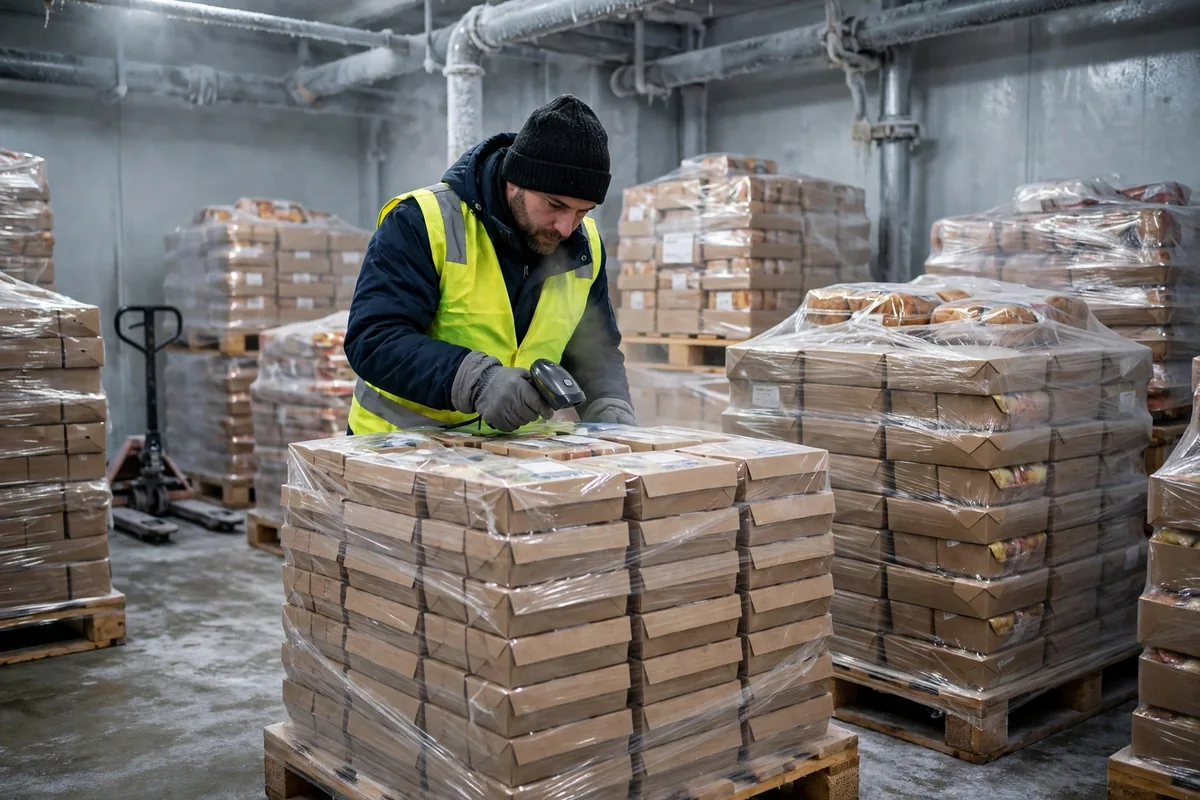
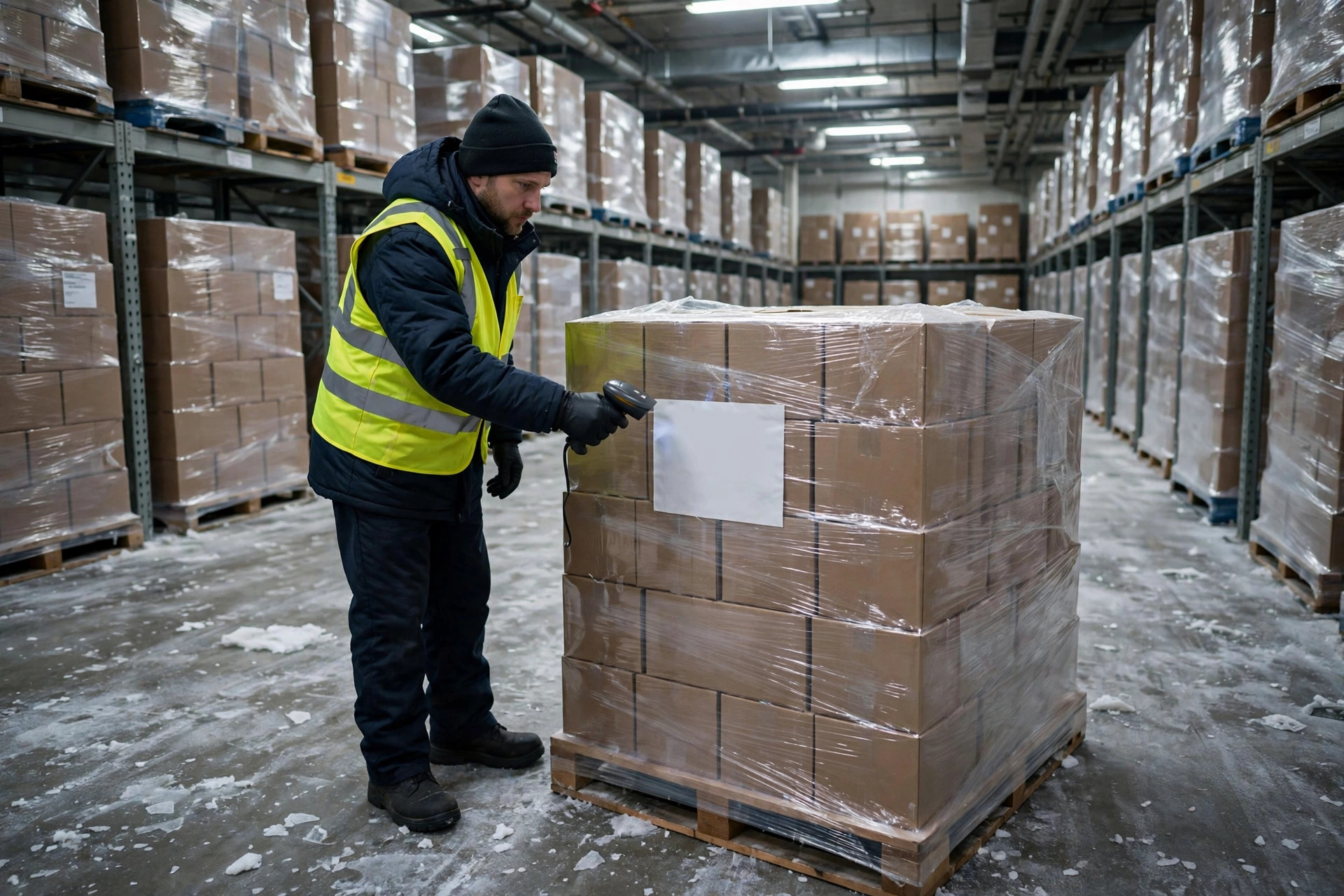
Later that same year, a frozen-food warehouse ran a similar drill, this time for a lot of frozen dumplings. Its system was thorough: lot, location, pallet, and order data were all linked in the WMS, and a preliminary list was ready in 35 minutes. The floor check broke it. Spot-checking locations, the team found three where the physical lot did not match the system record; on one, the neighboring lot's goods sat there with the wrong label. Downstream notification was worse: the shipped goods had gone to six customers, two of them distributors who had already split the stock to retail stores. The warehouse held contact details for the first tier only; everything below that had to be chased one tier at a time. Locating the stock itself took 47 minutes. Verifying it physically and notifying downstream took another 1 hour 20 minutes. The total squeezed just inside two hours, and nobody in the debrief called that a pass.
Put the two drills side by side and the breaks fall into three groups. The first is that the system cannot find it, rooted in data completeness at receiving and shipping. The second is that the physical goods do not match, rooted in location discipline and label verification. The third is slow downstream notification, rooted in the granularity of customer and order data — the warehouse knows who received the goods, but not where they went next. Different causes, different fixes; talking about "strengthening traceability" in general terms helps nobody.
| Traceability layer | What the drill must answer | Common break |
|---|---|---|
| Lot number | How much of this lot came in, and does the supplier lot map one-to-one to the internal lot? | One digit mistyped at receiving; supplier and internal lots used interchangeably |
| Location | Which locations hold it now, and how much is in each? | Mixed pallets never split; moves never updated |
| Pallet | Is each pallet a single lot or mixed, and is the pallet label readable? | Wrong label; lot identity lost when a pallet is broken down |
| Order | What has shipped, to whom, how much, and is any of it in transit? | Hand shipments with no lot recorded; no visibility past the first customer |
How to run the drill: one lot, a countdown, and three kinds of breaks
A useful recall drill is not complicated, but it must not be staged as a walkthrough. Run one every quarter, pick one real lot each time, and do not tell the floor team in advance which lot it is. Start the countdown at the beginning, two hours, and do not allow anyone to "clean up the data first." The output is not a polished report. It is three lists: a location list answering where the goods are, a break list answering which step was slow, and a fix list answering what changes before the next drill. That is what warehouse product recall traceability batch location comes down to in practice: not a system feature, but a timed, repeatable test of the chain.
There is a counterintuitive judgment at the heart of the drill: the fastest first move in a recall is not to start searching, but to freeze. Freezing means immediately locking every location and pending outbound order for the suspect lot, halting any shipment or move of that stock, and only then beginning the location work. Many warehouses do the opposite — check the system first, send someone to the floor, and discover halfway through that two more pallets of the suspect lot were picked normally during the drill and now need locating all over again. Freeze first, then locate: it looks like an extra step, but it removes repeated rework. The trade-off is between moving one step slower and redoing the work three times, and drill data comes down on the side of freezing.
The debrief should track the distribution of time, not just the total. Split the two hours into four segments — system lookup, floor verification, downstream notification, final confirmation — and whichever runs past 30 minutes becomes the next quarter's focus. One warehouse cut its drill time from 2 hours 40 minutes to 1 hour 35 minutes across three runs, mostly by moving lot spot-checks into daily work, so mislabeled pallets were caught before drill day.
The drill checklist: check it before the next run
A drill is a regular health check on traceability, not an annual ceremony. Before it, confirm the four layers link in the WMS, spot-check five locations, and confirm downstream contacts are current. During the drill, start the countdown, freeze the suspect lot first, then locate, working down the four-layer table and recording the time of each segment. After the drill, debrief the three kinds of breaks, and write the fix list with a named owner and a due date; the next drill starts by checking whether the last drill's fixes actually closed.
One point is easy to miss: whether to run a joint drill with the customer. Running one joint drill a year is worth a great deal. A warehouse running alone can only verify as far as "who received the goods." How long the customer takes to receive, quarantine, and respond is invisible from the warehouse side. A joint drill tests that stretch too, and aligns contacts and notification paths on both sides. Food and pharma customers usually accept this more readily than warehouses expect, because they must answer to regulators and downstream buyers themselves — with the specifics governed by the FDA and customer requirements in force at the time.
So back to the opening question: is locating every affected batch within two hours hard? It is hard, but the hard part is not the technology. Linking lot, location, pallet, and order data in a WMS is no longer a high bar. The real bar is daily discipline — whether lots are recorded correctly at receiving, fully recorded at shipping, updated on every move, and verified when a label looks wrong. A drill simply puts that discipline under a countdown. What a warehouse cannot do on an ordinary day, it cannot do in a drill either. The question worth watching next is whether traceability will keep moving down a level — from lot, to pallet, to the individual unit — as food and pharma customers ask for finer granularity. If that day comes, will a drill method built around the lot still be enough?
By Dr. Chen, Supply Chain Researcher