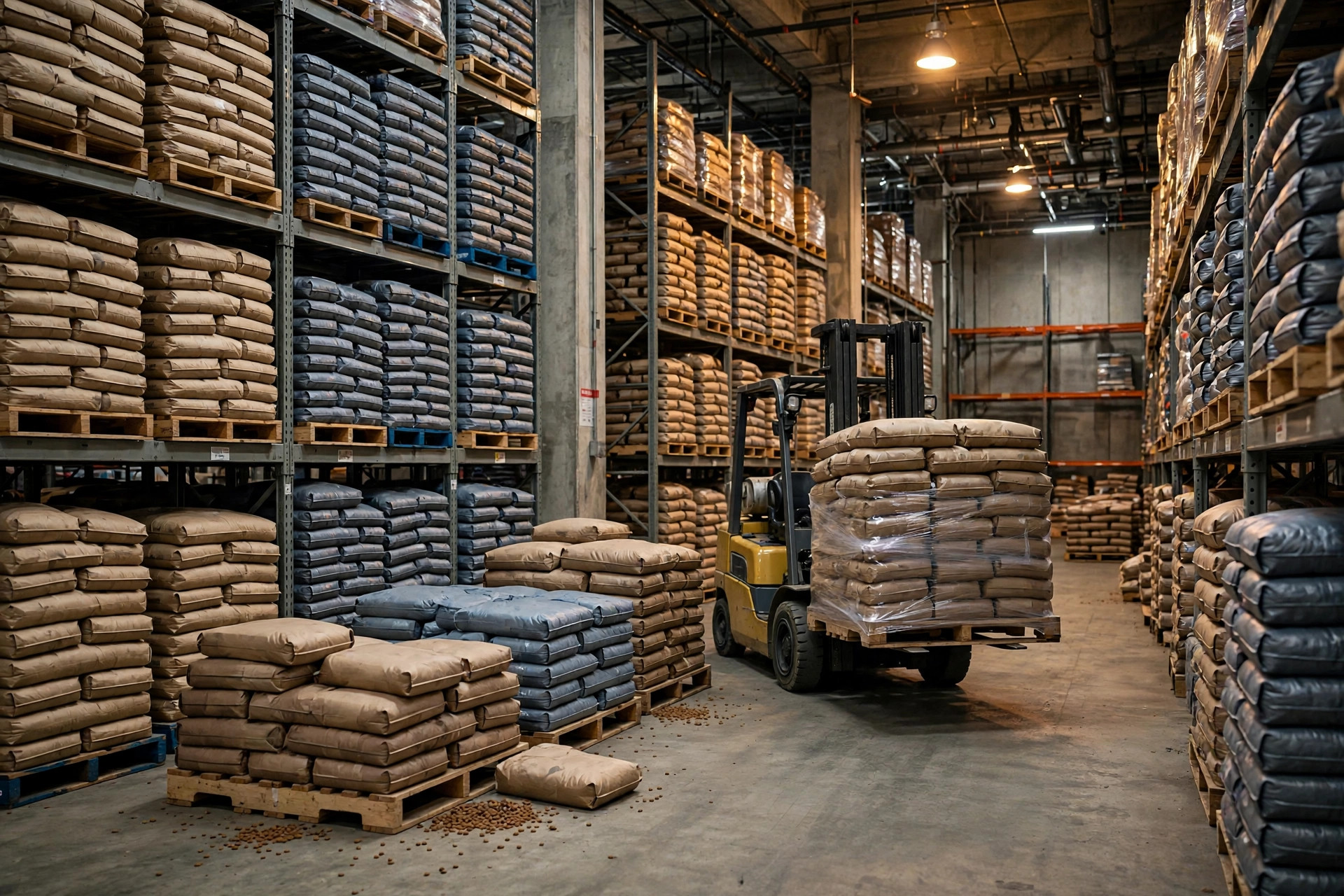
Pet food is the best worst category in e-commerce. High average order value, repeat purchases you can set your watch by — and every bag weighs a ton, expires faster than you'd expect, and shows up looking like it lost a bar fight. Amazon changed the oversized-item inbound rules again last month; I rewrote my packing list three times before 2 a.m.
When I started, I thought pet food was a blue ocean — the pet economy, everyone spoils their cats and dogs. Five years later I know the blue ocean is real, and so are the pits, and every pit sits in the warehouse. I've got product and traffic figured out; what decides life or death is the stuff happening on the warehouse floor.
Five years in, I've boiled it down to three pits: heavy goods, expiry dates, damage. If you haven't fallen into all three, you haven't really sold pet food.
The Three Headaches, Up Close
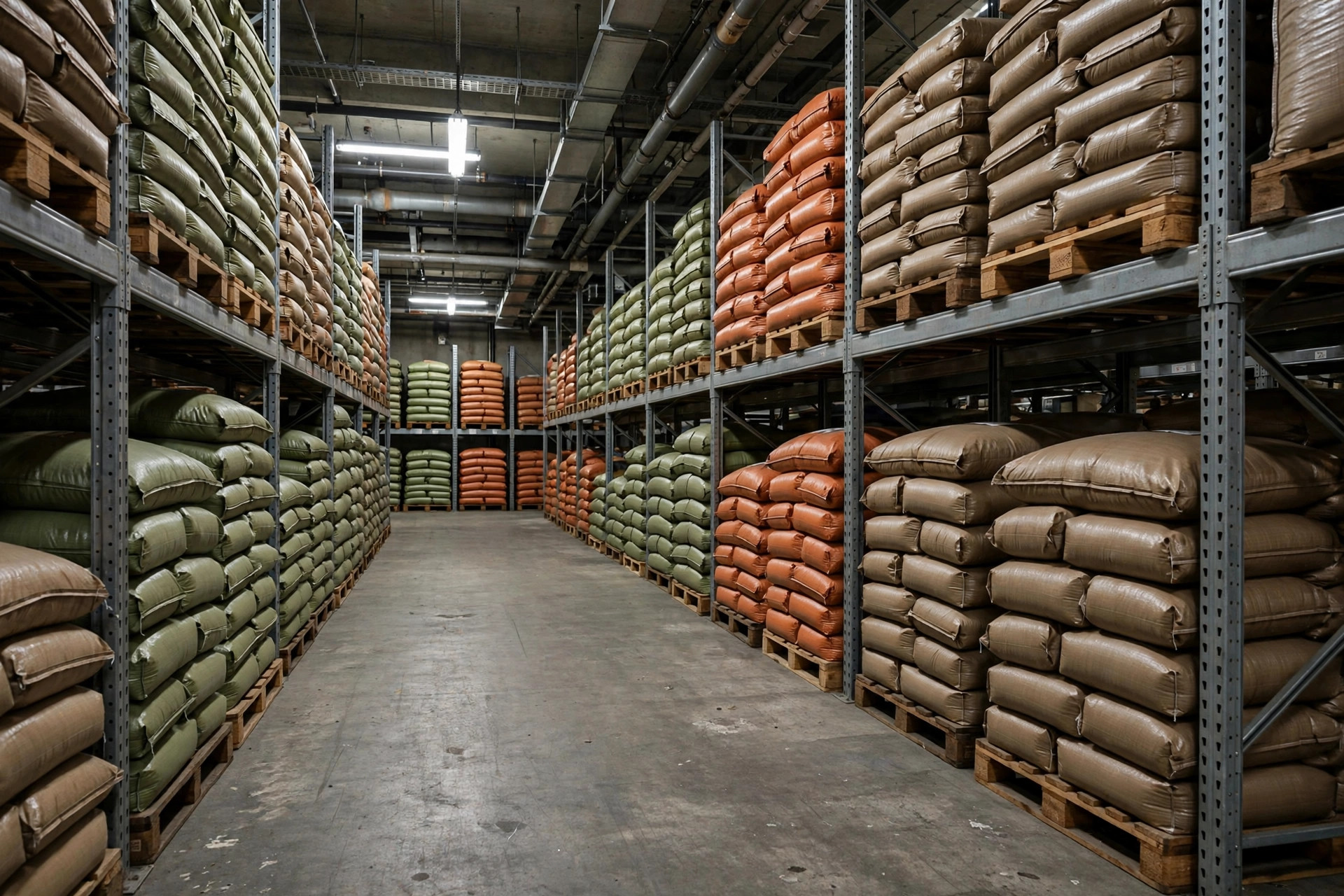
Heavy: my hero SKU is a 40-lb bag of dog food, about 18 kg. Delivery drivers see that label and their smiles fade. Ocean freight bills by weight, warehousing bills by cube, and last-mile is a weight nightmare. One careless decision and the entire margin on a bag goes to logistics.
Expiry: pet food shelf life is usually 12–18 months, which sounds fine. But ocean transit eats 30–45 days, and by the time you add stocking cycles, a big chunk of shelf life is gone before the customer even opens the bag. Near-expiry stock gets sales-restricted by Amazon, and then it's dead money sitting in a warehouse.
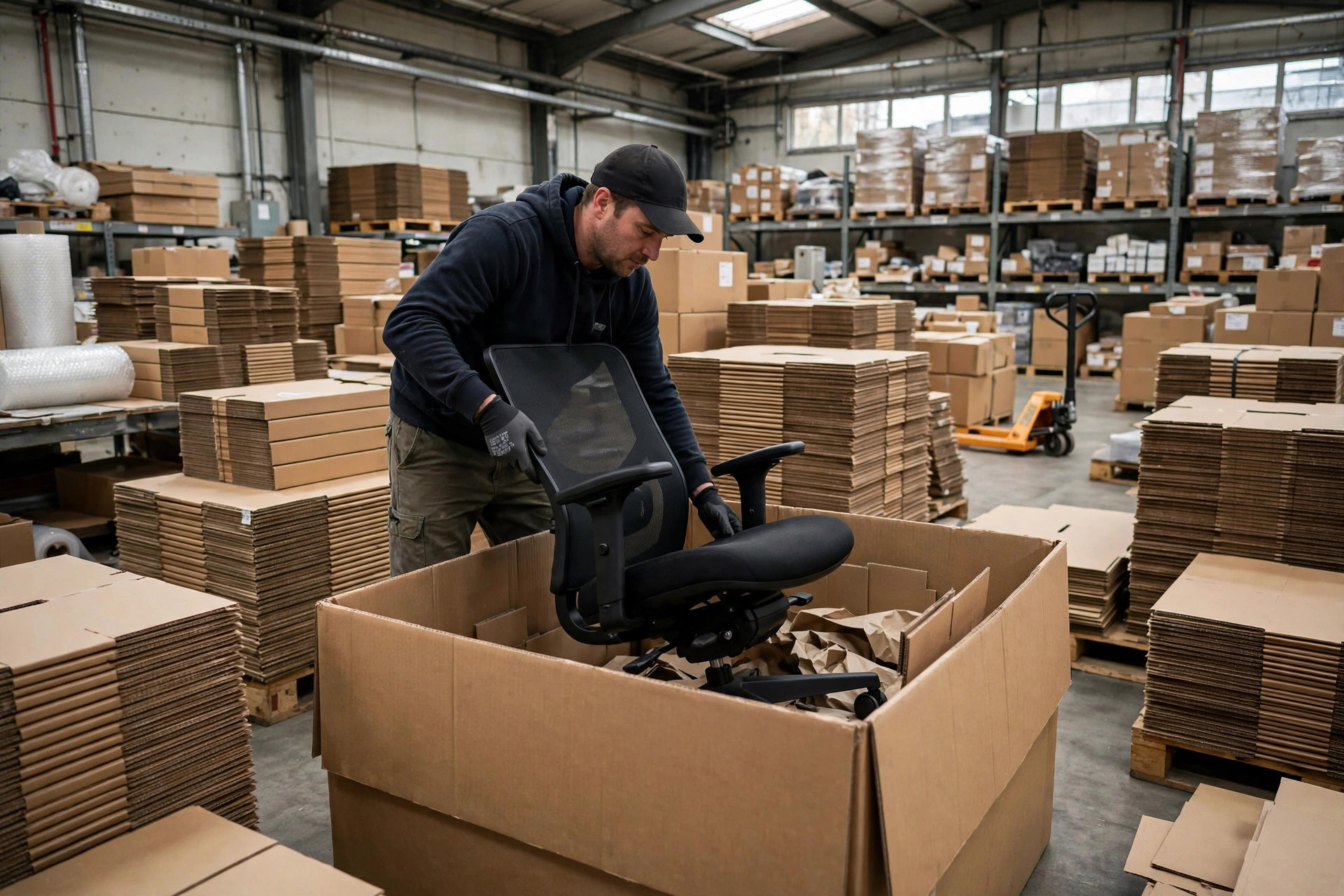
Damage: a 40-lb bag in a flimsy box will burst the moment someone drops it. One leaking bag of powder and the whole shipment needs rework. When I started with standard cartons, my damage rate was so bad I stopped opening the after-sales reports.
Heavy Goods: My Freight and Stocking Playbook
The core tension with heavy goods: ocean is cheap but slow, so you have to stock early; stock early and your cash and cube are both locked up. My fix is "frequent small batches" — 60 days of cover for hero SKUs via ocean, split into two shipments 30 days apart. No stockouts, and no cash drowning at sea.
One big call I made: anything over 40 lbs doesn't go FBA anymore. Merchant-fulfilled plus a 3PL warehouse; FBA only for packs under 20 lbs. Why? Every FBA fee layer scales with weight — inbound, storage, fulfillment, all of it. My own books, measured in March 2026: the same 40-lb bag costs about $3 less per order to fulfill merchant-direct than through FBA. At 200 orders a day, that's roughly $18,000 a month. I'll take that money, thanks.
Giving up FBA has a price, of course: no Prime badge, and conversion dips a little. What I measured: in the 40-lb category, buyers just aren't that sensitive to delivery speed — nobody's dog is starving over two days. I took $1 of the $3 saved and put it into off-Amazon discount codes, and conversion mostly recovered. That's the trade-off with heavy goods: cost beats speed.
My cadence: 60 days of ocean cover plus 15 days of safety stock; air freight only for emergencies, 7–10 days. And one rule carved in stone: never air-freight heavy goods in bulk. The freight bill will eat your margin alive.
Expiry and Damage: Two Expensive Lessons
Expiry first. July 2025: a batch of chicken cat food with 5 months of shelf life left got sales-restricted by Amazon — 2,000 bags stuck in the warehouse. I cleared them at a loss to local pet shops and lost over $4,000 on a single batch. The lesson is exactly one sentence long: inbound must be batch-tracked, expiry labels go on the most visible face of every outer carton, and FIFO is non-negotiable. My iron rule now: I don't accept stock with under 9 months of shelf life. Ocean transit takes a month-plus, FBA check-in queues take more — 9 months is the floor.
How did that batch blow up? A politely-worded email from Amazon: insufficient shelf life, provide new expiry documentation or face sales restrictions. I couldn't provide it — because the stock genuinely was expiring. I cleared it to local pet shops at 40% off and paid the freight myself. $4,000, gone.
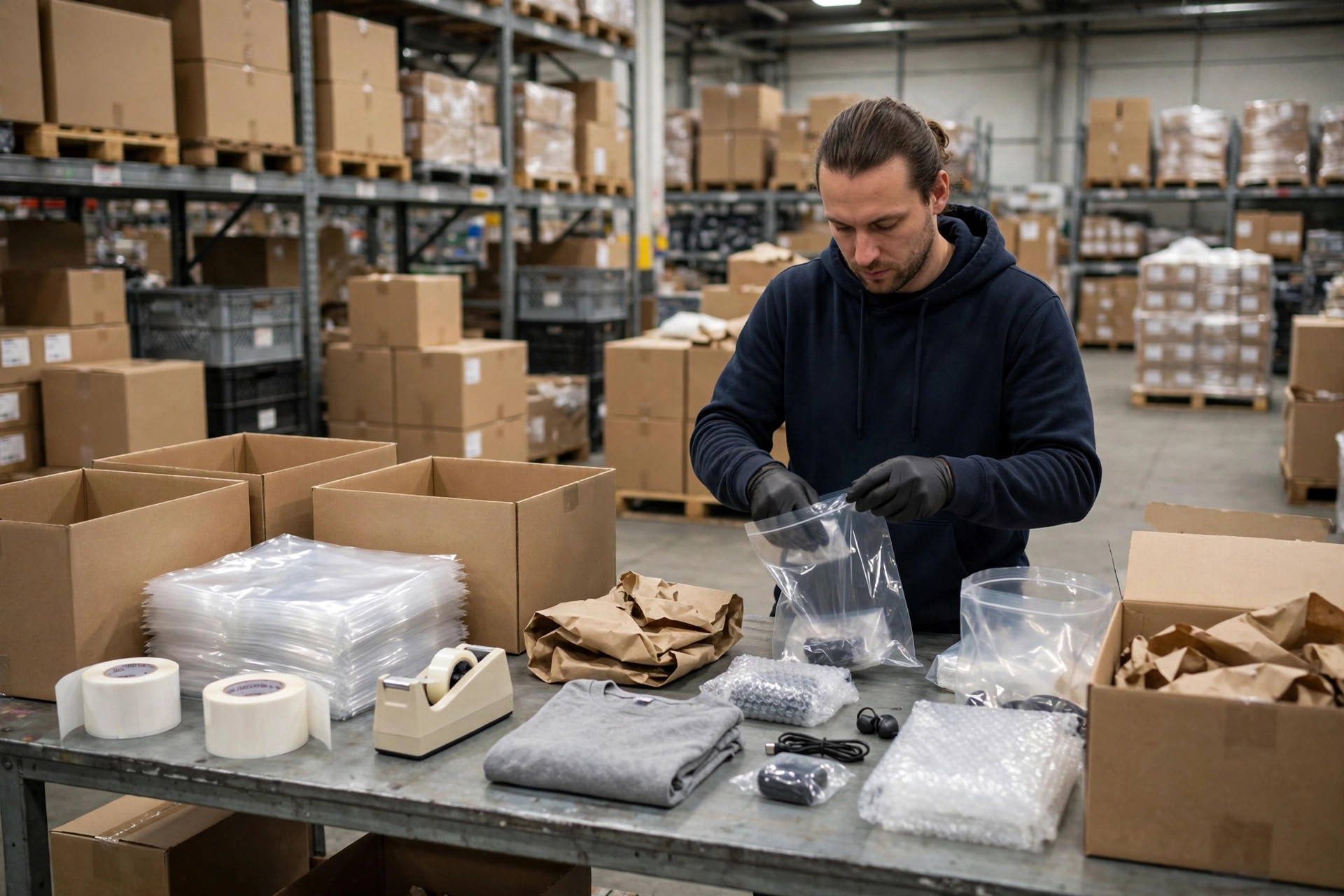
Damage next. Q1 2025: my damage rate was 6.4%, straight from my own after-sales data. I switched to double-wall corrugated plus corner protectors plus stretch film; by Q4 2025 it was 1.7%. Packaging costs $0.80 more per order — but a single damaged unit means a refund, a reshipment, and a one-star review, which costs at least $25 all-in. Even a kid can do that math.
I've tested all three packaging options. The numbers:
| Option | Extra packaging cost | Damage rate | Verdict |
|---|---|---|---|
| Standard single-wall box | Baseline | 6.4% | Cheap, after-sales hell |
| Double-wall + corner protectors | +$0.50 | 2.9% | Best value |
| Double-wall + protectors + film | +$0.80 | 1.7% | Heavy-goods must-have; what I run now |
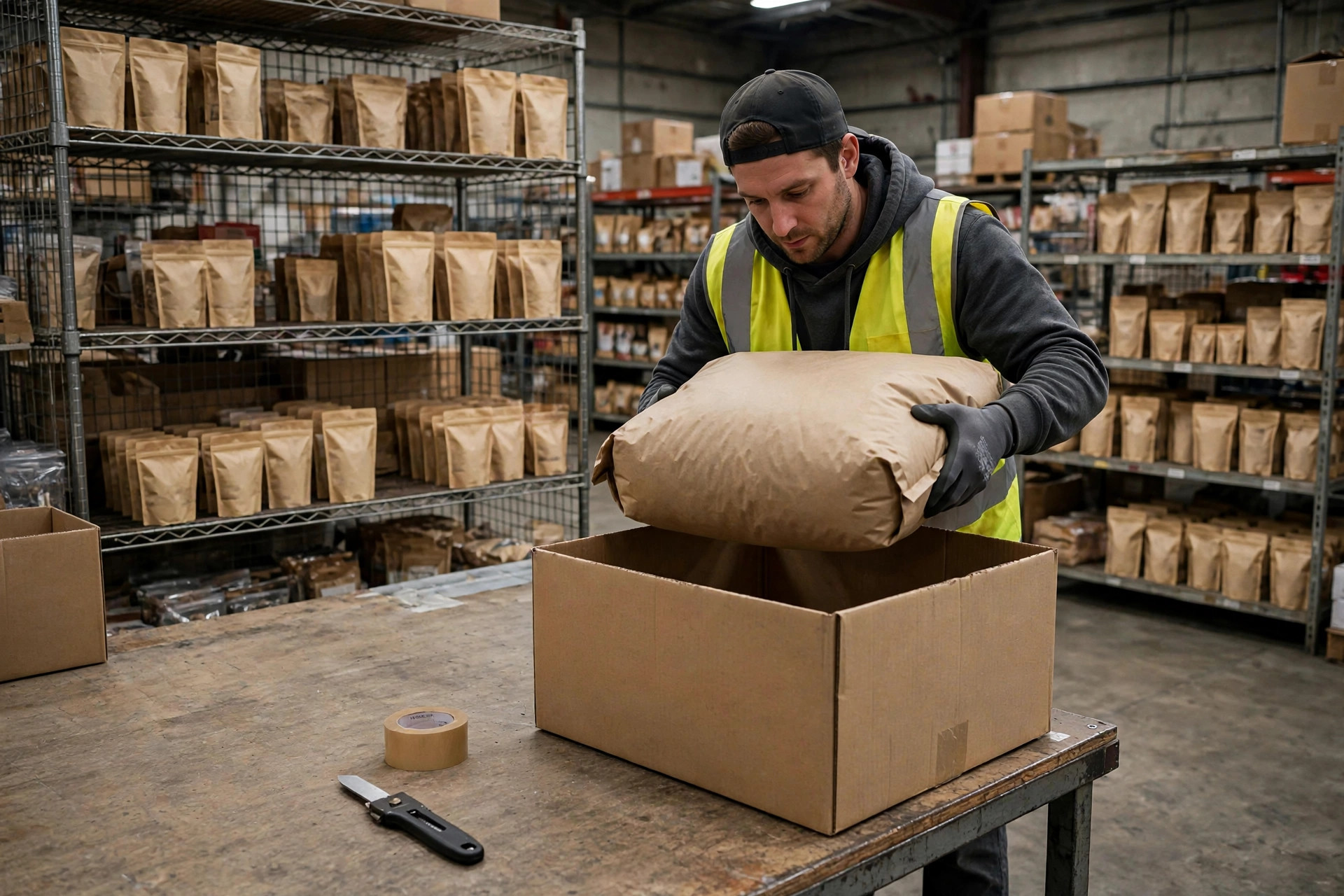
One more thing on stretch film: for heavy goods, don't just wrap one horizontal pass. Cross-wrap twice in an X pattern and press an extra half-turn at the base. My packer complained it took 20 extra seconds — until I showed him the math: 20 seconds versus a $25 damage claim. He wraps like an artist now.
Here's the counter-intuitive truth: heavy goods mean you should stock LESS, not more. Instinct says "ocean is cheap, buy big and amortize the freight." But heavy stock eats cash, eats cube, and the expiry clock never stops. Overstock and you're burying two landmines at once — expiry and cash flow. My policy: I'd rather run two ocean shipments than sit on one extra month of inventory.
Pitfall Checklist — Take It, It's Free
- Measure dimensions and weight three times before FBA inbound. Get rejected for oversize and you're paying to haul the container back — don't ask how I know.
- Expiry labels on the most visible face of the carton. Don't count on "the warehouse will check." Nobody cares about your goods more than you do.
- Damage happens in transit, not at your pack table. Pull damage data from your carrier on a schedule, then negotiate rates and claims with the numbers in hand. I request hub damage reports every quarter; whichever lane damages the most gets a new carrier next quarter. It cures chronic rough handling.
- Summer: keep 10% extra buffer. Heat plus humidity means expiry anxiety and damage rates both climb — stocking early beats firefighting later. July and August are the worst: heat makes the fat in kibble seep, bags get slippery and burst easier.
I've paid tuition on every one of these pits. Everything above was bought with real money.
Tested it myself. It works.
By Ah K, E-commerce Seller (5 yrs)