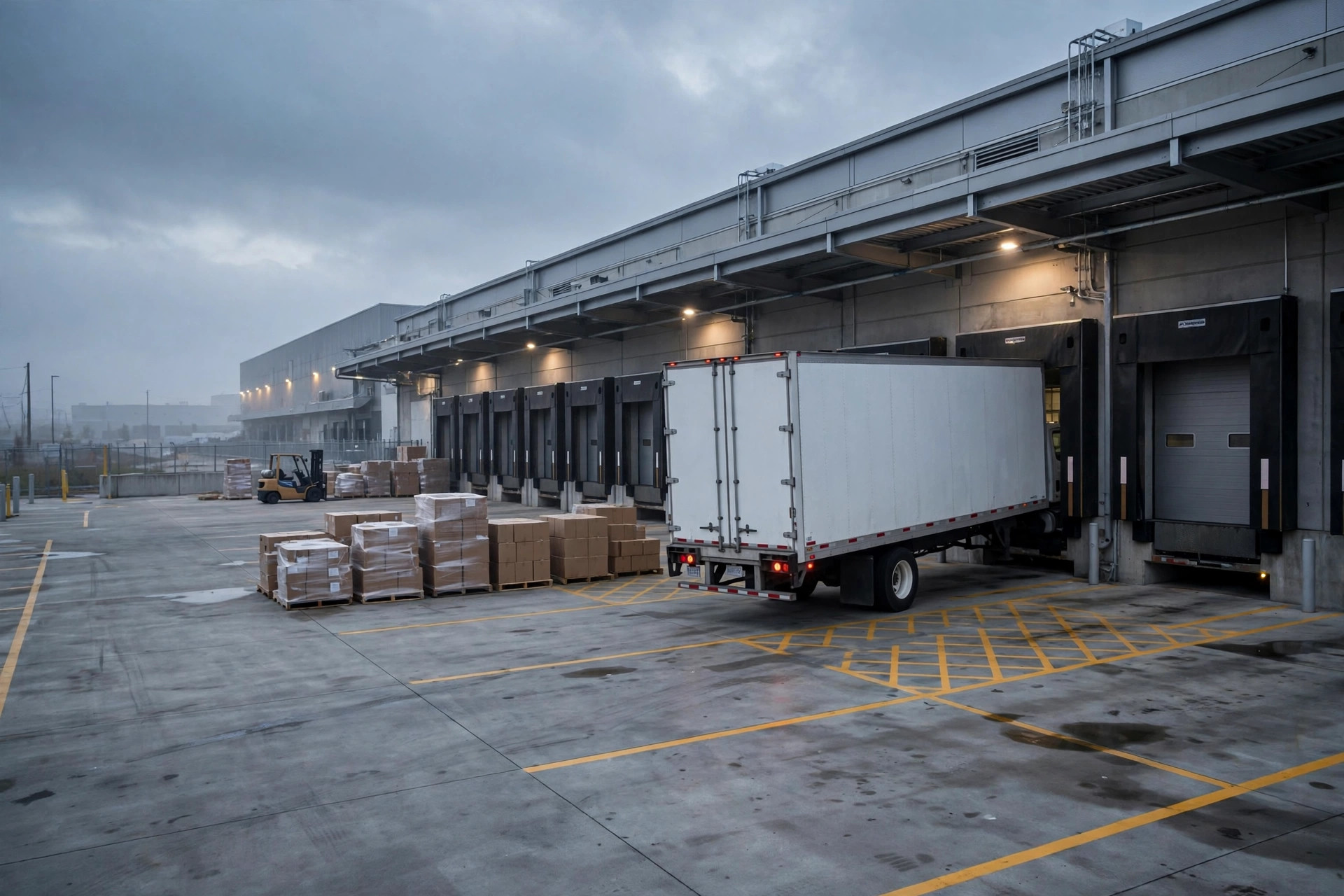
Amazon changed the rules again? Not this time, actually. FBA inbound packaging rules haven't really changed in years. What's changed is enforcement — it's gotten stricter. Last year people told me "the warning label doesn't matter." This year, the California FC turned trucks away at the door. No discussion.
Let me start with my own screw-up. June 2025: I sent 800 cartons to California in clear polybags. Seals were perfect. One thing missing: the suffocation warning on the bag. The whole shipment got rejected at the gate. Re-label, rebook the appointment — over a week lost. My listing went out of stock for that week while my ads kept running, and ACoS shot past 40%. The few cents I saved on bags came back to bite me, with interest.
So this post is bought with real money. FBA inbound packaging comes down to three things: polybags, labels, and box markings. One pass, everything clear.
Polybags: the bag itself is a compliance item
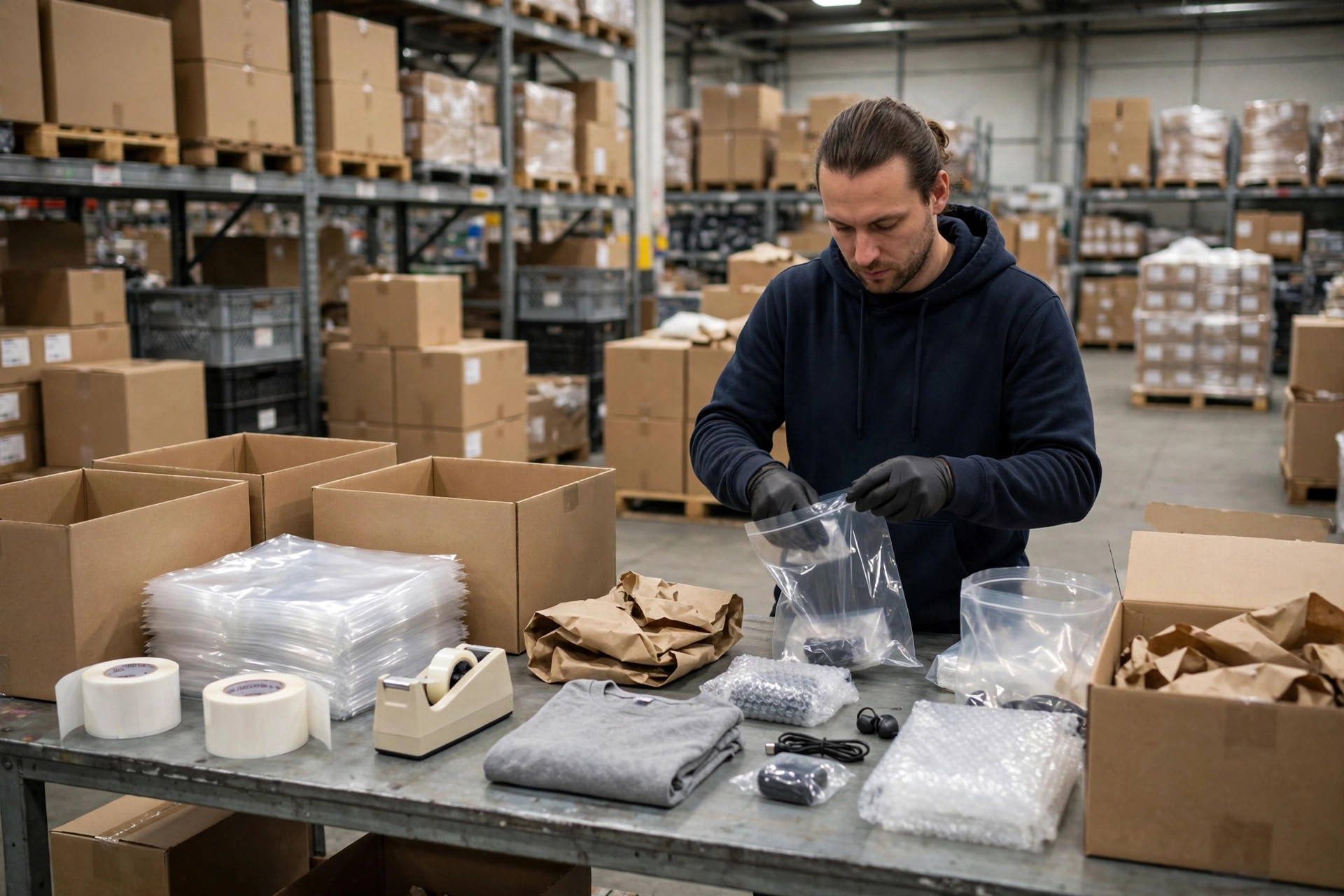
Most sellers think a polybag is just a plastic bag. Wrong. To Amazon, it's a compliance item:
- It must be sealed shut. Open-top bags don't count.
- It needs a suffocation warning printed on it (in English; check Seller Central for the current required wording), large enough and placed where it's visible.
- The barcode goes on the outside of the bag and must scan. Don't stick it inside behind the plastic — if it doesn't scan, that's on you.
My process now: I order custom bags with the warning pre-printed. Costs a few cents more per bag, but skips the whole "stick warning labels by hand" step. Hand-labeling 800 cartons takes two people an afternoon; pre-printed bags just get sealed and go. Run that math once and the choice is obvious.
Before placing the bulk order, get samples from the supplier and test sealer temperature and bag opening size. Don't skip this — I learned in 2024 that bags arriving incompatible with your sealer temperature means scrapping the whole batch, which costs more than waiting three days for samples.
FBA labeling: a wrong FNSKU is a wasted shipment
The FNSKU label is the only way Amazon knows what your product is. The rules are simple: one label per unit, covering the manufacturer's barcode, flat with no wrinkles.
War story number two: September 2025, a friend of mine printed the wrong box labels — the shipment was bound for a Texas FC, the labels said California. The full truckload arrived in California, the warehouse said "not ours," and it took a week of arguing between reroute and rejection. Amazon eventually transshipped it internally. Extra fees, and his whole peak-season prep schedule blew up. His words: "One wrong piece of paper cost me the entire peak season."
My rule now: before printing box labels, I check the shipment ID in Seller Central three times — destination FC code, carton count, FNSKU. Sounds dumb. Zero errors since I started.
Print labels on a thermal printer, not inkjet — inkjet smears in humidity and won't scan at receiving, which is the same as not labeling at all. A fellow seller learned this in 2024 the hard way: 300 cartons, half the labels smeared, hand re-labeling until midnight.
FBA box markings: don't underestimate this piece of paper
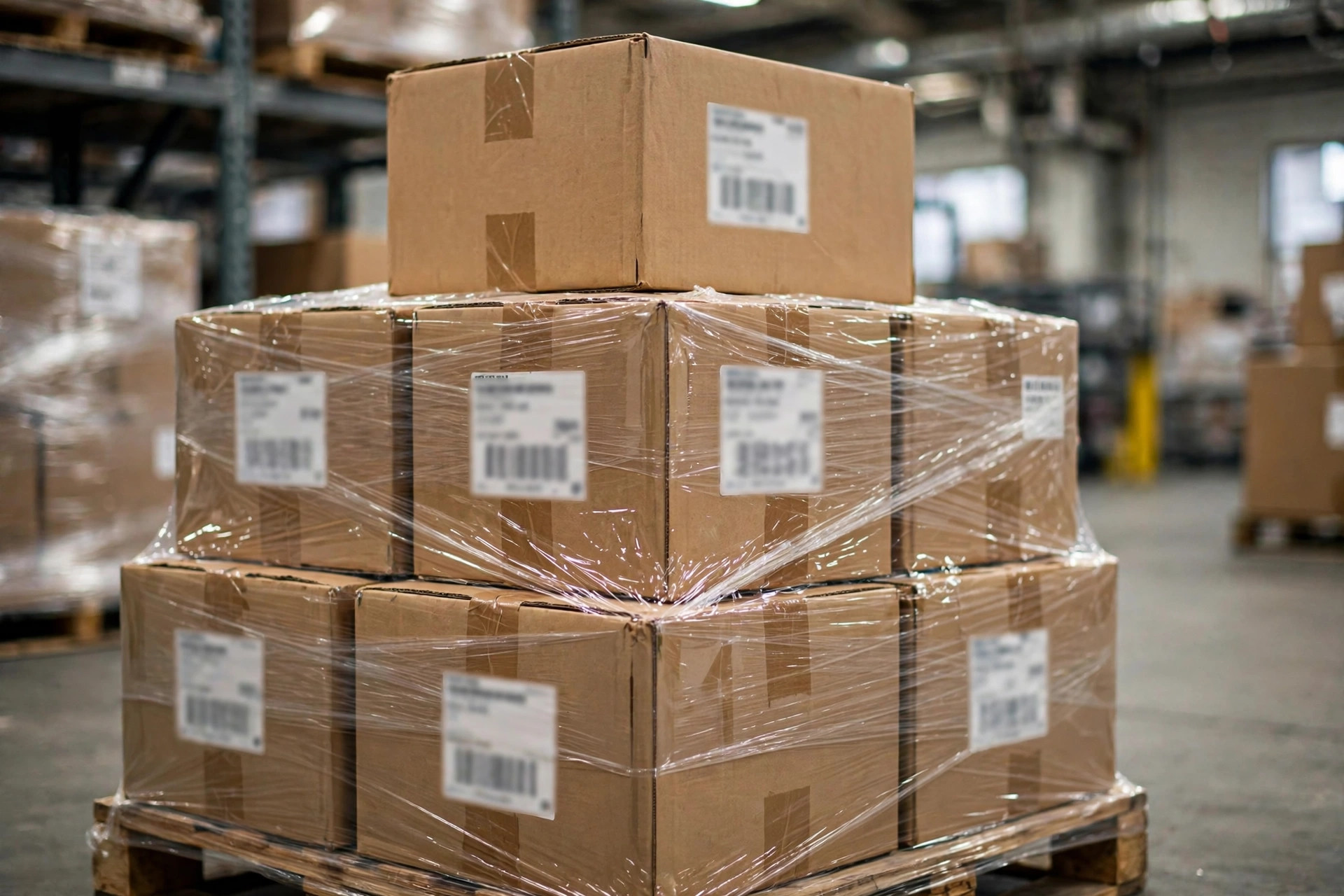
Box labels (one per carton) plus pallet labels (if palletized). One core rule: the label info must match the shipment in Seller Central exactly. Wrong carton count or made-up weights get you flagged. I always write actual weighed weights — never estimate. If your estimate is way off from the scale at receiving, that's an exception on your record.
Another small trap: don't leave old labels on reused cartons. Reorder cartons with last shipment's labels still stuck on them scan as two results, and the whole carton goes to manual processing — two or three extra days. Now I strip old labels first, every time. It's muscle memory.
The three most common rejection reasons I see at the dock: missing suffocation warnings, unscannable FNSKUs, and box labels that don't match the shipment. Kill those three and you've eliminated the vast majority of rejections.
One last step people forget: the delivery appointment. Amazon FCs run on appointment windows, not exact times. In peak season (September through December) slots get tight — I book two weeks out and leave room to reschedule. Shippers who cut it to the last day lose a week to one traffic jam. Don't fumble on the final step.
Pre-shipment packaging checklist
Five minutes with this list before every shipment. Cheap insurance:
- Polybags sealed, warning printed or affixed, clearly visible
- FNSKU on every unit, covering the manufacturer barcode, scan-tested
- Box labels match the Seller Central shipment (destination FC code, carton count)
- Outer cartons intact, no damage, no old labels left on
- Weights are actual measured weights, not estimates
- Pallet labels applied, all four sides facing outward (if palletized)
- Delivery appointment is within a window you can actually hit — don't ship on the last possible day
Sizes, exact warning wording, label formats — check Seller Central for the latest before you ship. Amazon changes rules without notice; a three-minute check beats a rejected truck.
The counterintuitive part: slow is fast
A lot of sellers treat packaging compliance as slow, fussy work — something to shortcut when the vessel schedule is tight. Five years in, I've landed on the opposite conclusion: packaging compliance has the highest ROI of any step in the shipping chain.
Do the math: 800 cartons, compliance adds half a day of labor — tens of dollars. One rejection — rebooking, redelivery, stockout losses — wipes out the entire margin on that shipment. One rework and the whole order worked for nothing.
So here's my take: every extra minute you spend on packaging is insurance on your margin. Slow is fast — for FBA inbound, that's literal.
There's a hidden cost too: ad spend during a stockout. My ads run on autopilot, and I forgot to pause them during that stockout week — ACoS shooting past 40% was entirely self-inflicted. My SOP now has one more line: check inventory cover before every shipment; if it's under 30 days of sales, halve the ad budget first. Packaging compliance prevents stockouts, and preventing stockouts prevents burning ad money.
This one I've personally tested: since that June rejection, I've run this checklist on 20+ shipments. Zero rejections. Five minutes of checklist for a full night's sleep.
By Ah K, E-commerce Seller (5 yrs)