October 2021. I rolled into Iowa with a full load of herbicide, and the receiving clerk didn't even glance at my paperwork. His first question: "What was your last load?" Corn seed, I told him. He folded the bills of lading shut. "You're not unloading today. Go wash out that trailer and bring me back a wash certificate."
Fifteen years behind the wheel, plenty of fertilizer and pesticide loads under my belt, and that was the first time a warehouse checked my trailer's "criminal record." I got friendly with that clerk later, and he told me how their world works: under FIFRA, the label is the law. If there's leftover seed dust in my trailer and herbicide touches it, that whole batch of seed is done — not a quality problem, a legal problem.
Whenever someone asks me what's so special about a pesticide warehouse, I start with that story. Because a lot of folks figure a pesticide warehouse is just a regular hazmat warehouse with an extra sign on the door. Dead wrong. Regular hazmat runs on SDS sheets and transport rules. Pesticides carry an extra set of handcuffs called FIFRA — the Federal Insecticide, Fungicide, and Rodenticide Act. Its hardest clause: the pesticide label carries the force of law, and storing or using a pesticide in a way the label doesn't allow is a violation. Every label has a "Storage and Disposal" section, a legally required part of the label (40 CFR 156.10). Not a friendly suggestion. Law.

"The Label Is the Law" Is Not a Scare Tactic
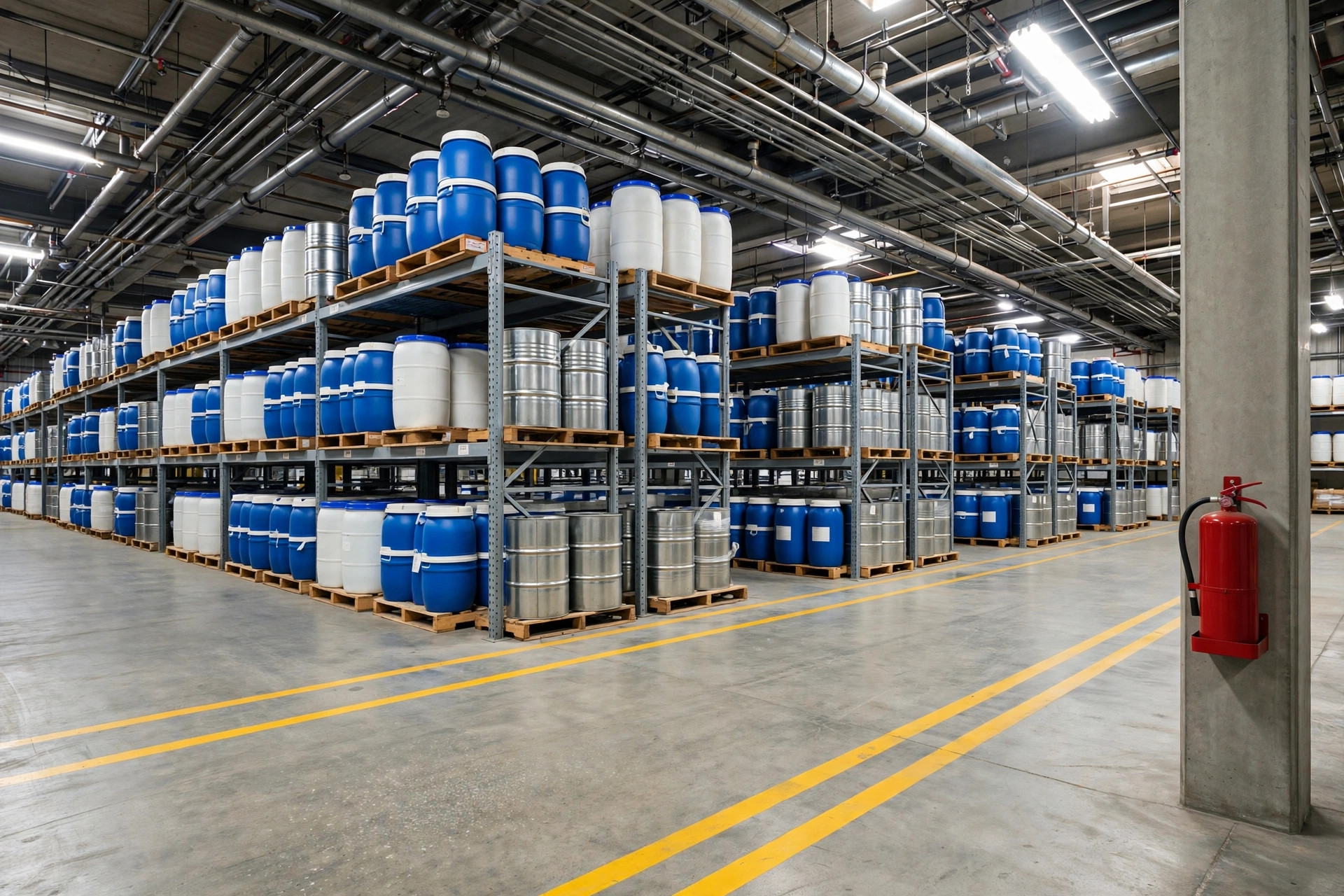
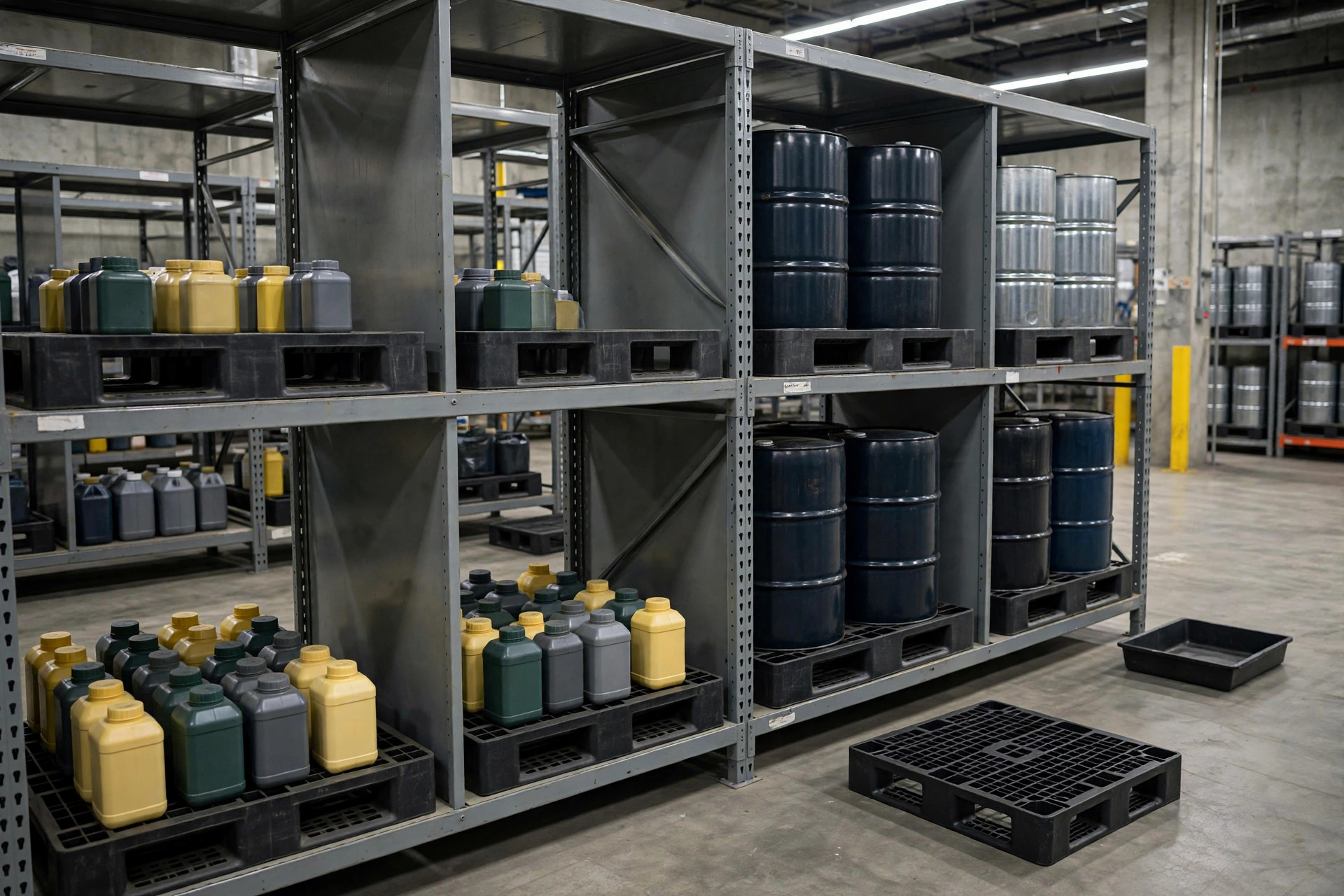
Let me tell you, after all these years on the road, I've seen plenty of warehouses handle pesticides like any other hazmat: SDS filed, fire inspection passed, box checked. But FIFRA answers to the label — every load's storage requirements are spelled out right there on the container. EPA's Label Review Manual lays out what storage statements should cover, and in plain English it comes down to this: always keep it in the original container, no repackaging or pouring it into something else; lock the storage area, keep unauthorized people out, post warning signs at the door; keep the place dry, ventilated, and well lit; keep it far away from food, pet food, feed, seed, and fertilizer; protect it from extreme heat and cold; liquids on the lower shelves, dry formulations up top; keep a spill kit and a fire extinguisher within reach, and post the emergency number on the wall.
How does an inspector check? He opens the label and goes down the list, line by line. It's on the label and you didn't do it — that's a violation. And states can pile on their own extra requirements, so always go by your state pesticide agency's latest rules. Remember this cold: the feds are the floor, the state only gets stricter.
Cold Ruins More Loads Than Heat
January 2023. I hauled a load of liquid insecticide up to Minnesota — twenty-some below zero outside. The receiving warehouse was one big open bay with no heated storage, and the freight sat on the dock for three days. When they cracked a drum open, it had crystallized inside. Wouldn't mix back together no matter how they shook it. The shipper rejected the whole load on the spot. I deadheaded home, and that freight money evaporated.
Everybody guards against heat — folks assume pesticides are afraid of the sun. Up north, cold is the regular customer. Liquid pesticides crystallizing in the cold is a real, common problem: once it crystallizes, the active ingredient is no longer evenly distributed, and that drum is essentially finished. Labels usually print storage temperature requirements. Shipping north in winter? Call ahead and ask one question: do you have heated storage, and can my freight skip sitting on the dock? Don't skip the call. It's worth a whole truckload.
When It Spills, Don't Panic — Read the Label First
I watched it happen on a dock once: a drum tipped over, and a worker grabbed the hose. The pesticide rode the water straight into the drain. Small problem turned big. A pesticide spill is not like a regular chemical spill. The first move isn't water, isn't a broom — it's the label. The label carries spill-handling instructions and a 24-hour emergency number. Follow it and you won't go wrong.
Where does the everyday work go? Lock the storage area — and don't hand every employee a key. Get the warning signs up. Keep it ventilated and dry. Liquids down low, dry goods up high, so a leak doesn't drip onto what's stacked below. Keep the spill kit and the extinguisher by the door where hands can reach them, not locked in an office drawer. When it counts, those two minutes are the difference between money and a lawsuit.
I Ran the Numbers: The Segregation Wall Is the Cheapest Part
I knew a small warehouse whose owner thought building a segregation wall was a hassle. Pesticides and a batch of pet food sat in the same storage area, less than two meters apart, with no physical barrier at all. The state inspector walked in, wrote up the violation on the spot, and every pallet of that pet food was disposed of as suspected contamination. Not one pallet spared. The owner told me later: a few thousand dollars for a wall would have beaten losing tens of thousands in product.
The math is plain:
| Where the money goes | Spend it now (compliance) | Spend it later (after trouble) |
|---|---|---|
| Segregated storage | Racking zones + signage + a lock — a few thousand dollars, once | Mixed storage caught: whole batch disposed as hazardous waste, tens of thousands, fines on top |
| Temperature control | Heated storage, a running cost | A truckload crystallized and scrapped, freight money gone, possible shipper claim |
| Spill readiness | A spill kit costs a few hundred dollars; printing the emergency number is free | One wrong move in a spill response doubles cleanup costs; contaminate water and you're looking at a lawsuit |
Here's the counterintuitive part: plenty of people think a pesticide warehouse is a hazmat warehouse with an extra sign. But "the label is the law" alone separates pesticides from every other hazmat. A hazmat warehouse manages "don't let anything happen." A pesticide warehouse manages "do exactly what the label says." And that few thousand for the segregation wall? It's the cheapest money in the whole building. The most expensive money is always the disposal bill after something goes wrong.
Straight Talk for Shippers and Warehouses
For shippers, three things:
- Before you ship, photograph the label's "Storage and Disposal" section and send it to the warehouse. Don't wait until the truck arrives to ask whether they can store it.
- When booking warehouse space, ask three questions: do you have a dedicated pesticide area? What are the temperature controls? Where is the spill kit? If they can't answer, find another warehouse.
- Shipping north in winter? Confirm heated storage up front and put it in the contract. Don't let freight sit on a dock overnight.
For warehouses, three things:
- At receiving, check three things: is the label intact, is the packaging damaged, and is the incoming trailer clean — what did it haul last?
- Lock the pesticide area separately — don't give every employee a key — and get the warning signs up.
- Spill kit by the door, emergency number on the wall. Not in a drawer. Nobody goes digging through drawers when it matters.
There's an old saying among drivers: a careful trip lasts ten thousand miles. In pesticides, the label is your compass. If you're shipping tomorrow, take ten minutes tonight and read the "Storage and Disposal" section on the label. Ten minutes now saves a pile of trouble later.
By Shifu Zhao, Trucking Veteran (15 yrs)