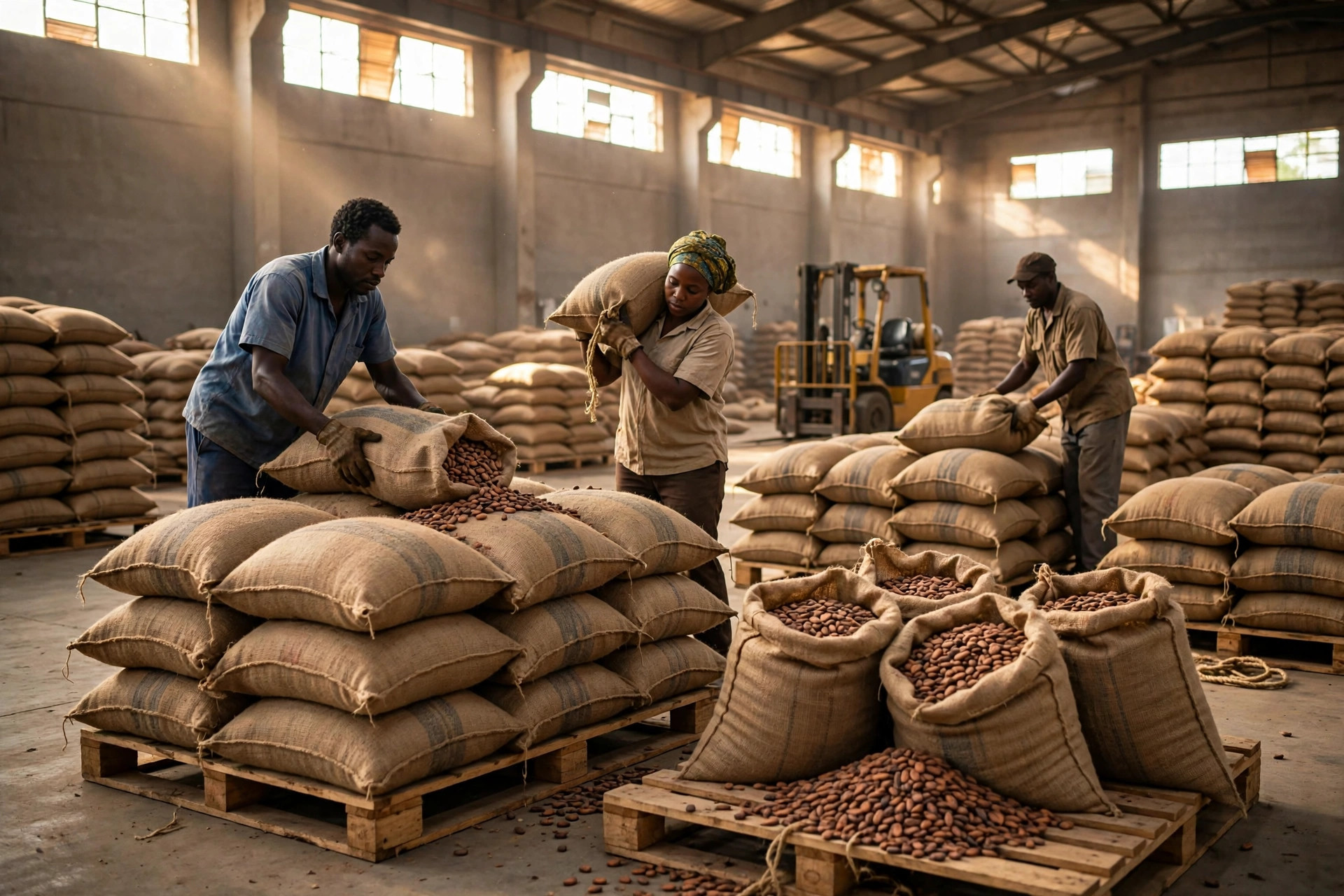
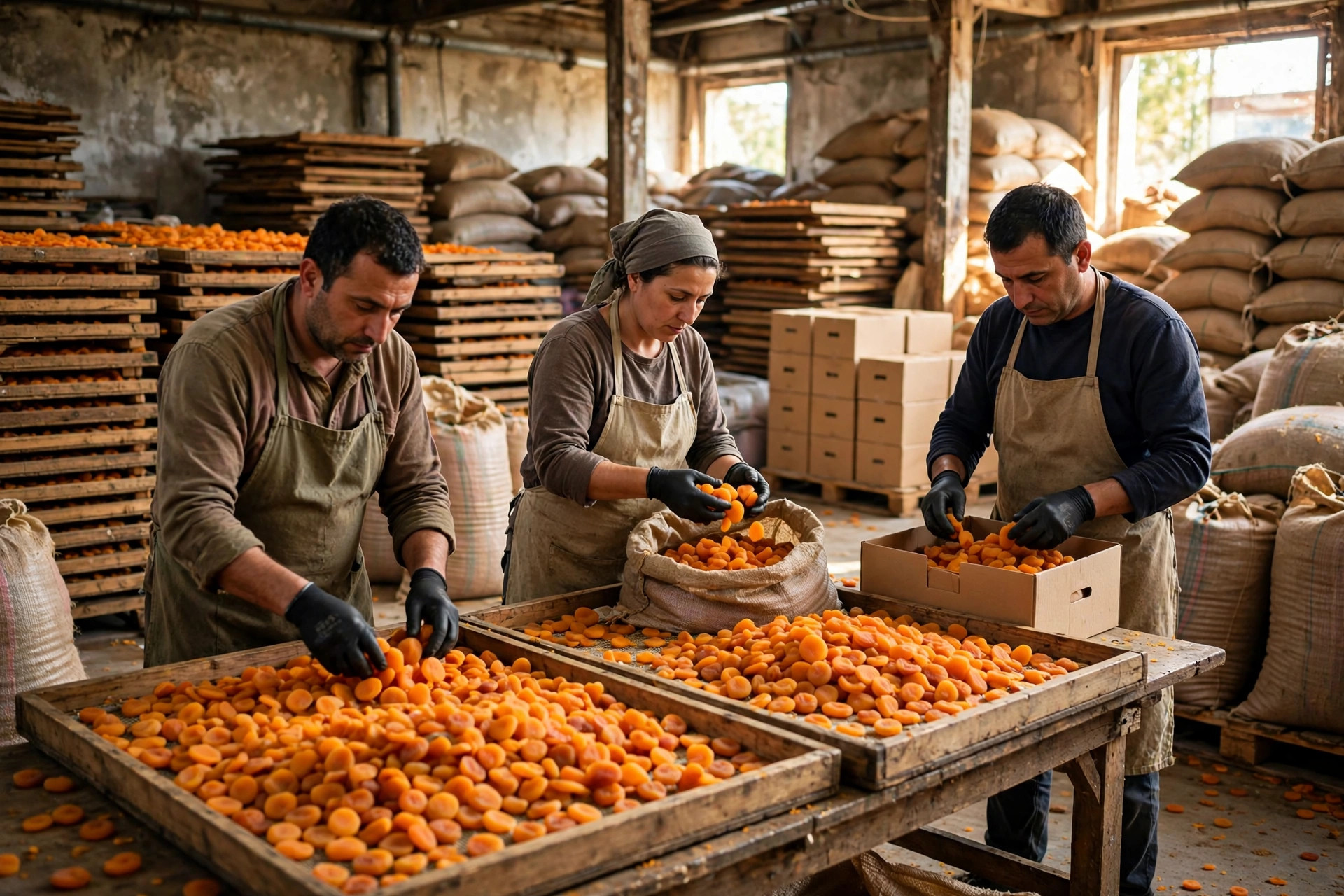
Let me be blunt: peru quinoa export warehouse storage is the part of the business I ignored until it cost me real money. I used to think the job was simple. Buy the quinoa, truck it to a warehouse, stack it, wait for the ship. Easy, right? Wrong. My first real shipment sat in storage for less than a month and came out looking tired. The buyer frowned at inspection, and I knew right then that the warehouse is not a parking lot for grain. It is where your margin is made or lost.
First, a rant: the cheapest warehouse is the most expensive one
Here is the trap most sellers walk straight into. They pick a warehouse on one number alone: the monthly price per pallet. In peru quinoa export warehouse storage, cheaper is not better. I did exactly that, and I paid for it twice.
In June 2025, I rented space on the outskirts of Lima because the rate was almost thirty percent below what other warehouses quoted. I felt clever for about three weeks. Then the rainy season arrived, the ventilation turned out to be poor, and the wall-side rows started picking up damp. The bottom sacks in that row clumped and had to be sold at a discount. Out of an eighteen-ton lot, I lost close to a ton and a half. The money I saved on rent did not even cover a fraction of that loss.
It got worse the next time I cut corners. In February 2026, I was rushing to meet a sailing date and mixed different batches in the same stack to save time. On loading day, the crew spent a full day digging through the pile to find the right batch. We missed the vessel, waited another week, and paid extra storage and delay costs on top of it. That was the day I made my own rule: you can negotiate the price, but you never negotiate away ventilation, moisture protection, and separate batch zones.
How I do it now: four steps, from arrival to loading
My process today fits on one sheet of paper taped to the warehouse door. Everyone follows it, no exceptions.
Step one: inspect on arrival, before anything goes inside. When the truck pulls in, we open sample sacks first. We check for torn bags, dampness, strange smells, and we match the batch numbers and quantities against the delivery note. If something is off, we photograph it right there and hold the load. Thirty extra minutes at the gate saves weeks of arguing later.
Step two: zone by batch, never mix. Each batch gets its own zone, and each pallet gets a batch card showing the arrival date and quantity. Old stock stays where it is easiest to reach, and new stock goes behind it. First in, first out is not a slogan on my wall. It is the order we pick in, every single day. When stock is zoned this way, nobody has to dig, and stock counts stop being guesswork.
Step three: walk the floor every day. I mean every day. Check the corners for damp, check the pallets for leaning, check the sack openings for looseness. Lima in the wet season and Lima in the dry season are two different warehouses. In the wet months, moisture is the enemy. In the dry months, dust and pests take over. Spot a problem in the morning, fix it the same day, and never let it wait until next week.
Step four: inspect again before loading. Before a container is sealed, we sample the load one more time and confirm the batch, the quantity, and the condition of the sacks. This last check protects your reputation. When a buyer opens a clean, tidy shipment, they come back for the next order. A messy shipment wins nobody back.
This sounds boring, and it is. Boring is the point. Follow the sheet on the wall, do not improvise.
I learned that lesson again by watching a friend do it the other way. In September 2025, he moved thirty tons into a warehouse near Callao in one go, thinking he would save on trucking. The warehouse had no batch zones, so three batches ended up in one giant pile. The crew loaded the wrong batch twice, and one container was rejected by the buyer. That container came back, cost him two more weeks, and cost him extra freight on top. Chaotic stock breeds mistakes.
The numbers: what storage really costs
Feelings do not pay the bills, so here is the math from one of my own twenty-ton lots in peru quinoa export warehouse storage. These were the rates I negotiated, so treat them as a reference point, not a promise.
| Option | Monthly storage cost | Damage risk | Loading speed |
|---|---|---|---|
| Cheap warehouse, loose stacking, mixed batches | Lowest | Highest, damp and clumping in the wet season | Slowest, finding stock means digging |
| Proper warehouse, pallets, batch zones | Mid-range, roughly twenty percent higher | Low, pallets and zones keep stock off damp floors | Fastest, batch cards point straight to the stock |
| Short-term rental, charged by the day | Highest per-day rate | Medium, depends entirely on the site | Average, locations keep changing |
Look at the middle row. It costs about twenty percent more per month, but damage drops from a ton and a half to almost nothing, and loading finishes a day sooner. On total cost, the middle option is the cheapest. That is the whole lesson: never judge storage by the monthly rate alone. Judge it by total cost, including damage, delays, and rework.
There is one more number sellers forget: cash tied up in stock. Every extra month a lot sits in storage is another month of money sitting still. My rule is to hold roughly forty-five days of expected sales, no more. If a lot is bigger than that, I ask the supplier to ship later rather than piling everything into the warehouse at once. Fast-moving stock means fast-moving cash.
When I negotiate a warehouse contract now, I lock in three things in writing: a weekly stock count sent to me, clear opening hours for inbound and outbound work, and a written rule for compensation when something goes wrong. Vague promises are worth nothing. Clear rules make both sides easier to work with.
The last trap: rushing a shipment can cost more than waiting
Here is the counterintuitive part, and most sellers get it backwards. You would think that since storage costs money every day, shipping as fast as possible is always right. It is not. For a farm product like quinoa, rushing past your final inspection to catch a vessel can cost far more than a few extra days of storage.
I did exactly that once. A buyer was pushing hard, the sailing date was tight, and I skipped the pre-loading check to save time. At destination, the buyer reported several sacks with loose openings and dust inside. The negotiation over a price cut dragged on for three weeks, and I ended up absorbing part of the freight as well. Since then, my rule is simple: I would rather pay a few more days of storage than ship a load I have not checked. Storage is a small bill. A damaged reputation is a huge one.
On the paperwork side, I follow one discipline that has saved me more than once. Rules on export documents, inspections, taxes, and certifications change, and they differ by destination, so I never quote a precise figure from memory. Before I act, I check the latest official policy and use that as the source of truth. The same applies inside the warehouse: do not accept a standard just because an intermediary said so. Put ventilation, moisture protection, zoning, stock counts, and compensation in the contract, in writing. A signed contract beats a verbal promise every single time.
One more loading-day habit: I stand at the container door while the first pallet goes in and check pallet direction, stacking height, and sack openings before the crew carries on. I have seen a crooked pallet stop a door from closing, forcing a full reload. Ten minutes at the door beats losing half a day to rework.
So here is my whole approach in one line: treat the warehouse as the last quality checkpoint, not as a cost to minimize. Inspect on arrival, zone by batch, walk the floor daily, and inspect again before loading. Count the total cost, not just the rent. Do not chase the cheapest warehouse, and do not skip checks to catch a ship. This approach worked for me, and it is the one I still use on every lot.
By Ah K, E-commerce Seller (5 yrs)