In 2025, Brazil's beef cold chain posted record numbers: 3.5 million tons of beef exported, up 20.9% year on year, earning US$18.03 billion, up 40.1%, according to ABIEC, the Brazilian beef exporters' association (via Minerva Foods). Roughly half of that volume went to China. Behind those figures runs another line entirely: from inland slaughterhouses to the port of Santos, every kilogram travels at -18°C, and the chain cannot break — not once. This piece follows that -18°C line and works through the economics, link by link.
Taking the Chain Apart: Four Links, One Plug
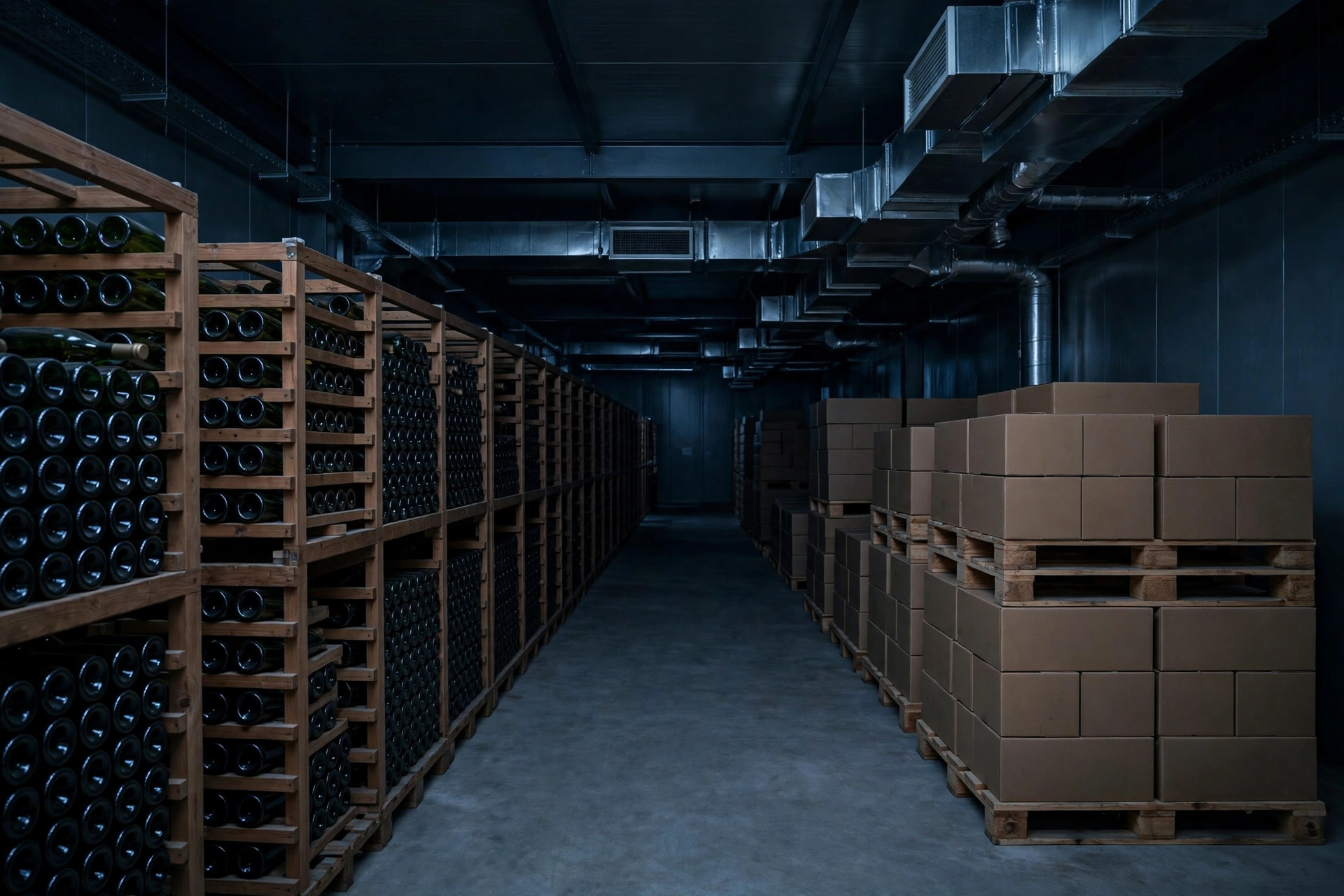
After cattle are processed and packed at slaughterhouses in Brazil's Center-West or South, the journey unfolds in a fixed sequence: blast-freezing at the plant's own cold store until the core temperature drops below -18°C, loading onto refrigerated trucks bound for the coast, then at the port either staging in a port cold store to wait for a vessel or loading directly into a reefer container plugged into the yard's power supply, and finally the ocean leg to China, the United States, or the Middle East.
Note the shape of this chain: it is not really a chain of "cold" — it is a chain of electricity. The truck runs on its own diesel-powered refrigeration unit, the reefer at the port runs on a yard plug, the box at sea runs on ship power. Every handoff is a switch from one power source to another. Keeping the chain unbroken means, above all, keeping the power unbroken.
Scene one: the trucking leg. This is the only segment of the entire chain that cannot be plugged in. From an inland slaughterhouse to Santos, a refrigerated truck covers long highway distances with nothing but its onboard refrigeration unit holding -18°C. There is no plug on the road, no intermediate cold store to borrow a kilowatt-hour from. The driver's job is brutally simple: doors stay shut, the unit keeps running. No glamorous statistics here — just equipment reliability and driver discipline.
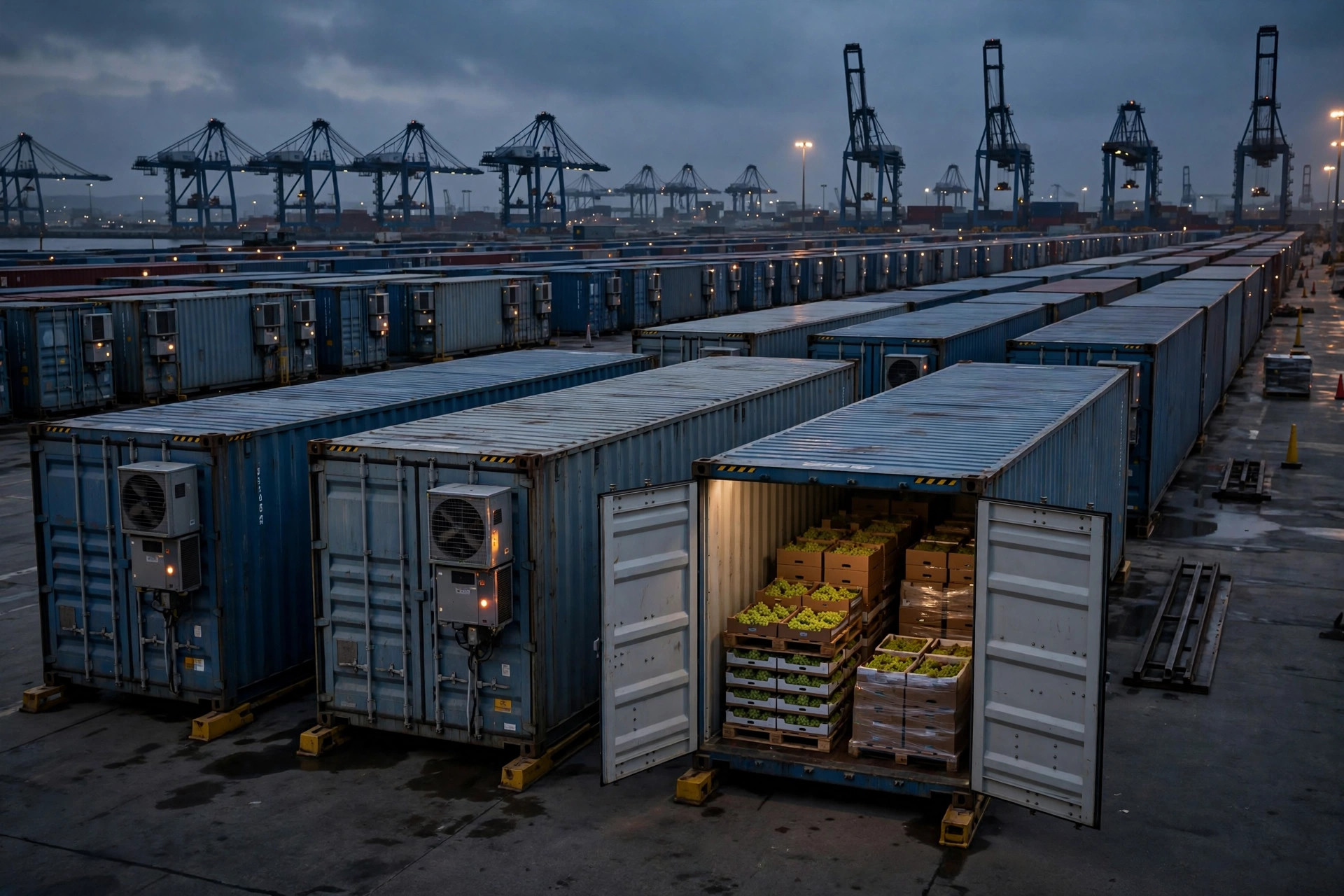
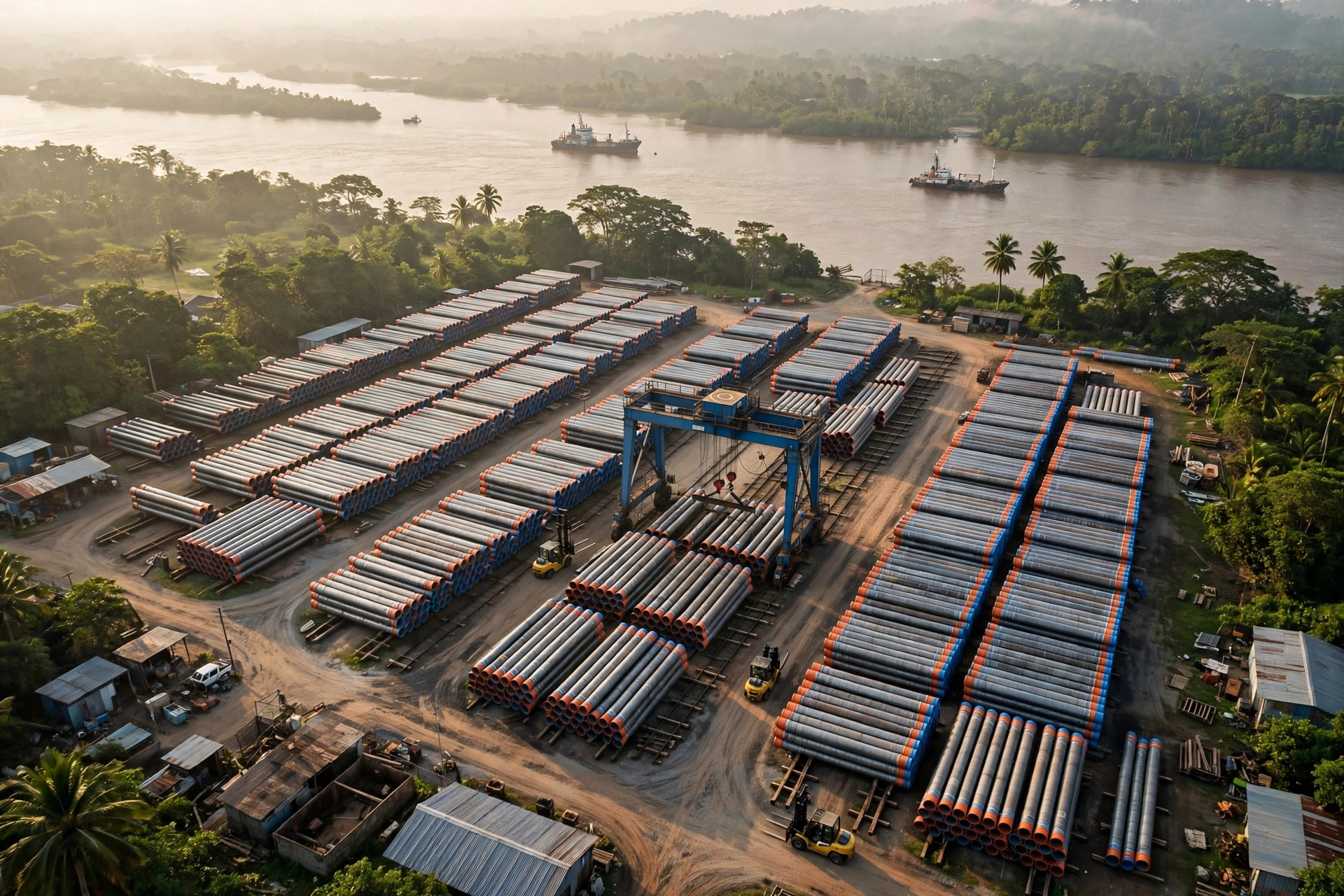
Scene two: the plug yard. In the first nine months of 2025, a single terminal at the port of Paranaguá — TCP — shipped 736,000 tons of frozen beef, up 49% year on year. To absorb that volume, the port expanded its reefer yard to 5,268 powered plugs, the largest reefer yard in South America. In peak season, those 5,268 plugs are 5,268 "beds": when vessel schedules bunch up, reefer boxes queue in the yard waiting for power and waiting for a ship. Whether one plug is free or occupied decides directly whether one box makes its sailing.
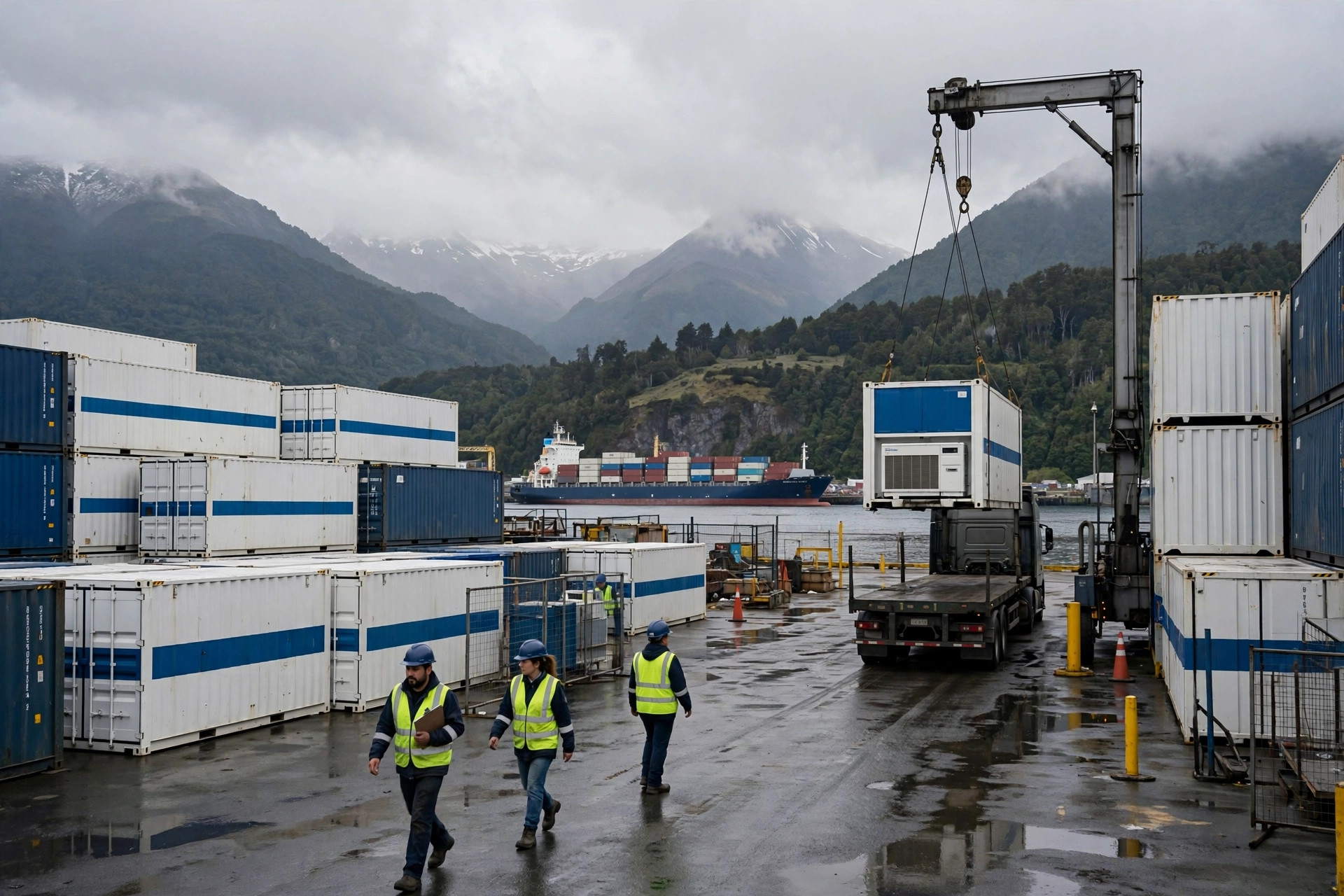
Scene three: the handoff window. Keeping the chain unbroken is tested not inside the cold store but in the few minutes of every door opening, every transloading, every plug-in and unplug. The mature playbook is simple: pre-cool the reefer to setpoint before loading so the in-box temperature has less ground to recover; put a temperature logger in every box so the full curve is on record and any dispute starts with the curve, not with opinions; verify seal, box number, and temperature reading with three-way sign-off before release. Skip any one of these and the -18°C chain can look unbroken on paper while already loosening in practice.

What a Broken Link Costs: Start With the Per-Ton Math
Begin with the most basic calculation. Dividing ABIEC's figures — US$18.03 billion by 3.5 million tons — gives an average export value of roughly US$5,150 per ton in 2025. Every ton moving through Brazil's beef cold chain therefore carries a temperature-failure exposure measured in thousands of dollars of direct cargo value — and that is only the cargo value.
A break rarely costs once. The damage typically lands in three layers:
| Layer | What happens | Scale |
|---|---|---|
| Direct cargo loss | Whole box out of temperature range; receiver rejects or downgrades | ~US$5,150/ton × full box tonnage — a six-figure cargo value per box |
| Claims and inspection costs | Insurance claims, destination-port inspection, detention and demurrage | Time and money together; miss a peak-season sailing and you lose weeks |
| Customer trust | Importer removes the supplier from its approved list | What is lost is not one box but several years of future orders |
Here is the counterintuitive judgment: most people assume the riskiest part of the cold chain is the weeks at sea — but the ocean leg is actually the most stable segment of the whole chain. A reefer on a vessel runs on continuous ship power with its temperature fully traceable. The real fragility sits at the two ends' handoff windows: the tens of minutes when the truck's rear doors open and cargo moves into the cold store or the reefer box; the gap when a box is unplugged from the yard, lifted aboard, and plugged back in. The enemy of -18°C is not distance. It is the handoff.
Three Routes Through Brazil's Beef Cold Chain: Blast-Freeze, Direct-Load, or Stage
Same -18°C, same unbroken chain — yet different shippers in Brazil's beef cold chain travel different routes, with very different cost structures:
| Route | Method | What it saves | What it costs | Who it fits |
|---|---|---|---|---|
| Blast-freeze + port staging | Freeze at the plant, stage in the port cold store, load to vessel schedule | Schedule flexibility; no panic over late vessels | One extra in/out move, plus port storage fees | Large exporters with big volumes and unstable sailings |
| Direct reefer loading | Load the frozen cargo straight into the reefer at plant or yard, one box door-to-door | Fewer transloadings, fewest handoff windows | Boxes committed early, yard plugs must be booked ahead | Shippers with tidy orders and a single destination |
| Conventional freezing + fast turn | Standard freezing pace, fast dispatch | Small blast-freezing investment | Lower quality ceiling, cannot serve premium markets | Price-sensitive markets |
There is no optimal route — only trade-offs. Choosing direct loading means paying the certain cost of locking boxes and plugs early in exchange for fewer handoffs and lower risk; choosing staging means paying storage fees in exchange for schedule flexibility. Cold chain researchers talk about temperature, but what the shipper is really buying is the probability of "unbroken."
Behind the 5,268 Plugs: The Shifting Center of Brazil's Beef Cold Chain
Put the data side by side and the picture clarifies. Per ABIEC, Brazil exported 3.5 million tons of beef in 2025 (+20.9%), of which 270,000 tons went to the United States — and ABIEC expects the US lane to reach 400,000 tons in 2026, an increase of nearly 50% in a single year. Meanwhile, in 2025 Brazil's beef production surpassed that of the United States, making Brazil the world's largest beef producer (Reuters/USDA). The production side is number one in the world, the export side is growing at double digits, and the port side — Paranaguá's 736,000 tons in nine months (+49%) — shows the bottleneck has already moved from "are there enough cattle" to "can the ports absorb it."
The 5,268 plugs are the physical evidence of that shift. When a port needs South America's largest reefer yard to handle 49% growth, the competition in this chain has moved from slaughterhouse capacity to port cold chain infrastructure. At Santos and Paranaguá, the contest is no longer about who has more berths — it is about who has more plugs, whose cold store sits closer to the quay, and whose power supply holds through peak season.
My trend judgment is cautiously optimistic: the demand side — China's roughly 50% share, the US lane's expected 400,000 tons in 2026 — gives this chain its volume for the next two to three years. But supply-side elasticity depends on heavy assets — plugs, cold stores — keeping up with 20%-plus annual growth. Heavy assets are built on timelines measured in years, while 2025's 20.9% growth is being delivered month by month. That timing gap is where every story on this chain for the next two to three years will come from. For anyone investing in South American cold chain infrastructure, that set of numbers is itself the business case.
One open question is worth tracking: as more and more Brazilian beef reaches tables in China and the United States at -18°C, where does pricing power tilt — toward the Brazilian exporters who own the herds and the slaughter capacity, or toward the ports and logistics players who own the plugs, the cold stores, and the vessel slots? The -18°C line looks like a temperature line on the surface; underneath it is an industry power line being redrawn. The answer is not in this year. It is in the port investment lists of the next two to three years.
By Dr. Chen, Supply Chain Researcher