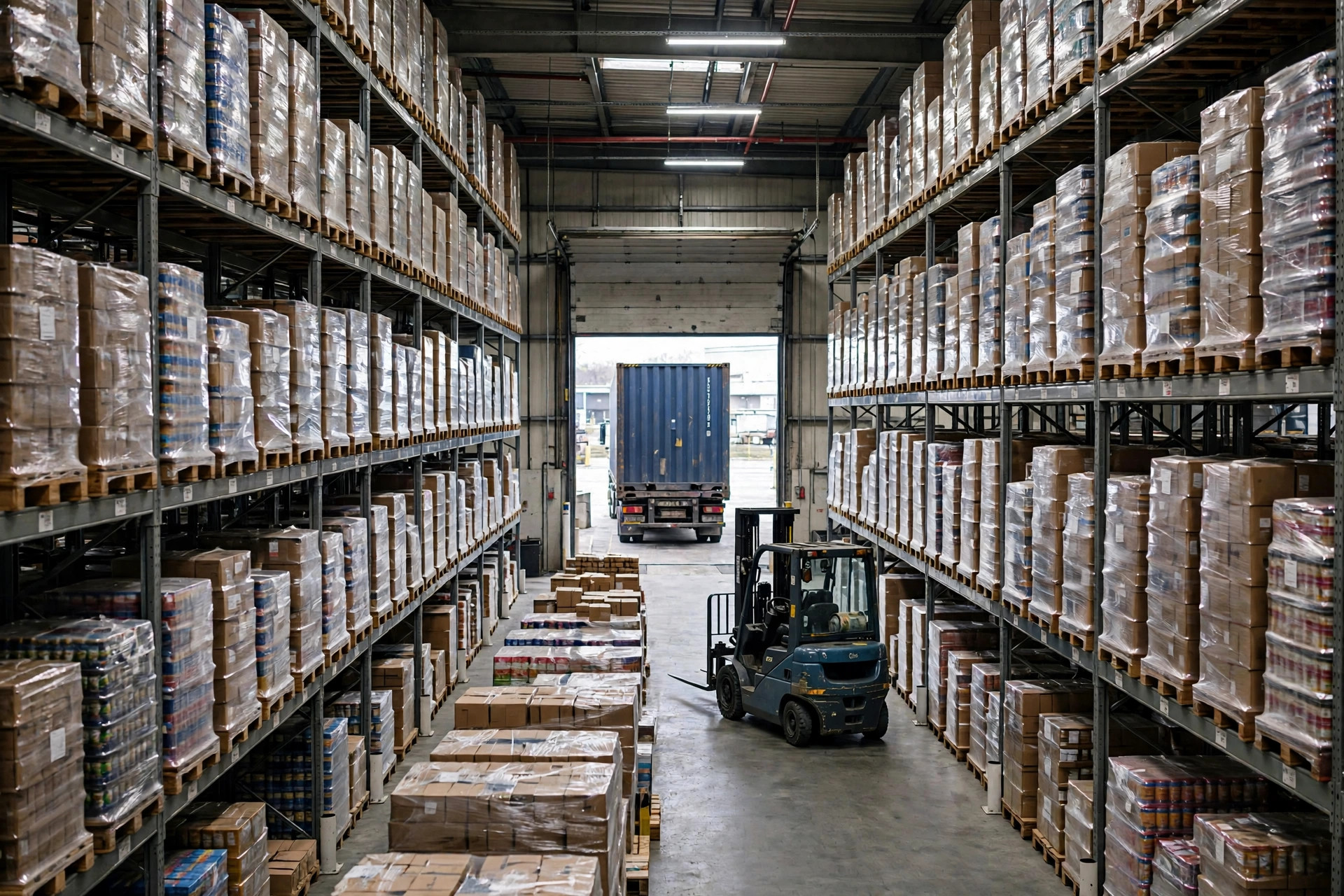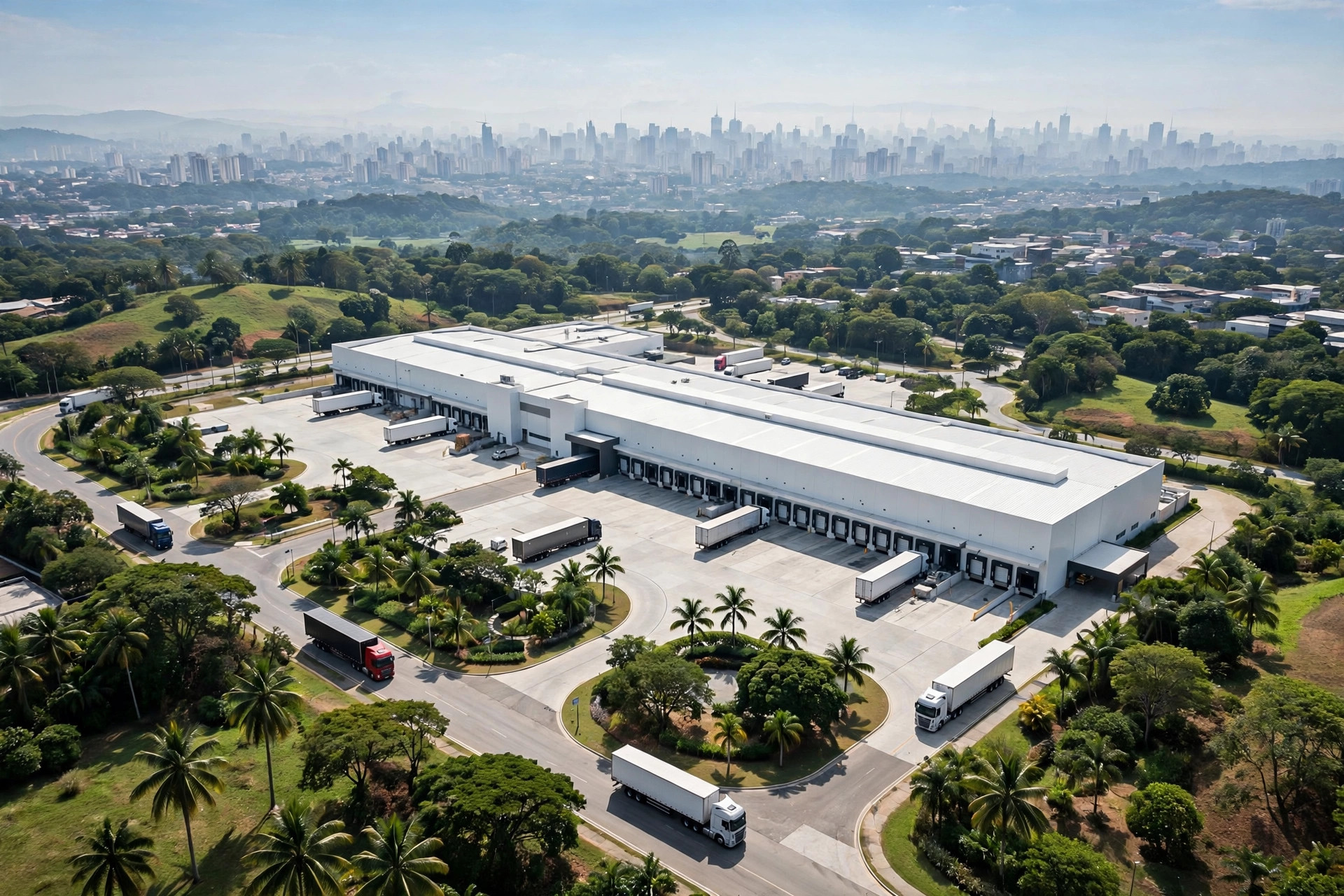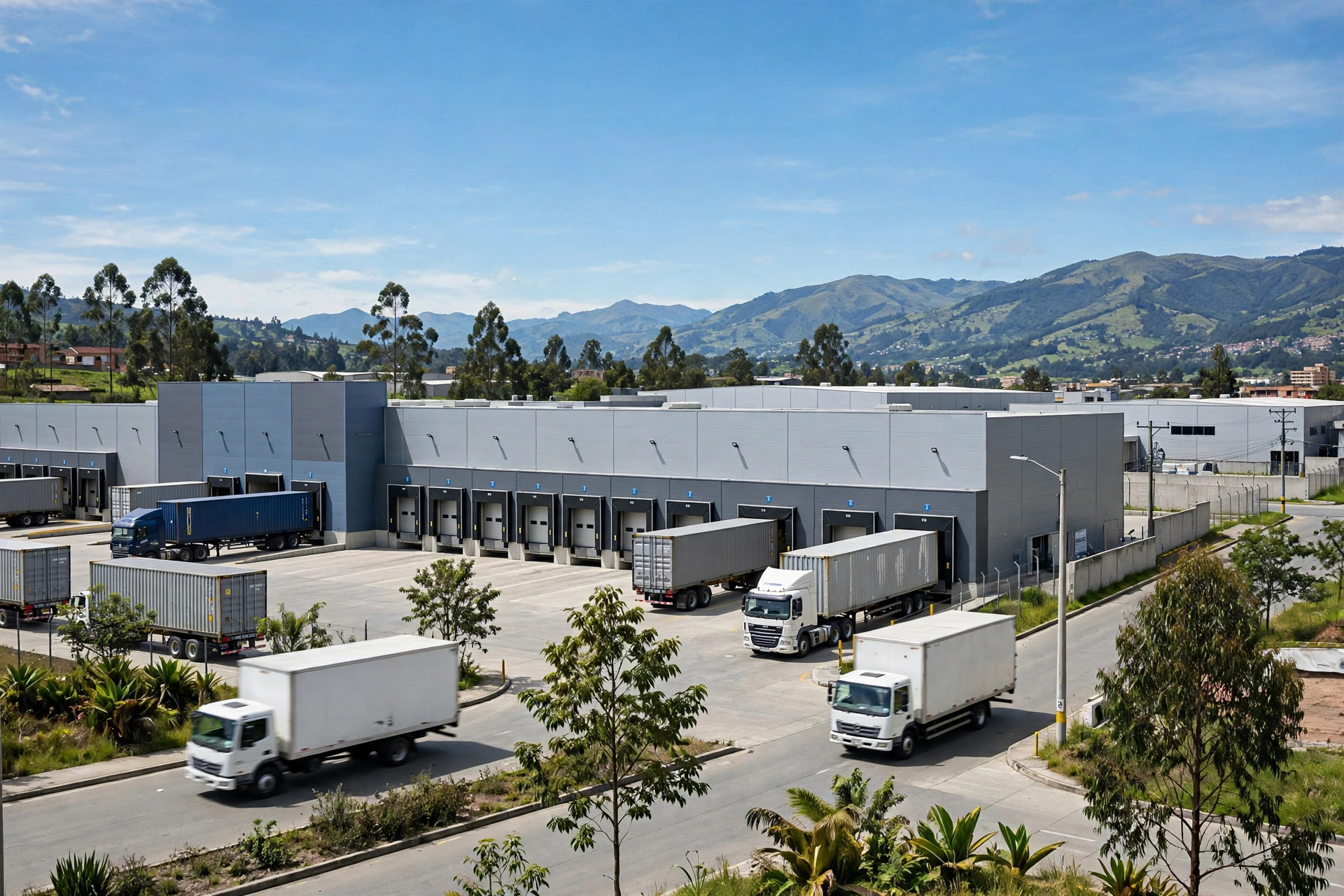
One of our clients — a Bluetooth speaker seller out of Shenzhen — called me in April 2026. His Mercado Libre Colombia store had just crossed 30,000 orders a month, his Chile warehouse was bursting at the seams, and Colombia was next on the map. He'd seen the pitch everywhere: "Set up in Colombia's Zona Franca free trade zones — 20% corporate tax, zero import duties." He wanted to know if he should just go sign a warehouse lease in Bogotá.
I told him to hold off on the deposit. That 20% comes with a condition most people only learn about after they've signed.
That 20% Rate? You Only Get It If You Actually Export
Here's the part the brochures skip. Since Colombia's 2022 tax reform (Law 2277), the free zone regime runs on two tracks: only income from exporting goods and services gets the 20% corporate rate. Income from selling into the Colombian domestic market is taxed at the standard 35%. And to keep the 20%, companies must file an "internationalization plan" with the Ministry of Commerce (MinCIT) and hit annual export targets under Decree 047 of 2024 — check the latest official rules before you bank on any of this.
Read that again. If 100% of your orders come from Colombian consumers on Mercado Libre, you pay exactly the same 35% inside the zone as outside it. You'd be paying a premium on zone rent for an economy seat while thinking you bought first class.
I watched this play out both ways last year. A Guangzhou auto-parts client set up in the Bogotá free zone for re-export: containers from Ningbo landed in Cartagena, cleared into the zone with genuinely zero duties and zero VAT at entry, got relabeled and split, then shipped on to the US and Mexico (Colombia has an FTA with the US, which helps on the way out). Roughly $4.8 million in goods moved out of the zone in the first ten months of 2025, and the tax math on that flow was genuinely beautiful. But note the key detail — he sold nothing domestically.
The Shenzhen speaker seller was the mirror image. We ran his numbers: 90% of his orders were Colombian consumers. The VAT he'd save at the import stage would take about 14 months to pay back the zone rent premium and compliance overhead. He ended up in a regular warehouse outside the zone, paid his duties once at import, and moved on with his life.
Second trap the brochures don't print: the moment goods leave the zone for the Colombian domestic market, it's treated as an import. Duties and the 19% VAT (per current official rates) apply in full. So "zero duties" covers goods entering the zone — not goods leaving it for local customers. If your buyers are Colombians, you're paying those duties either way; the zone just changes when you pay them.
Third trap: getting the money out. Profit repatriation runs through Colombia's foreign-exchange registration channel — paperwork and lead time. Don't discover this in December when you're trying to pay dividends.
The Math, Side by Side: Inside the Zone vs. Outside
Forget the concepts. Here's the comparison framework we use with clients (figures reflect early-2026 market conditions; confirm against official sources and live quotes):
| Inside a Zona Franca | Regular warehouse outside | |
|---|---|---|
| Corporate tax | 20% on export income, 35% on domestic income | Flat 35% |
| Duties/VAT at import | Zero on entry; payable when goods move to domestic market | Paid once at import |
| Storage duration | Unlimited inside the zone | Bonded warehouses have time limits |
| Rent | Typically a premium over comparable outside parks | Market rate, more negotiable |
| Best for | Re-export, export processing, regional distribution hubs | Pure local e-commerce fulfillment |
One sentence to remember: if your goods end up with foreign buyers, go in the zone; if they end up with Colombians, stay out. For the 50/50 crowd, split your domestic and export volumes and follow whichever side is bigger.
Bogotá, Cartagena, or Occidente: Picking Your Zone
One more correction while we're at it. Some agency websites still claim Colombia has "only 9 free trade zones." That's a decade out of date. Per ANDI (Colombia's national business association), 2025 figures put the country at 115–120 approved zones hosting 1,000+ companies and 180,000+ formal jobs. Don't limit your site search to Bogotá.
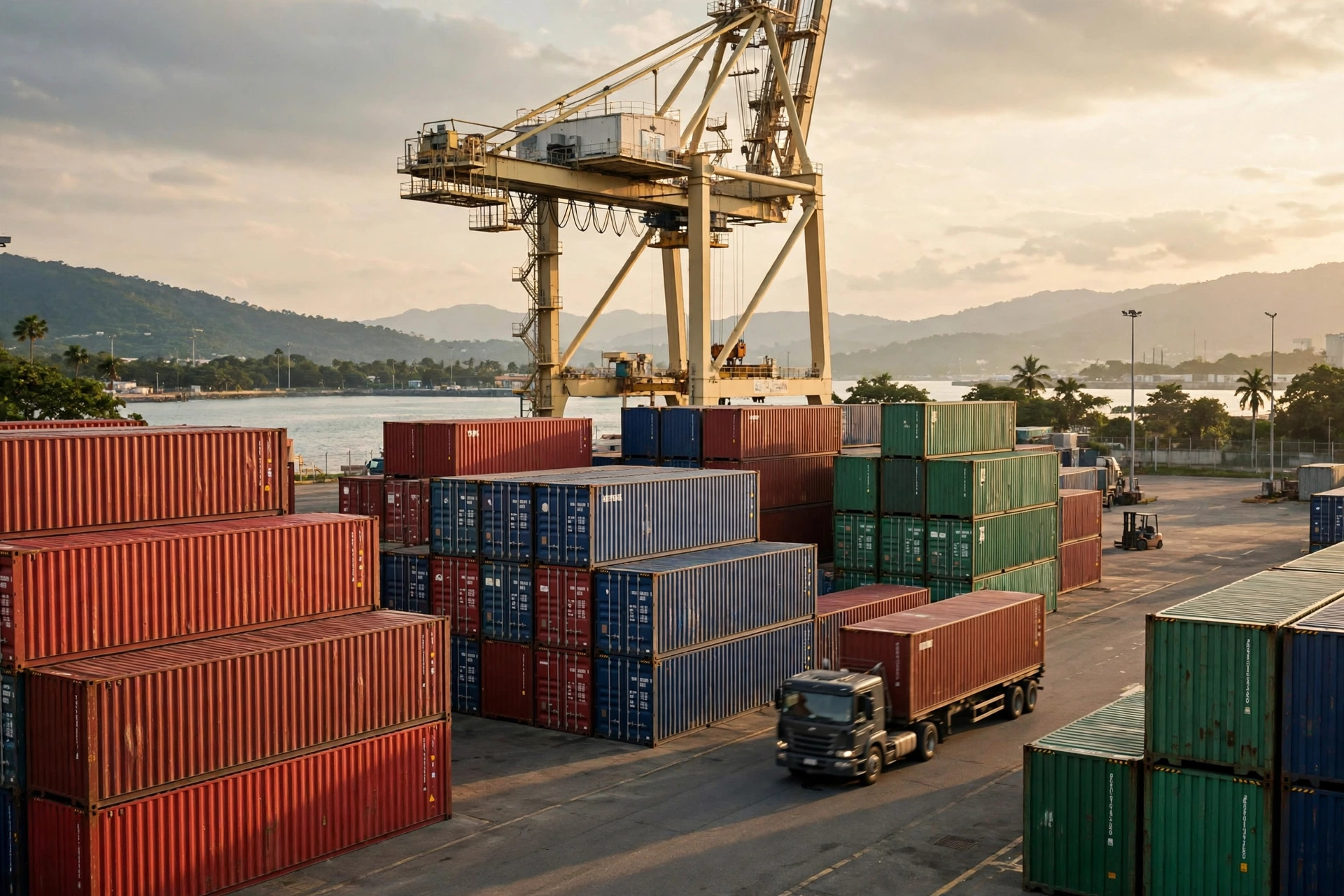
Zona Franca Bogotá: 96 hectares, 1.5 km from El Dorado International Airport — the biggest and most established zone in the country. If you move air freight or high-value small parcels, or your distribution center needs to sit on top of the capital's consumer market, this is the default pick. The catch: it's inland. Ocean freight comes in on the Caribbean coast and rides trucks over the mountains — budget the time and cost accordingly.
Cartagena area (La Candelaria and other port zones): full containers roll straight from the vessel into the zone with almost no inland leg — ideal for high-volume re-export and heavy goods. The mirror-image drawback: you're far from Bogotá and Medellín, so last-mile on domestic orders gets expensive.
Zona Franca Occidente: west of Bogotá, newer, with more room to negotiate on rent. Suits budget-sensitive sellers who still want Bogotá-market access.
Which one? Depends on where your goods come from and who buys them — back to the one-sentence rule above.
Three Questions for Your Next Contract Negotiation
Enough theory. These three questions are real money — ask the zone operator or landlord directly:
1. "Does the rent include zone operating fees and customs supervision charges?" Some operators bill DIAN system integration and on-site inspection support as separate line items — a few thousand dollars a year you never saw coming. If you don't ask, you've agreed.
2. "If my industrial-user qualification doesn't get approved, can I exit the lease with no penalty?" Approval takes months (per current official timelines), and most people sign the lease first. If the qualification falls through, you're paying free-zone rent for a regular warehouse. Get the exit clause in writing.
3. "Who handles the zone-to-domestic customs clearance, and what's the per-shipment fee?" This is your highest-frequency transaction. Negotiate the per-shipment brokerage fee well and you save half; ignore it and it bleeds you every month.
On investment thresholds and headcount: becoming an industrial user means committing to minimum fixed-asset investment and a job-creation number, both calculated as multiples of the legal minimum monthly wage (SMMLV) under official schedules that change — check the latest official tables. A regular multi-company zone user faces a far lower bar than a single-company zone (where you build your own zone: goods projects run to tens of millions of dollars and 150+ jobs). Most Chinese sellers take the "lease space in an existing zone and qualify as an industrial user" route. Don't let the single-company numbers scare you — and don't budget against them either.
Bottom line: the Zona Franca is a good tool, but it's a tool built for exporters. Figure out who buys your goods before you decide whether to go in — get the order backwards and that 20% rate will never touch you.
By Susan, 3PL Sales Director