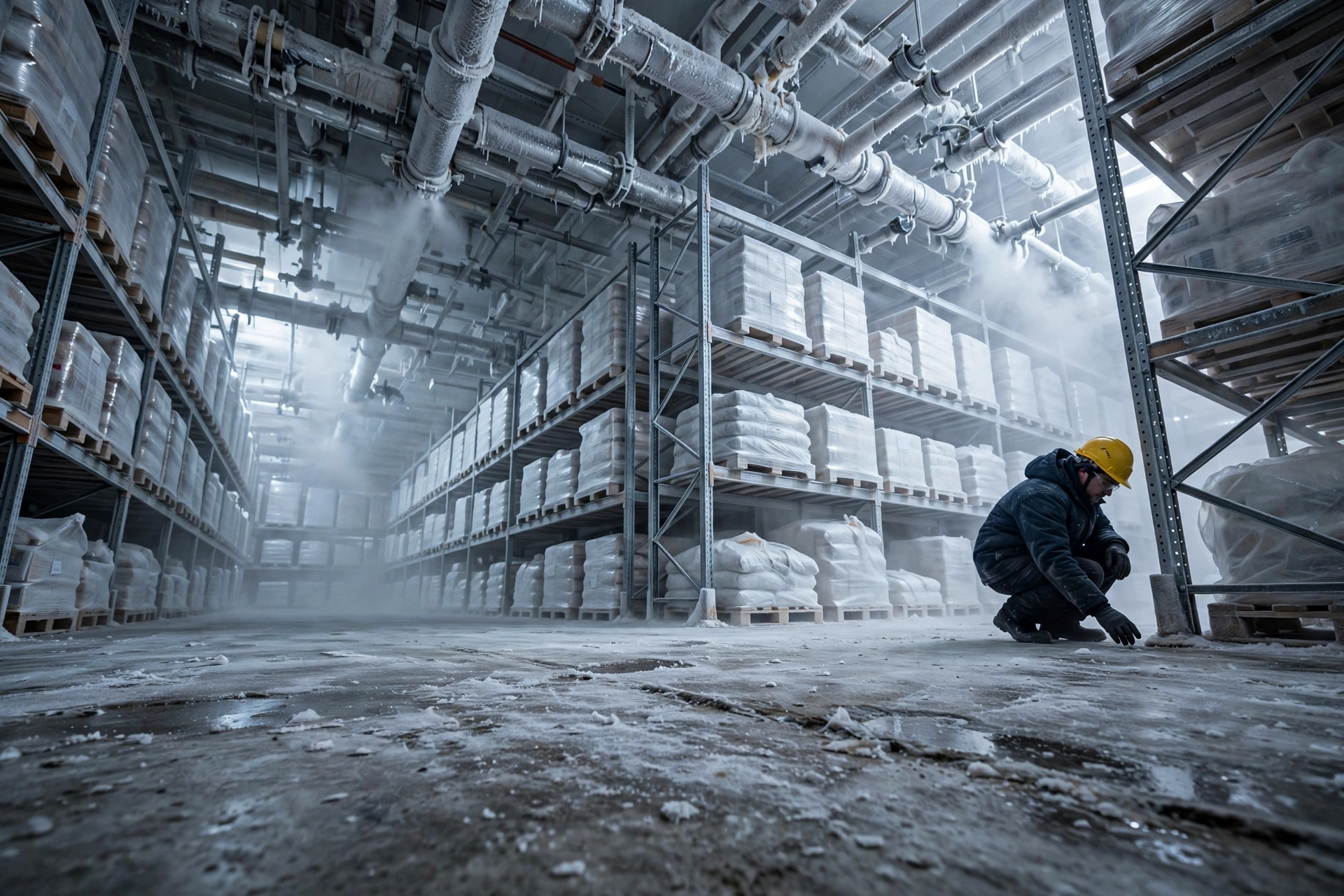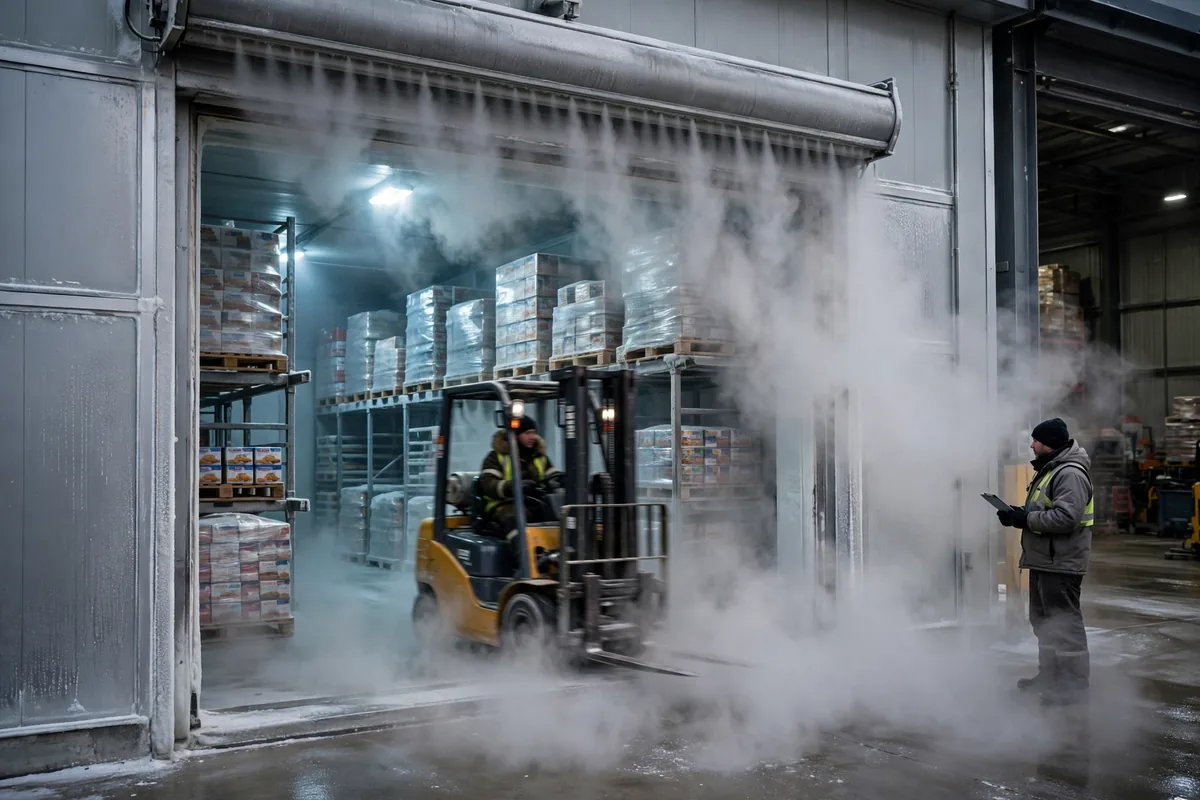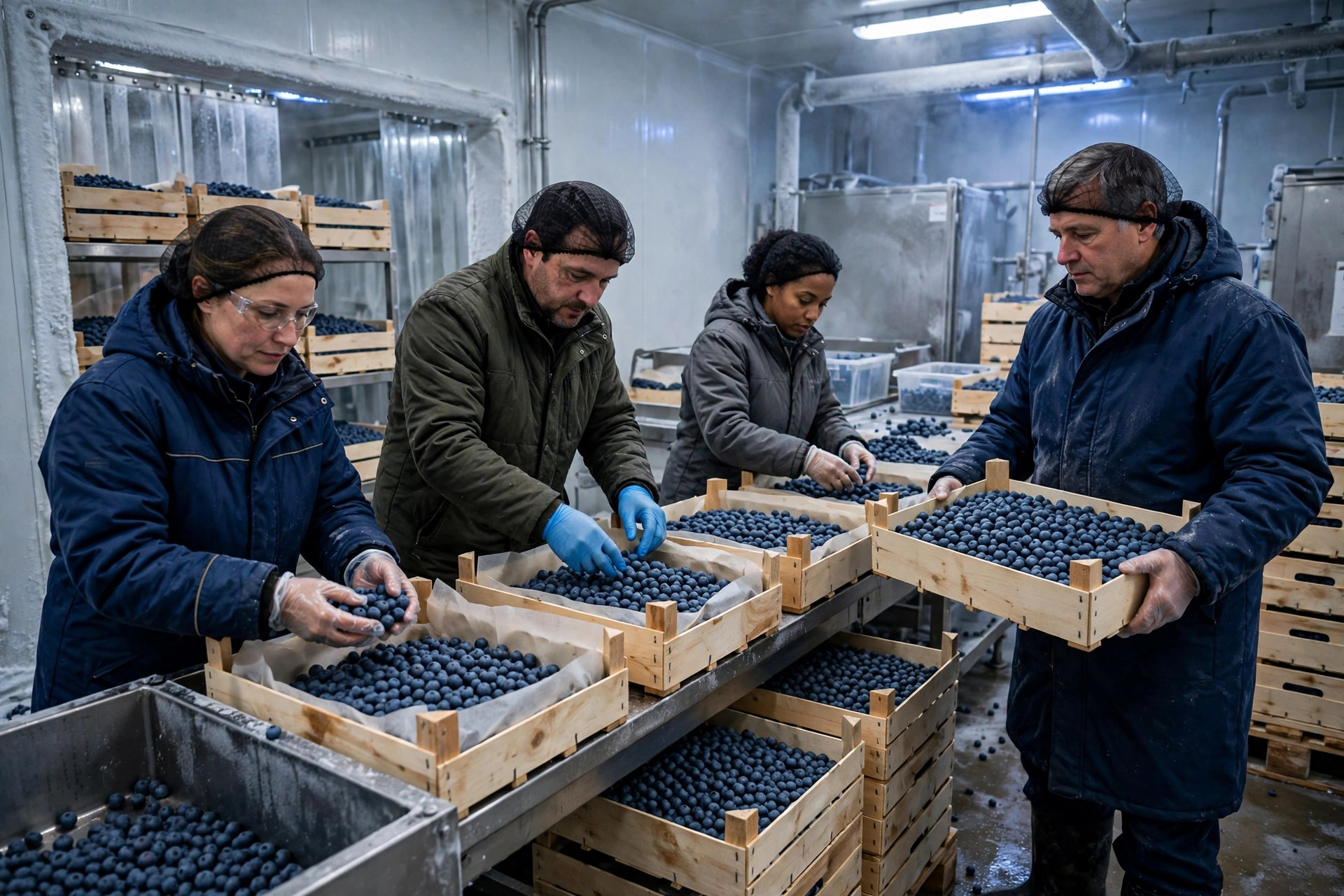
We have a client, a mid-sized blueberry grower in central Peru, who shipped its first big sea-freight volumes to China last year. The first two containers arrived, the buyer opened them, and the verdict came back in one sentence: the berries had gone soft and would not fetch top price. The client came to us convinced the reefer temperature had been set wrong. We pulled the temperature logger data for the whole trip. The container had held steady all the way across the Pacific. The problem was before loading: the fruit had sat in the field for most of a day before reaching the pre-cooling facility, then queued for another round of pre-cooling, and by the time it was stuffed, the pulp temperature had never really come down. A reefer maintains temperature; it does not bring it down. That container was doomed the moment the doors closed.
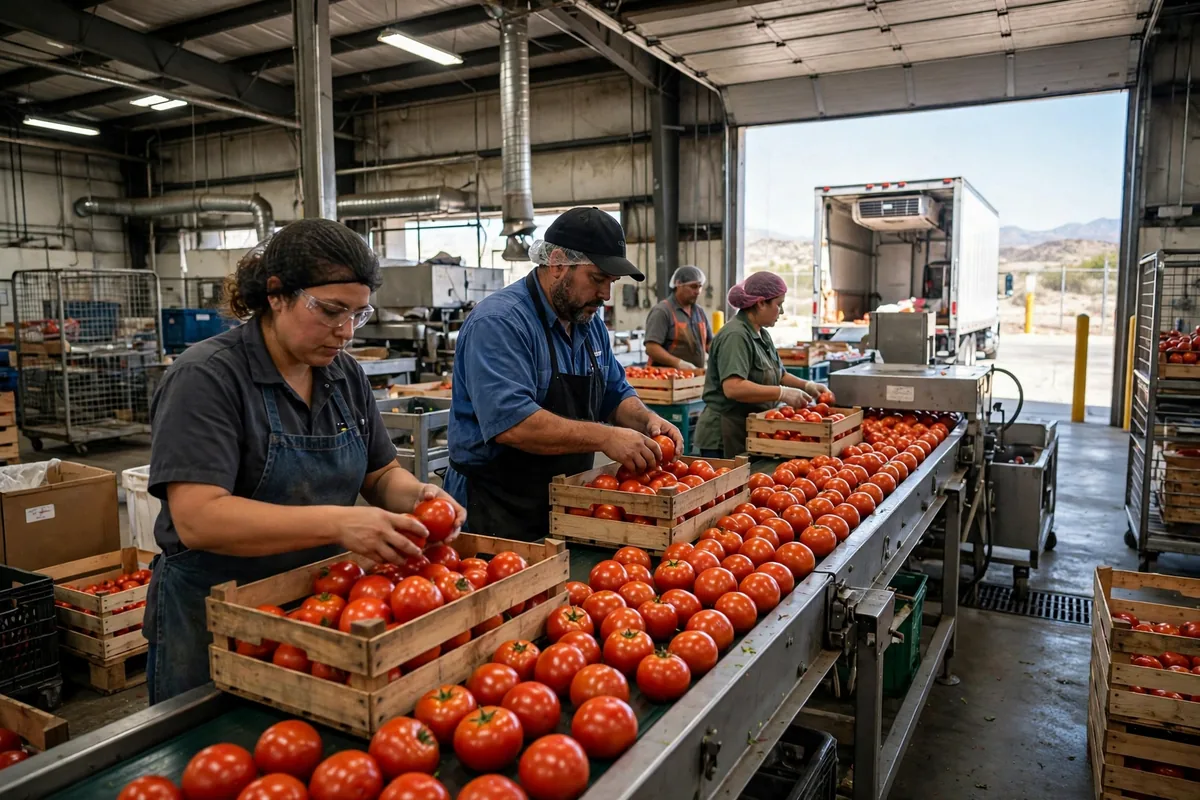
I tell this story to nearly every fresh-produce exporter I meet, because it is so typical. People price a cold chain by adding up ocean freight and reefer rental, and they skip the most expensive leg: the hours between the orchard and the pre-cooler. A blueberry keeps respiring after picking, and field heat that is not removed promptly starts a decline no amount of later spending can reverse. Clients love to haggle three or five hundred dollars off the per-container freight, yet nobody asks the question that matters ten times more: how many hours, contractually, from picking to pre-cooling?
The Client Who Switched from Air to Sea and Nearly Gave the Savings Back
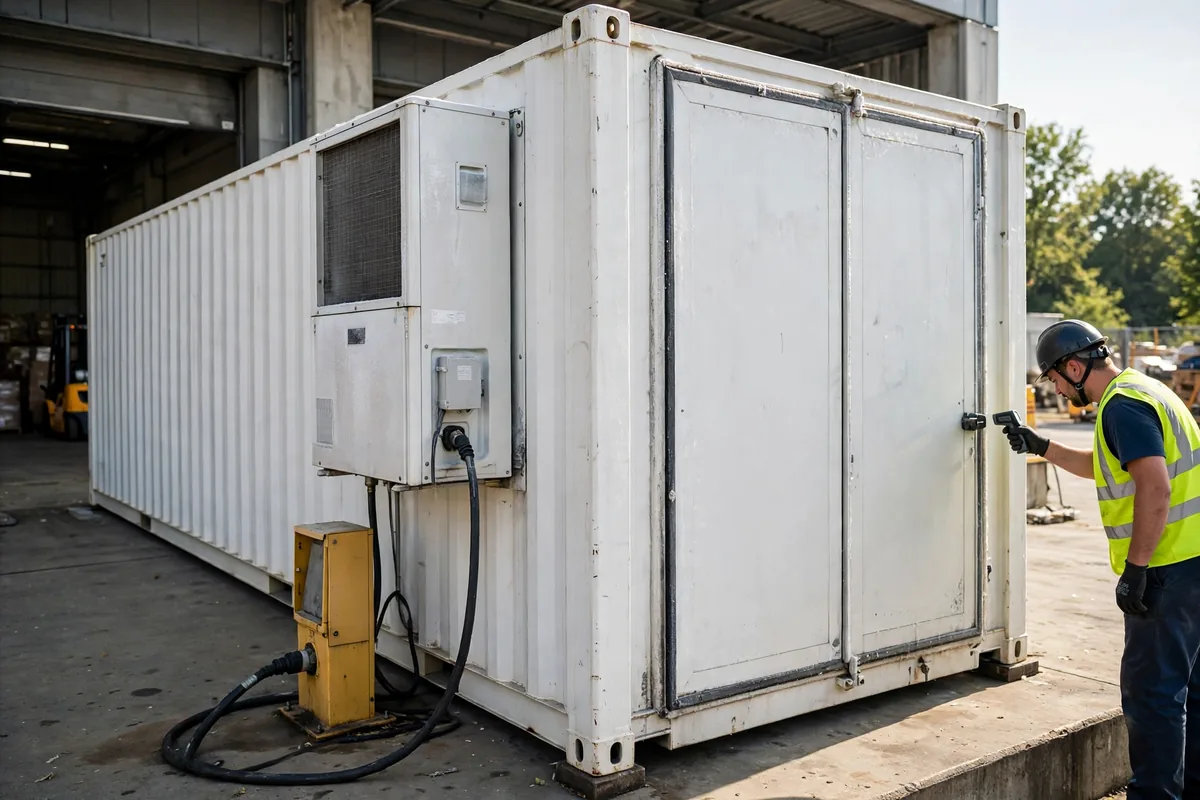
Another client grew premium varieties and had always flown them out. Air was fast and gentle on the fruit, but the freight bill hurt. Last year he did the math: one air shipment cost what several sea containers cost, so he switched to ocean. The first season genuinely saved money — until two containers suffered a power interruption while waiting at the yard for their vessel, plainly visible as a jump on the temperature logger. The buyer deducted, and the freight savings were basically wiped out in one claim.
That client got smarter. His next contract carried three clauses: how long a yard power cut counts as the carrier's responsibility; whose temperature logger data governs, and how quickly it must be handed over; and how many days the buyer has to claim on arrival, and on what deduction standard. Here is the insider part most shippers never hear: if those clauses are not negotiated before loading, arguing about them after the fact is a losing game. Cold chain claims are won on data definitions agreed in writing before the ship sails, not on volume of complaint afterwards.
Doing the Math: Peru Blueberry Air vs Sea and the Cost of a Broken Link
When clients ask me whether to fly or ship by sea, I do not answer directly. I walk them through three calculations. First, the freight bill: air is fast and expensive, sea is cheap and slow, and early-season fruit at a high price can absorb air freight while volume fruit cannot. Second, the loss bill: a long sea transit magnifies any break in the chain, and one deduction can erase the freight savings. Third, the timing bill: early-season fruit chases a market window, and arriving a week late can mean a different price altogether.
| Option | Strength | Risk | Best for | | Air freight | Fast, low loss | High freight cost, tight capacity at peak | Early-season premium fruit, small trial lots | | Sea reefer | Low freight cost, volume | Long transit, one break hurts | Large volumes, main-season varieties | | Sea reefer with full temperature logging | Cheap plus an evidence trail | Higher upfront negotiation and process cost | Shippers with steady, repeat volumes |
The counterintuitive point: setting the reefer colder does not mean the fruit is safer. Blueberries suffer from cold damage as well as heat, and what matters is a stable curve, not a low average. I have seen a client demand one degree colder and end up with chilling injury — fruit that looked fine on the outside and tasted wrong. Watch for jumps in the temperature curve, not for a low average.
The Fine Print in the Quote: Three Traps Only the Seller's Side Knows
There is one more thing, and it is not in the contract body — it is in the footnotes of the quotation. First, some quotes list pre-cooling as an optional extra, and a client trying to save money ticks it off — then the fruit is stuffed uncooled, which is paying to learn a lesson the hard way. Second, a quote may include one temperature logger or two. With a single logger, if its battery dies mid-voyage, the whole trip's data goes blank, and at claim time the other side can dismiss everything with "missing data, cannot be established." Third, yard waiting charges may start counting from port entry or from berthing — a day or two of difference, all on the client's bill.
One of our clients learned the second lesson the hard way. A container arrived with a dispute, and its logger had stopped around day ten at sea. The second half of the trip had no data, the buyer refused to accept the good first-half data, and the whole container was discounted. After that he shipped two loggers per container, one at each end. The extra cost was trivial; the evidence trail became twice as solid. The insider truth is simple: in cold chain, the places where you save small money are usually where the big losses happen.
Peru Blueberry Cold Chain Negotiation: The Three Clauses Worth Fighting Over
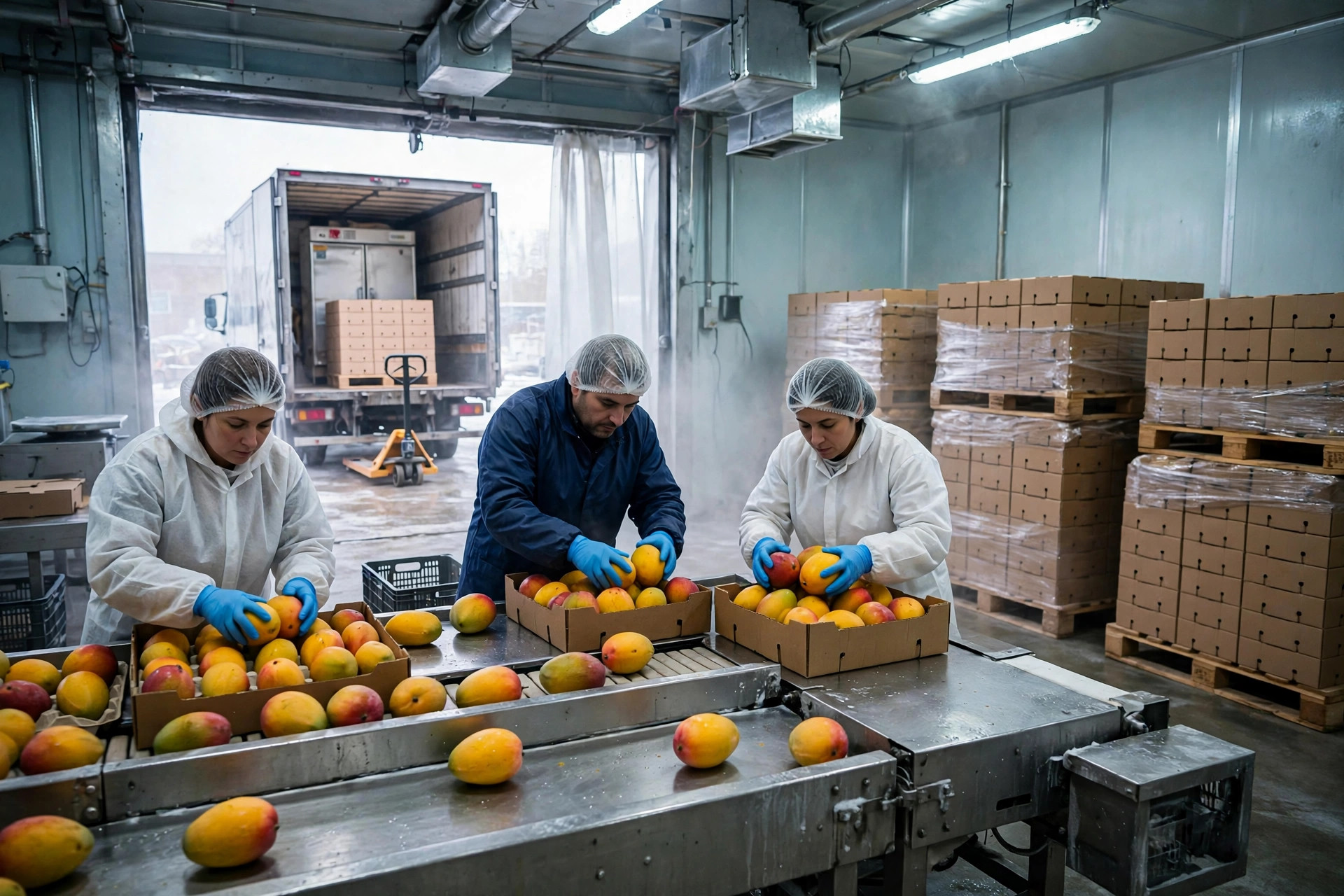
When you negotiate a blueberry cold chain contract with a 3PL or a carrier, do not negotiate price alone. First, put pre-cooling speed in the contract: hours from picking to pre-cooler, pulp temperature that must be reached before stuffing, and what happens when the deadline slips. Second, settle the temperature logger: who supplies the device, how fast the data reaches the shipper, and who bears the cost of missing data. Third, split break-of-chain responsibility across the yard, the terminal, and the ocean leg, with thresholds for power cuts and delays.
Next time you negotiate a contract, ask these three questions: how many hours do you guarantee from picking to pre-cooling? How many days until I get the temperature data? And in which clause is the break-of-chain compensation written? Get those three answers straight, and whether the berries arrive firm is largely decided on signing day.
By Susan, 3PL Sales Director