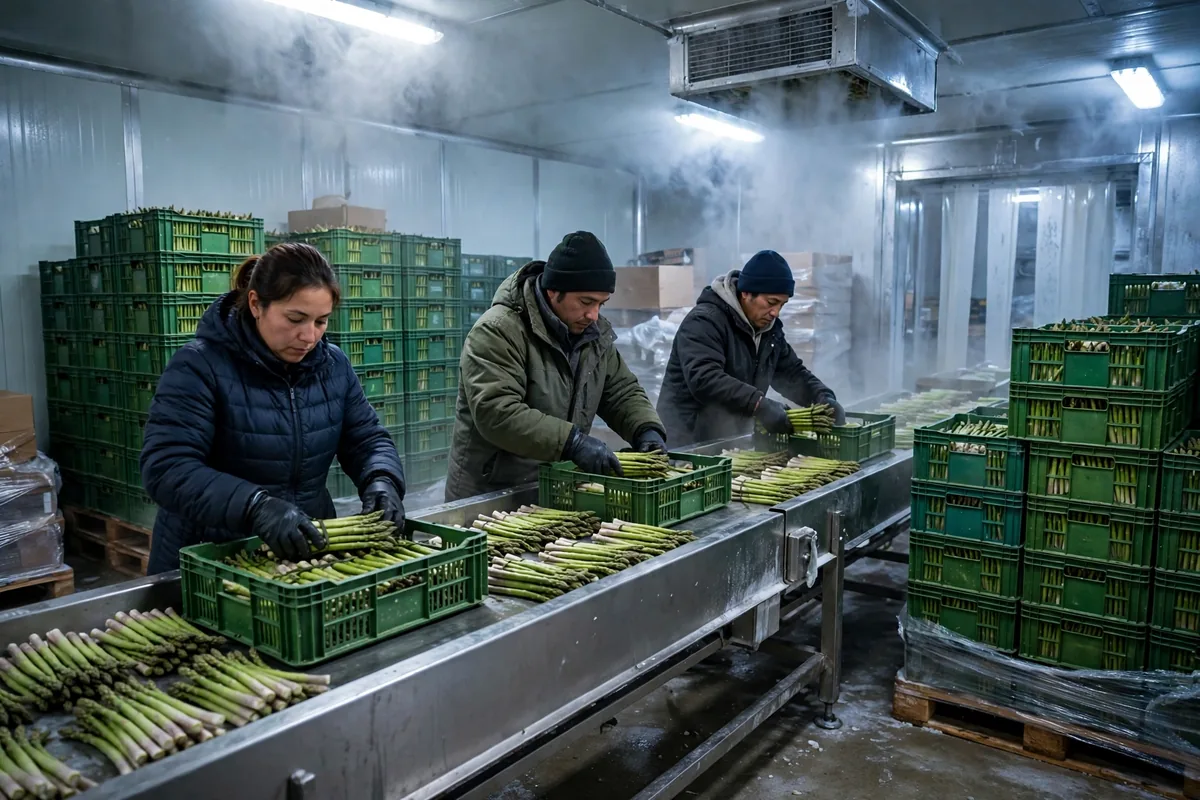
We have a client who lives inside the Peru asparagus export warehouse cold chain every single day. He grows asparagus in Ica, packs it near the field, and ships it out of the Port of Callao, all year round. Last peak season, one of his containers arrived in the United States and the buyer docked his payment. The reason was polite and brutal at the same time: yellow tips, fibrous spears, not top grade. The container had travelled in a reefer the whole way. The temperature setting was correct. So where did it break? It broke in the four hours between the field and the cold store. After that shipment, he started asking one extra question before signing a warehousing contract, and one extra line appeared on his quotations. This is the story of that bill: where the money goes on this lane, where the traps are buried, and how to negotiate a contract that does not eat you alive.
First, the size of the lane. Peru is the world's largest exporter of fresh asparagus by value. In 2024 the country shipped about 97,000 tonnes worth $407 million. From January to August 2025 it exported 72,962 tonnes worth $256 million at an average of $3.50 per kilo. Volume rose 20%, but prices fell 16%. The United States alone takes about 65% of the export value. Asparagus grows year-round in Peru, with La Libertad accounting for roughly half of production, Lambayeque about 21%, and Ica about 20%. Volumes are healthy and prices are falling, which means the margin on every container is getting thinner, and every bit of cold chain loss comes straight out of profit.
In the Peru Asparagus Export Cold Chain, the First Four Hours Decide Everything
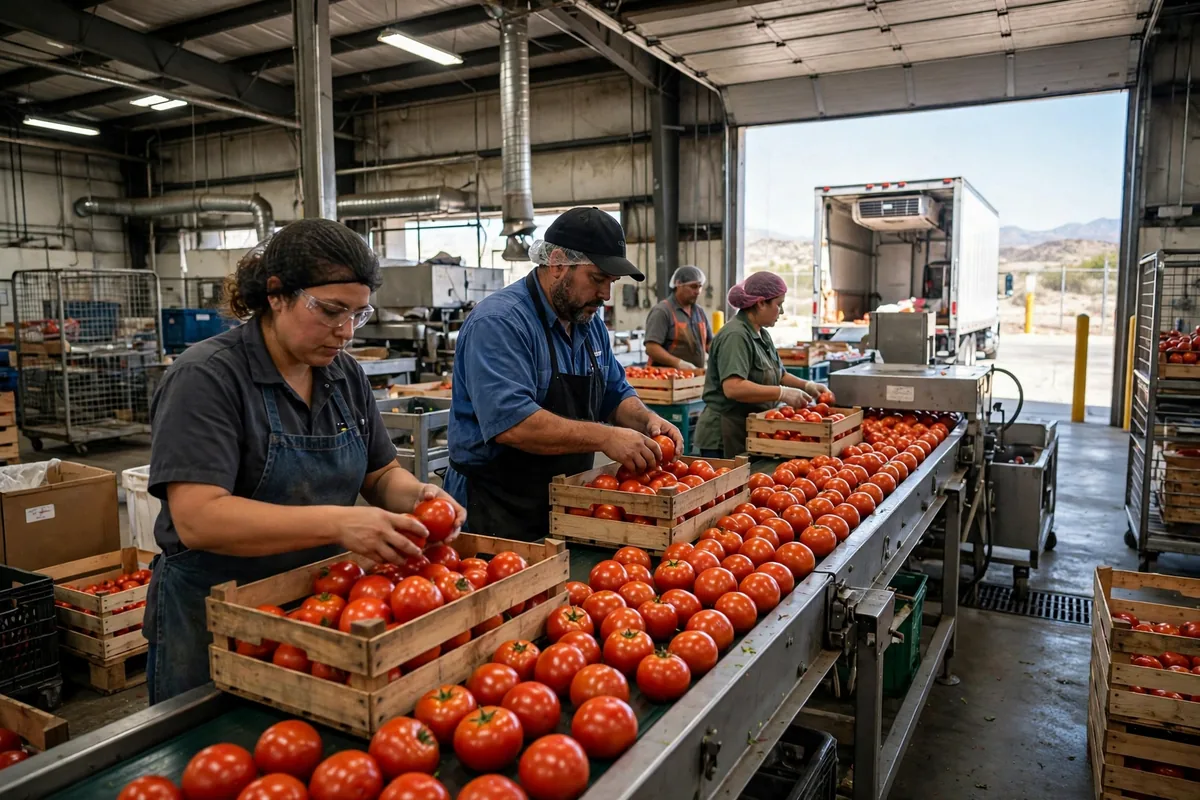
Asparagus is famously fragile. The postharvest guide from UC Davis states it plainly: spears must be pre-cooled to 0 to 2 degrees Celsius soon after harvest, held at 95 to 100% relative humidity, and that buys 14 to 21 days of shelf life. Delay cooling by four hours and the shear force, the toughness you feel when you bite, rises by about 40%. Our Ica client's container died on exactly those four hours. It was a hot midday harvest, the crates sat at the edge of the field longer than planned, and by the time they reached the packing house for hydrocooling, the best window had closed. Twenty-plus days at sea only made it worse, and by the time the buyer opened the cartons the tips had yellowed.
So when I talk warehousing with a client, my first question is never the price per pallet. It is: how fast can you get from the field into pre-cooling? Is the hydrocooler next to the packing line? Are the night-harvest crates shaded? If those three are not nailed down, the cheapest cold store in the world will not save you. On this lane, the cold chain bill does not start at the cold store. It starts in the dirt.
Here is the counterintuitive part: colder is not better. Hold asparagus at 0 degrees for more than about 10 days and it develops chilling injury, grey tips and a dull, tired look. For a long ocean voyage, around 2 degrees is often the smarter setting. Another client of ours learned this the hard way. He figured zero was the safest number, set the whole container to 0 degrees, and after nearly two weeks at sea the chilling damage looked worse than any heat damage would have. With temperature, right beats low.
What a Reefer Container Costs in the Peru Asparagus Export Cold Chain
Most exporters stare at the ocean freight and think the cold chain is a freight problem. It is not. The field end and the port end take a serious share. This is the breakdown I use with clients. The figures are an illustrative example, so treat them as a working model and confirm against live quotations:
| Leg | Per container, illustrative example | Who pays | | Field pre-cooling, grading and packing | about $800 | Exporter | | Cold store holding, two days | about $300 | Exporter | | Reefer truck to the Port of Callao | about $500 | Depends on trade terms | | Reefer ocean freight to the US East Coast | about $3,500 | Depends on trade terms | | Port charges, documents and insurance | about $600 | Depends on trade terms |
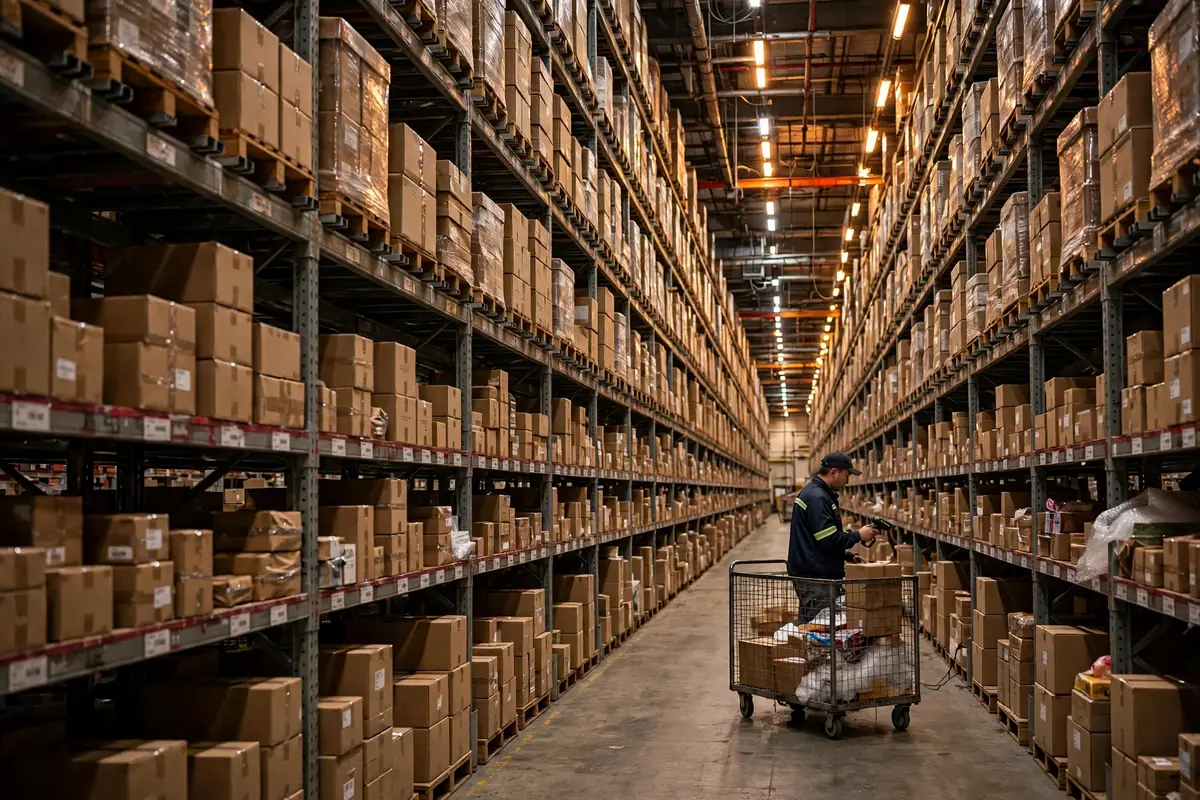
Take a 10-tonne container at the 2025 average of $3.50 per kilo. The cargo is worth about $35,000, and the cold chain legs above add up to roughly $5,700, or about 16% of cargo value in this illustrative example. The two lines you cannot cut are the first two: pre-cooling and holding. Freight can be negotiated, sailings can wait, but four lost hours at the field turn into a deduction in the United States. Buyers love to squeeze exactly those two lines, because one cold store looks much like another on paper. In my experience, the saving from the cheapest store will not cover a single season's worth of claims. One deducted container eats a whole year of savings.
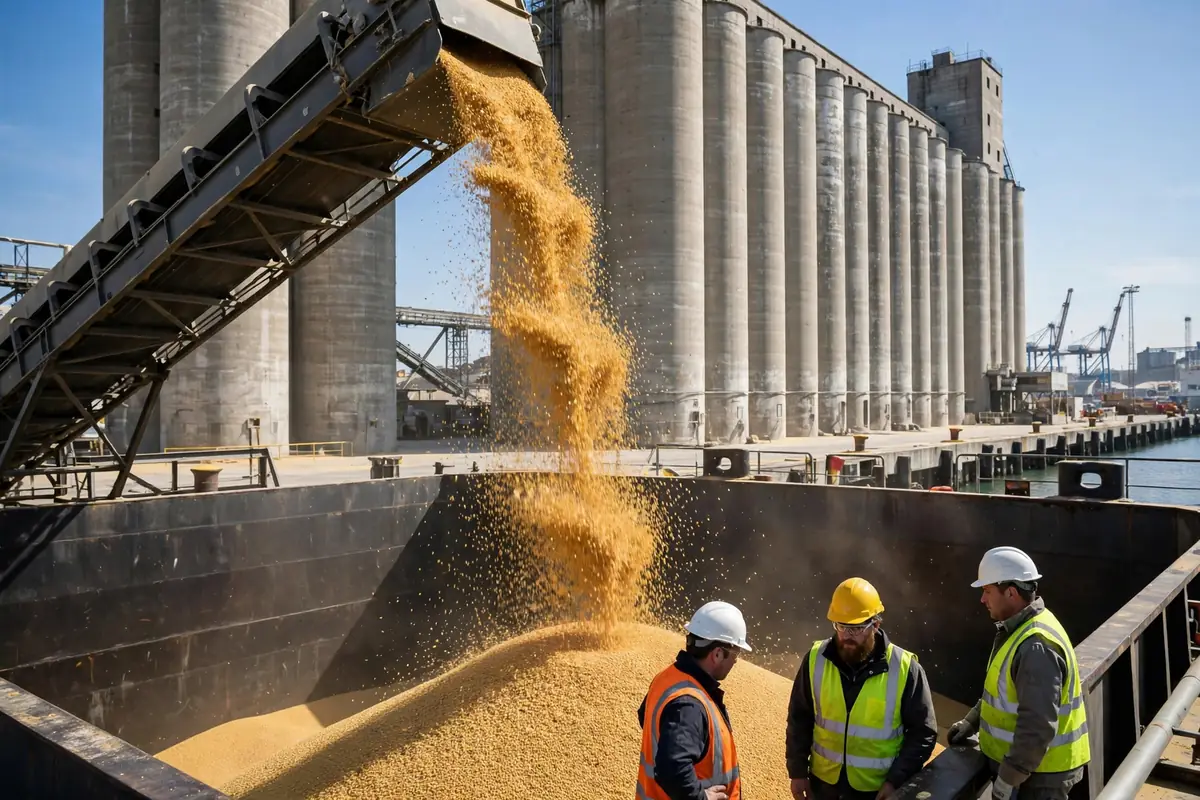
Callao deserves its own line in the budget. DP World's terminal at Callao handles about 60% of Peru's containerised cargo and passed 2 million TEU in a single year for the first time in 2025. About 55.8% of Peru's agricultural exports move through Callao. Big port, plenty of ships, but it congests in peak season too, and reefer plugs and yard slots have to be booked ahead. Miss the plug booking and your container sits in the yard in the sun. The temperature logger curve climbs, and when the claim lands, the carrier's first sentence will be: look, that warm stretch in the port was your leg, not ours.
Three Lines in the Contract Worth More Than the Cold Store
Back to the contract. On asparagus export warehousing and transport, I tell clients to fight over three lines. First, who owns the temperature logger data, and who is responsible when the data has a gap. Plenty of contracts just say "full cold chain" and never assign the data. When something goes wrong, the carrier says the data sits with them, the terminal says it sits in their system, and the exporter is left holding a bill of lading and nothing else. Second, the burden of proof when the chain breaks. Who proves what, and for which leg, written down in advance, saves two months of arguing. Third, the claim window. Some contracts give you only a few days after arrival. If the buyer's inspection drags, the window closes before you even file.
So next time you negotiate a contract, ask these three questions: how fast can we get into pre-cooling? Can I see the temperature data in real time? And if there is a problem at arrival, how many days do I have to file a claim? Get clear answers to those three and a slightly higher quotation is worth paying. In this business, the most expensive thing is never the cold store rent. It is the sentence you say when the cargo lands in the United States: if only I had known.
By Susan, 3PL Sales Director