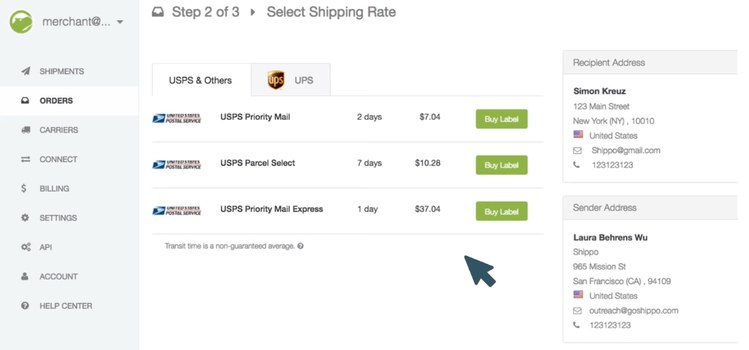
How much does one wrong address on a shipping label actually cost? Let's put the number on the table first.
The formula: cost per bad label = intercept fee + address-correction fee + (days delayed x capital tied up) + customer-service time.
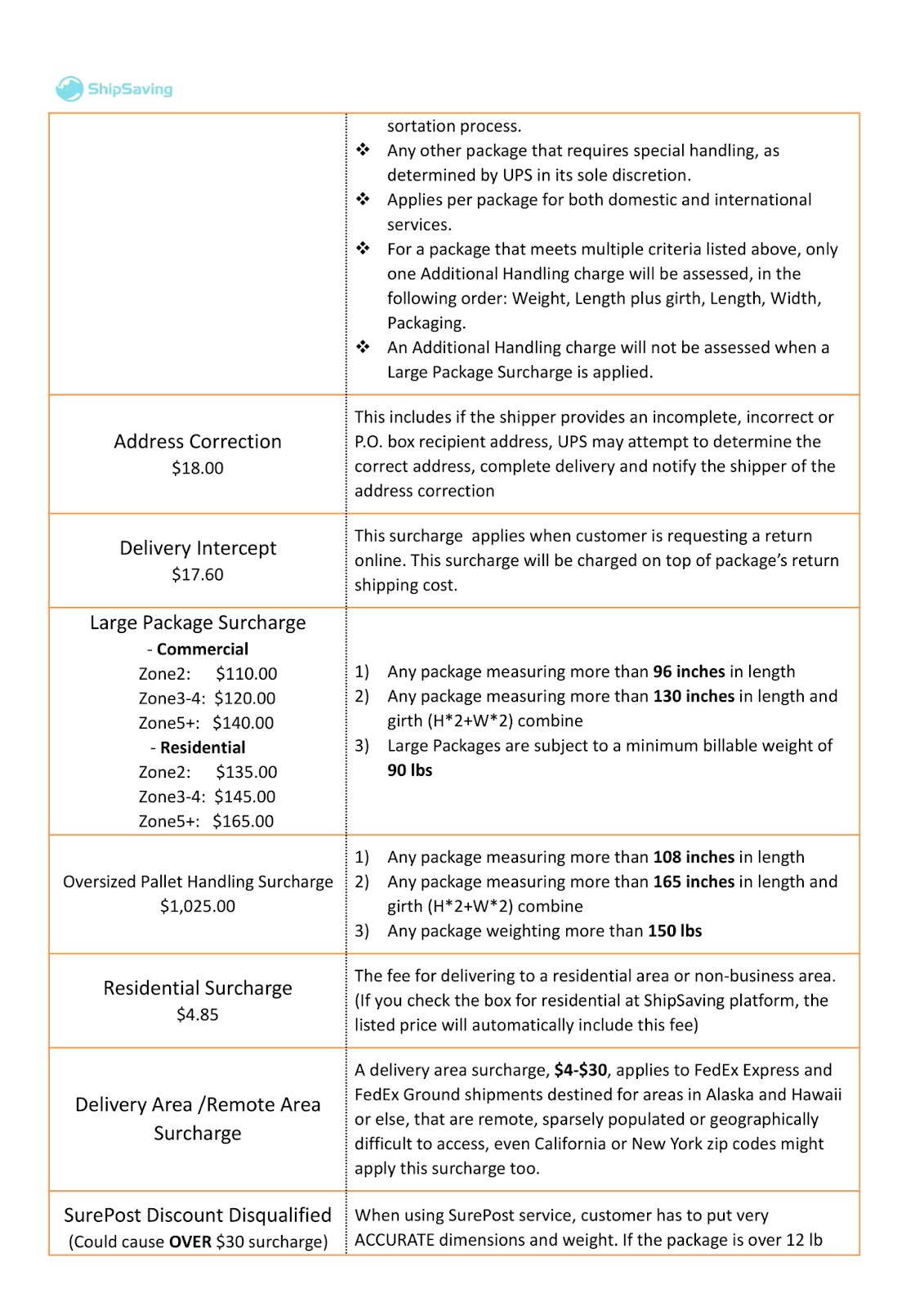
Carriers publish their intercept and reroute fees, and they adjust them regularly, so don't take any number in this article as a quote — check each carrier's current published policy. The worked examples below use illustrative magnitudes (tens of dollars per parcel). Treat them as order-of-magnitude placeholders.
Take an $80 parcel: rerouting it through a paid intercept runs you on the order of mid-teens dollars in direct fees (illustrative), 2-3 days of delay, and at least half an hour of back-and-forth with customer service. All-in direct cost heads toward $20 — a quarter of the item's value. That money is wasted twice over, because a few cents of prevention at checkout would have avoided it entirely.
Case one. November 2025, peak Thanksgiving season. A small home-goods seller in Los Angeles ships 120 parcels in a day. A one-digit typo in the ZIP code field of the batch label template; 9 parcels go out before anyone notices. Before customer service melts down, he prices three options.
Option A, intercept and correct each parcel: 9 x mid-teens dollars (illustrative) comes to roughly $130-140, with 2-3 days of delay.
Option B, let them come back and reship: 3-5 days for the return, second postage roughly equal to the original postage — a few hundred dollars across 9 parcels — plus the review risk of stockouts in peak season.
Option C, let it ride: the ZIP is off by one digit, but city, street, and house number are all correct. Sortation keys primarily on ZIP, so the parcels would most likely land at the wrong delivery station; the driver might reroute on the street address, or might just return them. A pure gamble.
He split the batch: the 4 parcels worth over $60 each got intercepted; the 5 low-value ones (around $20 each) were left to return, because return-and-reship postage (a few dollars each) was cheaper than the intercept fee. Total damage fell from about $135 (blanket intercept) to about $70. Same 9 bad labels, different decision, half the cost.
Case two. March 2026, Austin, Texas. An auto-parts seller; the customer entered an old address, and the parcel was already inside the UPS network. The seller was about to pay for a shipper-side intercept when customer service asked one extra question — and the customer corrected the delivery address himself through UPS My Choice. Recipient-side self-service: zero cost (each carrier's recipient redirect policy differs; check the current terms). One day of delay, no fees.
The valuable part of this case is the counter-intuitive conclusion: the identical correction costs an order of magnitude less depending on who files it. Shipper-side intercept is a paid service; recipient-side self-service redirect is usually free or close to it. So the standard procedure needs a mandatory step: ask the customer to fix it themselves before you spend a dollar. Plenty of sellers skip this step — which means voluntarily choosing the most expensive solution.
The three options side by side:
| Intercept and reroute | Return and reship | Let it ride | |
|---|---|---|---|
| Direct cost | Mid-teens dollars per parcel (illustrative; check carrier policy) | Second postage roughly equals original postage, plus the return wait | $0 — a gamble |
| Time lost | 2-3 days | 5-8 days | 0-1 day (if delivered) |
| Risk | A failed intercept still delivers to the wrong address | Customer refunds and bad reviews while waiting | Misdelivery or loss — all on the shipper |
| Best for | High-value goods, badly wrong address | Low-value, non-urgent orders | Minor address slip with a reachable recipient |
Three counter-intuitive judgments.
First, a faster intercept is not a better intercept — what matters is where the parcel sits. Still at the local sort facility, not yet on a linehaul trailer: high success rate. Already loaded on an interstate trailer: the intercept instruction cannot catch the truck. It just waits at the next hub and turns around — the same delay as doing nothing, with the fee wasted. Check tracking before you spend.
Second, doing nothing is sometimes the optimal move. House number off by one digit, recipient phone number on the label — in the US, drivers routinely call in this situation. Intercepting adds a sort touch, and every extra touch adds loss risk. Don't pay for the feeling of having done something.
Third, prevention and cure differ by two orders of magnitude. Address validation at checkout costs cents per order; fixing one afterward costs tens of dollars. Every "intercept guide" is really a tax bill for the cents you didn't spend. Pay the tax if you must — but know you're paying it.
The 30-minute standard response once you spot the bad address:
Minutes 0-5: pull tracking and locate the parcel — local facility, linehaul, or out for delivery. If it's already out for delivery, skip the intercept and go straight to contacting the recipient; don't waste time filing a request that can't land.
Minutes 5-10: grade the error. Grade A (wrong city or ZIP): intervene. Grade B (minor street or number slip): let it ride plus contact the recipient. Grade C (phone correct, address roughly right): recipient self-service first.
Minutes 10-15: decide against the table above. High value goes to intercept; low value gets the return math; if uncertain, check the delivery deadline.
Minutes 15-30: execute. The shipper intercept goes through each carrier's published intercept and reroute flow (exact path and fees per current policy); at the same time, send the recipient the self-service links — recipient tools like UPS My Choice and FedEx Delivery Manager are typically free or cheap.
Log every incident: order number, error type, action taken, cost. That log is the raw material for next month's error-rate reduction. Without it, every review is guesswork.
Prevention deserves the last section because it carries the highest ROI in this entire article. Three things at checkout and packing: address autocomplete on the checkout page (fewer keystrokes, fewer typos); a validation pass before shipping (for example, the USPS address validation tools) with ZIP and city mismatches held for human review; and a second pair of eyes on any batch label template change — case one's 9 parcels happened because nobody re-read the template.
The math: 2,000 parcels a month at a 2% error rate means 40 bad labels; at an illustrative $25 average correction cost, that's $1,000 a month. Validation costs a few cents times 2,000 — tens of dollars a month. Cut the error rate to 0.3% and you save $800-900 a month. The ROI speaks for itself.
Two numbers to remember: tens of dollars to fix after the fact, cents to prevent. The gap isn't technology — it's whether you put a validation step at checkout. Run your own monthly volume and error rate through the formula above. Whatever comes out is what that validation step earns you.
By Lao Zhou, Logistics Cost Analyst