One of our clients — a DTC small-appliance brand — came to me after last Black Friday waving an invoice. Same SKU combination: one month they shipped 5 items in one box, freight $48. The next month their system changed the rule, split it into 3 packages, freight $61. "Is the carrier ripping me off?" he asked.
Not exactly. The carrier's rate table screws everyone equally. Your system just doesn't know how to do the math, so it's been donating your money.
Shippers get this backwards all the time. The intuition — "one box is always cheaper, fewer packages, fewer charges" — sounds bulletproof and is wrong in about half of all cases. Parcel freight hides two troublemakers: dimensional weight and per-piece surcharges. Let's open up the books.
The numbers: split shipment vs. consolidation on 5 items
Take this client's real order profile (I'll use illustrative rates for the arithmetic — substitute your own contract rates; the method is universal): 5 small appliances, 14 lbs actual weight total.
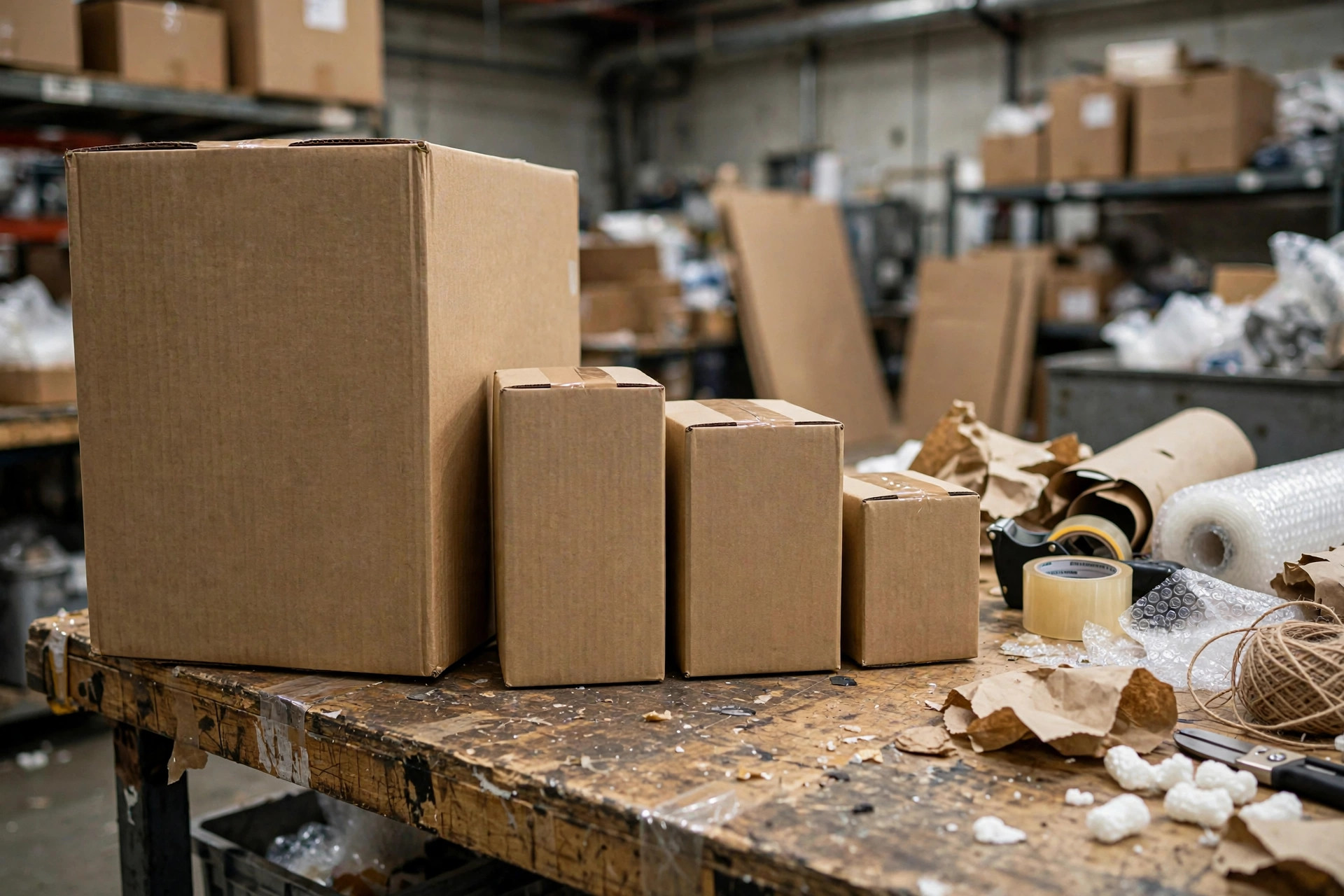
Option A: consolidate into one box. Pack it into a 24×18×12-inch carton. Volume: 5,184 cubic inches. Divide by the DIM divisor of 139: 37.3, rounds up to 38 lbs — that's your billable weight. Actual weight 14 lbs? The carrier doesn't care. You pay for 38.
Option B: split into 3 packages. Repack by size: 12×10×8, 12×10×8, and 14×10×8 inches. DIM weights: 7, 7, and 9 lbs — 23 lbs total. The 14 lbs of actual weight spread across the three boxes, so each bills at its own DIM weight: 23 lbs combined.
See the problem? Consolidate, and 60% of that big box is air — and the carrier charges you for the air. Dimensional weight in 2026 uses a divisor of 139 at both UPS and FedEx (published rate schedules), and USPS cut its Priority Mail and Ground Advantage divisor from 166 to 139 effective July 12, 2026 — all three carriers now run the same math, and there's no more cheap corner for lightweight, bulky goods.
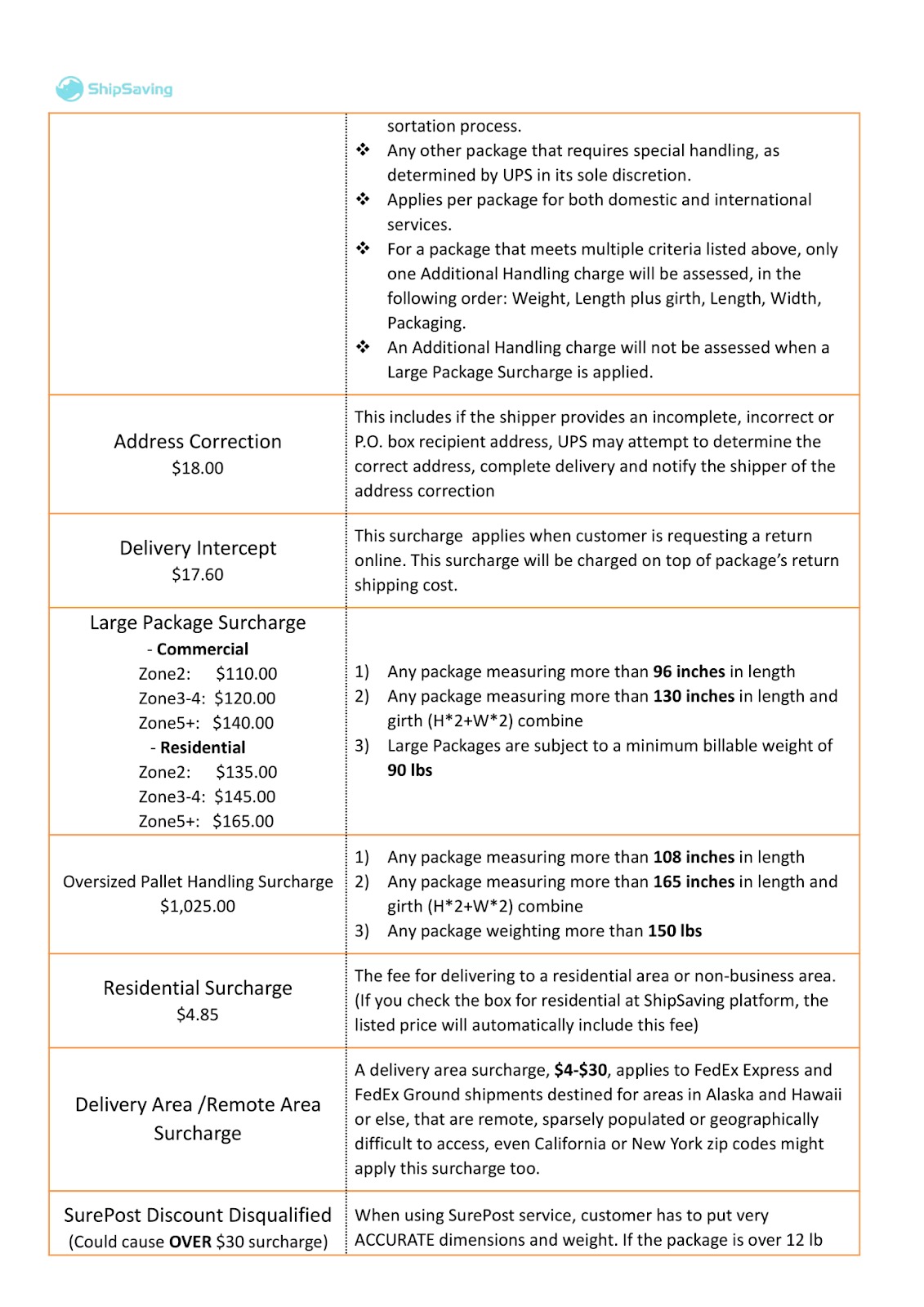
But don't conclude "splitting always wins" yet. Keep doing the money. Assume your contract works out to about $1.10/lb (illustrative), plus a residential surcharge of about $6.50 per piece (2026 published-rate compilations: roughly $6.50 at UPS, $6.45 at FedEx — verify against current carrier schedules):
| Billable weight | Weight charge | Residential surcharge | Total | |
|---|---|---|---|---|
| One box | 38 lbs | $41.80 | $6.50 × 1 | $48.30 |
| 3 packages | 23 lbs | $25.30 | $6.50 × 3 | $44.80 |
Splitting saves $3.50 on this order. But notice: the surcharges ate $19.50 — nearly all of the $16.50 saved on DIM weight. Split it into 4 packages and the surcharge hits $26 — suddenly splitting is more expensive.
So the real answer: split or consolidate depends on whether the DIM savings cover the extra per-piece surcharges. That's an arithmetic problem, not a gut-feel problem. If your system isn't doing that arithmetic and your operators are deciding by instinct, every wrong call costs real money.
DIM weight: the bully that picks on lightweight, bulky goods
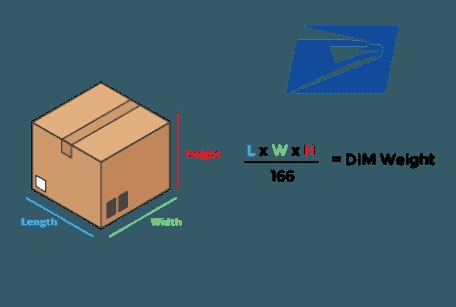
Plenty of shippers still don't really understand DIM. The short version: the carrier's trucks and planes cube out before they weigh out. So they invented dimensional weight — length × width × height (inches) divided by 139 — which is how heavy your shipment "should" be in their eyes. You pay the greater of actual and DIM weight.
Three field notes:
First, lightweight, bulky goods are the disaster zone. Pillows, small appliances, bath accessories — a 3-lb item in an 18×14×12 box gets a 22-lb DIM weight, and you pay for 22. These SKUs gain the most from splitting into right-sized boxes.
Second, don't bother with dense goods. A 40-lb dumbbell with a 20-lb DIM weight bills on actual weight no matter what. Splitting changes nothing on the weight portion and adds surcharges. Dense goods: always consolidate.
Third, watch the 2026 change: with USPS moving to 139 (effective July 12, 2026 — DCL Logistics and several freight publications ran the numbers), big light parcels that used to get a break on USPS Ground Advantage cost about 19% more now. If your budget model still uses the old 166, update it.
When you must split: four no-brainers
Math aside, some scenarios aren't about money:
Backorder split-ship. Five items ordered, one won't be available for two weeks. Holding the whole order means your customer service line melts down. Ship 4 now, the straggler when it lands — the extra freight is customer-retention spend. Write this into your OMS split rules; don't leave it to human judgment.
Mixed service levels. The customer paid for expedited on 2 of the 5 items. Consolidate everything and the rush fee was wasted.
Multiple addresses. One order, three ship-to addresses — the classic gift scenario. Consolidate and you'll pay triple in return shipping when it goes to the wrong house.
Hazmat segregation. Anything with lithium batteries or liquids can't ride in the same box as regular goods. Compliance first, freight math second.
When you must consolidate: three cases for keeping it together
Dense, small, tightly packed goods. When DIM isn't the troublemaker, consolidation always wins — the saved surcharges are real money.
Customer experience. One order arriving as 3 packages over 3 days means the customer tracks 3 numbers and your lost-package disputes triple. Some brands happily pay $2 extra in freight to consolidate — they're buying one fewer complaint ticket.
High remote-area surcharges. Some ZIP codes carry per-piece delivery-area surcharges. Split into 3, pay it 3 times. Shipping to Alaska or Hawaii? Check the surcharge table before deciding.
Configuring the system rules: stop letting operators guess
Here's some honest乙方 talk: most 3PLs' OMS either has no split logic or has exactly one rule — "auto-split on backorder." Rules that actually save money look like this:
- Cartonization first. The WMS cartonization engine computes the optimal consolidated box and its DIM weight, then computes the split scenario (each box's DIM weight + N surcharges), and picks the cheaper one. The system must do this comparison automatically — humans can't do it at volume.
- Backorder auto-split with thresholds. Auto-split when backordered lines exceed 20% of the order or the wait exceeds 3 days. Thresholds differ per client — store them in the client profile.
- Use carrier multi-piece. UPS and FedEx multi-piece shipments hang several packages under one master tracking number — tracking feels like a consolidated shipment, and rates sometimes beat separate bookings. Use it; don't build each package as its own shipment.
- Rate-shop as a backstop. Pirate Ship, Shippo and similar platforms sometimes beat your own carrier contract on multi-piece pricing — especially for low-volume clients. Spot-check 10% of split orders monthly. If the platforms keep winning, it's time to renegotiate your contract.
Three questions for your next contract negotiation
Question one, for your carrier rep: "Exactly how much cheaper is my multi-piece discount versus booking pieces separately?" Most reps won't volunteer that the feature exists, let alone the discount.
Question two, for your OMS vendor: "Can split-or-consolidate decisions run automatically against DIM weight and surcharge math?" If the answer is no, put it in the requirements before renewal — or find another vendor.
Question three, for yourself: "In the last three months, how many orders had an operator deciding split-vs-consolidate by gut feel?" Pull those orders and review them once. What you save will buy me a very nice dinner.
Kidding. But the math is real: a DTC warehouse doing 500 orders a day that gets its split strategy right typically saves $30,000–$50,000 a year in parcel freight. Last-mile is the biggest cost block in e-commerce fulfillment — and the easiest one to waste on gut feel. Let the system do the arithmetic; let people do the judging. That's the division of labor.
By Susan, 3PL Sales Director