A home-lighting seller out of Ontario called me last October with two problems. A $280 floor lamp shipped UPS Ground had been sitting in a transit hub for two weeks, tracking frozen, customer demanding a refund. A table lamp shipped USPS arrived with the carton crushed and the shade cracked. Both labels bought through third-party platforms. His question: when you file a claim through these platforms, which one actually pays without a fight?
The lamp paid out on day nine — product cost plus postage, every cent. The table lamp got denied. The reason was one line: the customer had tossed the box on delivery day, so there was no way to verify the packaging met requirements. That pair of outcomes is the whole story of shipping claims. Whether you get paid, and how fast, comes down to details most sellers never think about until it's too late.
It's Not the Platform That Pays You — It's Whoever Underwrites the Label
Here's the thing most sellers get wrong: the discounted rate comes from the platform, but the money that compensates you doesn't always. Three different parties can be on the hook — the carrier's built-in liability coverage, insurance sold by the platform itself, or a third-party insurer. Which claims lane you're in, and how long it takes, depends entirely on what was attached to that label.
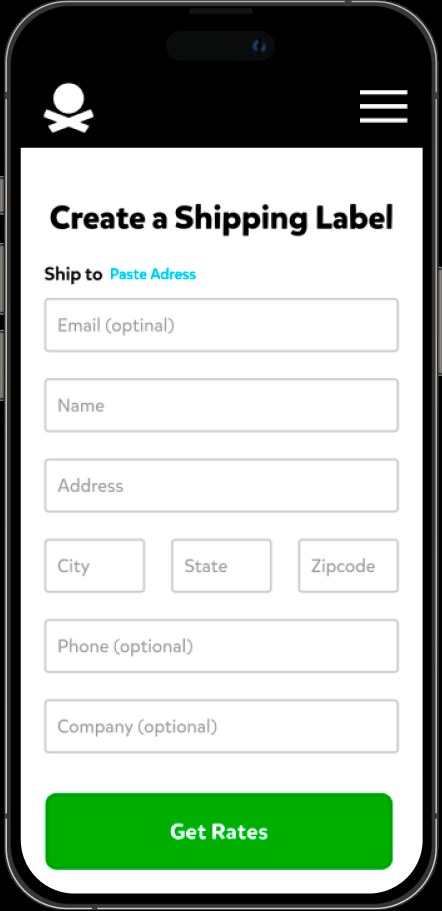
Take Pirate Ship. UPS labels bought there carry $100 of carrier liability ($50 for UPS Ground Saver, per their own support pages). UPS claims go through a self-service portal called InsureShield — you file online, no back-and-forth with a rep. And UPS has a genuinely fair policy most people don't know about: approved claims refund the postage too. Claim $100 in product cost on a $10 label, get $110 back. That's what I mean by "painless": the process is standardized and doesn't depend on anyone's mood.
Change lanes and the experience changes. A USPS label through the same platform means the platform's insurance team shepherds your claim by email, and the insurer may ask you to sign a missing-package affidavit. The moment a human enters the loop, timing becomes a matter of luck — check each platform's current published policy for actual windows, because they shift.
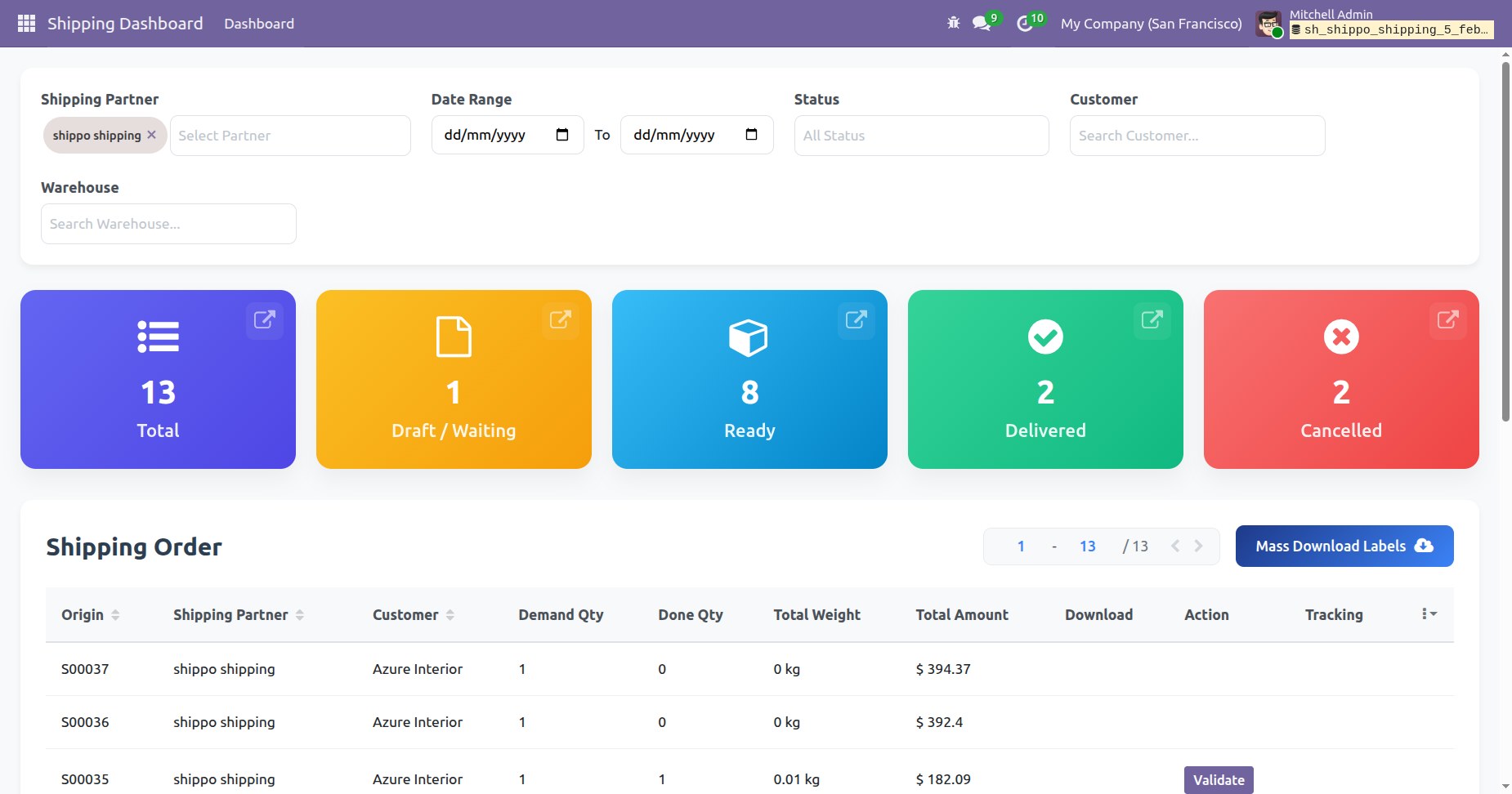
Shippo and ShipStation run on tickets. Your case queues up, someone owns it, but speed depends on support tier and your plan level. On the cheapest plans you're on email-only support, and during peak season a ticket can sit untouched for days. Easyship's cross-border claims are the worst of the bunch — damage discovered in the destination country means arguing with a local carrier, and those cases measure in months. Stamps.com is fundamentally a USPS-ecosystem player; claims follow the official USPS process, steady but never fast.
My verdict: for domestic parcels around the $100 mark, Pirate Ship's self-serve UPS claims lane is the least painful. For high-value goods, bulk claims, or international, ticket-based platforms with a dedicated handler are the better bet — slower, but someone is actually working your case. No single platform wins every scenario. Picking a platform on postage discount alone, without looking at its claims channel, is a tuition payment most sellers make exactly once.
What You'll Actually Need to File
Every platform asks for the same four things: tracking number, proof of value, damage photos, and packaging evidence. Sellers stumble on the last two without exception.
On proof of value, burn this in: carriers and insurers reimburse cost, not your retail price. You sell it for $79.99, your landed cost is $32 — the $32 is what the invoice supports. Submitting a Shopify order screenshot and demanding $79.99 just stretches the case out. Keep purchase invoices filed by SKU and you can pull proof in five minutes. I've rolled this out at three client warehouses, and claim approval rates visibly improved.
Damage photos need three sets: all six sides of the outer carton, the internal cushioning, and the damaged item itself — plus a close-up of the shipping label showing the tracking number. Most sellers photograph only the cracked shade. The claims adjuster reviewing hundreds of cases a day will kick back anything incomplete, and each round trip costs you two weeks.
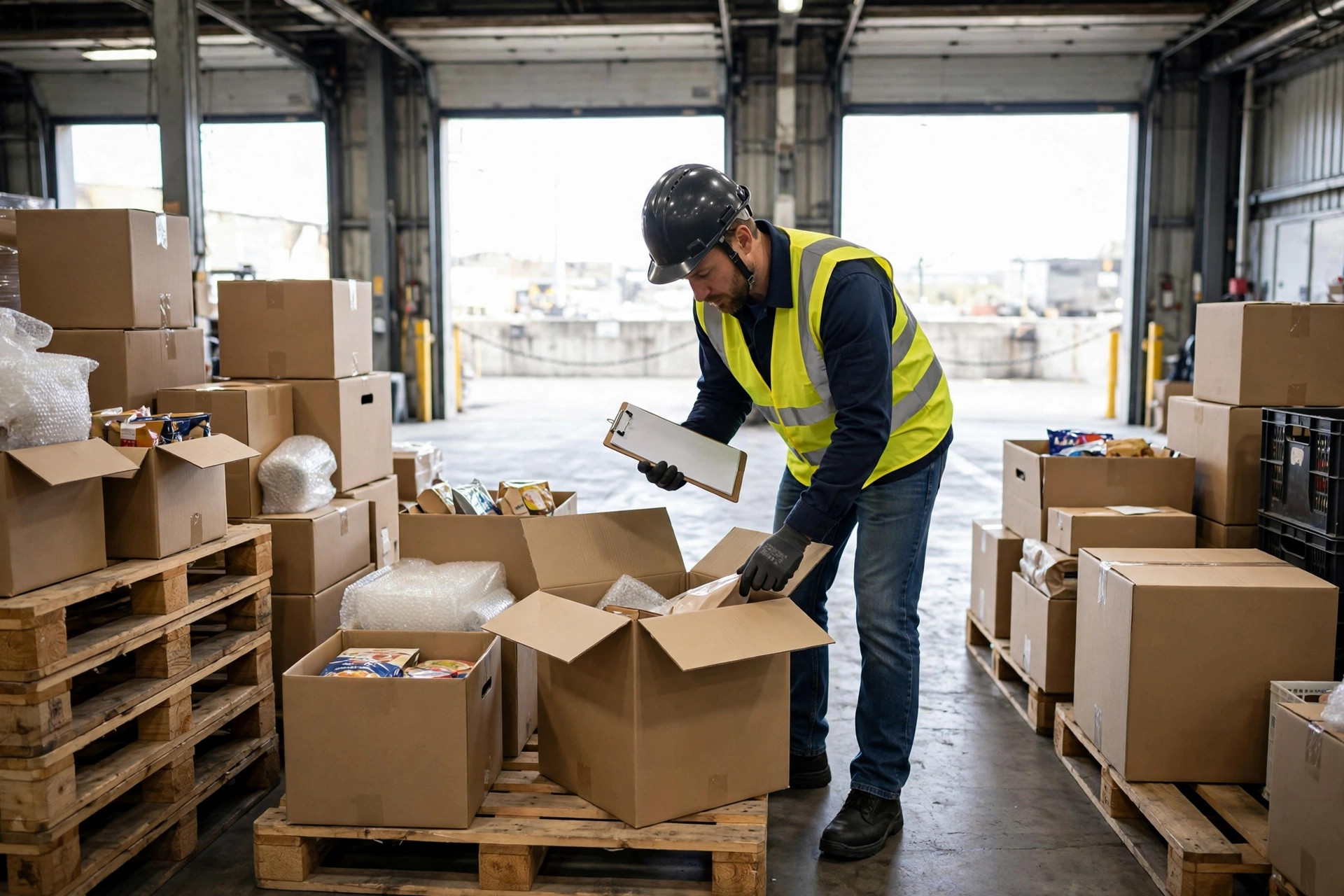
Packaging evidence is the silent killer. Keep the original packaging until the claim closes. That table lamp died on exactly this — the customer discarded the box, the platform couldn't verify packaging compliance, denied. Non-compliant packaging is the number one denial reason across every policy I have seen, and it is not appealable. After that case, I had the seller add one line to the customer service script: if it arrived damaged, don't throw the box away — photograph it, send us the pictures, we'll tell you when it's safe to toss. Return rates didn't move. Claim success rates did.
One more thing: filing windows. Loss and damage each have their own deadlines, and carriers enforce them to the day. I won't quote specific numbers here — policies change year to year, and a stale number does more harm than no number. Check the current window on the platform's support pages before you need it.
Three Traps: Exclusions, When to Insure, and the Claims Ledger
Trap one: read the exclusions before you buy coverage. The free built-in coverage is thin — think $100 on a UPS label — and the exclusion lists are long: fragile items, liquids, electronics, high-value SKUs, each platform's list differs. For any single parcel worth over $500, spend ten minutes on the exclusions before deciding whether to add coverage. Finding out "this category isn't covered" after the loss is the most expensive possible time to learn it. Do the math on added coverage: it's typically a fraction of a percent of declared value. A few dollars to cover an $800 parcel is not a decision that needs a committee.
Trap two: high-volume sellers should price self-insurance. If you ship 3,000 orders a month with a loss-and-damage rate under three per thousand, insuring every label is charity. The better play is a self-insurance reserve: accrue a fixed percentage of goods value each month into a loss reserve, eat the small claims yourself, and only file the big ones. A home-goods client shipping 5,000 orders a month ran the numbers and found self-insuring saved close to $20,000 a year in premiums. The prerequisite is real data — track three months of actual loss rates before deciding, not gut feel.
Trap three: claims without a ledger are money left on the dock. Most sellers file "when they remember," then forget. The platform asks for supplemental documents, the email goes unseen, the case expires. The fix I give every client is a dead-simple spreadsheet: tracking number, platform, filing date, amount, status, follow-up date. Twenty minutes every Friday: chase what's due, supply what's missing. One client shipping 2,000 orders a month recovered over $3,000 in a single quarter just by working the "filed and forgotten" cases. That money was always theirs. They just never went to collect it.
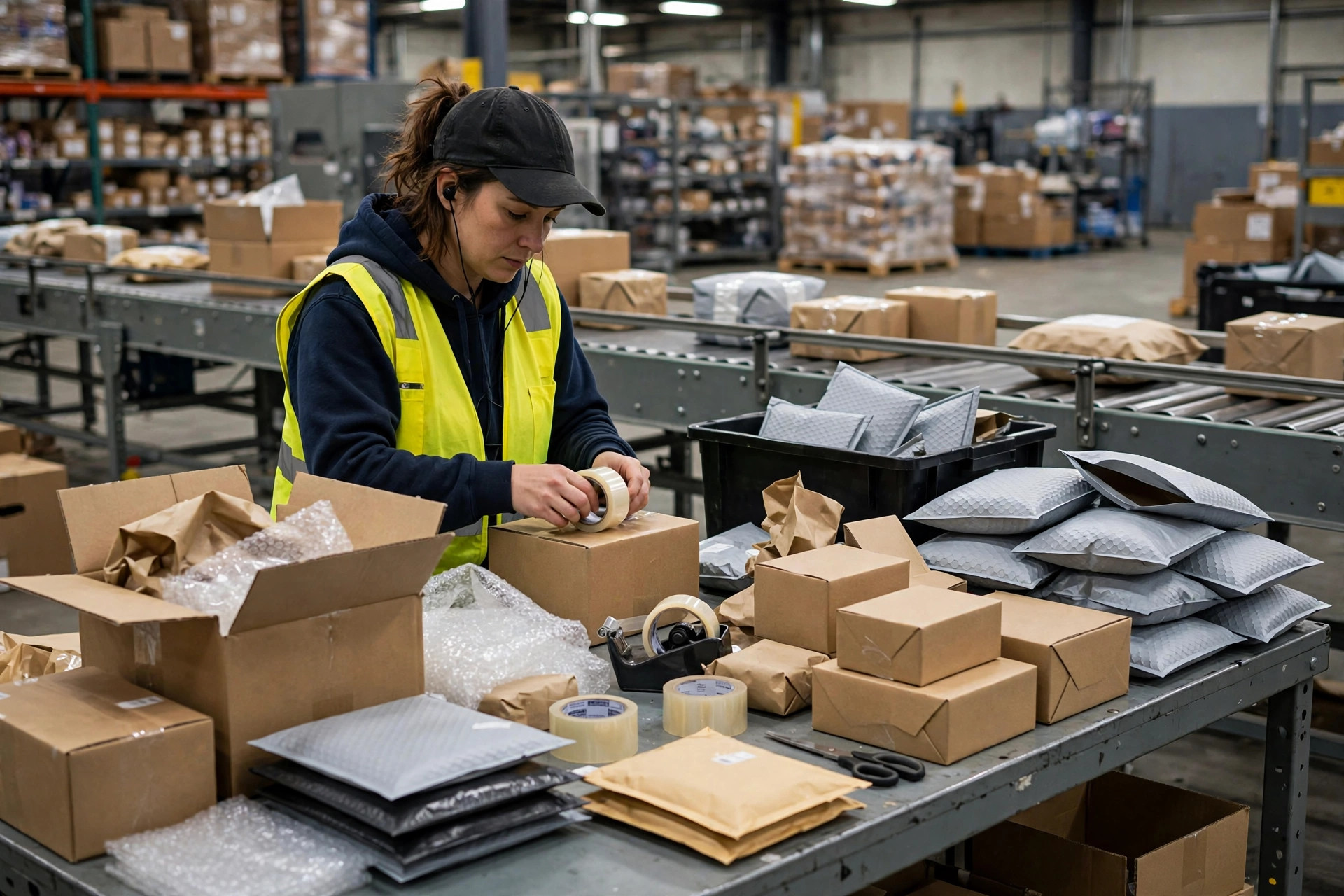
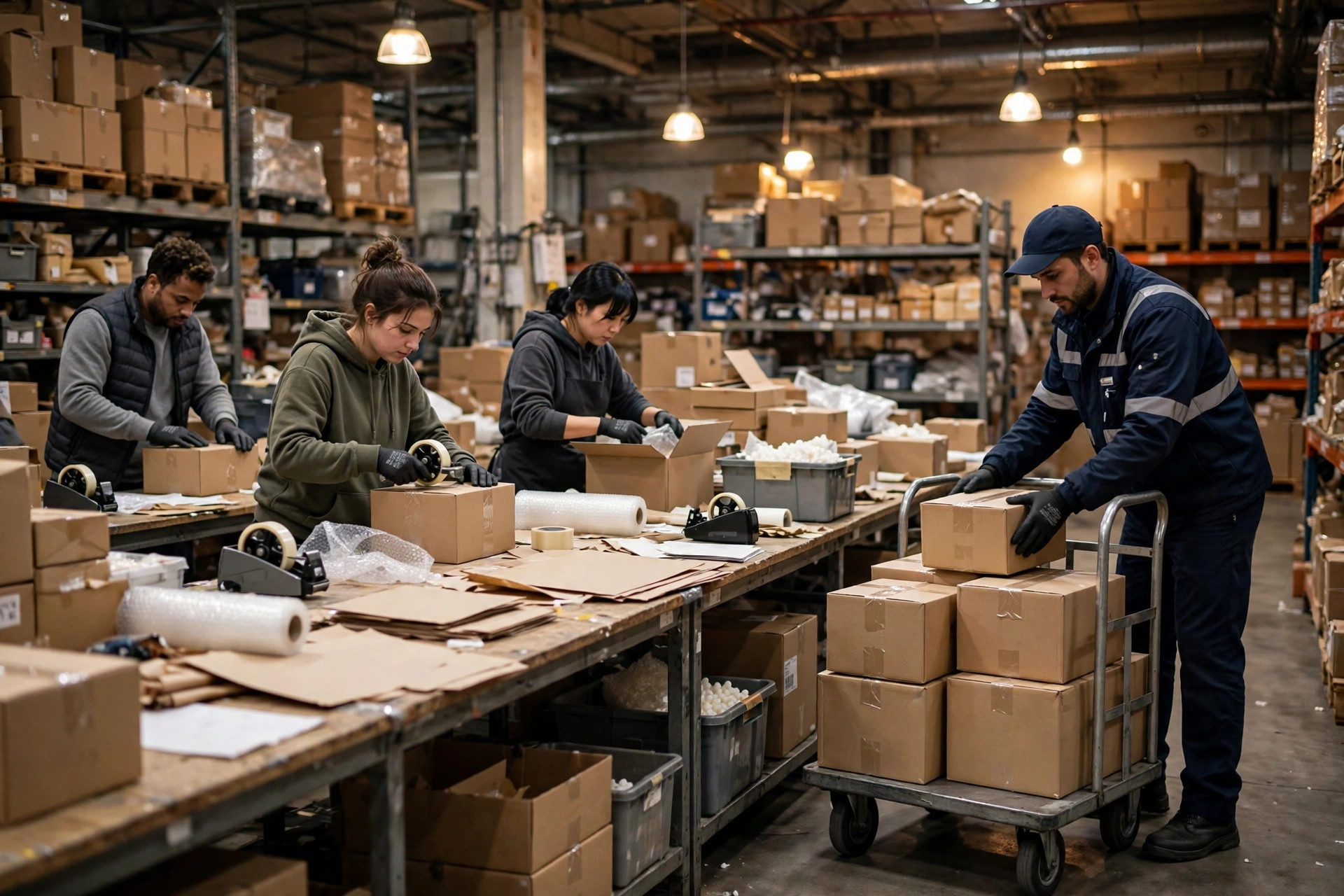
The one thing you can do tomorrow: tape a note above the pack station with three lines — photograph every parcel, keep the box, log the tracking number. And add one line to your customer service script about not discarding damaged packaging. Neither costs a dime. But they put you on the documented side of every claim you'll ever file. The platform is just the channel. The outcome was decided the moment the parcel left your dock.