Here's an uncomfortable truth: most sellers never collect the money carriers owe them for lost and damaged parcels.
My own store did 8,000+ parcels a month in Q4 2025, with a loss-and-damage rate around 0.3%. Sounds tiny, right? Over a year that's thousands of dollars of pure margin. With ad costs climbing and Amazon changing the rules every other week, why leave money on the carrier's table?
This is my 5-year playbook for parcel carrier claims: the filing windows, the evidence checklist, when to let auto-claims handle it versus filing manually, and the declared-value math. All field-tested, no fluff.
Don't Cry Yet — Check the Filing Windows First
In claims, timing is everything. Miss the window and the best evidence in the world won't save you. Here's the cheat sheet for the three big US carriers — print it and stick it on the wall:
| Carrier | Lost | Damaged | Concealed damage |
|---|---|---|---|
| UPS (domestic US) | Notify within 60 days, file within 9 months | Same | — |
| UPS (international) | File within 60 days | Same | — |
| FedEx Express | File within 60 days | File within 60 days | Report within 21 calendar days, supporting docs within 9 months |
| FedEx Ground | File within 9 months (report loss within 60 days) | File within 9 months | — |
| USPS (Priority/Insured) | Wait 7–15 days, then file within 60 days of mailing | File within 60 days of mailing | — |
Three hard-won details. First, the counterintuitive one: with UPS, only the shipper who paid for the label can file the claim. Shipped on your UPS account? You file. A return label the buyer paid for? The buyer files. File on someone else's behalf and it gets rejected without a second look. Second, don't rush USPS lost claims — the rules require a waiting period (at least 7 days for Priority Express, 15 for Priority/Insured) before you can file; too early and the system bounces it. Third, late-delivery refunds are a separate game with much tighter windows (UPS gives you 15 days), which I'll save for another post.
The Evidence Checklist: 5 Things Carriers Use to Deny You
Filing is just the start. A claims reviewer's job is finding reasons to say no. Miss any of these five and you're handing them one:
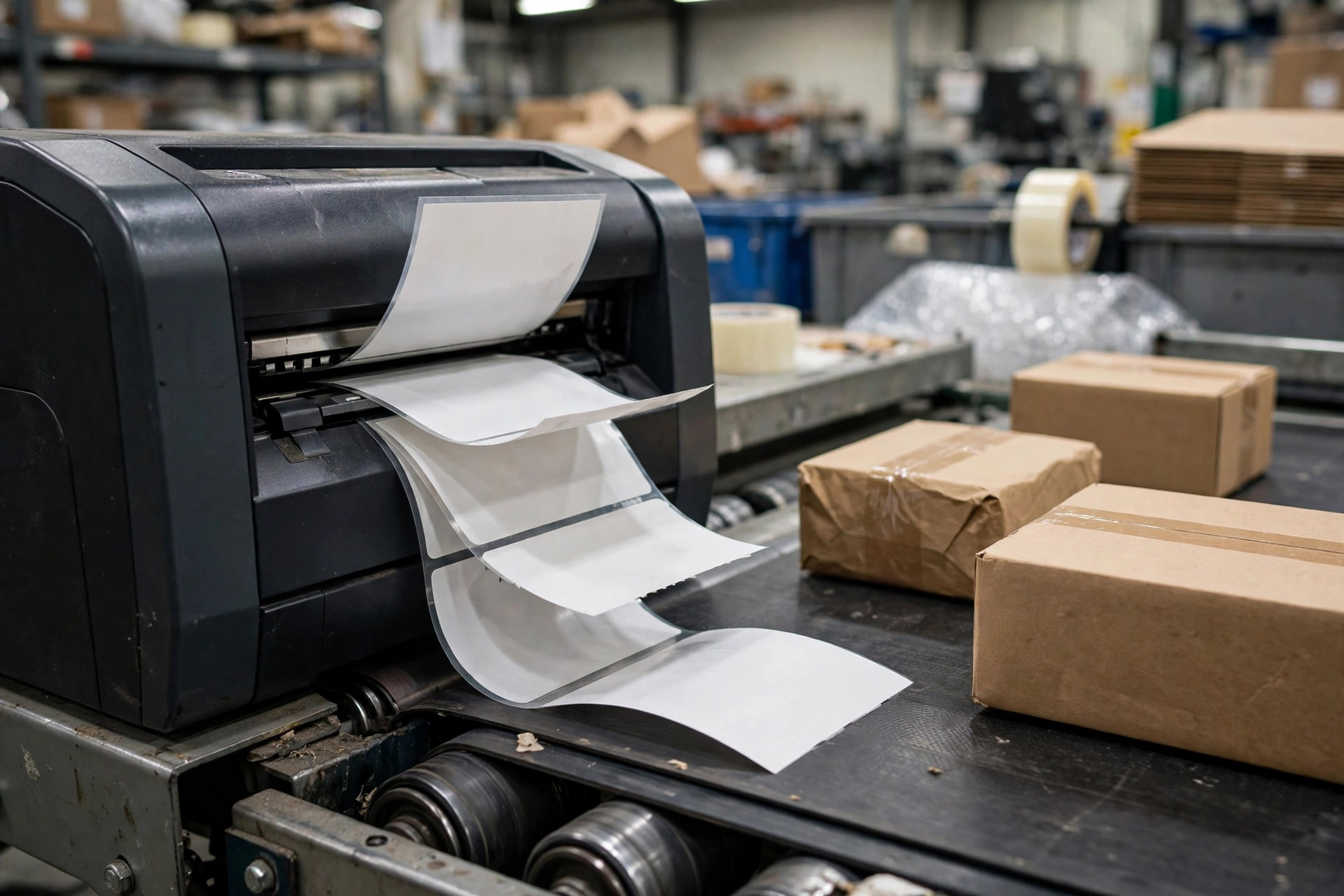
1. The label and proof of tender. Tracking number, ship date, service type. With UPS, if the account doesn't match, it's an instant rejection — no appeal path.
2. Proof of value. Purchase invoices, supplier invoices, order screenshots. Declared value isn't what you say it's worth; reviewers only believe paper.
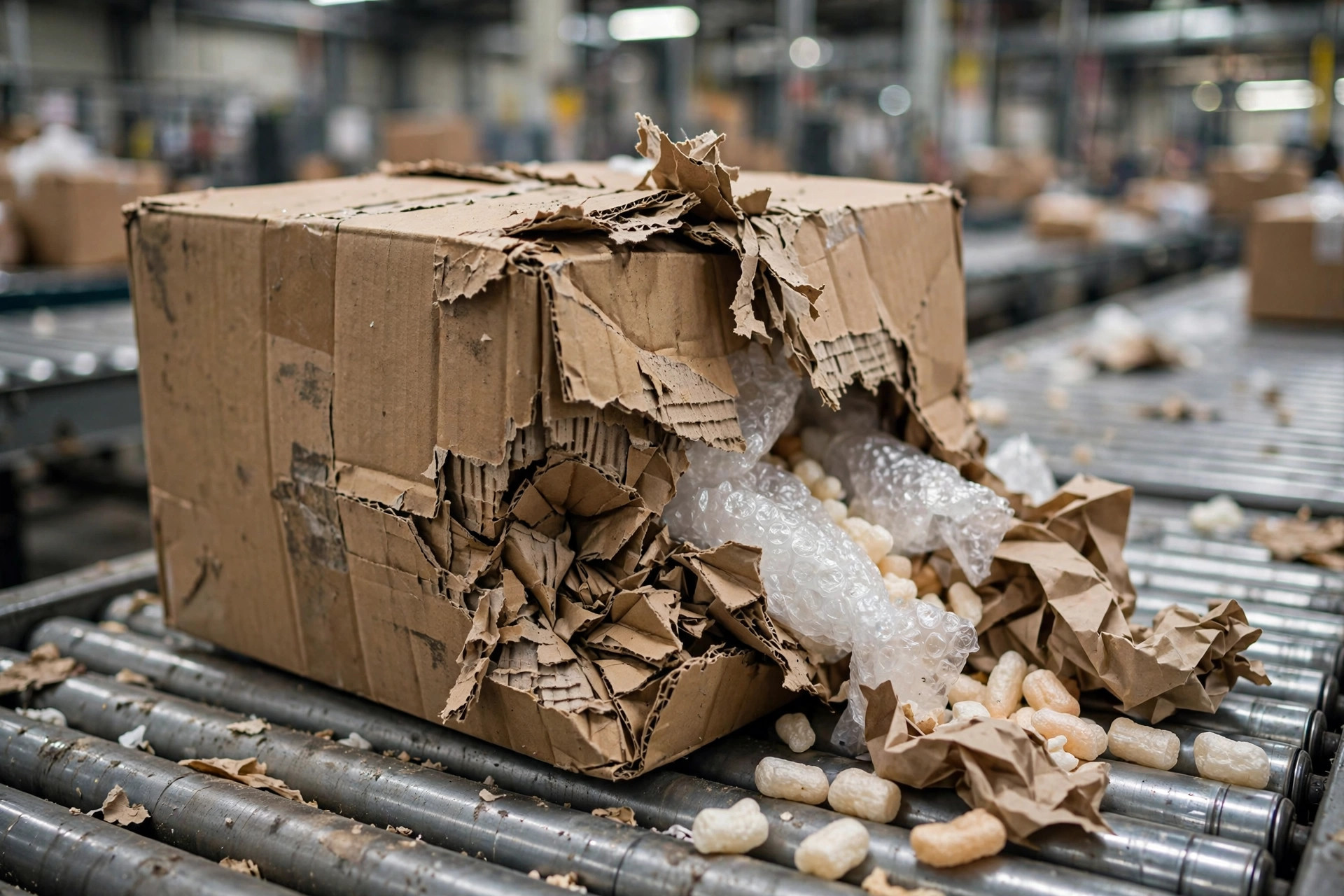
3. The six-angle photo set. All six sides of the outer box, the inner packaging, the damaged item itself. And this is the big one — keep every scrap of packaging, because the carrier may come inspect it. I've seen sellers toss the box to save space, and one line — "unable to verify packaging condition" — killed a claim worth hundreds.

4. Packaging compliance. "Improper packaging" is the carrier's universal denial excuse. Thin carton, no cushioning, one strip of tape — all fair game. Crate your fragile stuff properly; don't cheap out on the box.
5. Declared value matching actual value. Under-declare to save on the fee, and you'll get paid on the under-declared number. Not a cent more.
Real story: November 2025, I shipped 37 ceramic mugs via FedEx Ground. The customer received them with 11 broken. They sent unboxing photos; I pulled the purchase invoice and label screenshot, filed as damaged on fedex.com (not lost — tracking showed delivered, and picking the wrong claim type sends the review down the wrong path), and uploaded everything in one go. Six business days later, the payout landed, covering the full merchandise value.
Auto-Claims vs. Manual Filing: The Money-and-Time Trade-off
Most sellers don't know carriers have automatic claims. UPS Proactive Response auto-opens cases on confirmed losses and pays up to the declared value (the first $100 of coverage is free). FedEx does the same on verified losses, usually resolving in 5–7 business days; UPS runs about 5–10. Zero time cost. Money while you sleep.
But auto-claims only cover cases the carrier admits on its own. Everything else needs a manual file: online form, evidence upload, wait for investigation, supplement materials. Budget 20–40 minutes per case.
Denied? Don't fire off an angry email. My appeal playbook has three moves: attach supplementary evidence, state the facts calmly, and explicitly request re-review. I've seen plenty of rage emails — their success rate is miserable. The calm, evidence-backed appeals flip far more often than you'd expect. Tested this myself — it works.
So which cases deserve your time? My decision framework is simple:
- Value $50+: always file. One win covers half a day's wages.
- Value under $20 + clearly auto-eligible: wait. Don't touch it; the auto-claim lands on its own.
- Value under $20 + needs manual filing: batch it. Process once a month in bulk, or outsource to an audit firm that works on contingency.
- Tracking says "delivered" but the customer says otherwise: don't fight the carrier. Big trap — UPS and FedEx trust their GPS delivery records, and these cases get denied at a brutal rate. I go straight to marketplace policy (Amazon A-to-Z) or eat it on self-fulfilled orders. Spend your hours on winnable fights.
Declared Value: To Buy Up or Not — The Math
UPS and FedEx both include $100 of declared value in the base rate, free. Beyond that you can buy additional coverage per $100 increments (check the carrier's current published rates).
Do the math. My store: 8,000 parcels a month, 0.3% loss-damage rate, ~24 incidents a month, average merchandise value $35 — roughly $840 a month in losses. Insuring every parcel to full value would cost comfortably more than $840 in premiums. Insurance companies aren't charities; their actuaries price above your expected loss, guaranteed.
My three-tier approach:
- Under $100 value: rely on the free coverage, buy nothing. Self-insuring is cheaper under the law of large numbers.
- $100–500 high-value items: buy up declared value to the actual merchandise value, per shipment.
- $500+: use third-party cargo insurance — usually cheaper than carrier buy-up rates.
The counterintuitive takeaway: don't insure every parcel. For low-value shipments, expected loss is far below the premium — full coverage is a donation to the insurer. Put the saved premiums into better packaging instead; cutting your damage rate beats any policy.
One last thing: on the 1st of every month, I spend one hour batch-filing every loss and damage case from the prior month. That's it. Thousands of dollars recovered a year — enough to cover half a year's rent. Tested this myself — it works. Stop leaving your money on the carrier's books.
By Ah K, E-commerce Seller (5 yrs)