Bottom line first: Paraguay chia seed export warehouse storage comes down to two ledgers, moisture and purity. Miss the moisture, and the lot goes musty inside the container. Mix up the lots, and your best seed gets dragged down by your worst bag. Seed coming off the Chaco plain all looks the same. What separates a clean shipment from a rejected one is how you receive it, how you store it, and how you ship it out.
I have seen this mistake three times. Every time, the cargo did not go bad in storage. The damage was done on receiving day: a moisture reading written down vaguely, two lots sharing one stack, shipping papers that did not match the bags. Chia is small, valuable, and buyers test it hard. One bad bag can send a whole container back for rework. So this article skips the theory and covers what an export warehouse can actually do: what to check at receiving, how to stack in the warehouse, and what to verify the night before dispatch.
Paraguay Chia Seed Receiving: Moisture, Impurities, and Lot Identity in One Pass
At receiving, I only trust three things: moisture, impurities, and lot identity. Everything else can be fixed later. These three, if not recorded on day one, turn into guesswork for the rest of the shipment.
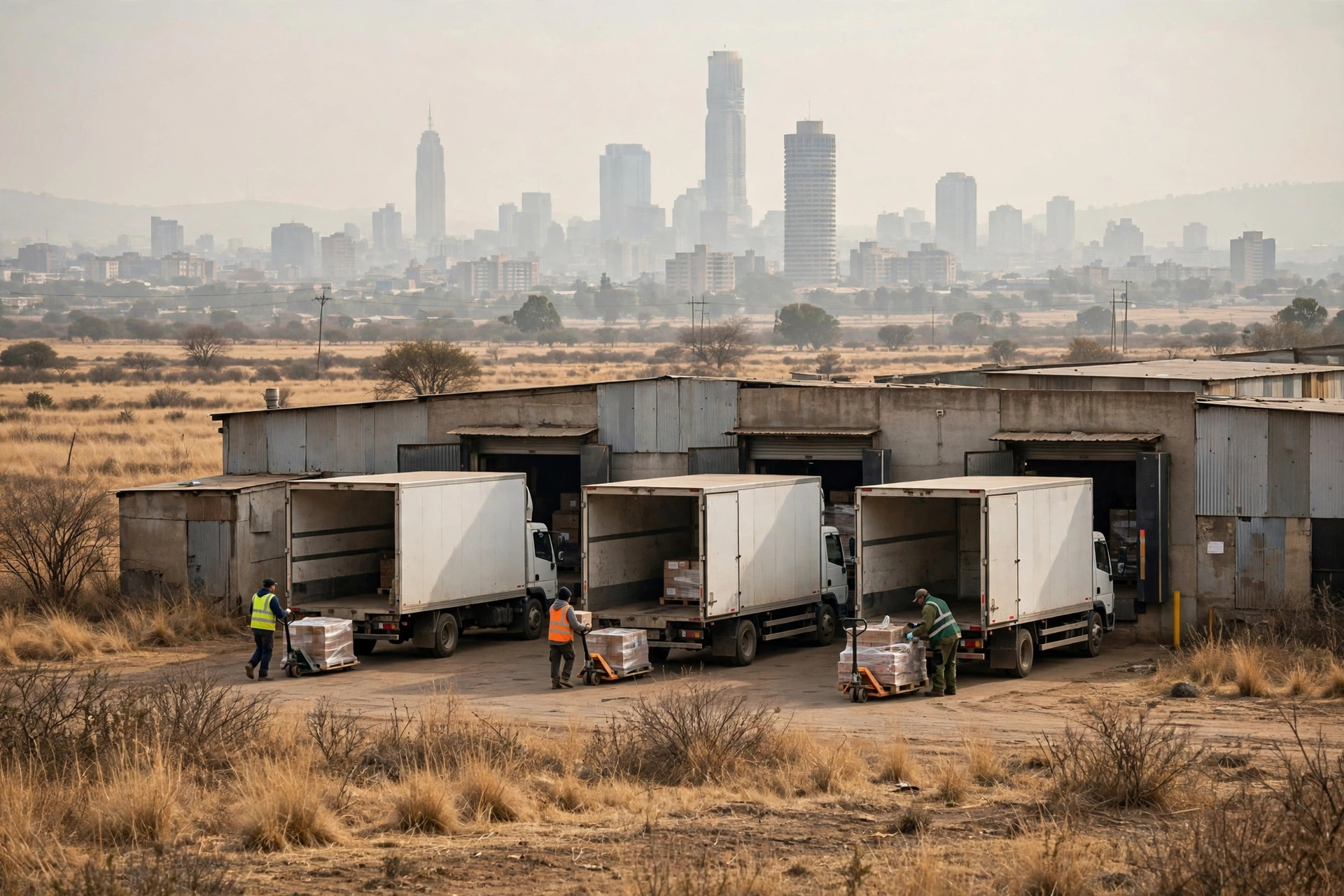
Take a warehouse outside Asuncion as an example. It received seed from a Chaco cooperative during the rainy harvest. The surface of the seed looked dry, but sample moisture came in above the warehouse's own internal limit. The warehouse did not reject the lot outright, and did not stack it with good stock either. It set aside a quarantine zone: the lot was spread, ventilated, and retested twice. What passed went to the good zone, what failed went to the drying line, with a sample kept before and after drying. The whole detour cost a day and a half. That lot later shipped in two containers and passed the buyer's retest on the first try. Had the team stacked it straight into the good zone to save time, the whole stack's moisture would have crept up, and the rework would have covered a full stack instead of one lot.
Receiving inspection should run in this order, with no step skipped:
- Match the papers first: delivery note, lot number, bag count, and truck plate. Four items must agree before unloading. A bag-count mismatch found after unloading is nobody's story to prove.
- Sample properly: sample bags in proportion to the lot, and pull from the top, middle, and bottom of each bag. Sampling only the top layer is the same as not sampling.
- Test on the spot: moisture, impurity content, and off-color ratio, written into the lot file the same day. A number reported by voice does not count.
- Keep retention samples: two per lot, one stored at the warehouse, one traveling with the dispatch papers, so there is something to compare when the buyer asks.
- Assign the stack: good, failed, and quarantine zones kept physically apart. Failed stock is never "temporarily" parked next to good stock.
One more word on impurities. Chia lots often carry small stones, soil, and other weed seeds. A cleaner removes most of it, but cleaning is not free: screen loss, labor, and machine time all belong in the cost. Recording impurity levels at receiving tells the customer up front what cleaning will cost, so the warehouse does not quietly absorb it in the quote.
Three Lines Inside the Export Warehouse: Moisture, Mixing, and Pests
Once the seed is in, Paraguay chia seed export warehouse storage holds three lines: moisture, mixing, and pests. Each one sounds simple. Each one is a set of concrete actions.
Moisture first, and here is the counterintuitive part: drier is not always better. Over-dried seed turns brittle and breaks, and loses weight on the scale. The real killer is the wet-dry cycle: dried by day, reabsorbing humidity at night, swelling and shrinking until mold finds its opening. So moisture control in the warehouse is not "dry it as hard as you can." It is "hold it steady": pallets under every stack, nothing against the wall or straight on the floor, windows shut in rain and open for ventilation in dry weather, temperature and humidity logged daily on the stack card where anyone can read it.
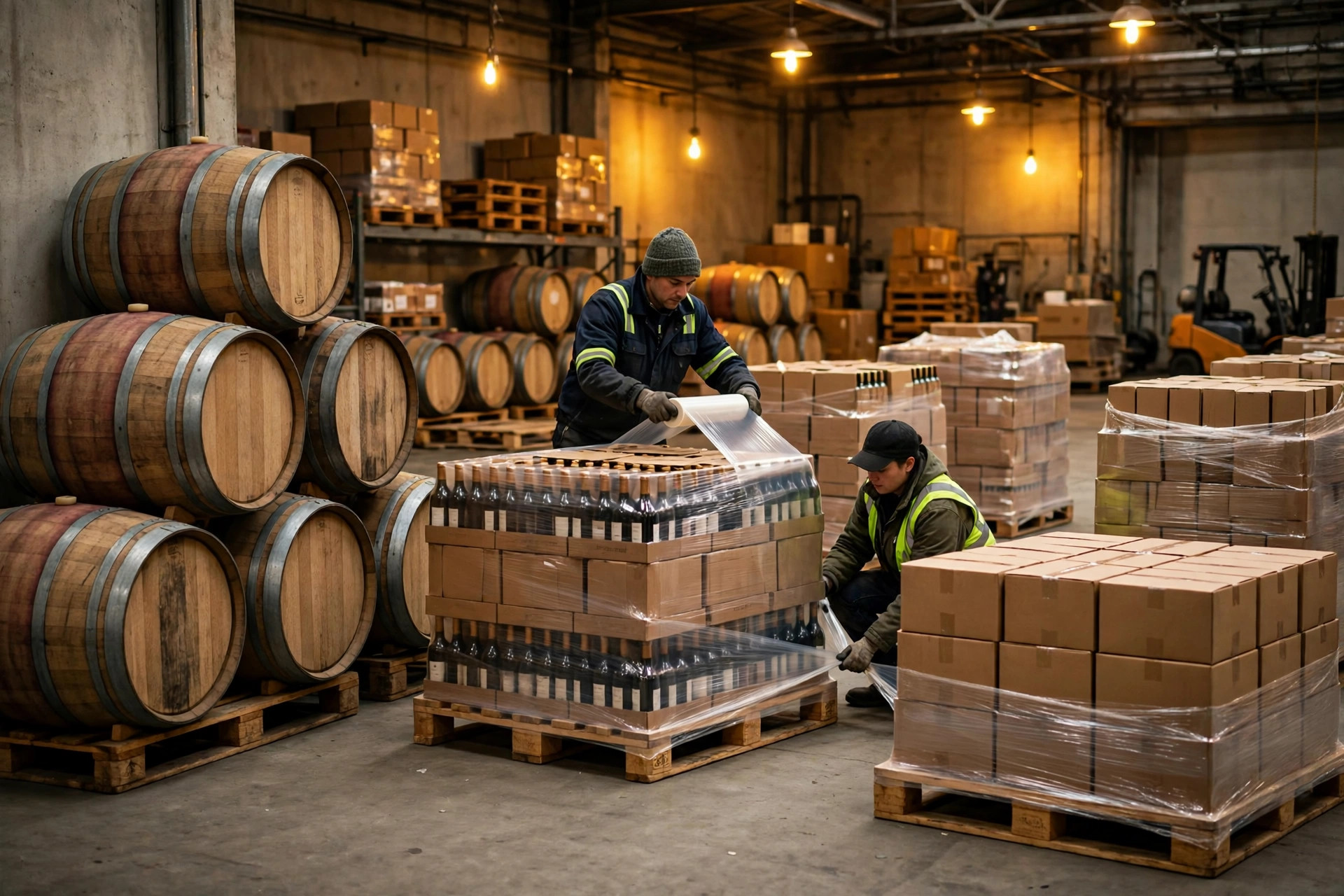
Mixing is where the purity ledger is won or lost. Seed from different cooperatives or different harvest windows must stay in separate stacks, under separate labels, in separate accounts, even when it looks identical. I have seen the same failure in three projects: two lots of different purity stacked together to save space, the buyer testing to the higher standard, the weaker lot pulling the whole container down to a downgrade or a full re-screen. The stack space saved by mixing never pays for one rework.
Pests are handled by warehouse hygiene, not by waiting until insects show up. Sweeping empty stack positions, checking wall corners, clearing old bags on schedule: put these on the weekly duty roster and they cost almost nothing. How fumigation and pesticide residues are regulated is a matter for the official rules in force; the warehouse should follow the latest official policy, not invent its own standard.
The Container Ledger: Cost It Before You Quote It
A warehouse quote built without a cost ledger is a guess. The table below is one warehouse's example, not an industry statistic. The numbers show where the cost actually sits:
| Cost item | What this warehouse does | How the cost is booked |
|---|---|---|
| Receiving inspection | Sampling, moisture and impurity tests, retention samples | Spread per lot, not per container, so more lots mean lower cost per lot |
| Cleaning loss | High-impurity lots get an extra screen pass | Loss booked as a share of received weight, and listed separately in the quote |
| Re-drying | Quarantine lots dried and retested | Labor and energy of each drying run booked to that lot, never spread to others |
| Re-bagging and relabeling | Broken, damp, or mislabeled bags replaced | Breakage tracked against the measured rate, and raised with the supplier when it crosses the internal limit |
| Rework | Re-screening and retesting after mixing or damp damage | The most expensive line, and the target is zero occurrences, not a budget allowance |
The table makes one thing obvious: the most expensive item in warehouse storage is never rent or labor. It is rework. One rework can eat the margin of several containers. Receiving carefully, stacking separately, and verifying strictly are all ways of locking that cost line shut.
Paraguay Chia Seed Export Dispatch Checklist: Papers, Lots, and Seals, Checked Twice
The night-before-dispatch checklist is something I force every project team through on go-live night. Chia dispatch deserves the same treatment. Before anything goes on the truck, these five items get ticked off one by one:
- Lot match: the lot number on the dispatch note, the stack card, and the bag marking must all agree. Any mismatch stops the line until the cause is found.
- Sample match: the retention sample and the dispatched cargo are the same lot, so the buyer has a reference.
- Bag condition: broken, damp, or mislabeled bags are pulled out. "It is only one or two bags" is not a reason to let them ride.
- Papers complete: phytosanitary, origin, and other export document requirements follow the latest official policy. Do not book the truck with one document missing.
- Seal and container number: the seal number goes on the dispatch note with a photo, and seal number, container number, and truck plate are matched on the spot.
One last straight word between practitioners: Paraguay chia seed export warehouse storage has no high technology to hide behind. It comes down to receiving carefully, stacking separately, and verifying strictly. Turn those three into non-negotiable routines, and buyer retests pass more often and rework drops. Whether a lot makes it cleanly from the Chaco plain to the port of Asuncion is not decided at the port. It is decided on the first day it enters the warehouse.
By Lin Xiao, WMS Implementation Consultant