We had a client, a specialty coffee importer out of Shanghai, who learned the hard way that papua new guinea coffee export warehouse storage is not a line item you skim. The beans were fine. The storage math was not. A shipment that left the Highlands looking clean arrived at the port of Lae with damp rings around the mouths of the bags, the buyer knocked the grade down, and the balance payment took two weeks of arguing to settle.
The client had been buying from Ethiopia and Yunnan for years. Then at a trade show he tasted a Highlands lot — clean acidity, heavy body — and fell for it on the spot. The sourcing deal came together quickly, the price was right, and he called me about the warehousing and export leg. I told him straight: in this origin, the hard part is not buying the coffee. It is everything that happens between the mill and the port.
Papua New Guinea Coffee Export Warehouse Storage Starts With Moisture
Almost all of the country's coffee grows in the Highlands, around Goroka and Mt. Hagen, and most of it comes from smallholders. That matters more than most buyers realize. Your shipment is not the uniform output of one big estate. It is coffee pieced together from dozens of small farms, each with different picking ripeness and drying conditions. The beans arrive at the mill with uneven moisture before storage even enters the picture.
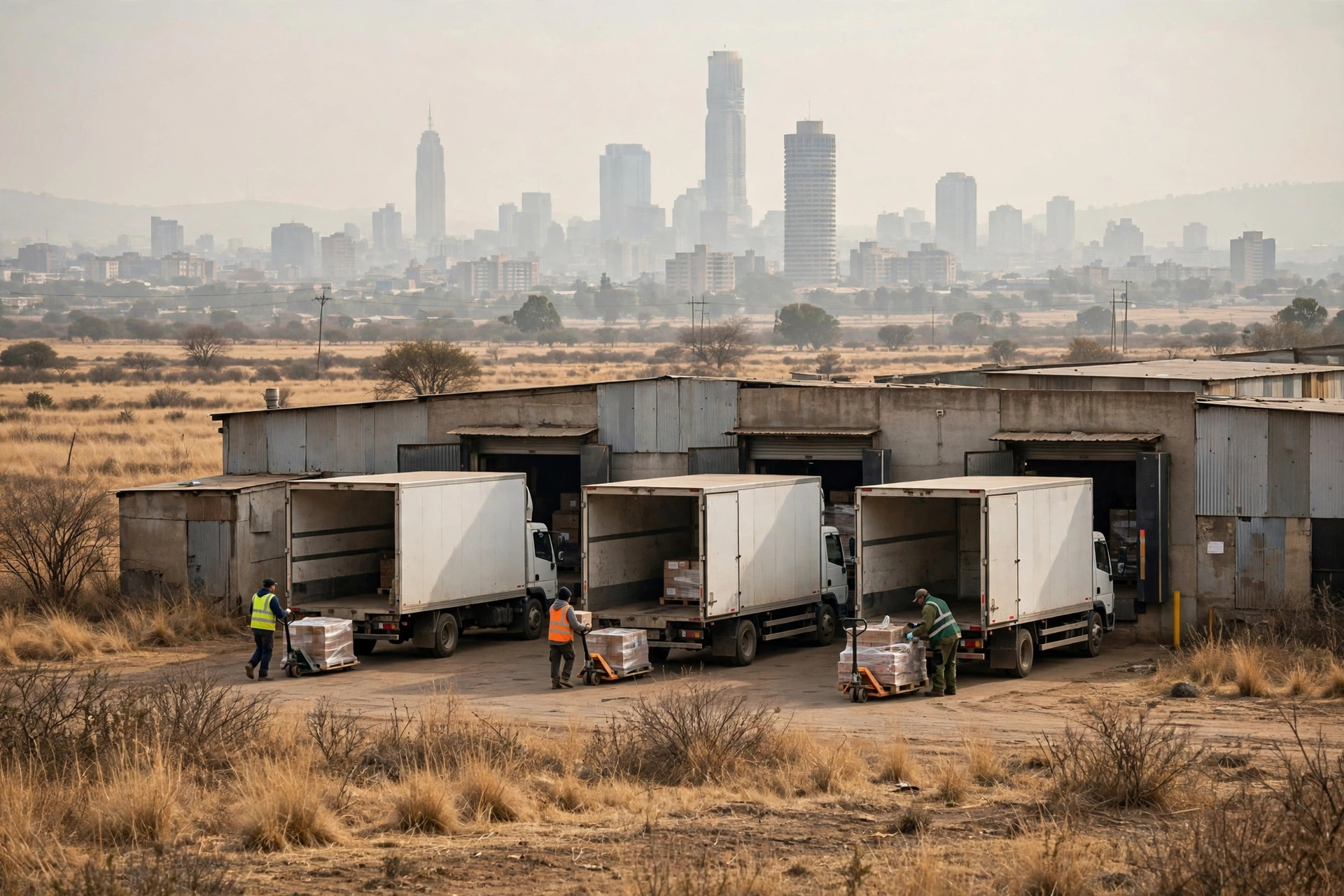
Mill conditions set the tone for the rest of the journey. I have seen good mills: raised drying beds, ventilated stores, bags stacked off the floor and away from the walls. I have also seen mills that get by: beans on a concrete floor, and when the wet season comes, damp creeping up from the base of the walls. My client's problem, though, started on the road rather than at the mill. The Highlands Highway is not a freeway, and when rain slows the trucks, a load can spend extra days sealed in a container of humid air. By the time the bags reach a Lae warehouse, the damp marks are already there.
So I always tell clients to split the moisture bill into three legs: mill storage, road transport, and port storage. For each leg, the contract should name who is responsible, what ventilation and moisture protection is in place, and what happens if damp is found. A clause that just says "the seller is responsible for storage" is, when something goes wrong, the same as no clause at all.
Grading: Get It in the Contract, Not in a Handshake
Grading is the second place this trade bites. Coffee exports in Papua New Guinea fall under the oversight of the Coffee Industry Corporation (CIC), and export procedures carry their own rules — always check the latest official policy before you ship, because requirements change and secondhand summaries go stale fast. But regulation is one thing and your commercial deal is another. The grade standard you agree with the mill or the exporter has to live in the contract text.
My advice is blunt: never settle for a grade expressed as a single letter or word. Write down three things — screen size, allowable defect count, and how sampling works. Sampling matters most of all. Is the sample drawn at the mill, or is there a re-check at Lae? If the re-check fails, is the lot downgraded and accepted, or rejected outright? Who pays the freight and storage while that argument plays out? These clauses feel fussy in negotiation. They are pure money when a claim lands.
That is exactly how my client's second shipment went. We rewrote his contract with a Lae re-check clause: downgraded lots settled at the downgraded price, with storage and re-check costs on the responsible party. After the rewrite, the next few containers moved without a single dispute. Sellers sometimes act like you are being difficult. In my experience, a difficult contract is a cheap contract.
Coffee Export Warehouse Storage on the Road From the Highlands to Lae
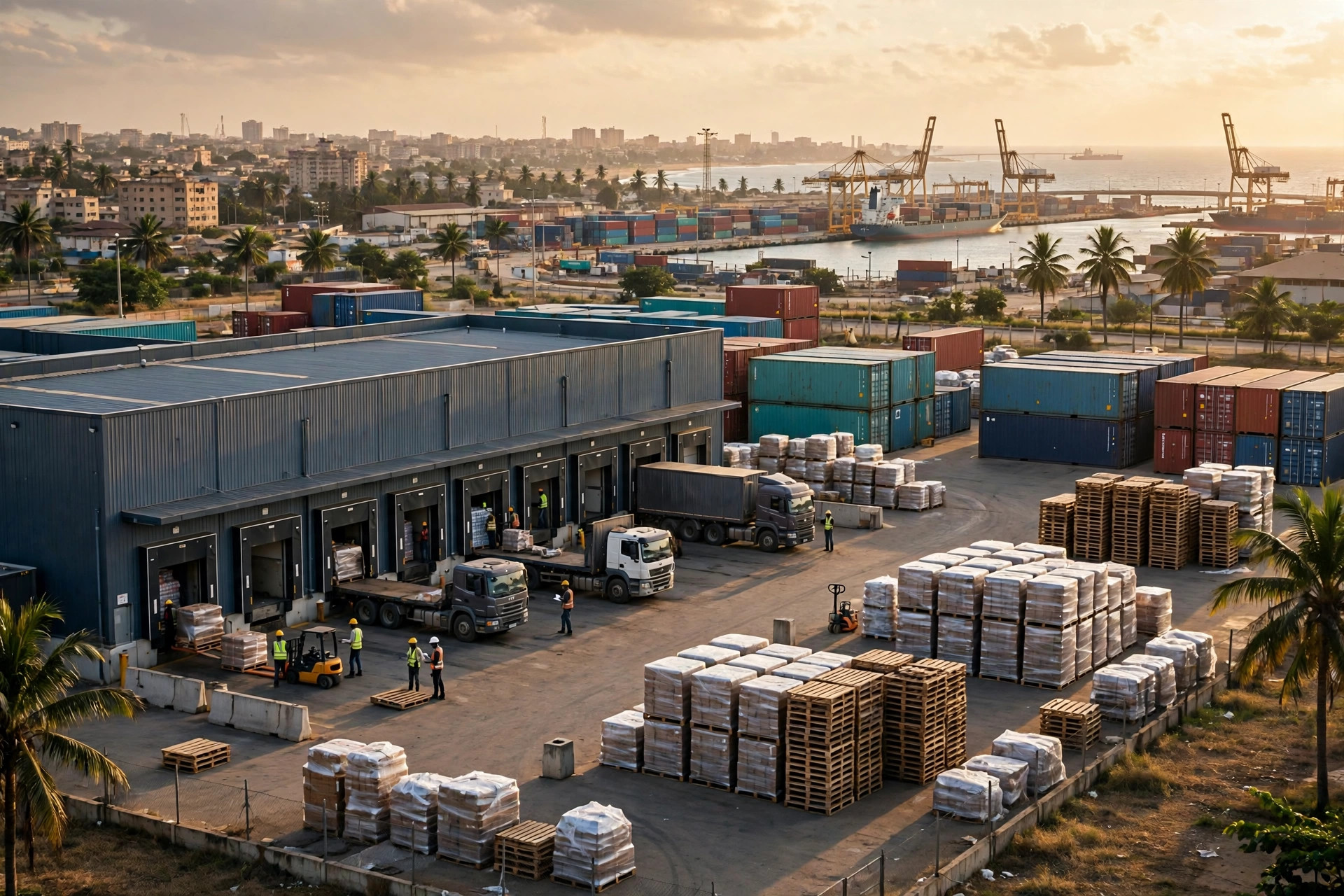
The port end of this story has a detail I keep coming back to. The SPICT coffee bulk warehouse at the port of Lae covers 2,000 square metres, and its first shipment was 320 bags of green coffee bound for Melbourne. Three hundred and twenty bags is not a big number. But for a new warehouse, the first shipment is never about volume — it is about proving the process: how bags come in, how they are stacked, how moisture is kept out, how they are loaded out again, all in a way that survives a buyer's inspection.
The lesson for buyers is that papua new guinea coffee export warehouse storage should not be judged on floor area and rate alone. It should be judged on coffee experience. Green coffee here typically moves in 60kg double jute bags, and jute hates three things: damp, strong odors, and crushing weight. Does the warehouse keep coffee in its own area, away from fertilizer, spices, or anything else with a smell? Are pallets stacked off the walls and off the floor? Is there a final bag inspection before loading? None of this appears on a rate sheet. All of it has to be asked across the negotiating table.
| What to negotiate | What to pin down | Where it goes in the contract |
|---|---|---|
| Moisture responsibility | Ventilation, protection, and inspection frequency on each leg | Storage responsibility clause |
| Grade standard | Screen size, defect tolerance, sampling and re-check location | Quality and acceptance clause |
| Damp or downgrade handling | Downgrade settlement, rejection, who pays the costs | Claims and costs clause |
| Port handling | Bag inspection, loading procedure, odor separation | Delivery and shipment clause |
The table looks simple, but walk in with it and the warehouse operator knows immediately that you are not a first-timer — and the padding in the quote tends to shrink on its own. Walk in without it and you get the most generic handling by default, with the argument waiting for you at the other end.
One more thing first-timers miss: port storage quotes often split port handling, re-check, and loading charges into separate line items, so the headline storage rate looks cheap while the total is not. Make the operator lay out the full journey as one itemized list before you compare rates. In this business, the cheapest headline rate usually comes with the longest list of add-ons later. Nine times out of ten, that rule holds.
Three Questions to Ask Before You Sign
Here is the counterintuitive part: most people assume the ocean leg is the riskiest part of exporting coffee. It is not. Ocean freight has bills of lading, insurance, and standard procedures — it is the most formalized leg of the whole chain. The genuinely risky stretch is the overland warehousing from Highlands mills to Lae: many handoffs, scattered responsibility, inconsistent standards, and every vague clause eventually becoming your cost.
So before you sign, ask three questions. First, is moisture protection spelled out for every leg from mill to port? Second, are the grade standard and re-check rules actually written down, not just promised? Third, if damp downgrades the lot, who exactly pays? Get those three answers straight and you have already won most of the storage argument on this route. For the current export rules and fee schedules, check the latest official policy — and do not take anyone's verbal assurance on them, including mine.
By Susan, 3PL Sales Director