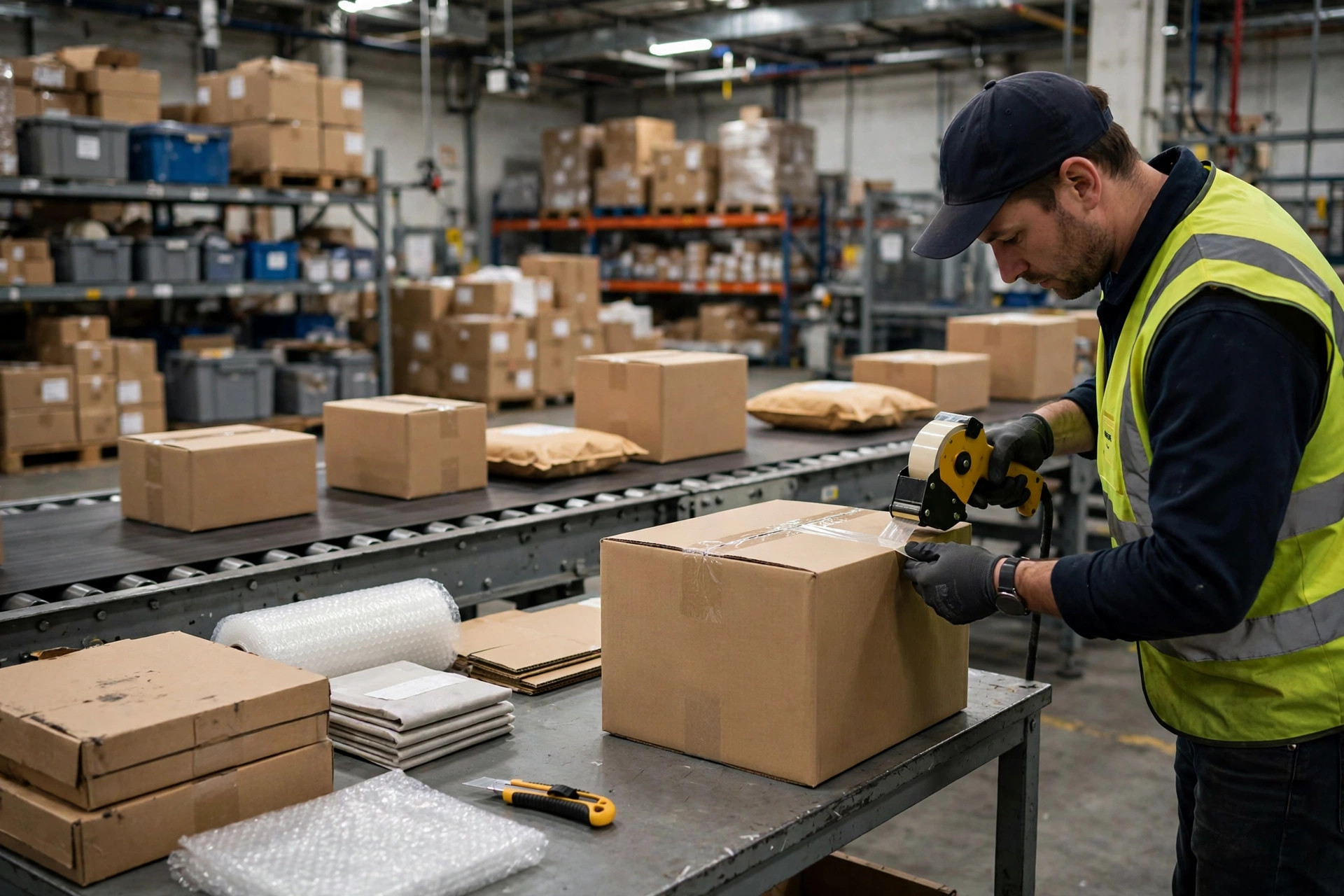
The myth goes like this: wider tape seals better, so a serious warehouse should use 72mm everywhere. I watched a 3PL in the Inland Empire fall for it. The owner heard 72mm was "stronger," switched the whole building, and tape spend jumped forty percent in a year while the damage rate didn't move a millimeter. Money spent, zero problems solved.
Here's the thing nobody tells you: tape width is a cost-structure decision, not a quality decision. And the math most warehouses never do takes about ten minutes.
The math nobody does
Stop comparing roll prices. The only number that matters is cost per sealed carton, and the formula is one line: cost per carton = price per roll ÷ cartons sealed per roll.
The denominator is where everyone gets fooled. Don't trust the theoretical yield on the box — measure it yourself for three days. Count the rolls the pack stations burn through and the cartons they ship, divide, and you have your real number. Box size and sealing style ("I" seal versus "H" seal) can swing the denominator by a factor of two. The worst case I ever saw: a theoretical yield of 200 cartons per roll, an actual yield of 110 — packers looping an extra half-turn "to be safe," and tape bleeding out the door.
Run the numbers with your own figures, but here's an illustration. Say a 48mm roll costs 12 yuan and seals a measured 180 cartons: under 7 fen per carton. A 72mm roll costs roughly half again as much and seals about a third fewer cartons at the same length — cost per carton easily doubles. At 5,000 orders a day, that's tens of thousands a year in tape alone. If you never do this math, you'll never know where the money leaks.
There's a hidden switching cost too. Wider tape needs wider dispensers and cutters. A 72mm handheld dispenser costs notably more than a 48mm one, and outfitting dozens of pack stations adds up. Consumable money always leaks out in drips like this.
Width isn't the real trap. Material is.
BOPP film with water-based acrylic adhesive is the mainstream choice, typically 38 or 50 microns thick. The cheap stuff has two failure modes. First, decent initial tack but poor holding power — seals fine on Monday, pops open by Wednesday, and half the "popped seam" rejections at FBA inbound trace back to this. Second, residue: cheap adhesive leaves a film behind, so returned cartons can't be reused — new labels won't stick, and the box goes to the baler.
Test before you commit. Have suppliers send samples and run three checks: the drop test (seal a box, drop it from a meter, three times — does it hold?), the freeze test (for cold-chain operations, 24 hours in the freezer, then check), and the residue test (stick, peel, look for film). A week of testing eliminates ninety percent of bad choices.
One more trend worth noting: some brand customers now ask for degradable or paper tape, and programs like Amazon's Frustration-Free Packaging touch on this. Paper tape holds less — fine for light parcels, don't use it on heavy cartons. If you serve Western brands, ask about their packaging compliance requirements before you ship, not after a rework order.
Three signals that say you actually need 72mm
Expensive has its reasons. 72mm isn't a scam — it earns its keep in three scenarios.
Heavy cartons. Over about 15 kilos, the wider bond area resists transit vibration far better; 48mm seams pop on the road. Auto parts, hardware, full cases of beverages — don't economize here. One damage claim buys dozens of rolls of the price difference.
High-value goods, for theft deterrence. 72mm is hard to peel by hand and nearly impossible to reseal invisibly, which kills a lot of return-fraud arguments. Consumer electronics, cosmetics, small appliances — one lost unit pays for a year's tape premium. Some sellers print their logo on custom 72mm tape: seal plus anti-counterfeit in one step.
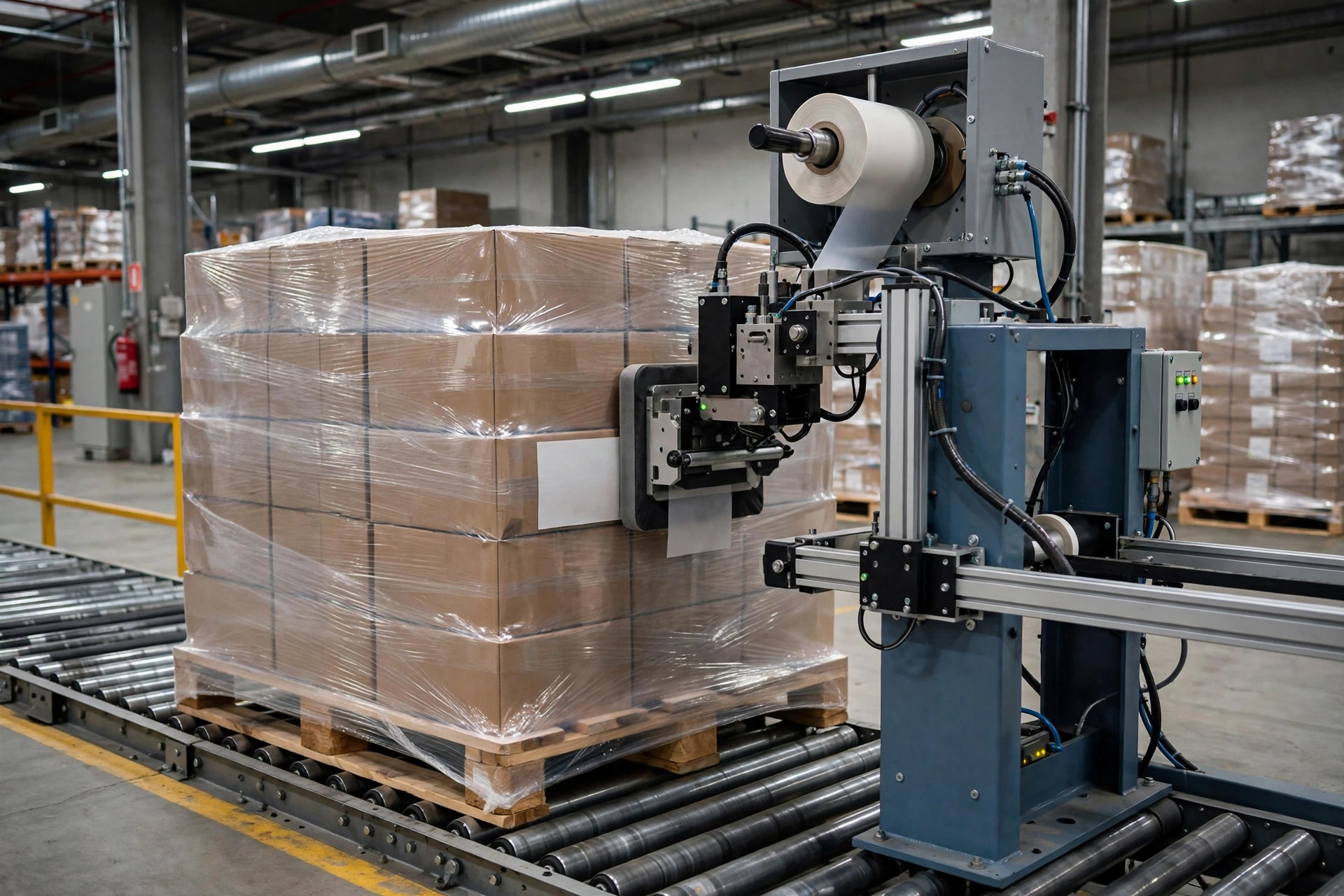
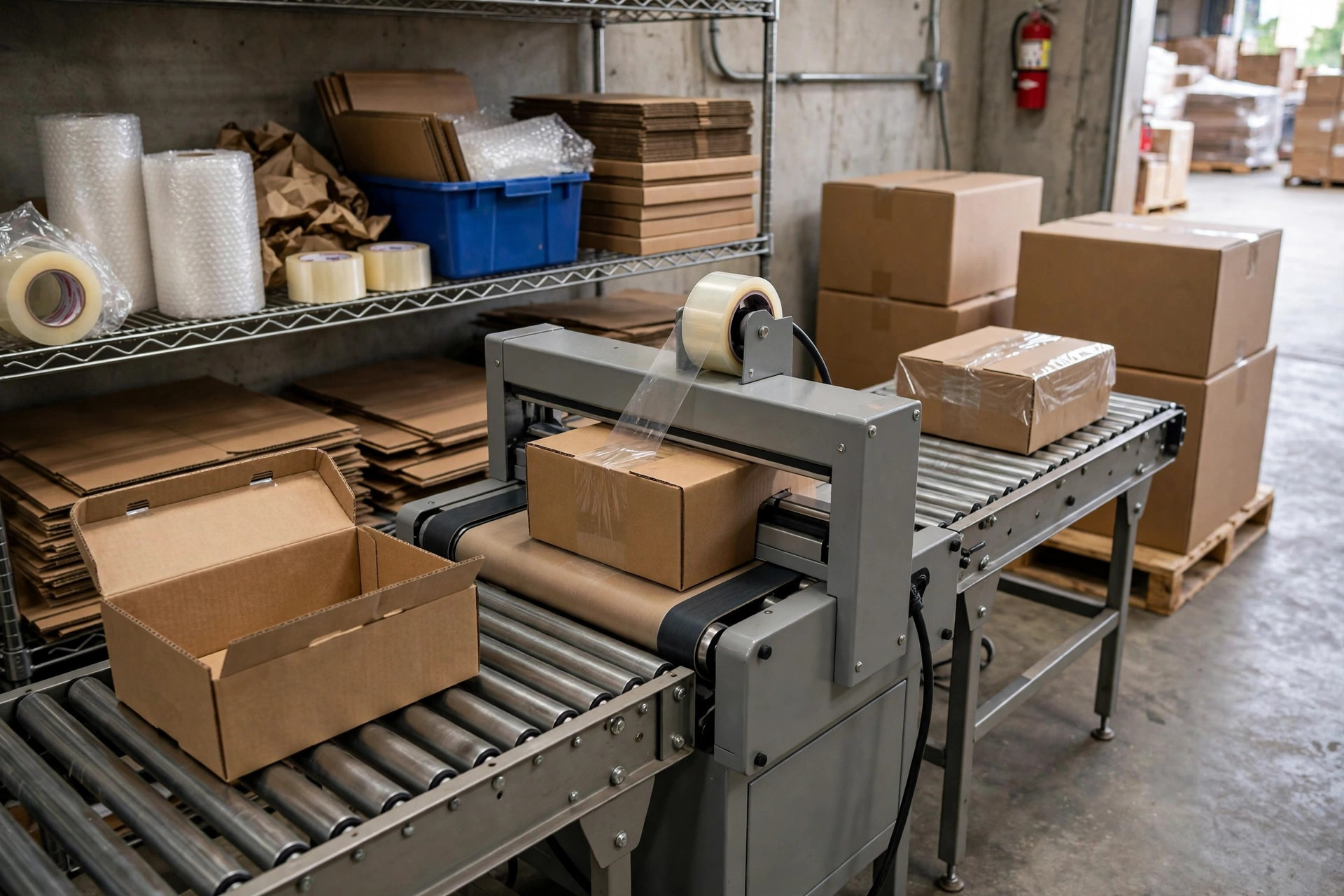
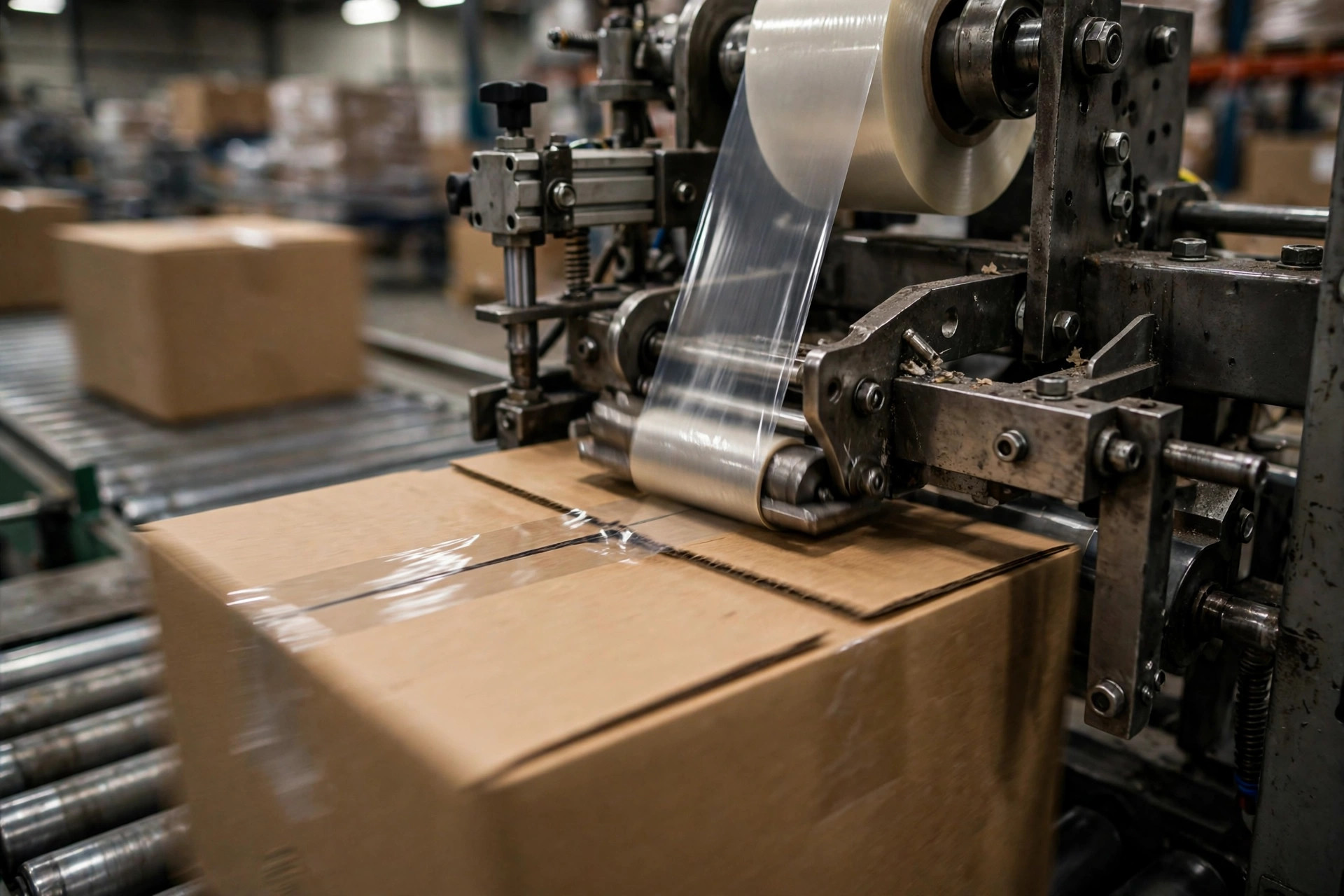
Automated case sealers. Machines run fast and hit hard; 48mm wanders and snaps on the machine while 72mm tolerates the abuse. If you're on an auto line, listen to the equipment vendor and run 72mm. Note that machine rolls are many times longer than hand rolls — the sticker price looks scary but the per-carton cost is often lower. Don't compare hand-roll pricing against machine-roll pricing.
Buy by the year, not by the roll
Tape is a commodity — negotiate like it. First, compute annual usage: rolls per day times 365. That's your leverage. Second, get samples and quotes from three suppliers at once, test first, then compare price. Third, negotiate tiered pricing: at ten thousand-plus rolls a year, expect meaningful discounts — the exact number depends on the market, so get real quotes.
And consolidate SKUs. One 48mm spec for the whole building (exceptions for special SKUs only) concentrates volume, drops unit price, and simplifies storage and issue. I've seen buildings running four or five tape specs, each at retail-quantity pricing. That's just donating money.
The honest trade-offs of 72mm: it tires hands — hundreds of pulls a day at the wider width slows packers down, and some compensate by wrapping extra turns, which eats the savings. And two specs means two sets of purchasing, storage, and handling overhead.
My practical advice: run 48mm until one of the three signals shows up, then switch only the SKUs that need it — never the whole building at once. Go count how many rolls your pack stations burn in a day. Multiply by 365. That's real money, and it's worth half a day to get right. Managed well, tape savings alone can cover a forklift's annual maintenance. I'm not joking — the smallest line items are usually the least scrutinized, which is exactly why they leak the most.