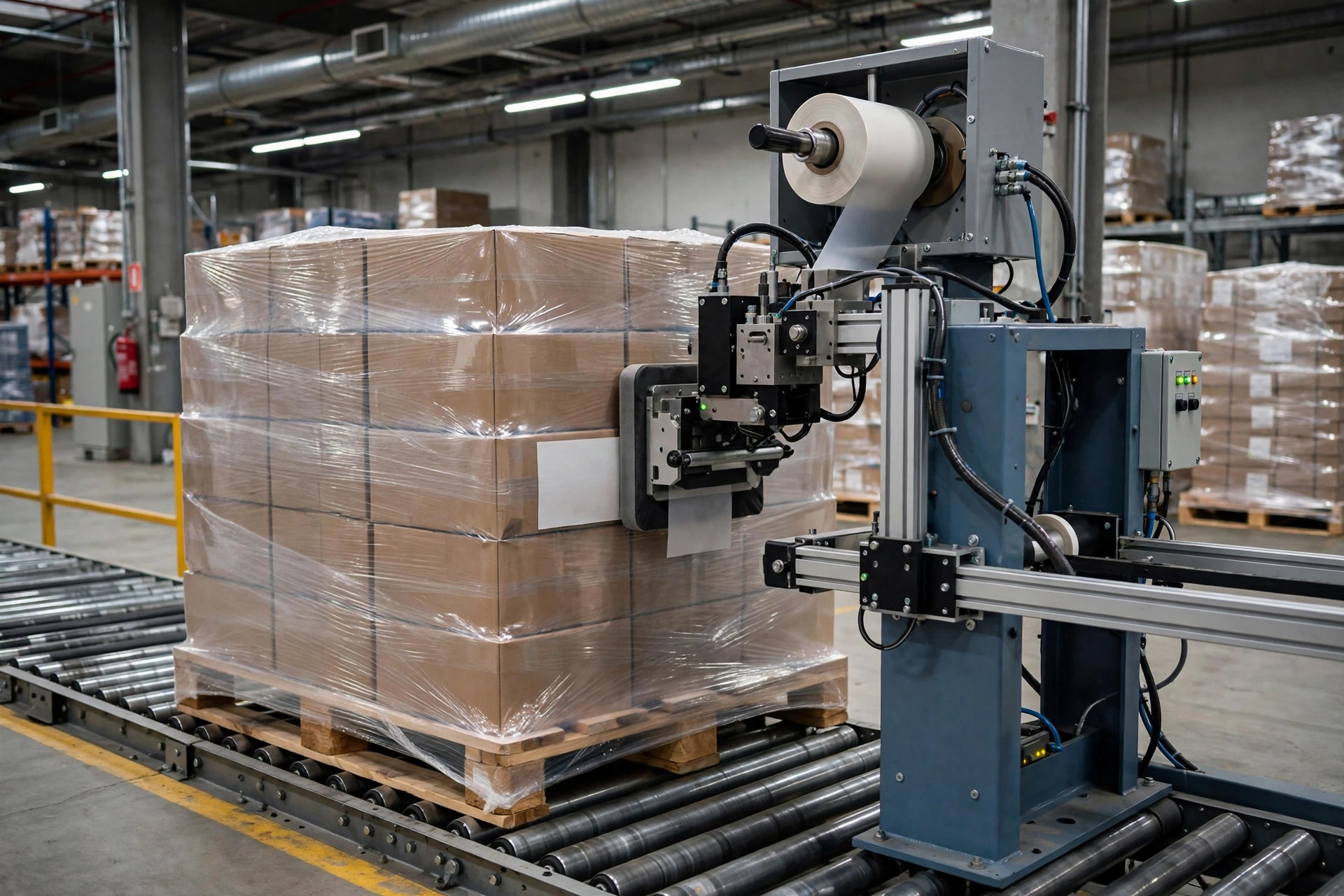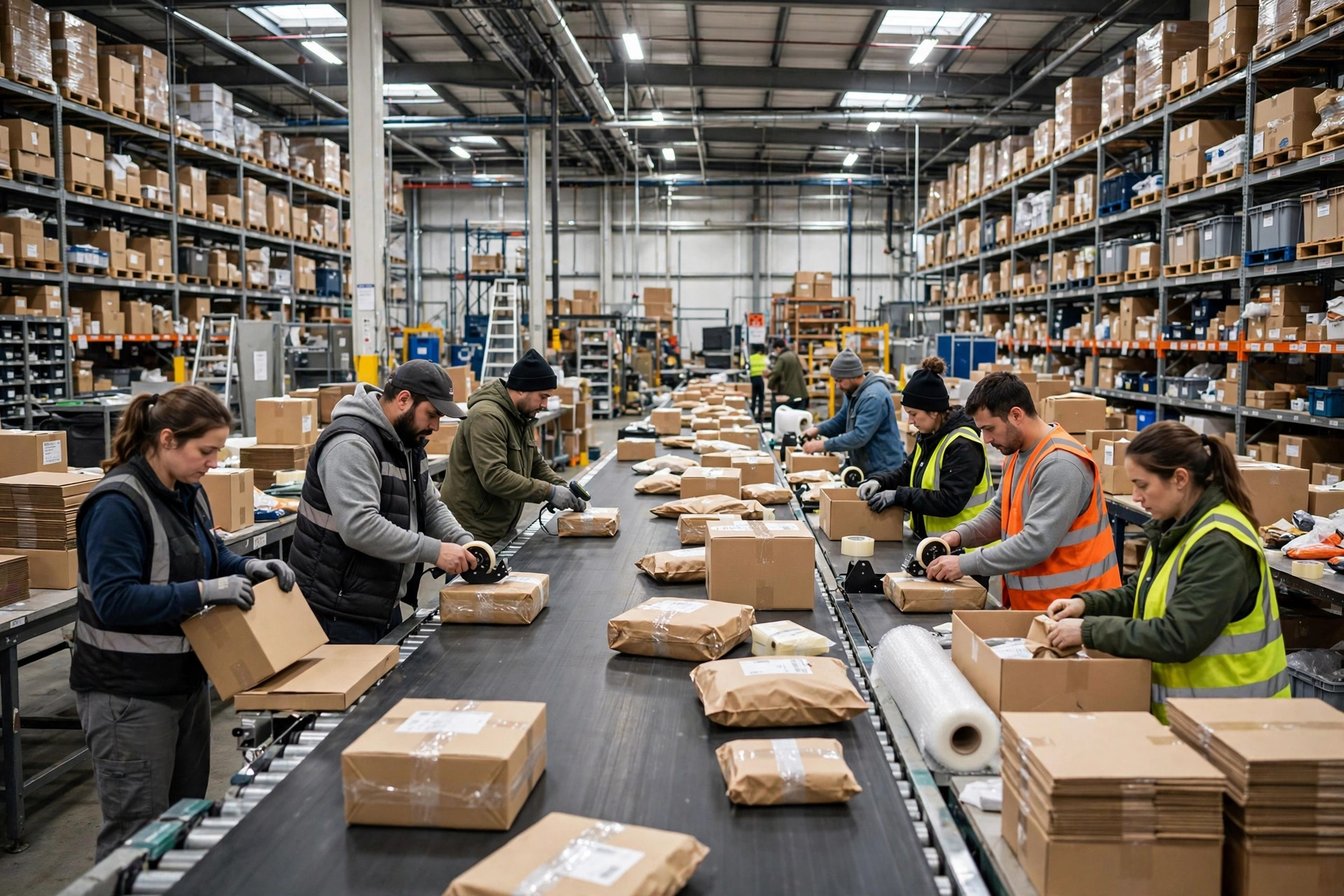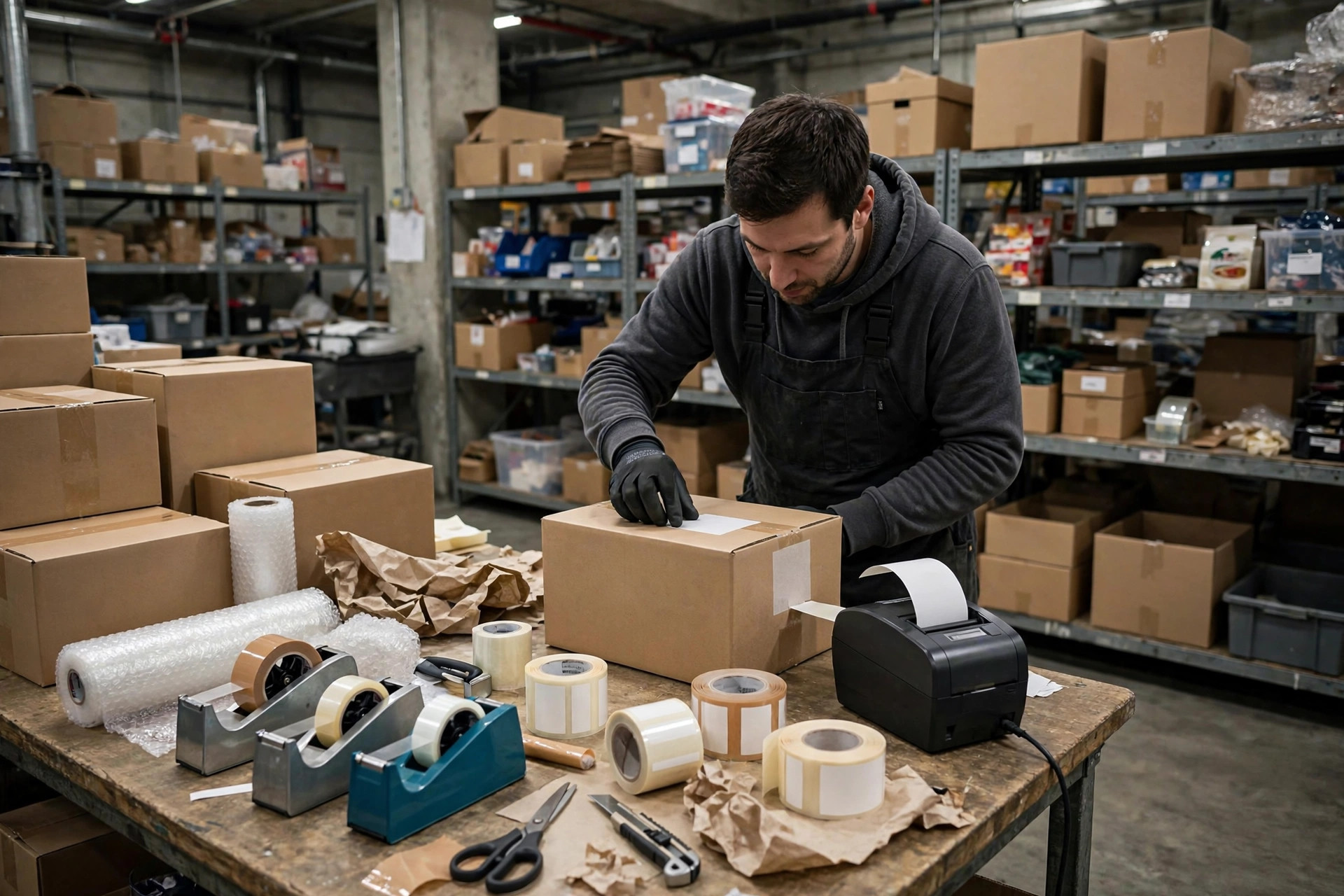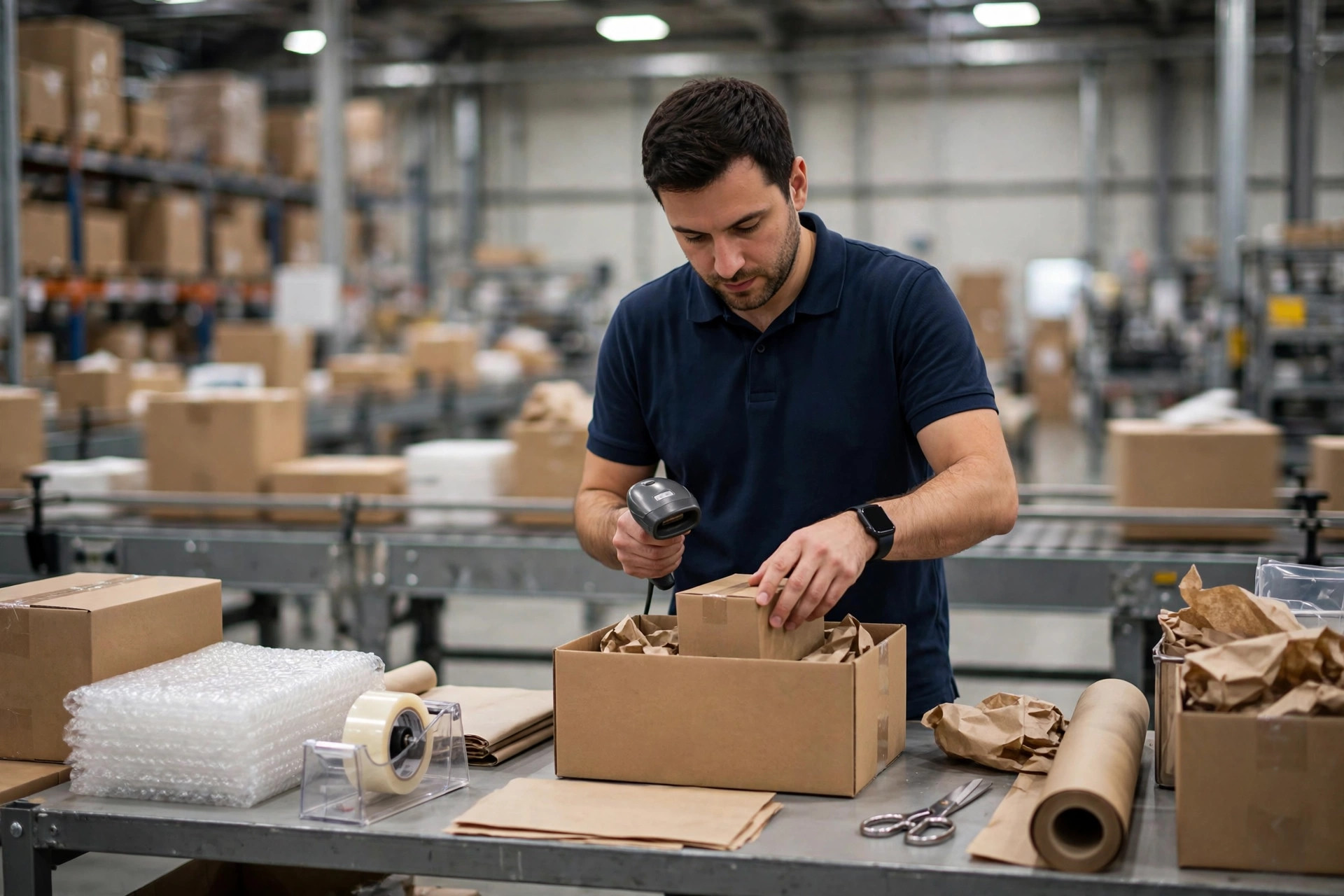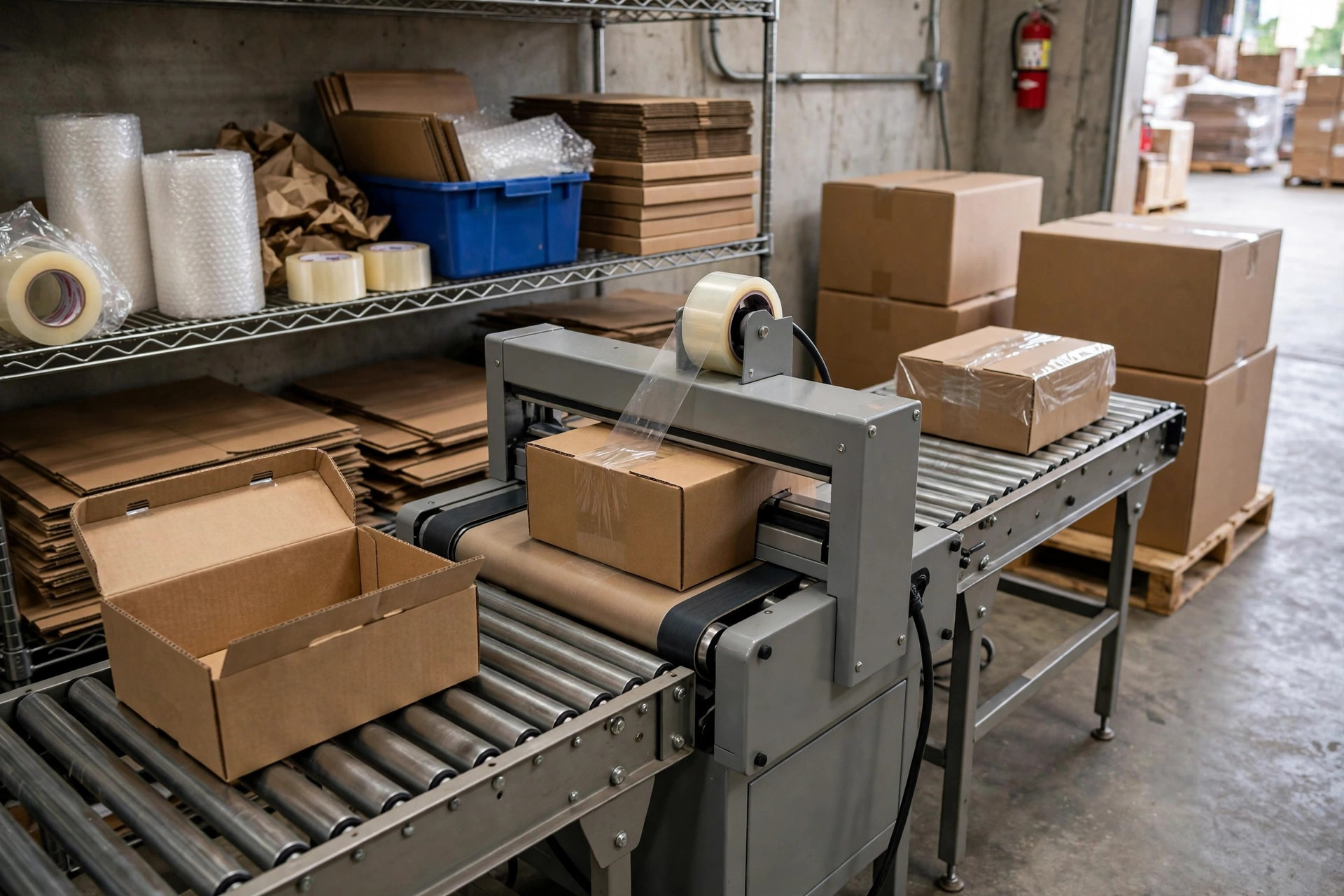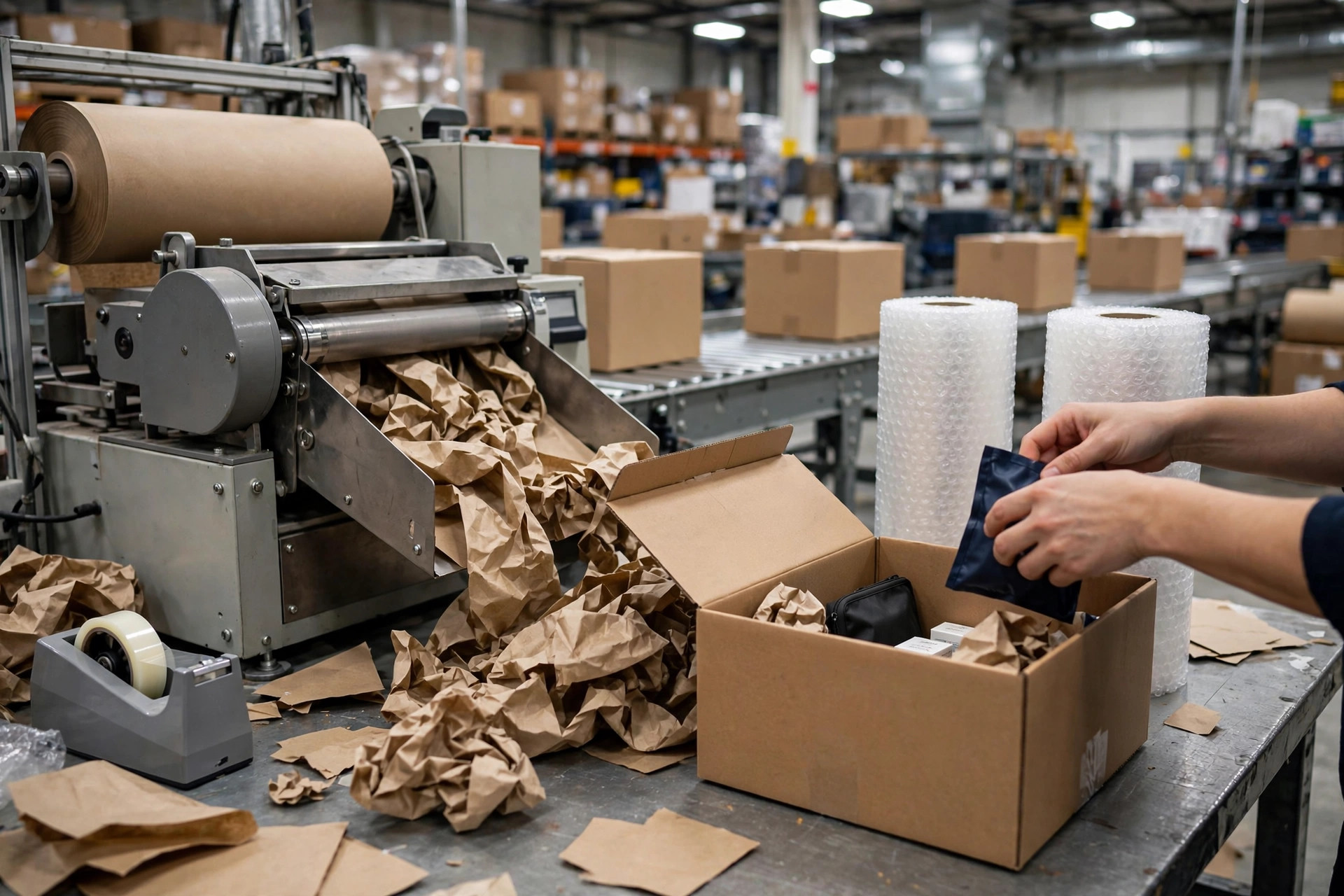
Last week I walked through an e-commerce warehouse in Fontana — 120,000 square feet, 16 packing stations. I counted three paper cushion machines lined up beside the pack benches. One of them wasn't even plugged in. The operations manager gave me a tired smile. "We bought them thinking we were upgrading. Turns out two is plenty. The third one just sits there." In my hand was a box that had just come off his line — stuffed with crumpled paper cushions, packed tighter than the product itself. I shook it. Nothing moved.
I've seen this movie many times. Almost every warehouse that grows past a certain volume goes through a "dunnage upgrade cycle": from balled-up waste paper and bubble wrap, to air pillows, to paper cushion machines. Each step feels like progress over the last. Each step costs money. And most of the money goes to places nobody looks.
So let's open the books. I'll use 2,000 orders a day — a mid-size operation, relevant to most e-commerce warehouses and 3PLs.
Don't Compare Material Prices. Compare What Each Order Really Costs You.
The classic mistake is to line up the three materials by unit price — how much per roll of air pillow film, per foot of paper roll, per roll of bubble wrap. That comparison misleads you nine times out of ten.
Start with air pillows. The pillows themselves look cheap. The real cost hides elsewhere. The inflator is inexpensive, and one industrial unit can serve three or four pack stations comfortably, assuming a steady packing rhythm. But air pillows have two problems that quietly decide their true cost. First, they eat space. Inflated pillows are bulky. You end up with a pile of finished product sitting beside every station, and in a warehouse where floor space is gold, almost nobody prices that footprint in. Second, they deflate. In 2022 I consulted for a home-decor client in the Inland Empire, and every rainy season their pillow failure rate spiked — moisture plus stacking pressure, and half the pillows went flat. That's the infuriating part: you paid for the material, and you got no protection. You lose twice.
Paper cushion machines have a completely different cost structure: a big one-time equipment spend, with cheap consumables. A kraft paper roll, measured per order of paper cushioning produced, is the cheapest of the three on a per-unit basis. The machine's real advantage is make-to-order output — you produce exactly what you need, no finished-goods inventory, no "inflated pillows sitting around going flat" waste. So do the math this way: equipment depreciation per day, plus consumables and maintenance, divided by daily orders. There's an interesting crossover. The higher your volume, the cheaper each order gets with paper, because fixed costs are high and variable costs are low. The lower your volume, the more expensive each order gets — because the machine sits idle.
Bubble wrap? The most old-fashioned of the three, and probably the most honest. What you wrap is what you pay for — no hidden line items. Its weakness is speed and labor. Wrapping a box by hand adds roughly 15 to 20 seconds per order. At 2,000 orders a day, that's about 11 hours of labor. Add the labor line back in and bubble wrap's "cheapness" falls apart. Old warehouses love it not because it's actually cheap, but because it needs no equipment investment, no process change, no training. Zero startup cost. But you have to do the full accounting.
My advice: for each material, add up equipment depreciation, consumables, energy, floor space, and extra labor, divide by 2,000 orders a day, and look at the monthly total. Get fresh quotes from suppliers before you commit — prices move — but the structure is stable: low volumes favor air pillows or bubble wrap; high volumes flip the advantage to paper cushion machines.
Fragile Goods and Ordinary Goods Should Never Share the Same Standard
Cost settled. Now the second trap: one standard for everything. A lot of warehouses pick one dunnage material and use it across the entire building — the same stuff around a fragile glass ornament and around a T-shirt. To me, that means protection thinking hasn't started yet.
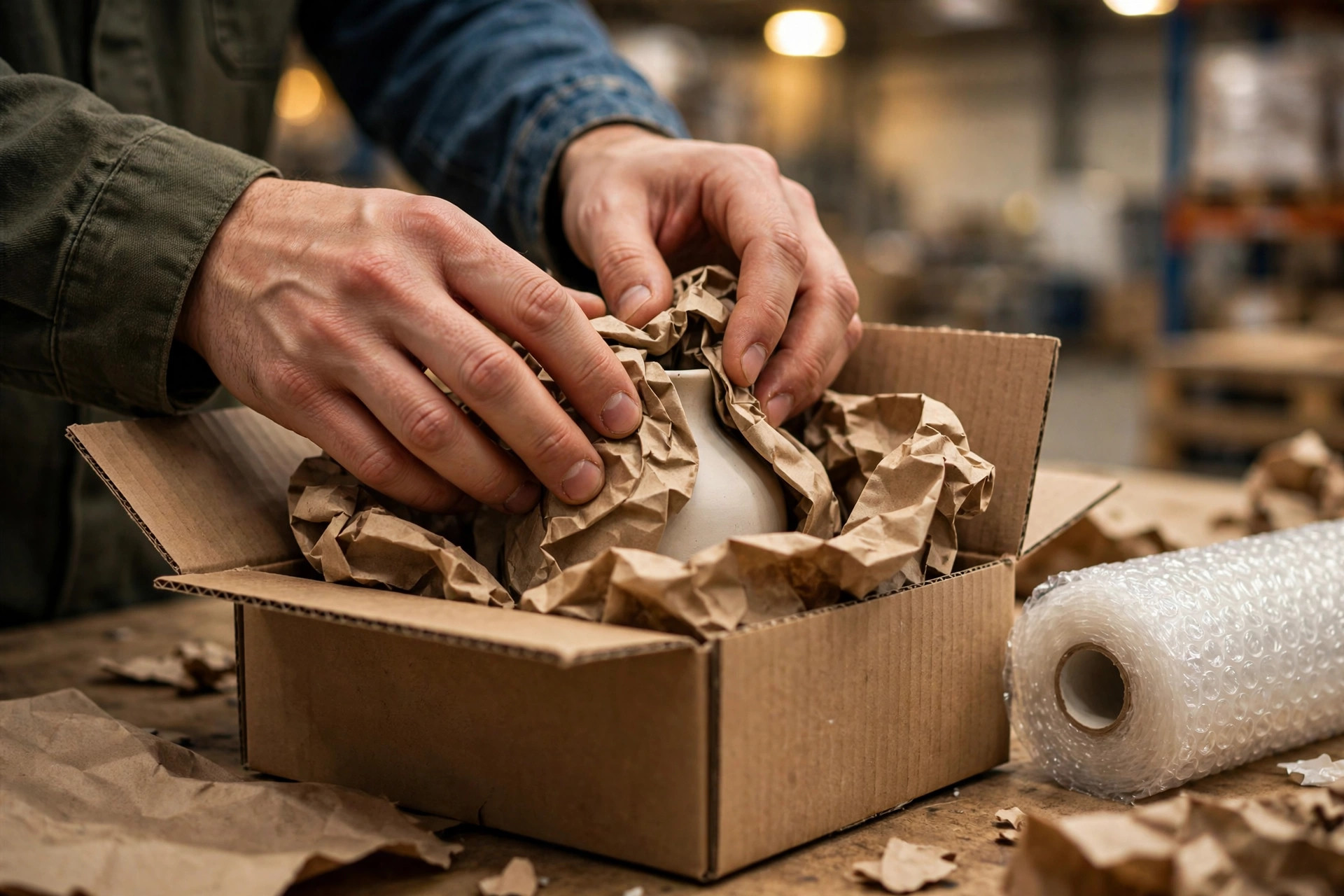
Here's the thing. Dunnage's job is not to "fill the box." Its job is to get the contents there intact. For ordinary goods, balled paper, air pillows, or paper cushions are all fine — pick the cheapest. But for fragile items, what matters is immobilization, not fill. The product must not shift. It must not rattle. And that's where paper shines: you can shape it, crumple it around corners, wedge it against edges. Air pillows can't do that. Pillows are decent at light cushioning; put them against a sharp corner or a heavy object and they pop.
In 2023 I saw a textbook case in reverse at a ceramics warehouse. They used air pillows building-wide because they were "cheap, clean, and customers like the unboxing." Their damage rate on fragile items sat above 2%, month after month. We split the operation — paper cushioning on the fragile line, air pillows everywhere else — and within three months the damage rate dropped below 0.5%. One damaged return costs you the carrier fee, the labor, the re-stock — easily fifteen or twenty dollars. Put that next to the extra cents you spent on paper, and every penny is justified. Remember this: budget your dunnage against your damage-return cost, not against your consumables purchase price.
Now the question everyone asks: is the machine worth it? Here's my honest line: if your packing line does a steady 2,000 orders a day or more, the machine very likely pays for itself. Below 1,500 a day, don't touch it. In between, it depends on your labor costs and your damage rate. And two conditions come first. One, you need enough fragile volume to matter — otherwise paper's advantage never shows up. Two, somebody on the floor has to own the maintenance. Paper jams are a fact of life with these machines. Damp paper rolls, off-center cores, they all jam. That third idle machine in Fontana? It wasn't idle because of low volume. It was idle because nobody wanted to deal with it — one jam, ten minutes of downtime, and the packers went back to air pillows.
One more pitfall I have to flag: overpacking. Paper machines are so easy to use that packers overdo it. The worst I ever saw was a shoebox-sized parcel stuffed with nearly half a roll of paper cushioning. A customer wrote in a review that opening it felt like an archaeological dig. You pay double the material cost and get a complaint about the unboxing experience. The fix is unglamorous but it works: set a paper usage standard per carton size, tape it to the pack bench, and have the supervisor weigh three random parcels a day.
So, back to those three machines in Fontana. My recommendation was: sell one, spend the money on ISTA 3E drop testing for your fragile lane, and find out whether your current protection is overkill or insufficient. More machines don't mean more advanced. Better matched does.
Add up what your warehouse burns in a year on damage returns from bad cushioning. Is it enough to buy a paper cushion machine? If the answer is yes, stop agonizing over the material price per roll.