Do the math before the container ships, not after it lands. That sounds obvious. Then why do I keep meeting sellers who learn this lesson the expensive way?
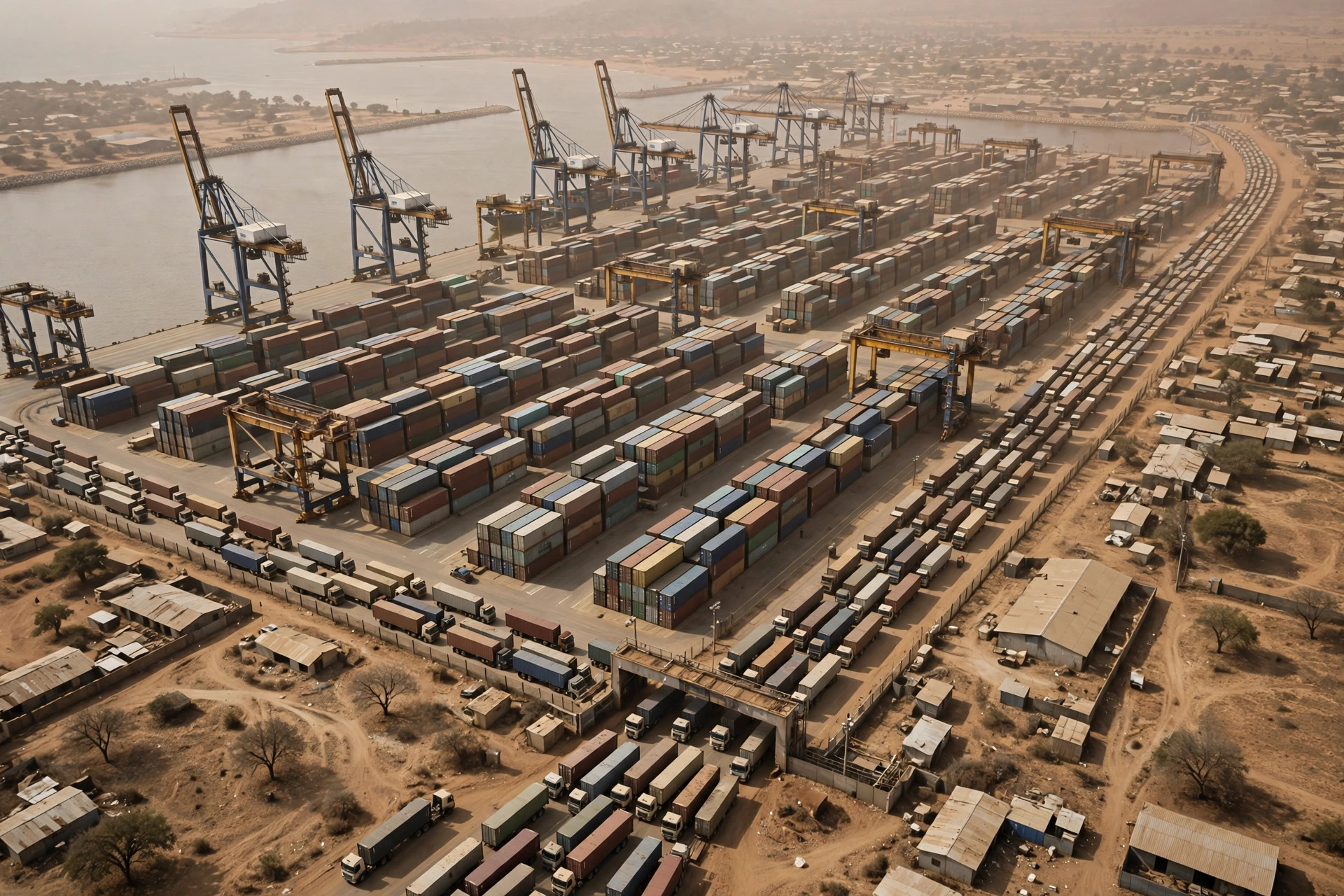
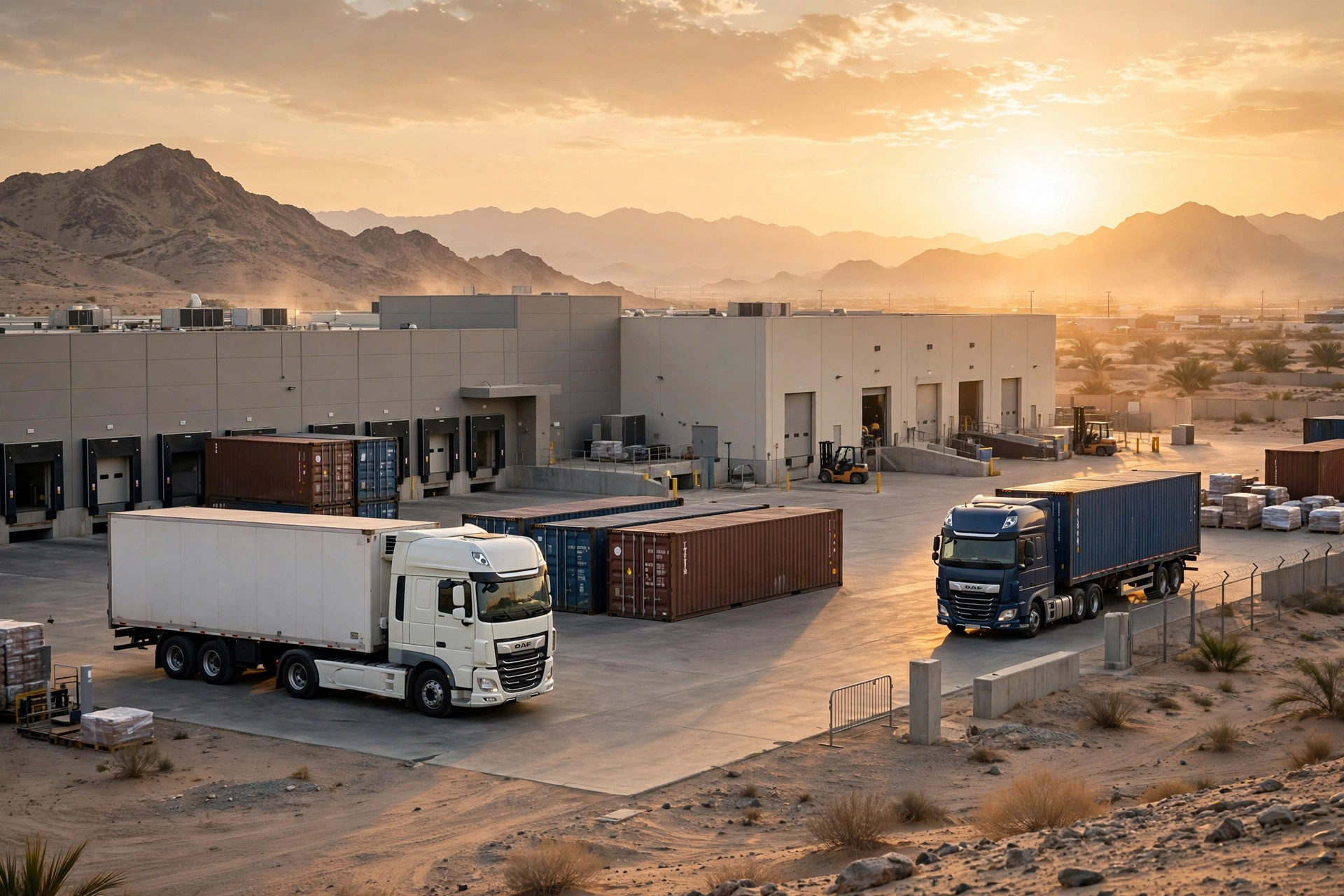
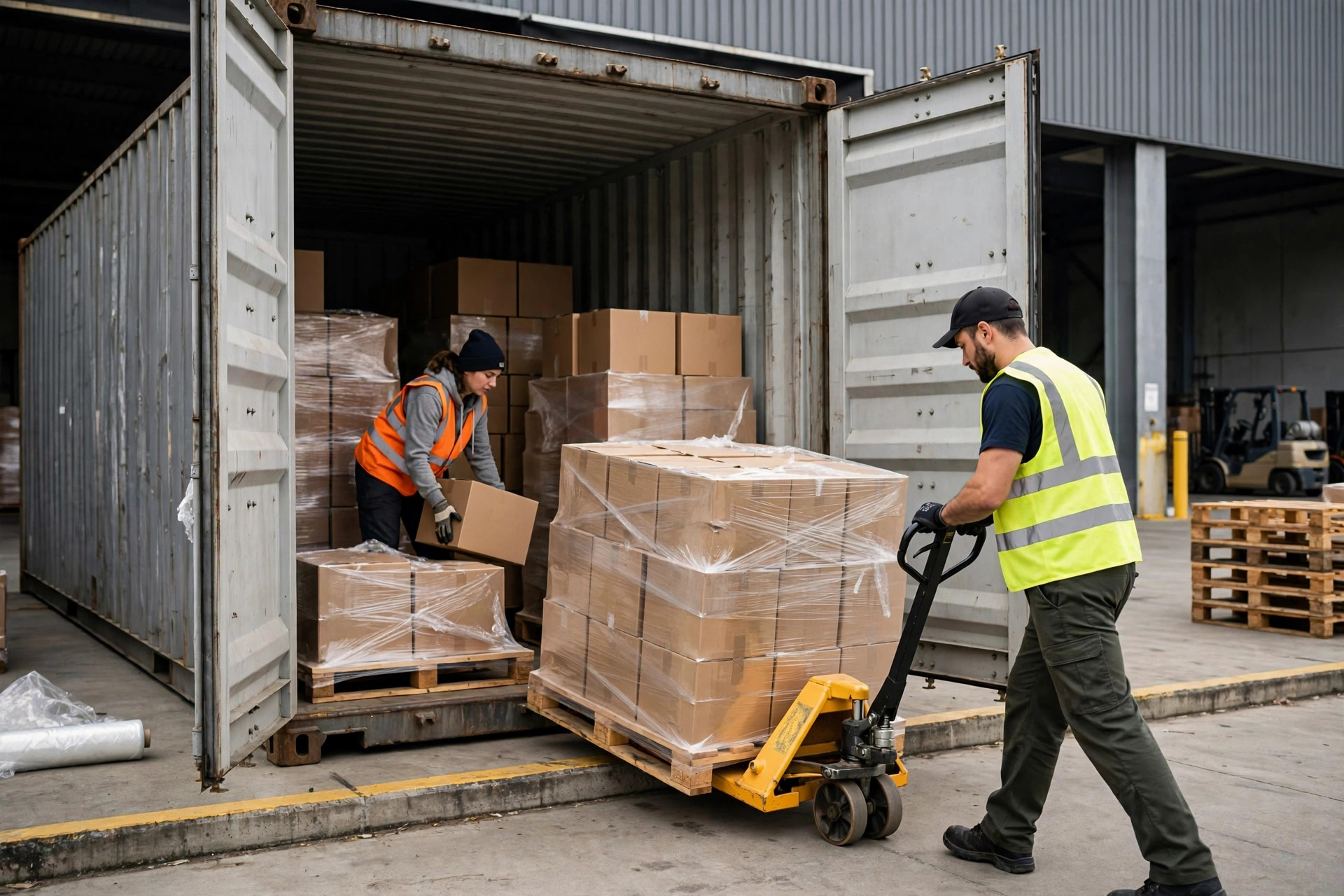
During peak season 2025, a home-goods seller from Shenzhen came to me for help. Two 40-foot containers of oversized sofas had landed at the Port of Los Angeles, and the US warehouse quote broke down to nearly $20 per unit per month in storage and handling. The goods sat for four months barely moving. He liquidated at a loss — effectively paying an American warehouse to hold his inventory for a season. I told him the deal was lost before the container was ever booked. It was lost at the product-selection step.
Before you commit a single SKU to a US warehouse, run it through this checklist. Four gates. Clear all four, then book the container.
Gate one: dimensional weight
US warehousing and last-mile delivery are often billed on dimensional weight, and sellers used to costing by actual weight in China get a rude education. Here's the formula: length × width × height in inches, divided by 139, gives you the dimensional weight in pounds that the carriers recognize. That 139 divisor is published by the major carriers — you can run the numbers yourself.
How to use it: compare the SKU's actual weight against its dimensional weight. If dim weight is triple the actual weight — say a 2-pound small appliance that dims out at 8 pounds — then storage and last-mile in the US are billed at 8 pounds, and your margin takes a direct hit. For that kind of product, direct small-parcel shipping from China is usually the better play, because cross-border parcel lines price bulky-but-light goods far more kindly.
Dense products are the opposite story. Bluetooth earbuds, phone cases, small hardware — actual weight close to dim weight — sit comfortably in a US warehouse, and every dollar of storage and last-mile is money well spent. Run this calculation first. If a SKU can't clear it, cut it without sentiment.
Gate two: turns, cash, and the returns you forgot to price
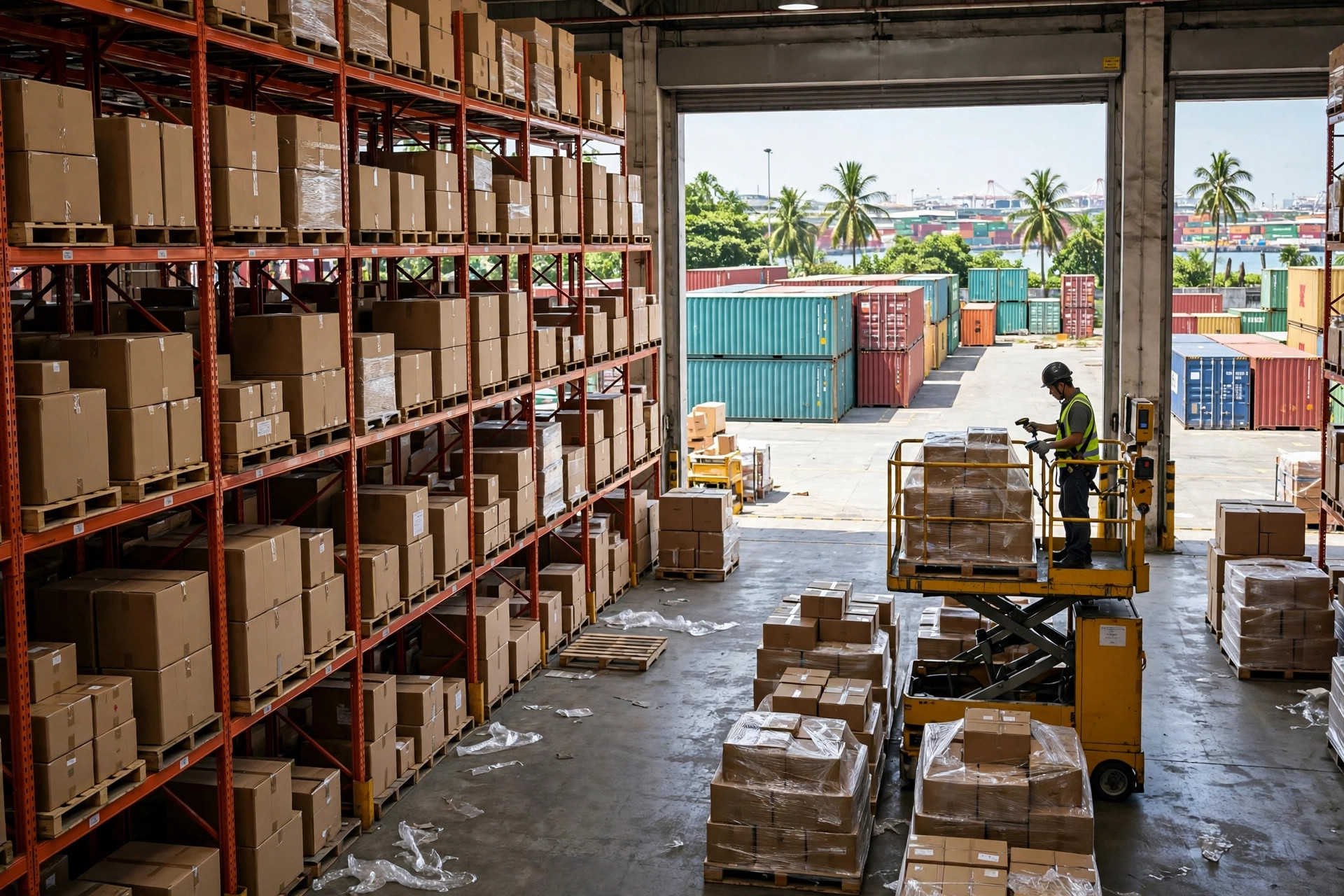
The moment goods land in a US warehouse, your cash turns into inventory. Days of cover times unit value is the cash you have parked overseas. A SKU turning every 90 days means you fund it four times a year — run that number against your cash flow. I've seen sellers strangled by their own stock.
Returns hit harder. US consumers return things as a matter of course, and if you sell apparel or footwear, a return rate north of 20% wouldn't surprise me at all. Returned units incur a processing fee at the warehouse; resellable ones go back on the shelf, the rest get destroyed or shipped back to China — and the return freight costs more than the outbound did. Price the reverse cost into the SKU by category from day one: high-return categories either stay out of the US warehouse, or the return handling fee goes into your pricing.
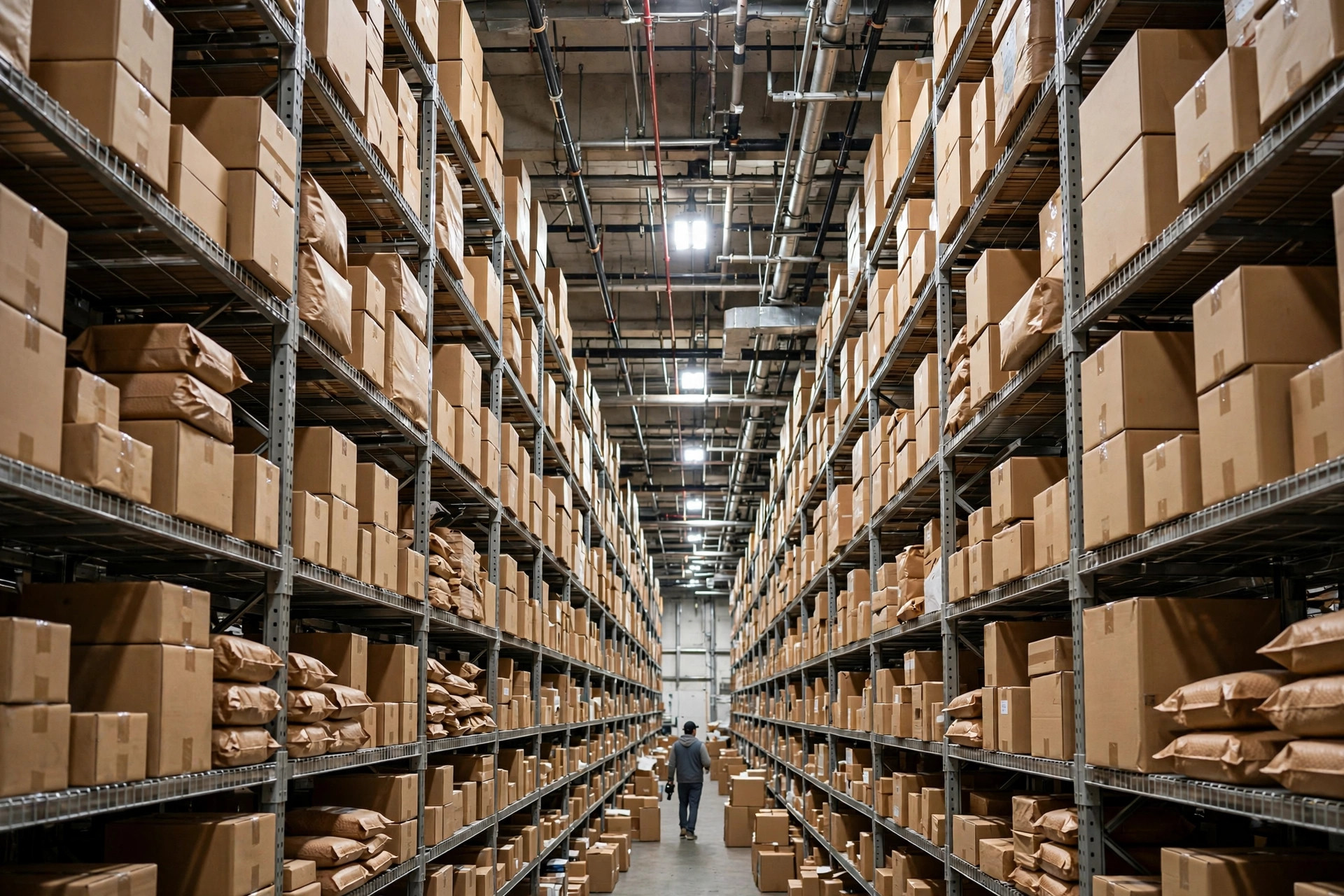
My rule of thumb: only SKUs with steady monthly sales and return rates under 10% earn a place in a US warehouse. Highly seasonal items riding one wave are a gamble — win and you make a season, lose and the storage bill teaches you the lesson.
Put a number on the cash question before you decide. Take a SKU with a $12 landed unit cost that you plan to stock 5,000 units deep in the US: that's $60,000 of cash converted to inventory on day one, plus roughly $3,000–$4,000 a month in storage and handling while it sells through. If it turns in 60 days, the math works. If it turns in 180, you've funded a very expensive experiment. Sellers with tight cash flow should cap any single SKU's US inventory at a fraction of their working capital — I use 15% as the ceiling — and never let one slow SKU endanger the payroll.
Gate three: compliance is a red line, not a checkbox
This gate is non-negotiable. Battery products, magnetized goods, liquids, powders, food, children's products — every category has a US compliance bar. Lithium-battery goods need a UN38.3 test report and hazmat declarations for ocean freight, no exceptions. Children's products fall under CPSIA, and a warehouse that accepts uncertified children's toys is risking a full seizure.
Too many sellers discover the problem after landing: the warehouse sees battery products, asks for the MSDS and certifications, and the paperwork doesn't exist — so the goods sit at the port racking up demurrage. I worked with an LED lighting seller whose shipment sat at Long Beach for three weeks over a missing FCC certification. Demurrage plus drayage ran past ten thousand dollars.
Add a "compliance file status" column to your selection sheet: certifications done? Reports current? Recognized by the US warehouse? A single "no" means fix the paperwork before the container ships. Compliance money spent early is a cost; spent late, it's a fine.
So what do you do with the SKUs that fail the checklist? Three exits. First, direct small-parcel or dedicated-line shipping from China — right for bulky goods, slow turners, and new products still proving themselves. Run the data before you commit inventory. Second, dropship through a US distributor who already holds stock: thinner margin, zero inventory risk. Third, the virtual-warehouse model — a US address on paper, actual fulfillment from China or Mexico, with slower delivery. It suits categories where buyers don't punish you for transit time.
Before you book: take your top 20 SKUs and fill in four columns — dim-to-actual weight ratio, estimated days of cover, category return rate, compliance file status. Which SKUs belong in America and which don't will stare back at you. Print it, pin it on the wall, and make it the first gate of every future restock decision — not a one-time exercise. And one question to sit with: of everything sitting in your US warehouse right now, how much of it went over because someone "thought it would sell"?