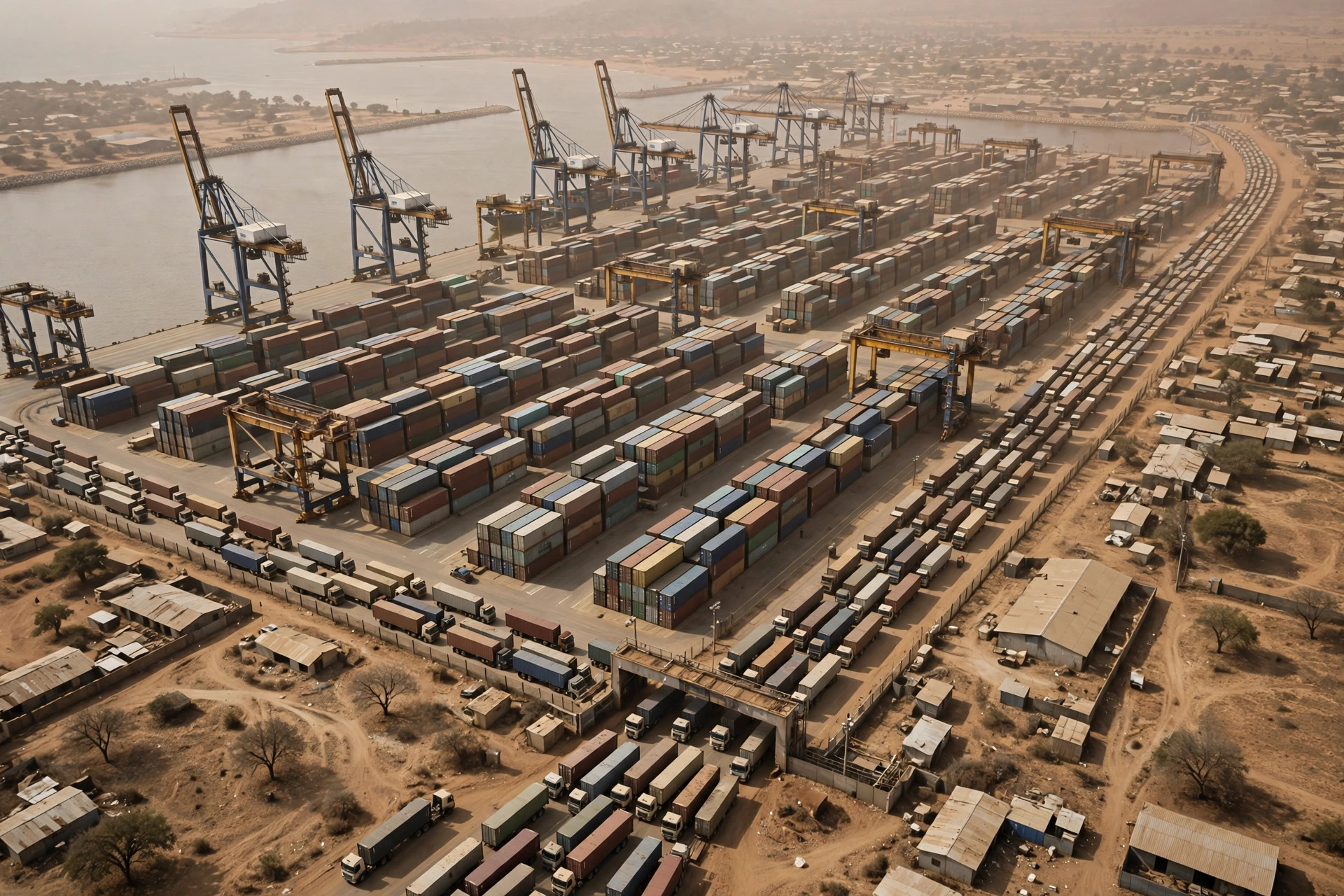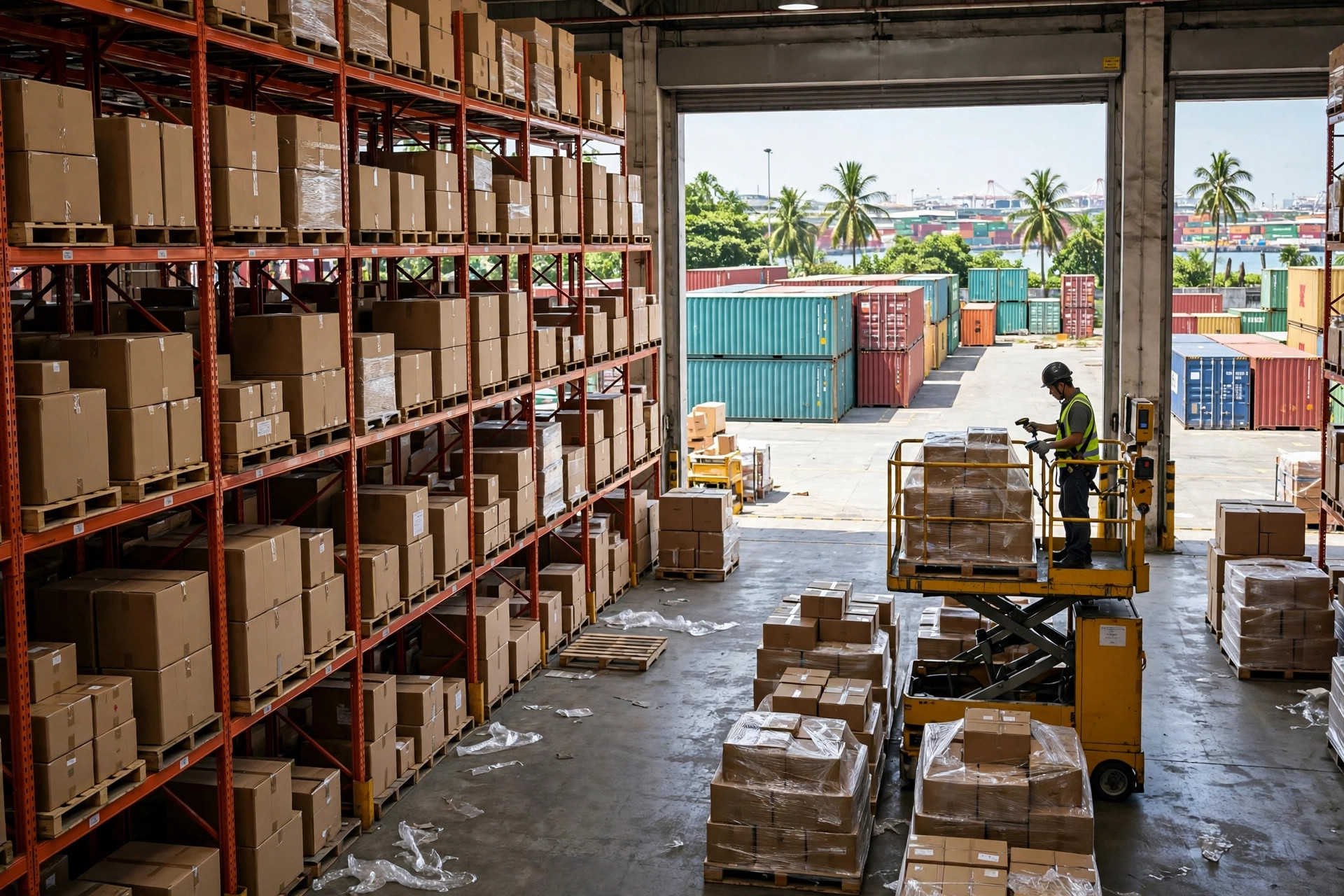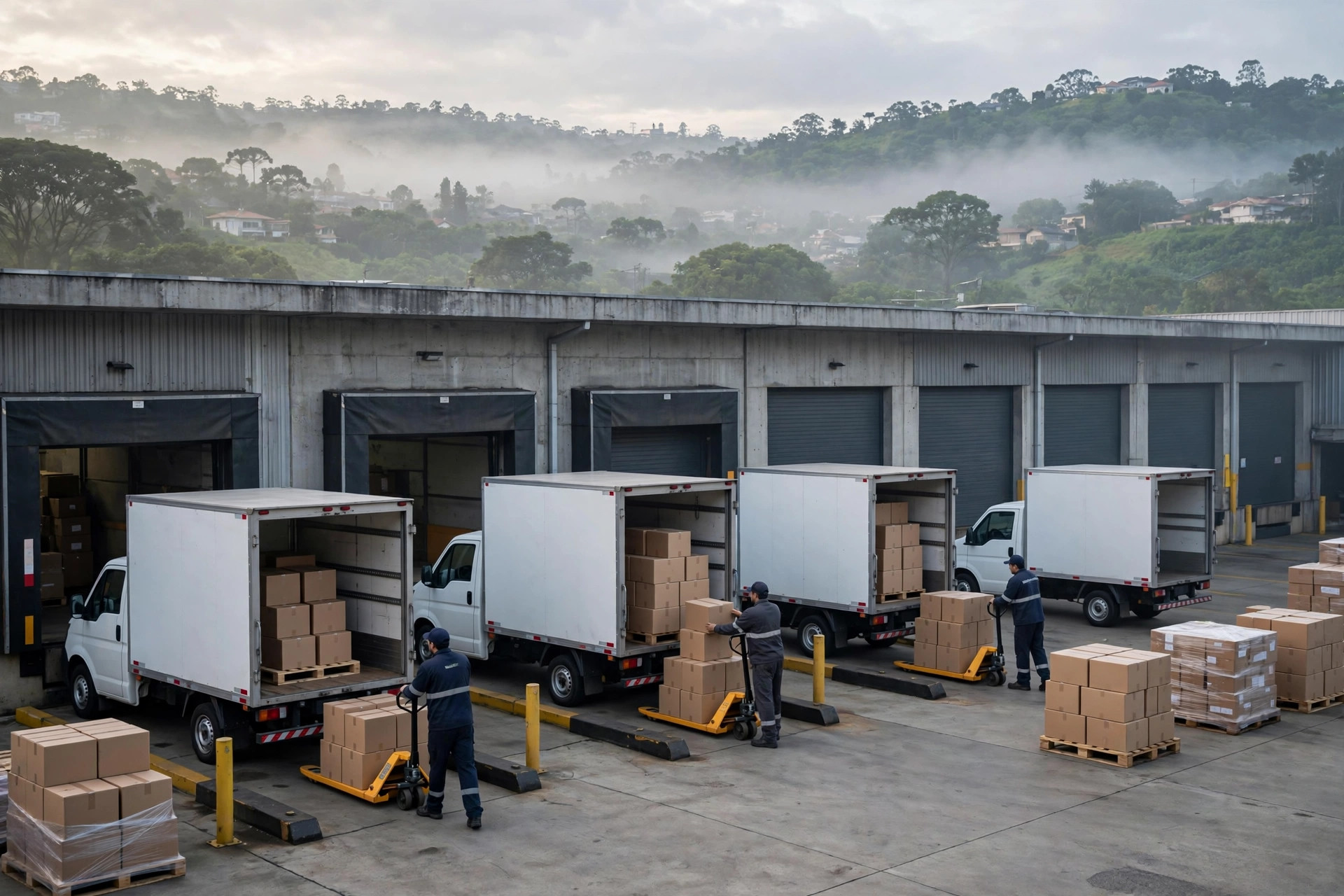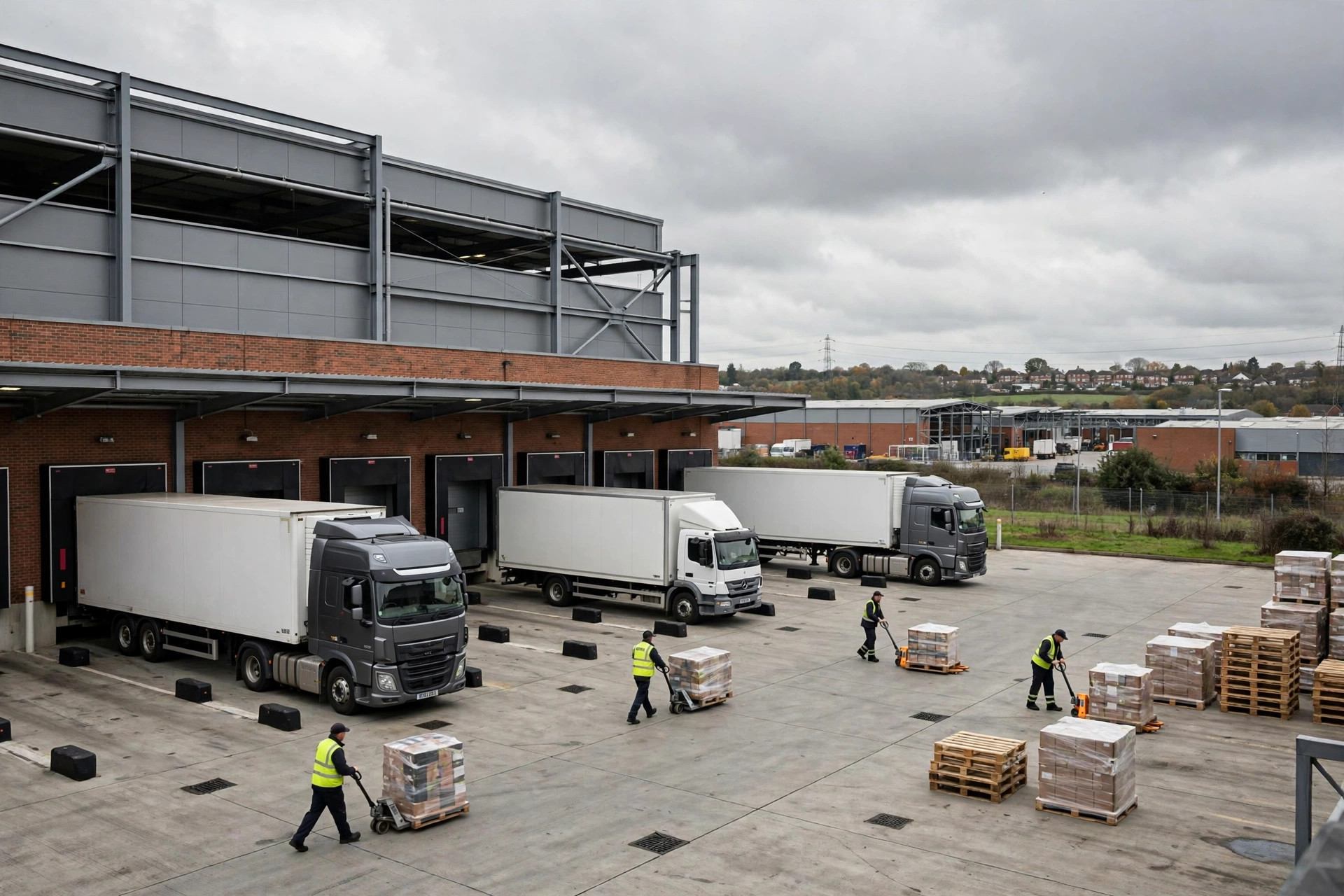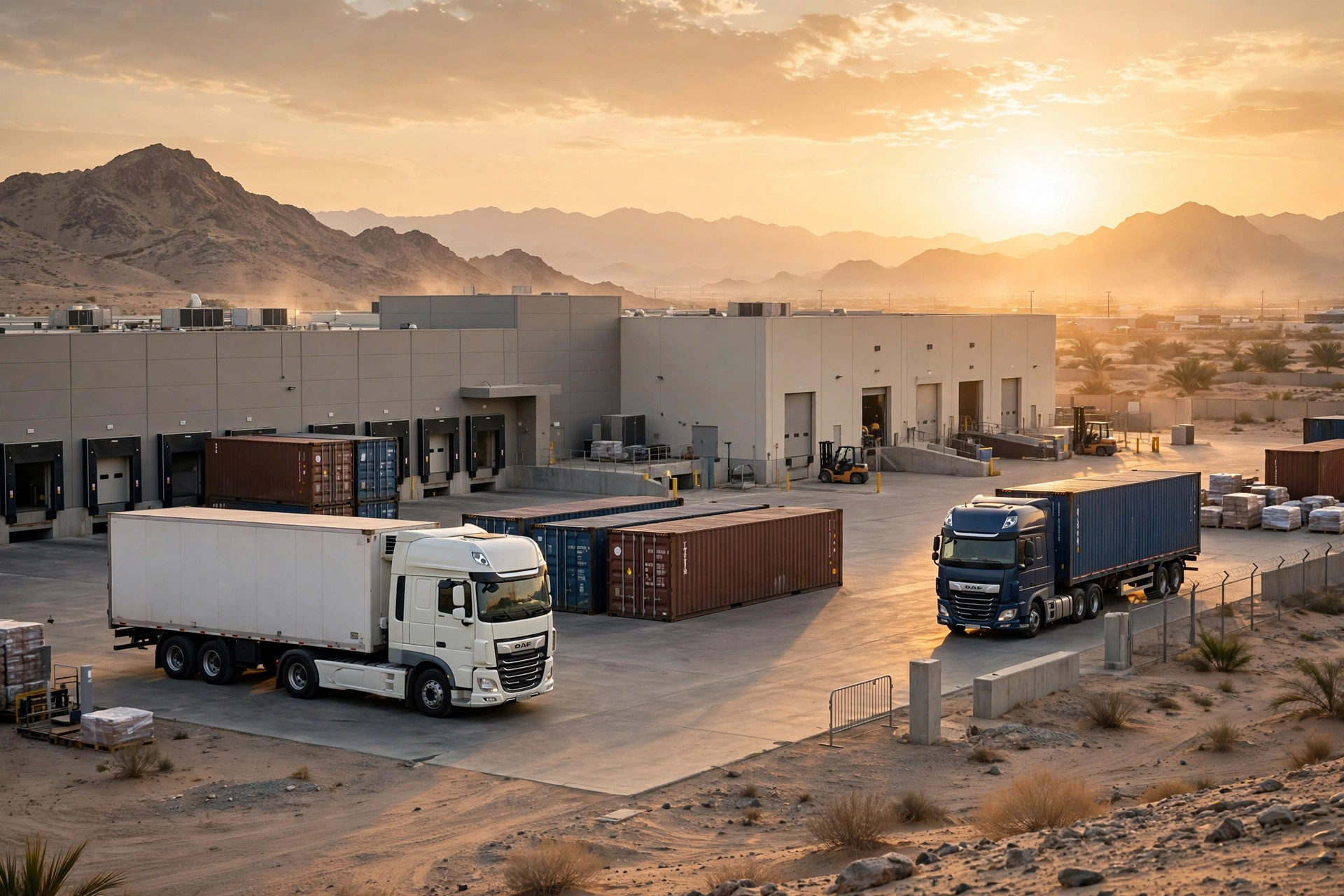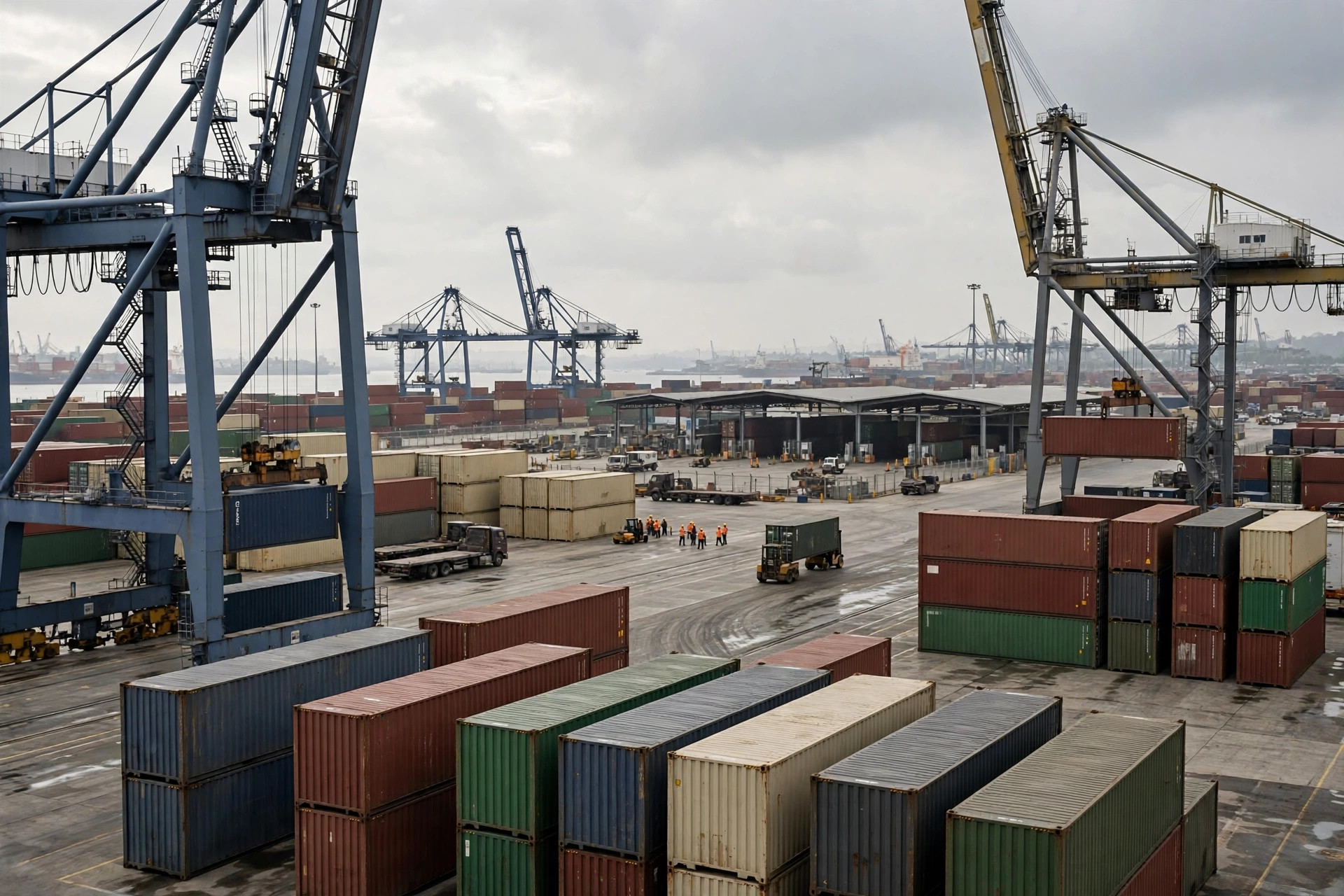
Here's the uncomfortable truth about shipping inventory to a US warehouse: if someone else's name is on the customs entry as the Importer of Record, that shipment is legally theirs. Not yours. Not when it matters — during an exam, a dispute, or an abandonment. I watched a Shenzhen home-storage seller learn this the hard way when his 40-foot container got pulled for exam at the Port of Long Beach, and I've seen the same movie play out a dozen times since.
The Importer of Record (IOR) is the party US Customs holds responsible for a shipment. Three things come with the title: you pay the duties, you own the accuracy of the declaration — a misclassified product or undervalued entry lands on you — and you control what happens to the goods, including cooperating with exams and signing off on abandonment. Most sellers only think about the first one. The second and third are where the real exposure lives.
Doing it yourself: all the pain is up front
Being your own IOR means forming a US entity, getting an EIN (the Employer Identification Number — essentially the company's tax ID), hiring a customs broker to file on your behalf, and, once volume steadies, buying a continuous import bond. One-off shipments can ride on a single-entry bond instead.
None of that is fast. Entity formation, waiting on the tax ID, vetting brokers, negotiating fee schedules — budget a couple of months. And brokers are not interchangeable: the shop that lives on e-commerce parcels quotes very differently from the one that handles full containers. That homework is unavoidable, and skipping it is how sellers end up with a broker who disappears the week before peak season.
But the payoff is all on the back end. Your duty chain is clean: your company pays, your company books the cost, and every entry is documented if you ever face an audit or want to claim duty drawback down the road. Tax advisors get visibly nervous when import costs can't be traced — I've watched it happen in meetings, and it's never a short conversation.
You hold the pen on exams and abandonment. Customs deals with you; your broker takes instructions from you. Exam fees, drayage, storage — you decide what gets spent. Nobody can hold a signature hostage over a fee dispute, which is exactly what happened to that Shenzhen seller: his forwarder, as the IOR on paper, refused to authorize release until every disputed charge was settled. With your own IOR, that leverage simply doesn't exist.
Compliance credentials sit under your name. Product categories touching FDA or EPA requirements build a record attached to your company — a genuine brand asset. Borrow someone else's IOR and that record belongs to them; switch providers and you start from zero.
Sales tax nexus stays clean too. Goods imported under your entity and stored in your leased warehouse space create a straightforward nexus picture with one clear filing party. States have gotten aggressive about remote-seller enforcement in recent years, and a muddled structure makes back-tax assessments genuinely painful. Rules move, so confirm current requirements with a tax professional.
Borrowing the warehouse's IOR: all the ease is up front
The appeal is obvious: zero setup, book the freight tomorrow. Sellers testing the waters — a few containers a year, business model unproven — mostly start this way. I get it.
Just be honest about what you're giving up. Legally, the importer is them, not you.
You lose the initiative on exams. Customs talks to the IOR. How eagerly your provider cooperates, which drayage carrier they call, how storage fees get negotiated — that's their schedule and their mood. When fees are disputed, they hold the signature and you hold nothing.
Your duty chain breaks. Duties are paid in their name with your money. How does that land on your books? How do you prove to an auditor that this duty payment maps to that shipment? Small sellers shrug; at scale, your tax advisor will not.
Their risk becomes your risk. I watched a warehouse land on Customs' heightened-scrutiny list, after which nearly every container entering under its IOR got pulled for exam. The cargo owners were furious — their goods were fine; it was the name on the entry that was the problem. With freight already on the water, switching IORs midstream wasn't an option.
And abandonment is where you're weakest. Cargo you don't want to claim, or a falling-out with the provider — abandonment needs the IOR's signature. Some providers monetize that moment with "expedited handling fees" priced entirely on vibes, and you have no leverage to push back.
My take: it depends on stage, but the direction is one-way
The verdict: if you're serious about the US market for the next three-plus years, your own EIN and your own IOR are a matter of when, not if. Earlier beats later. The EIN application itself isn't hard — current procedure and timing are on the IRS site — the hard part is deciding to treat compliance as real work instead of paperwork to dodge.
Still testing? A few containers a year, business model unproven — borrowing is defensible, but get three things in writing. First, the contract should spell out who signs in exam, storage, and abandonment scenarios, how those fees are calculated, and whether there's a cap. Second, ask point-blank whether that IOR has any enforcement history — don't borrow a flagged name and condemn your own freight to exam-every-time. Third, set yourself a conversion trigger: hit a certain monthly container count and you switch to your own IOR. Don't let "temporary" quietly become permanent.
One operational note on the switch itself: during the transition months you'll have in-transit freight under the old IOR and new arrivals under yours. Your broker, forwarder, and warehouse all need to be aligned on which entity owns which shipment — otherwise you get the nightmare scenario of landed cargo that nobody will claim.
The honest summary: every dollar of setup cost you save by borrowing an IOR gets repaid with interest the day something goes wrong. I've seen too many sellers think seriously about "whose freight is this, legally" for the first time when the exam notice lands. Don't wait for that phone call to start doing the homework.