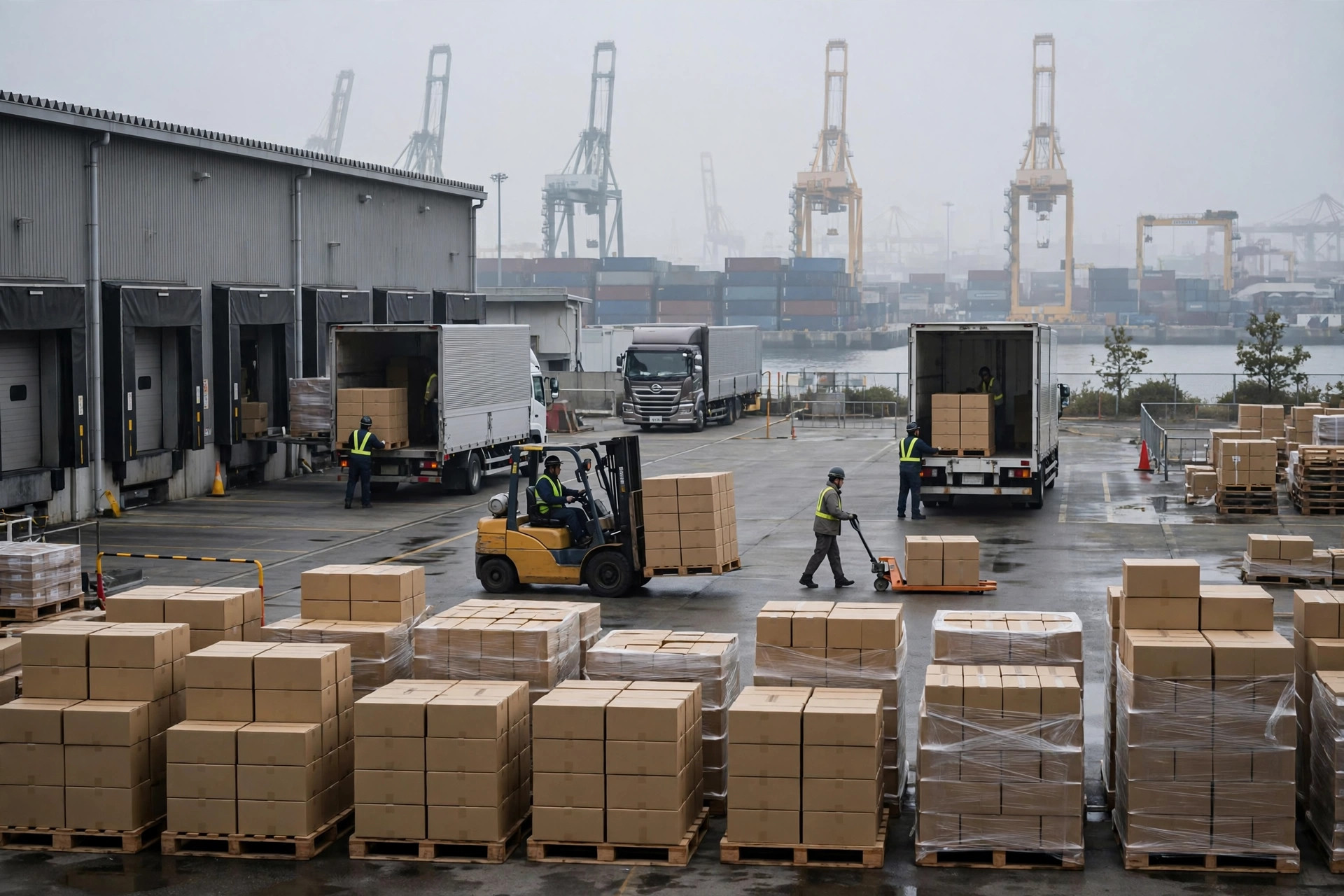
Forget the glossy brochures about osaka warehouse market logistics for a minute and look at the bank balance instead. My warehouse is 3,000 square meters, my team is seven people, and I own two forklifts. Every yen on my books has a name attached to it. When a friend asked me last year whether he should set up near the Osaka port — the closer the better, right? — I told him to hold on and spread a full year of costs across the table first. Port, airport, inland distribution: all three roads look open, but they charge very different tolls.
We small warehouses cannot afford to burn money on a fancy address. Big companies talk about strategic networks and coverage maps. We talk about something simpler: when a container lands, can we ship it out that same night, and after rent and labor at month's end, is there anything left for dinner? The Kansai region gives you plenty of choices, which is both the good news and the trap. Pick the wrong spot and you can work a whole year for your landlord.
The Osaka Warehouse Market Logistics Choice: Port, Airport, or Inland?
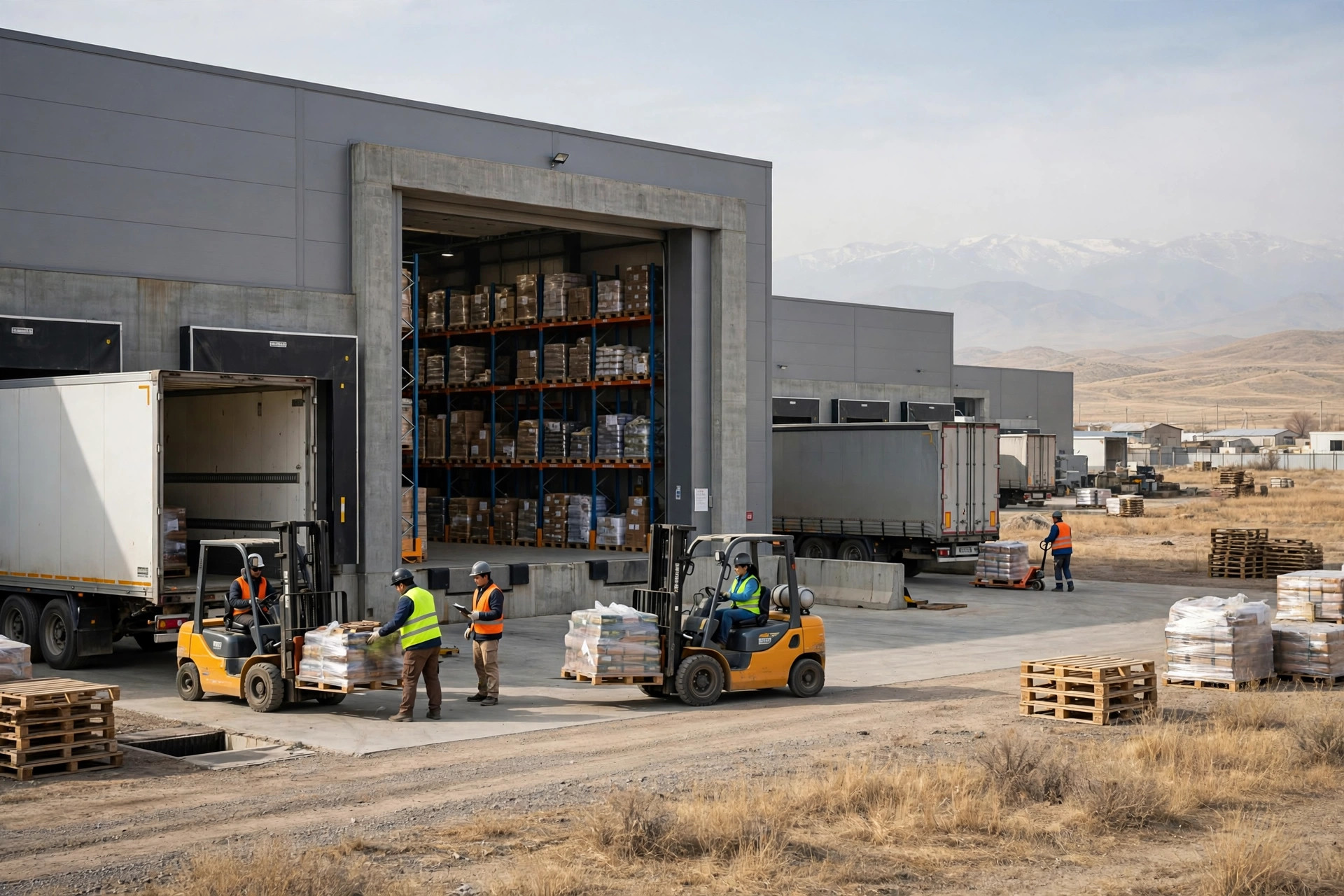
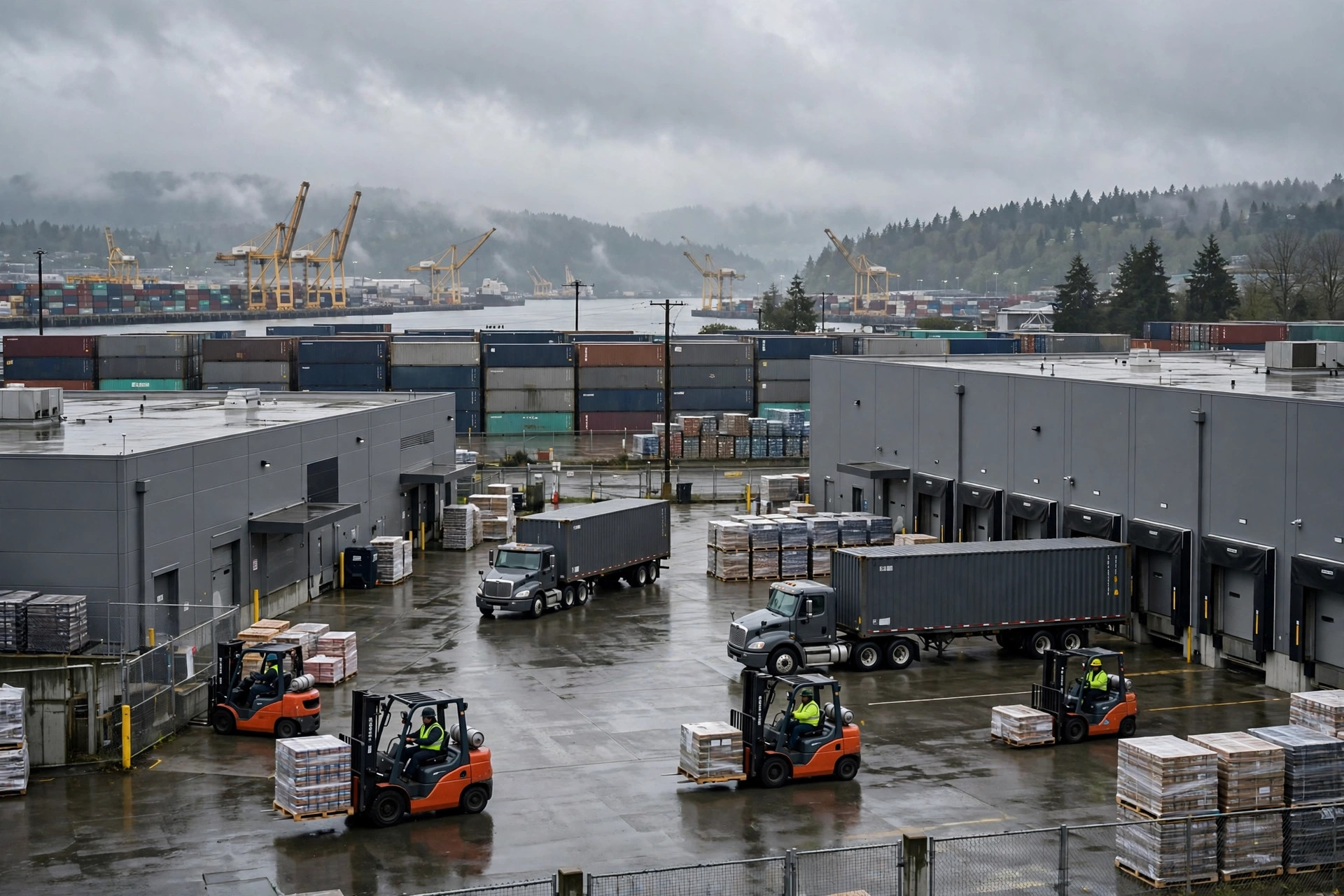
In autumn 2024, a cross-border seller friend of mine, A-Zhe, toured a warehouse near the Osaka port. The location was unbeatable on paper: containers arrived in the morning and could be broken down the same afternoon. He ran the numbers and liked what he saw — less trucking, less waiting around for containers. Then the quote arrived, and his hands shook a little. Rent near the port ran far above inland rates, and on top of that came queuing at the gate and extra hands needed to watch appointments in peak season. His volume was modest, just a few containers a month, so the warehouse cost per container actually came out higher than his old setup. He walked away and rented a small inland warehouse instead, running a fixed twice-weekly trunk route from the port. Same containers, steadier schedule, calmer life.
I made a similar mistake myself this spring. A shipment landed on a weekend, port pickup queued up, and I grabbed short-term storage near the port in a hurry. The space was there, sure, but it was billed by the day, labor was billed separately, and the goods sat two extra days. The bill for that little detour was a painful surprise. Lesson learned: if your volume is not big enough, being close to the port is not an advantage. It is a luxury. The airport area works the same way in reverse. It is fast, and it suits small, high-value, urgent shipments. But if your goods arrive by sea in bulk, renting next to the airport is like paying taxi fare to catch a bus. Wrong vehicle entirely.
Order geography matters too. Kansai is not just Osaka city. Orders scatter across Kobe, Kyoto, and Nara, and a port-side warehouse means delivery vans running in three directions every day, burning fuel and driver hours. An inland site sits more centrally, the three directions balance out better, and routes are easier to plan. One of our customers runs exactly that way: goods land at the port, then fan out in three directions from the inland warehouse, and even peak season stays orderly.
Here is the comparison I hand to other small operators:
| Location | Best for | Where it hurts | Small-warehouse play |
|---|---|---|---|
| Near the port | High volume, unload and ship same day | High rent, peak-season queues, tight labor | Only when volume justifies it |
| Near the airport | Small lots, urgent, high-value goods | Rent is not low, units tend to be small | Urgent goods only, bulk elsewhere |
| Inland distribution | Covering several Kansai cities, scattered orders | One extra trunk leg | Fixed-schedule trunk route plus off-peak receiving |
Don't Get Fooled by "Close to the Port" in Osaka
Here is the counterintuitive part, and I will say it plainly: for a small warehouse, the site closest to the port is often the most expensive one. The trucking you save gets eaten by rent and by the labor spent waiting on containers. What you should compare is the full trip: rent, labor, trucking, waiting time, and overtime for peak days. Add all five. Lowest total wins.
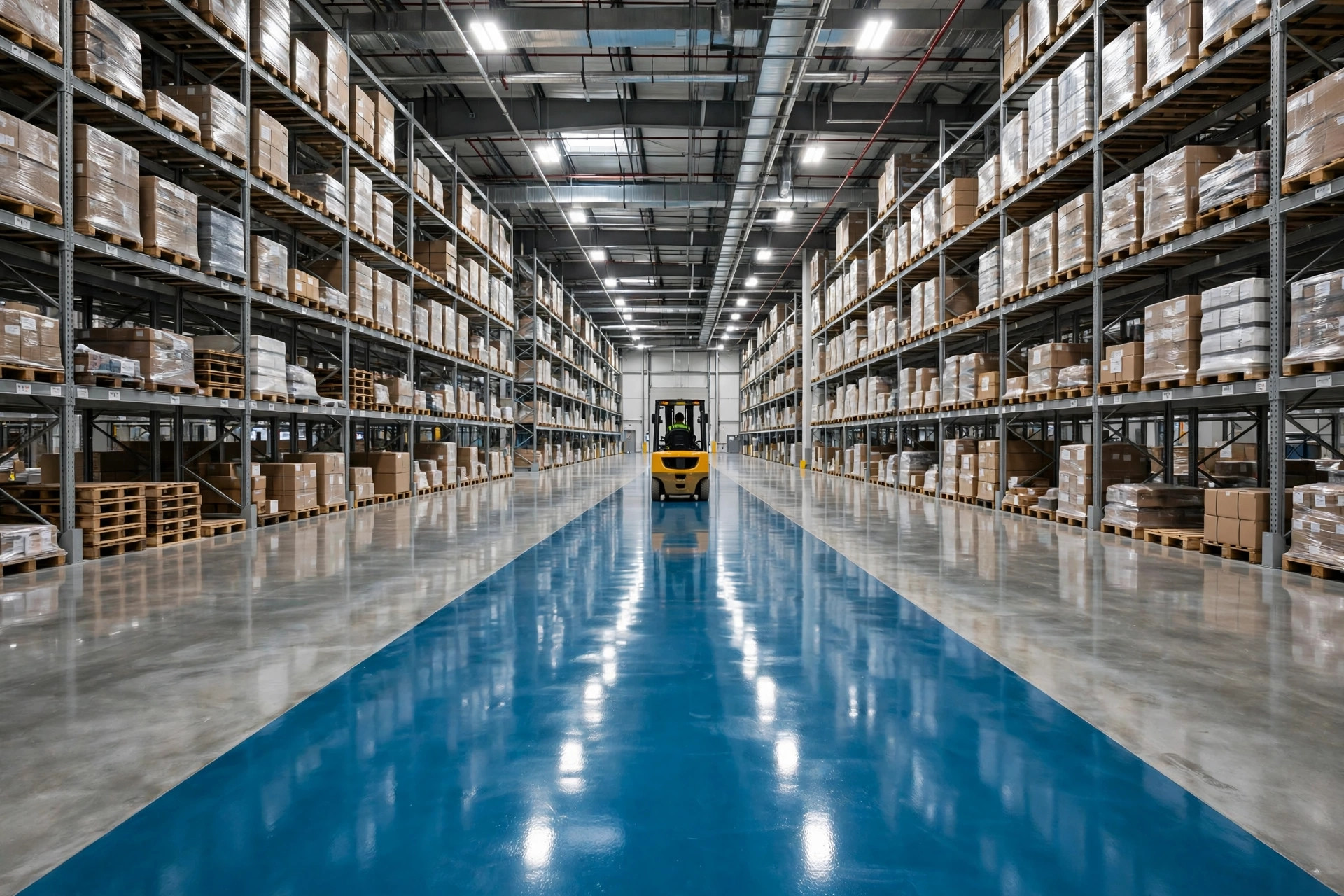
Our workaround is embarrassingly low-tech, and it works. First, do not rent big for the sake of big. Our 3,000 square meters sounds small, but we worked the racking heights and aisle widths hard: fast-moving goods live by the door, slow goods go deeper, and our shipments per square meter hold up fine against bigger sites. Second, we schedule transport instead of chasing speed. We booked a fixed twice-weekly trunk run with one carrier from the port direction to our inland warehouse — fixed time, fixed price, a driver who knows the dock. Fewer lost or mixed-up shipments that way. Third, we receive off-peak. When deliveries pile up on weekends or the start of the month, we reschedule with suppliers in advance and dodge the most expensive labor days. Put together, the same shipment now goes from port arrival to outbound in two fewer days of fuss than the old port-side storage scramble, without adding headcount.
Hiring deserves its own warning. Labor near the port and airport is fiercely contested, while inland hiring is a bit easier — though a longer commute still counts against you. Our fix is boring and effective: regular shifts, so part-time staff can count on coming in, which cuts turnover fast. Wage levels vary a lot by area, so check the latest local rates before you budget, and do not build a plan on some old figure from the internet.
One more trick: share deliveries with the neighbors. Two small warehouses next to us ship in the same direction, so for Kyoto-bound orders we share one van, split the cost three ways, and nobody pays for a half-empty truck. It sounds scrappy. At month's end, when the delivery bill drops visibly, it stops sounding scrappy. That is the small warehouse edge: a small boat turns fast, and a deal can be settled over dinner instead of three rounds of meetings.
Advice for Small Operators Eyeing Osaka
If you are scouting osaka warehouse market logistics for your own operation, write these four cost lines down before you sign anything. First, rent: calculate it by the year, not by the month, and include peak-season surcharges and any short-term storage. Second, labor: whether you can hire people and keep them matters more than the hourly rate alone. Third, transport: count all three legs — drayage, trunk, and last-mile delivery — not just one. Fourth, time: how many days from port arrival to outbound, and what does one day late actually cost you? Most small operators have never calculated that last one.
My judgment is simple: for modest volume and scattered orders, start with an inland distribution warehouse. When volume grows and your goods genuinely need unload-and-ship at the port, move closer to the port then. Keep the airport area for the truly urgent stuff. Get the order backwards and you are working for the landlord.
When you tour a site, do not just look at floor area. Check whether the dock is big enough, whether trucks can turn around easily, and whether rainwater pools anywhere. You only discover those pains after moving in, so visit twice before signing — it beats three months of arguing later.
Small warehouses have their own way of surviving. We do not outbid big companies for location. We win on careful math and steady shipping. A location can be moved later; a bad cost calculation is far more expensive to fix.
By Xiao Ma, Small Warehouse Owner