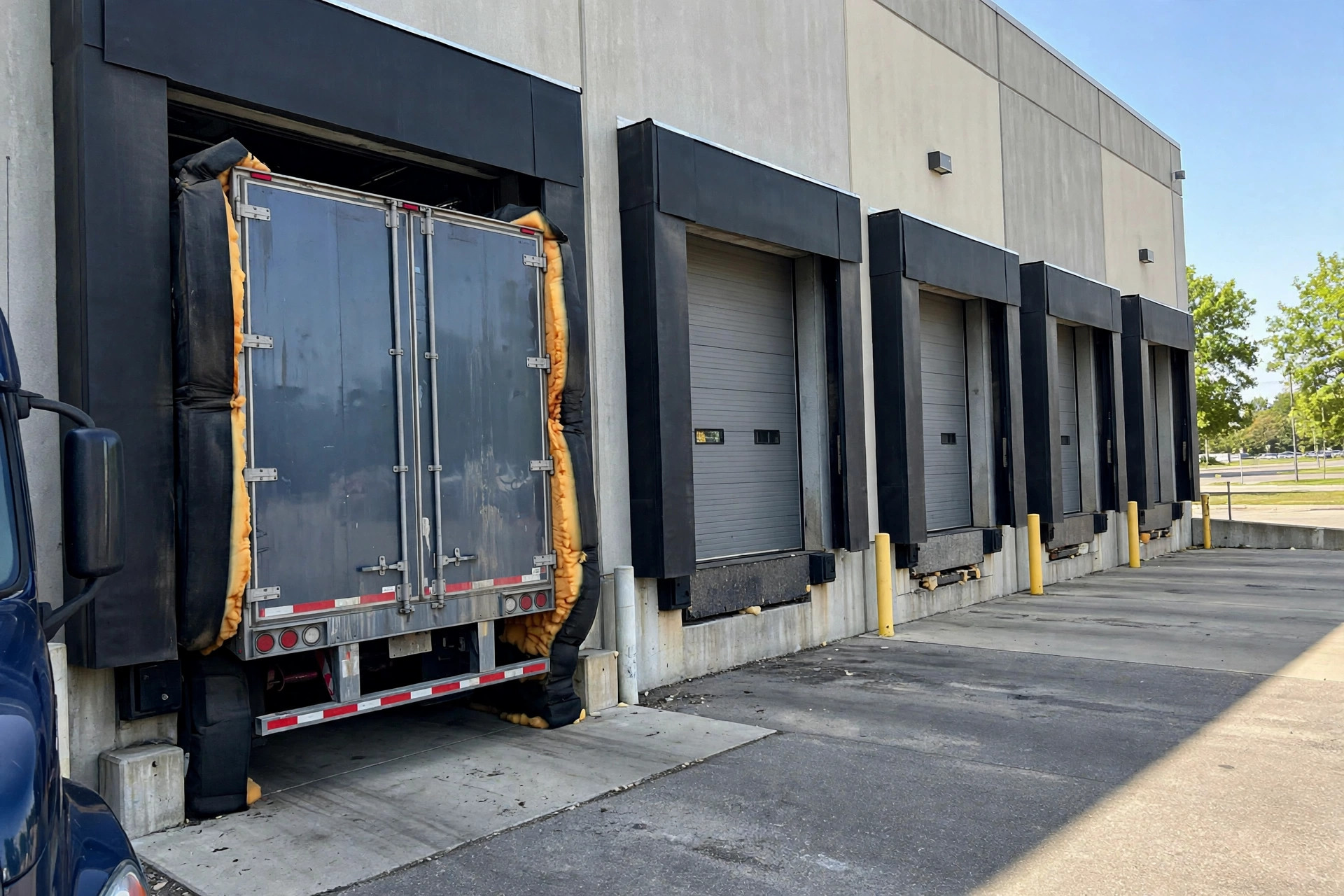
The biggest enemy of organic peroxide warehouse storage isn't open flame. It's temperature. Last August, while doing an automation walkthrough at a glue distributor's warehouse east of Los Angeles, I saw a pallet of drums placarded 5.2 sitting by the dock door, baking in the sun. The wall thermometer read 100°F (38°C). My back went cold. This isn't a management problem anymore — it's a thermodynamics problem. Past a certain temperature, this stuff lights itself. Nobody needs to strike a match.
Class 5.2 is organic peroxides, UN numbers 3101 through 3120. When an automation guy looks at them, my first thought is: this product ships with its own built-in thermal protection parameters, exactly like the over-temperature protection on a VFD. Except when its "trip" fires, it doesn't shut down. It catches fire. Let me walk through those parameters properly.
First, the physics: SADT is the product's thermal trip point
SADT — self-accelerating decomposition temperature — is defined as the lowest ambient temperature at which self-accelerating decomposition can occur in the commercial packaging. Think of it as a CPU's Tjmax: push a chip past its junction temperature and it throttles, then dies. Push an organic peroxide past its SADT and the heat of decomposition can't escape, so it decomposes faster, which makes more heat, which makes it decompose faster — thermal runaway. No off switch.
The UN Recommendations on the Transport of Dangerous Goods give a conversion table. SADT directly determines two critical temperatures:
| SADT | Control temperature (Tc) | Emergency temperature (Tem) |
|---|---|---|
| ≤ 20°C | SADT − 20°C | SADT − 10°C |
| 20°C – 35°C | SADT − 15°C | SADT − 10°C |
| > 35°C | SADT − 10°C | SADT − 5°C |
Take a product with an SADT of 35°C: its control temperature is 20°C, its emergency temperature 25°C. In other words, anything above 20°C in your warehouse should already be raising alarms, and above 25°C you're in incident territory. A Los Angeles warehouse in August sits at 30°C+ without trying — two bands past the alarm line.
One more rule of thumb: reaction rates roughly double for every 10°C rise (the Arrhenius rule). So "just a few degrees warmer" is not a small deal for Class 5.2 — it compounds exponentially. The US Emergency Response Guidebook, Guide 148, puts it bluntly: these materials "may explode from heat, contamination or loss of temperature control," and above the control temperature they "may decompose violently and catch fire."
Three temperature red lines for organic peroxides: Tc, Tem, and maximum storage temperature
Physics understood, now the three lines on the warehouse floor. Don't mix them up.
Line one: maximum storage temperature (Ts max). Printed on the manufacturer's label. This is your everyday operating limit. Line two: the control temperature, Tc. Cross it and emergency procedures start — think of it as the alarm setpoint on a drive. When it sounds, somebody goes and looks. Line three: the emergency temperature, Tem. Past this you're in an incident — the equivalent of a fault trip. The machine has already protected itself; if nobody shows up, it's too late.
Four actions that actually work in a warehouse, straight from engineering habit:
First, at receiving, copy four numbers off the label — Ts max, SADT, Tc, Tem — and post them on the location placard. Like an equipment nameplate: no parameters, no startup. Four numbers missing, no putaway.
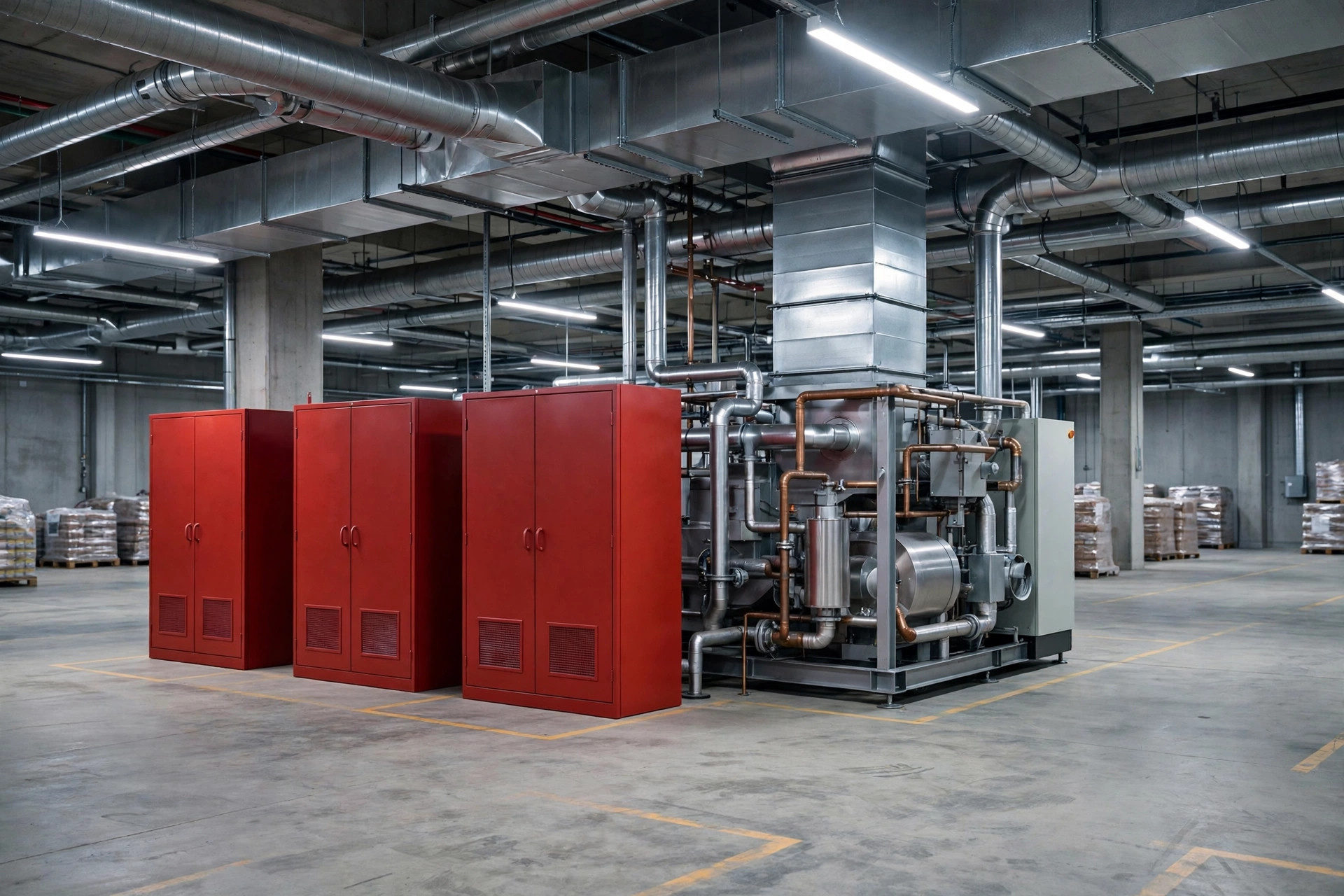
Second, give the product a temperature-control field in the WMS. Over-temperature locks the location and fires an alert automatically. Think of it as building a small temperature-control PLC just for this SKU. The logic is trivial, but it has to exist.
Third, at least two probes on independent loops. Would you let a conveyor's critical interlock run on a single sensor? No. So why would you let a whole batch of peroxides share one temperature probe? Probes die, get blocked by pallets, work loose — the system reads 72°F while the actual product sits at 95°F. I've seen it.
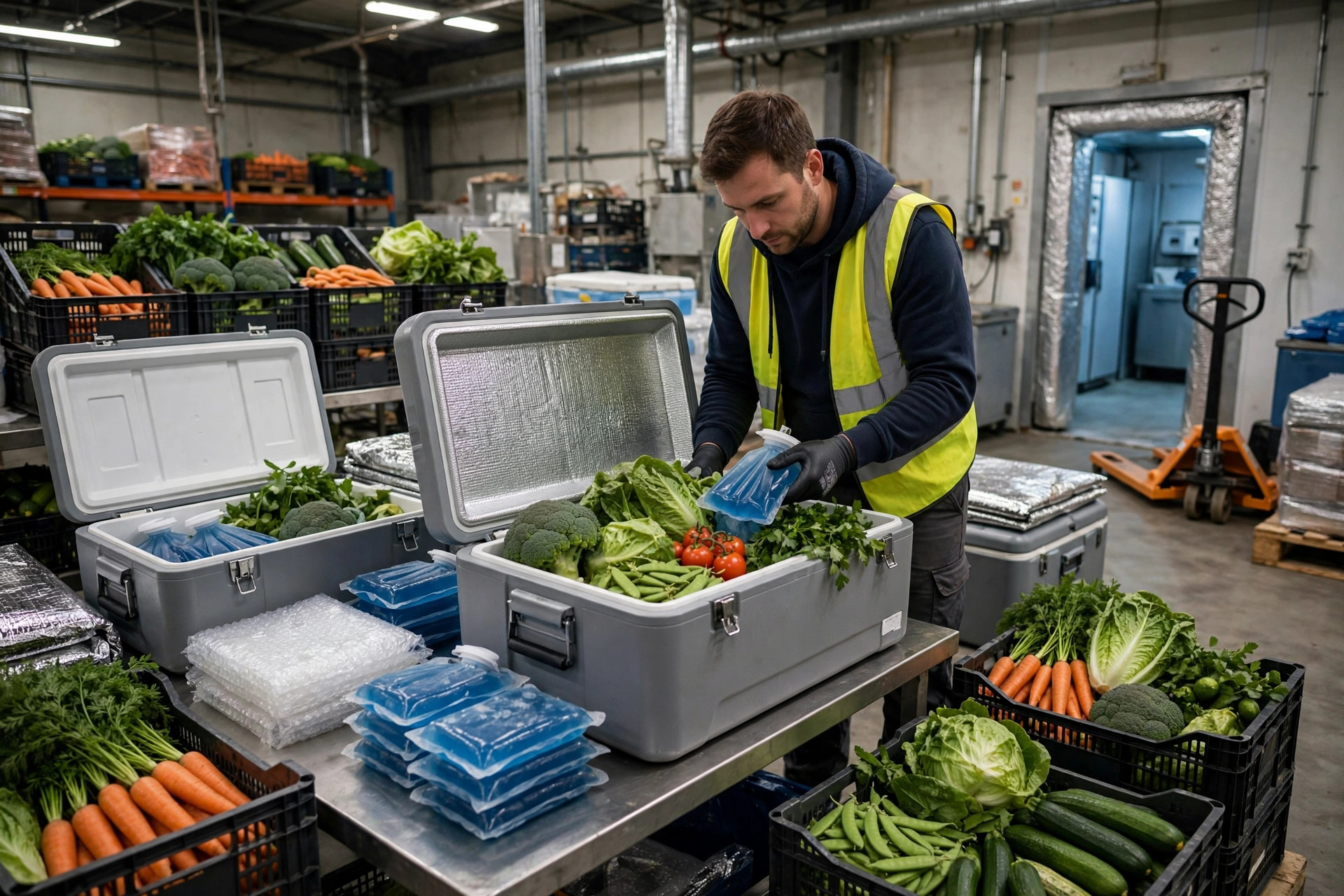
Fourth, a power-loss plan. Temperature control runs on electricity; when the power's gone, your red lines are paper. Backup power and backup refrigeration aren't options.
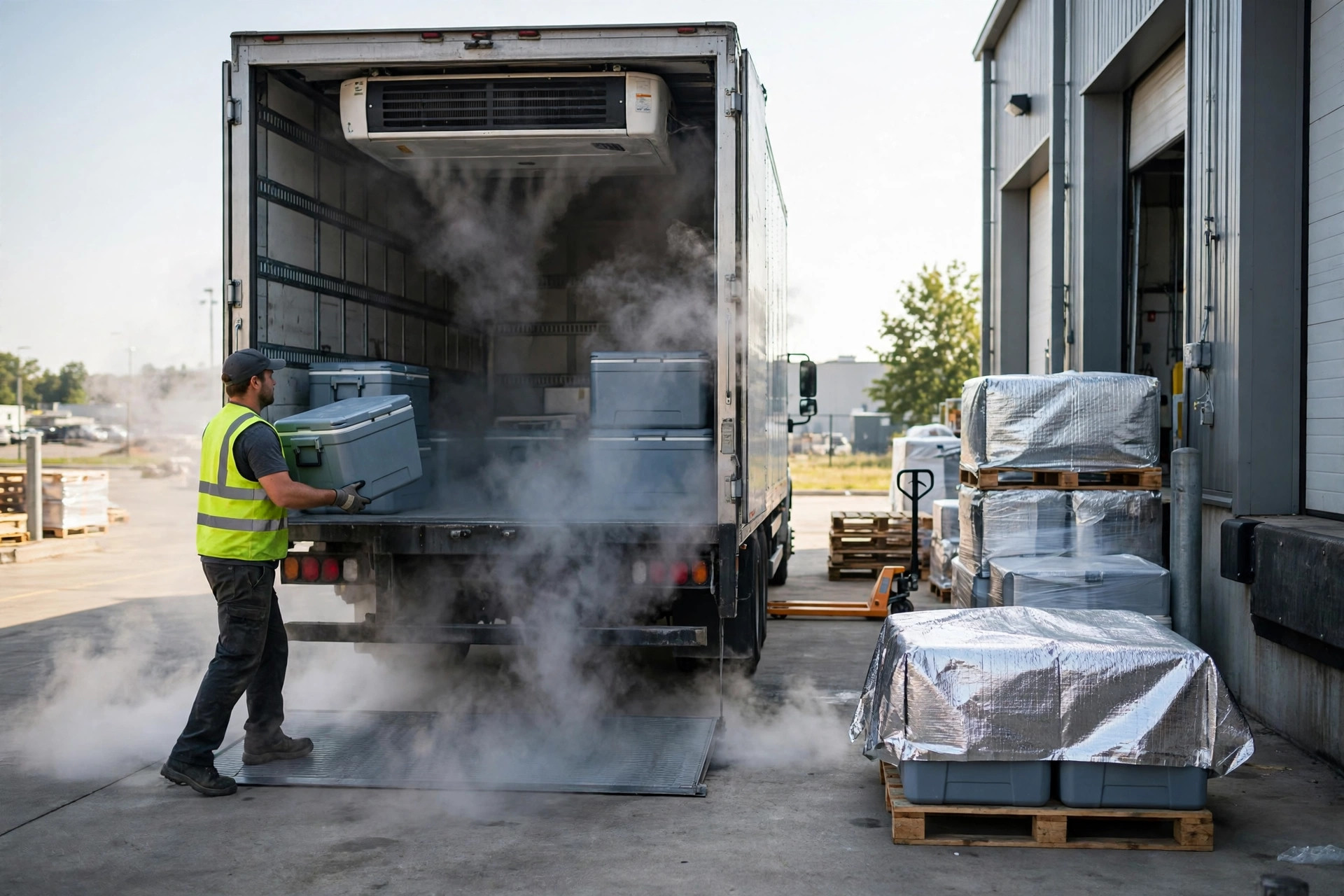
What does losing temperature control actually cost? Look at Arkema in 2017. On August 31, Hurricane Harvey flooded the Arkema chemical plant in Crosby, Texas. The site warehouse held about 159,000 kg of organic peroxides that had to stay refrigerated — some products required storage below 32°F (0°C). Floodwater killed main power, then drowned the backup generators, which sat only 2 feet (about 60 cm) off the ground while water rose past 3 feet (about 90 cm). Workers hand-carried roughly 10,000 containers through driving rain into nine refrigerated trailers. Three trailers still flooded, lost refrigeration, and the product inside heated up and caught fire. It burned for five days. More than 200 nearby residents were evacuated, and 21 people — mostly first responders — sought medical treatment for smoke inhalation. The US Chemical Safety Board's final report, released May 24, 2018, landed the damning line: the emergency plan never addressed what to do with this inventory in a flood.
The lesson for warehouses is one sentence: the moment temperature control is lost, the incident countdown starts. If your plan says "call the electrician when power fails" but not "where does this product go when refrigeration dies," you don't have a plan.
Segregation red lines: organic peroxides' enemies list
Temperature handled, now the neighbors. Organic peroxides are strong oxidizers and chemically touchy. Three things they can't be around:
First, reducing agents, acids, bases, oxidizers — plus amines and transition-metal salts. Second, rust, ash, and dust. Yes, ordinary warehouse dust can accelerate decomposition of some peroxides. Third, the building itself: copper, brass, aluminum, and ferrous metals must never be used in structures contacting peroxides — they induce decomposition.
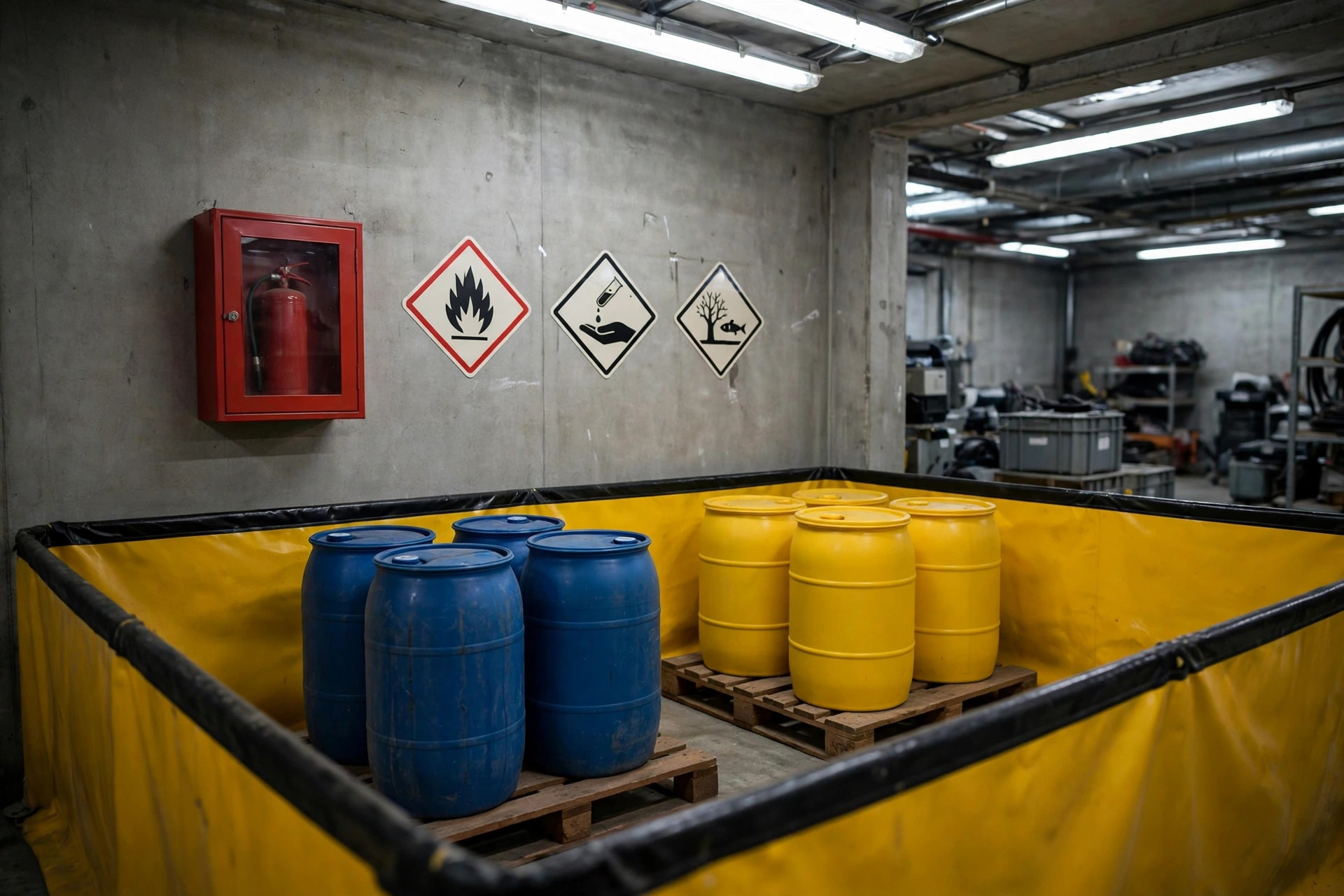
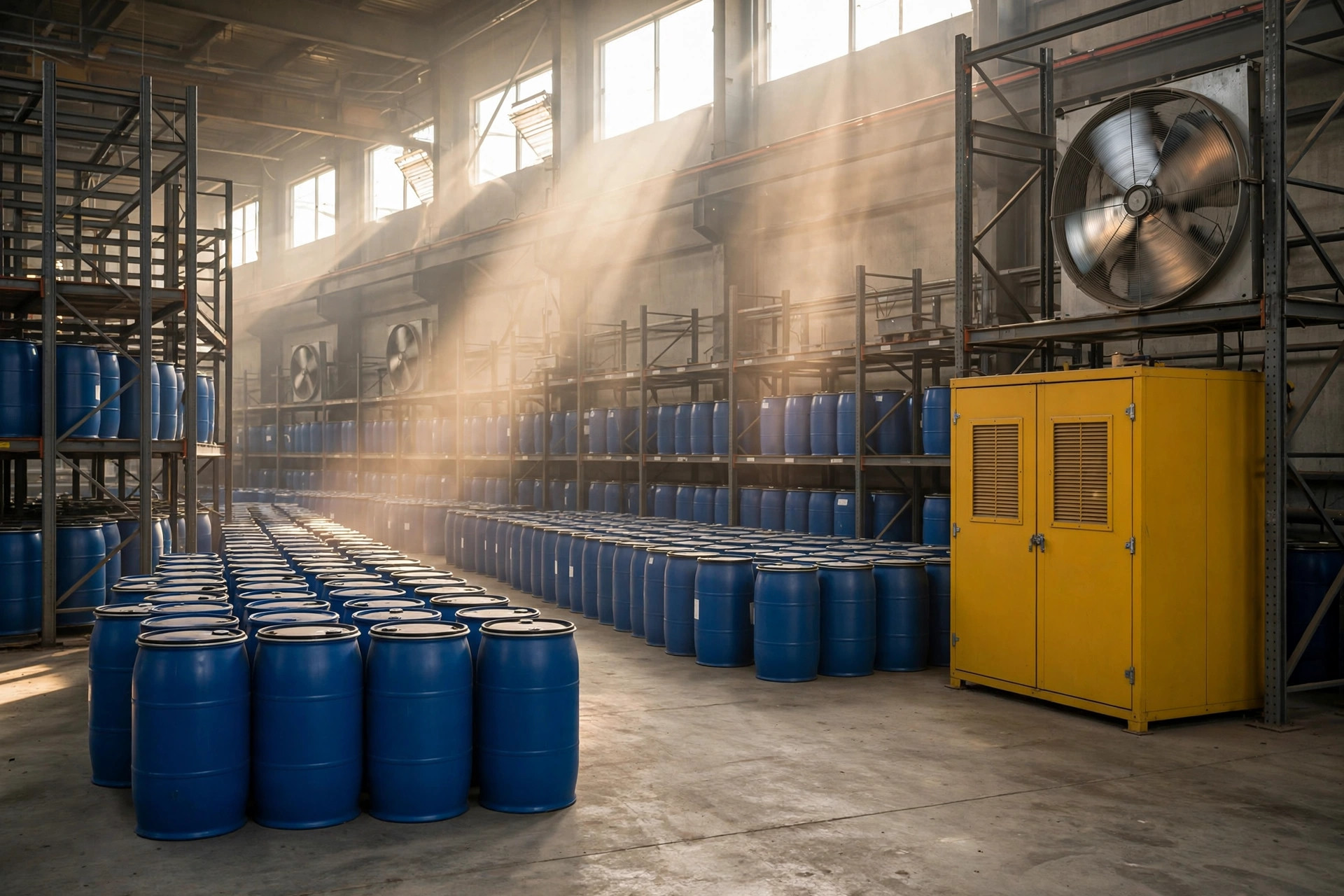
So segregation is specific: keep away from all combustibles and heat sources; separate different peroxide formulations from each other to prevent mix-ups; no other materials in the storage building; keep everything in the manufacturer's original shipping containers — no decanting into random drums. US federal regulation 49 CFR 176.400 requires Division 5.2 to be kept "as cool as reasonably practicable," and even products not requiring temperature control must sit in a "cool, well-ventilated area," away from combustibles.
Buildings go by NFPA 400: peroxides are sorted into six classes — I, IIA, IIB, III, IV, and V — by transportation type and burn-rate data, with Class I carrying the strictest storage rules. Storage buildings need automatic sprinklers, vent panels or pressure-relief design, and distance from heat and ignition. One rule most people miss: spill cleanup. The right absorbents are calcium carbonate, sodium bicarbonate, clean sand, and polypropylene pads. Never use Oil-Dri, vermiculite, or peat moss — they accelerate decomposition. That's pouring fuel on the fire, literally.
Here's the counterintuitive one: decomposing peroxides release their own oxygen, so conventional smothering barely works. And Arkema's own published data lists one product with a flash point of 97.7°F (36.5°C) — roughly body temperature. A non-air-conditioned Texas warehouse in August can touch that number on ambient heat alone. That's why I call this the most unreasonable class of cargo.
Then there's the regulatory math. OSHA's PSM standard, Appendix A, names several organic peroxides outright: tert-butyl hydroperoxide, cumene hydroperoxide, and diacetyl peroxide above 70% concentration, all at a 5,000-pound threshold; dibenzoyl peroxide at 7,500 pounds. Hit the threshold and the full PSM program kicks in — hazard analysis, operating procedures, emergency planning, all of it. That's not guidance, it's federal law. Check the current regulatory text before expanding storage.
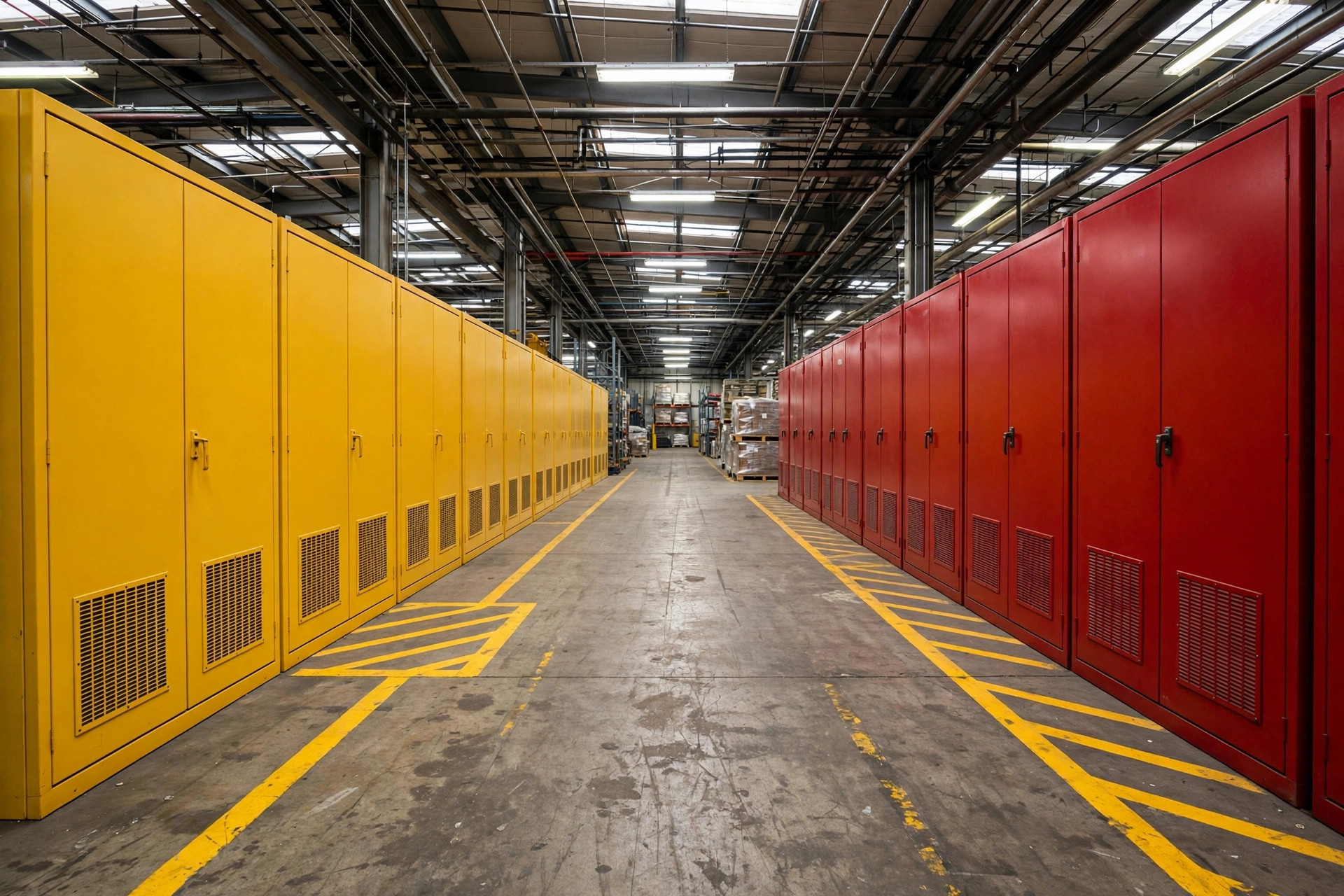
Let me fire one shot at a pseudo-requirement I keep hearing: "buy a flammables cabinet and we're compliant." A cabinet handles small-quantity staging. It does not solve building-level pressure relief, sprinklers, probe redundancy, or segregation distances. Treating a cabinet purchase as a compliance strategy is reducing systems engineering to a shopping trip — and it falls apart the moment an inspector walks in.
Whether this money is worth it comes down to one number: 32°F. Some product labels say exactly that — store below 32°F (0°C). Can you guarantee this pallet stays below that number 24 hours a day, 365 days a year — including the night the power goes out? If not, don't take the order. If you do, work through the four actions above, one by one, until they're all done.
By Da Liu, Automation Engineer