Let me tell you what happened last month.
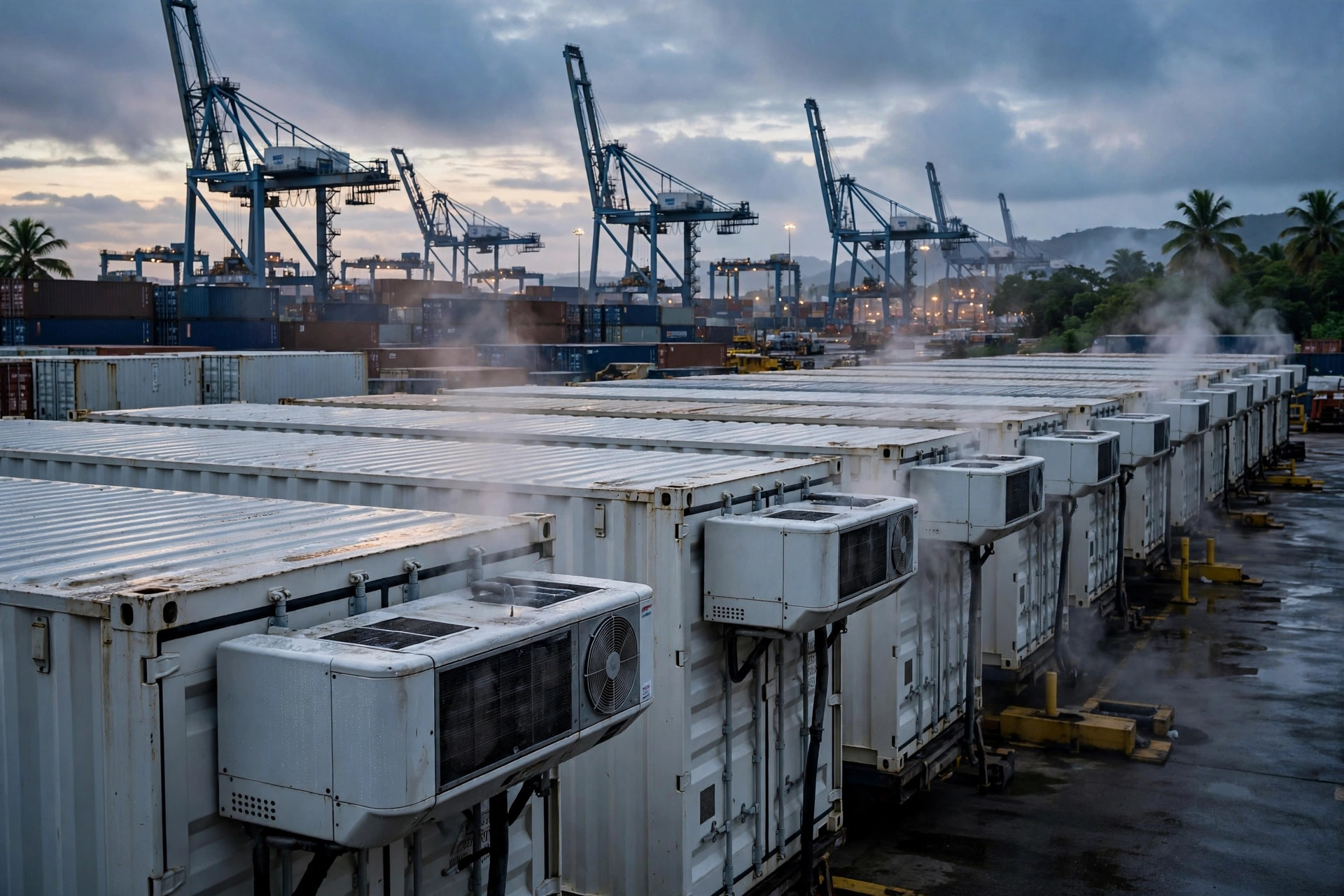
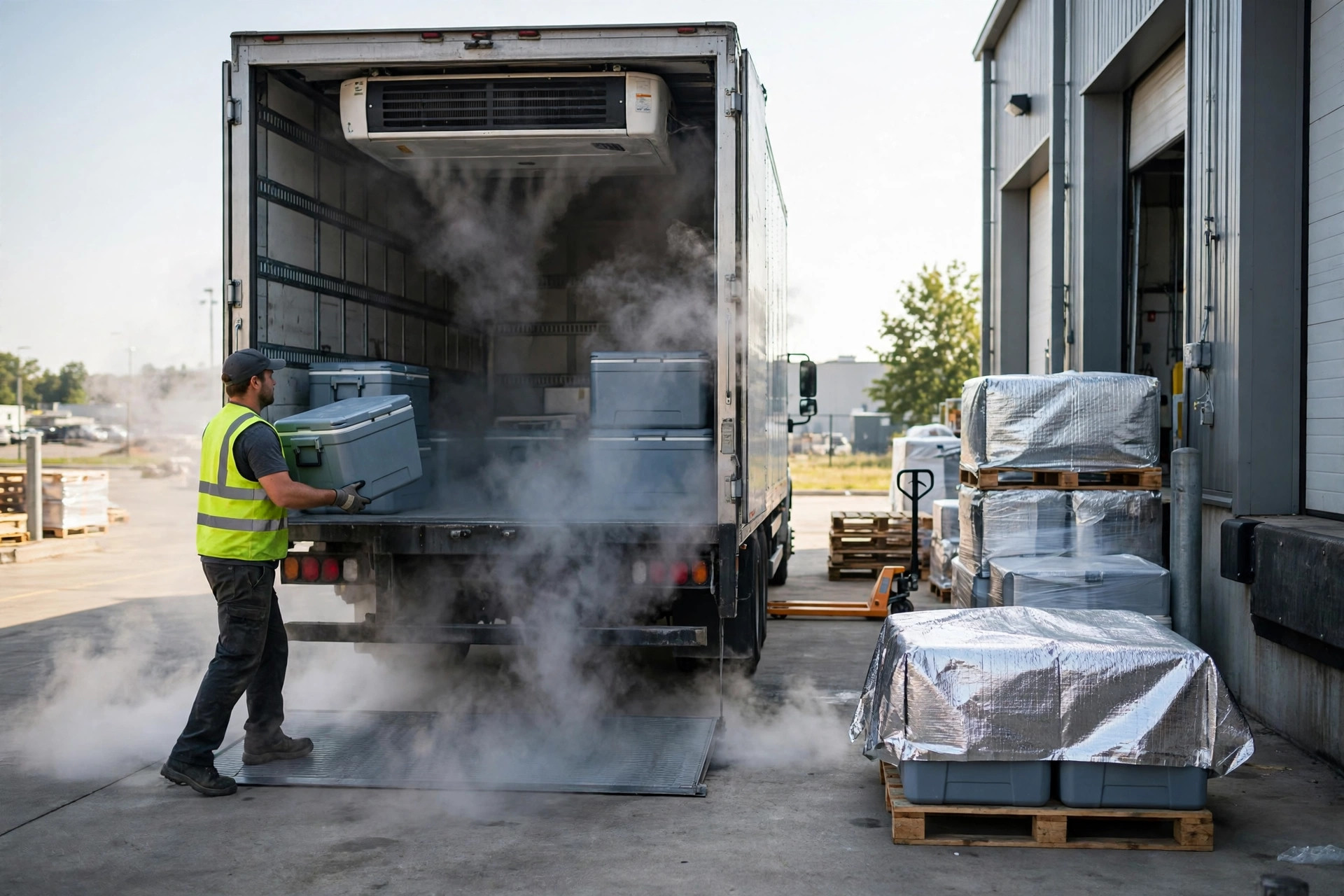
3 PM, Phoenix, 104°F outside. On our distribution center dock, a reefer truck sat with its rear doors wide open while workers loaded yogurt case by case. Forty minutes of loading, doors open the whole time. I pointed my infrared thermometer at the cases nearest the door: surface temperature had climbed from 4°C to 11°C.
That truck was headed to stores and home-delivery customers. The linehaul had held 4°C perfectly, the GPS temperature log a flat line. And the chain broke in the last 50 meters.
Here's what years in cold chain have taught me: eight times out of ten, the cold chain doesn't break on the linehaul. It breaks in the last mile. Let me walk through the three deadliest links.
Breakpoint 1: Loading With the Doors Open
The most common way to kill a cold chain, and the most wasteful.
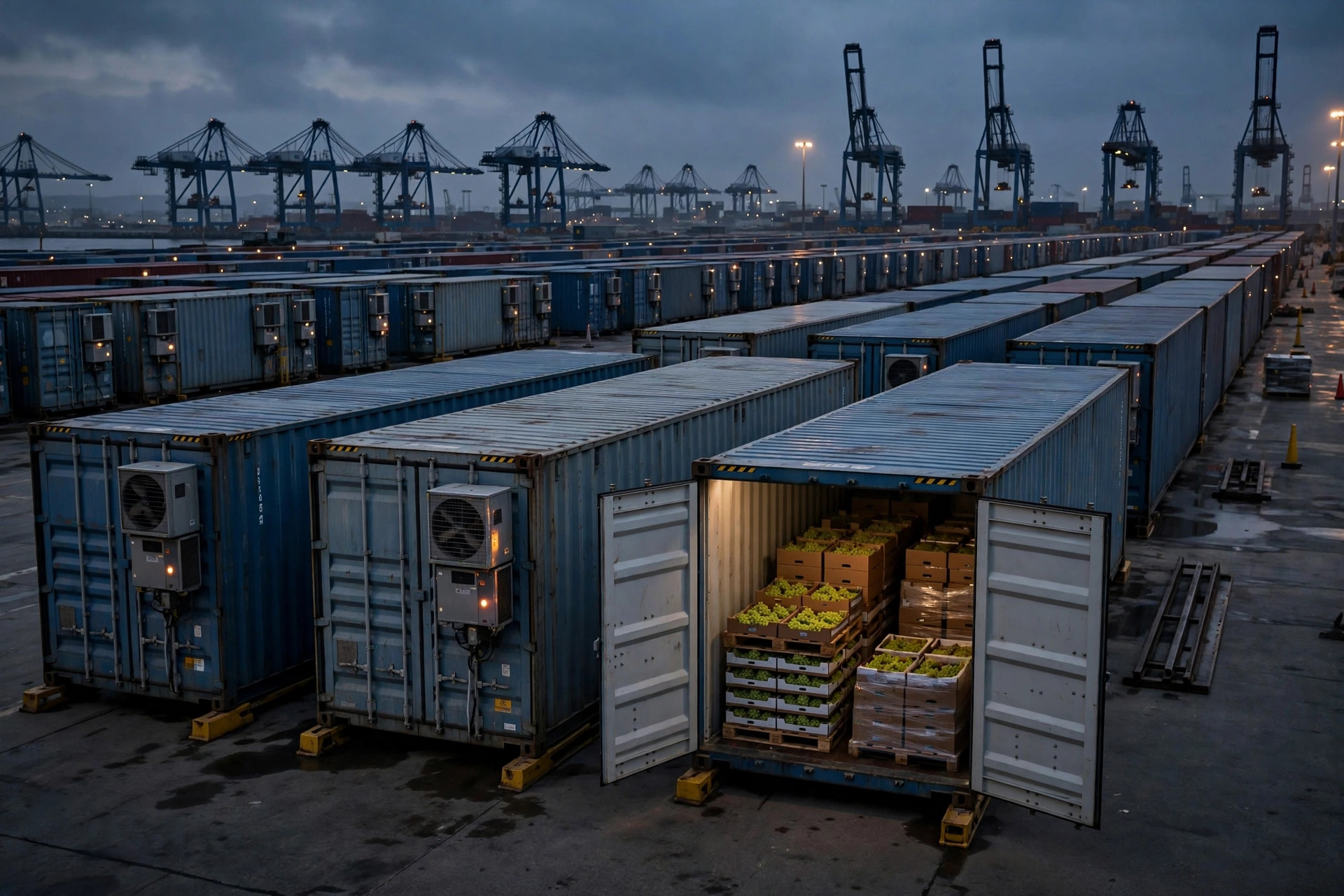
In the summer of 2024, a fresh-food e-commerce DC in the western US came to us for help. Complaints clustered around afternoon deliveries of yogurt and salads, arriving sour and wilted. Linehaul temperature logs were all clean. We rode along on a route and found the problem on their own dock: during loading, the reefer's rear doors stayed open while workers carried cases one by one, sometimes running back inside to find the right SKU. Loading took 40 minutes to an hour.
A reefer unit is designed to maintain temperature, not to cool down an open box. With the doors open, 104°F air pours in and the unit can't keep up at full blast. The pallets nearest the door effectively sat at ambient temperature for nearly an hour.
What we do now, three rules:
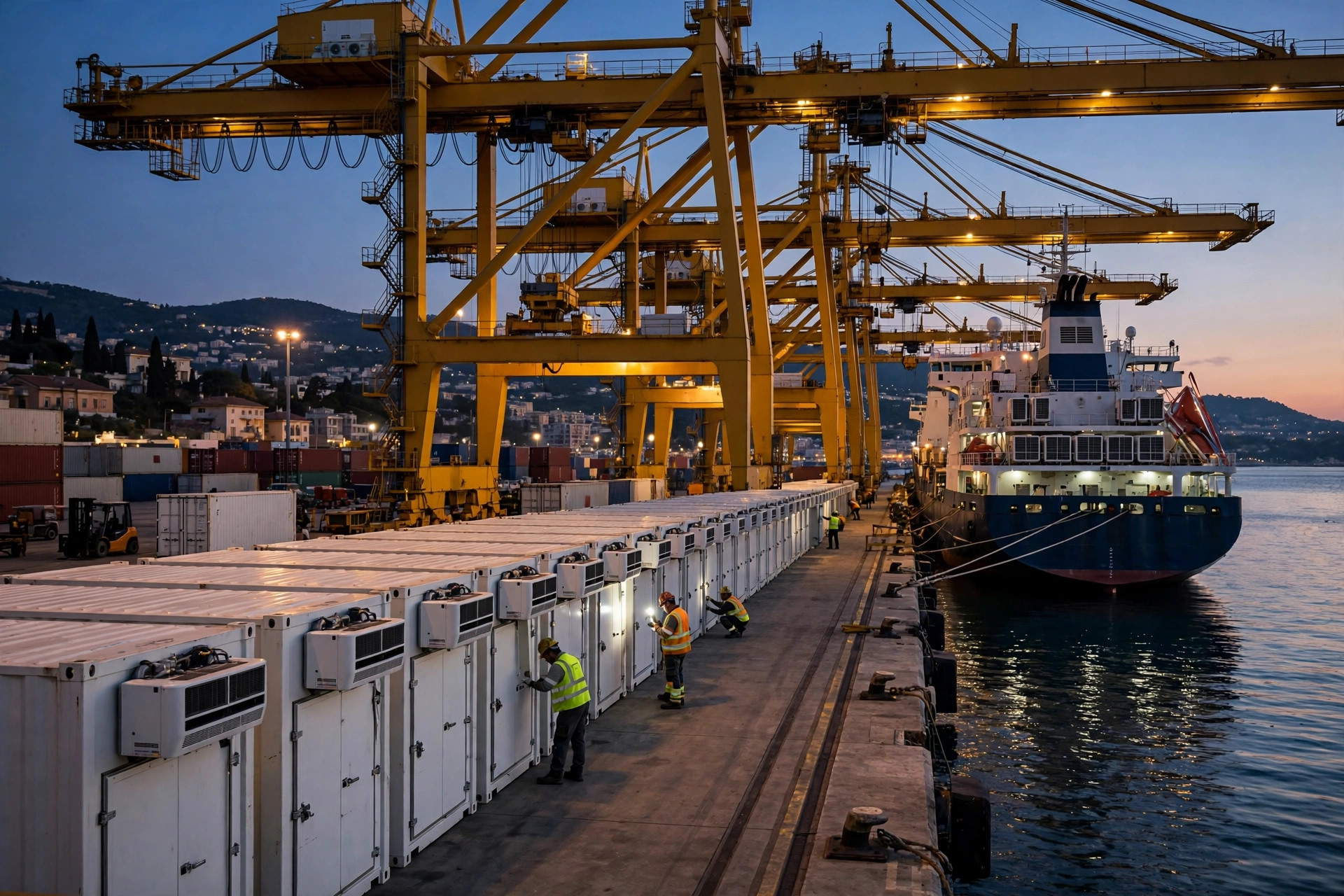
First, pre-cool before loading. The truck arrives 20 minutes early and pulls the box down to setpoint before anyone opens a door. The driver checks the box probe first; if it's not at temperature, nobody starts.
Second, load in small batches. Open only one side of double doors at a time, close it, then open the next batch. It's slower, but the cases near the door stay safe.
Third, last on, first off for door freight. Put the least temperature-sensitive goods (ambient accessories) at the door as a "wind wall," and the chilled product deep inside. Old-timer trick. Works.
Breakpoint 2: Door Openings on Multi-Stop Routes
Linehaul is point to point. Last mile is point to multipoint, and every extra stop means another door opening.
We ran the numbers: a 26-foot reefer running 8 stops on a summer day, averaging 12 minutes of open-door unloading per stop. The freight for stop eight has lived through seven open-close cycles, and temperature swings at the rear of the box can reach ±5°C.
Here's the counterintuitive part: the more stops on the route, the deeper the delicate freight should ride. Rookie drivers load first-stop freight at the door for convenience, but that freight endures the most door openings. Load in reverse stop order instead.
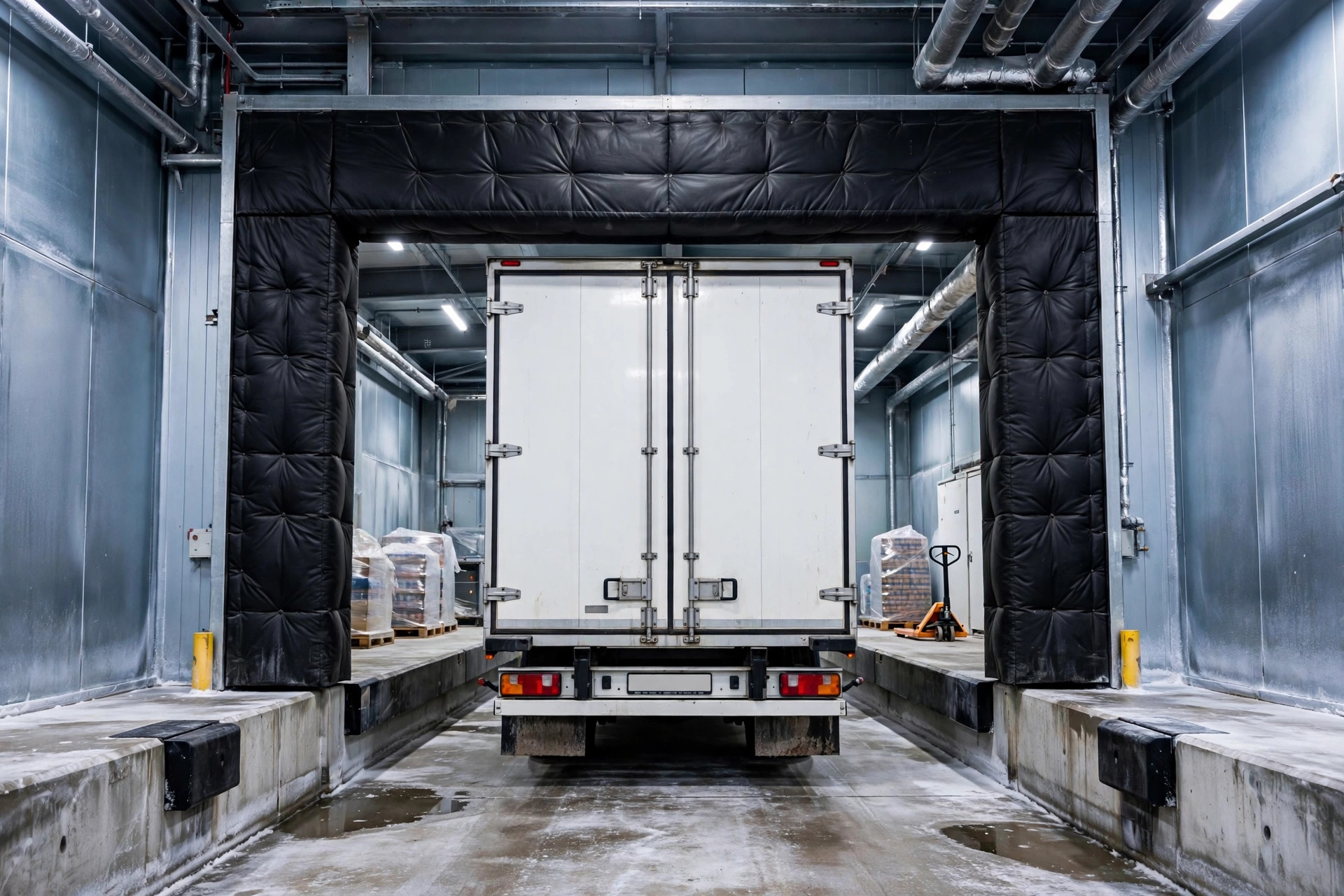
And spec strip curtains on multi-stop reefers. A few hundred dollars of PVC strip curtain cuts cold loss per door opening by more than half. Best ROI in cold chain spending I've ever seen.
| Investment | Rough cost | Effect |
|---|---|---|
| Strip curtains | A few hundred dollars | Cuts per-opening cold loss by half or more |
| Bluetooth loggers (one per pallet) | Tens of dollars each | Pinpoints exactly where the break happened |
| High-speed dock doors | A few thousand dollars | Major cut in heat exchange during loading |
Breakpoint 3: Left at the Door, Nobody Home
The most infuriating link: 200 kilometers protected, then the driver leaves the cooler on the porch in the sun for two hours.
Last year a meal-kit client of ours saw summer complaint rates spike to 6%. More than half the complaints traced to "delivered at 2 PM, customer got home at 6 PM." The product was fine; the last meter had no receiver.
Three changes brought complaints under 2% within a month:
Delivery windows. Chilled goods only in the 8 AM–12 PM window, avoiding peak afternoon heat. Fewer orders accepted beats more complaints paid.
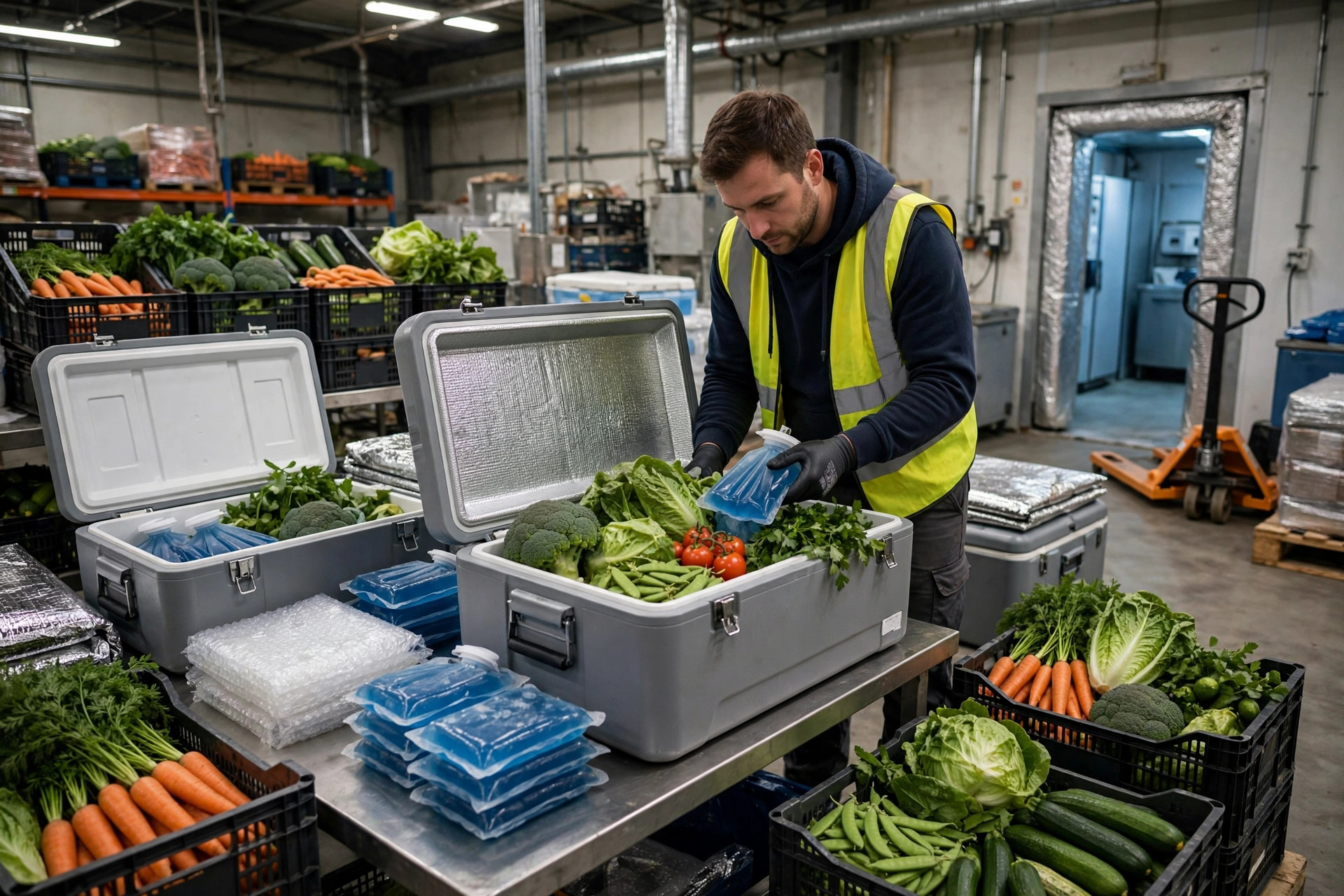
Better packaging. Thicker insulation plus more gel packs stretched proven hold time from 4 hours to 8. Packaging cost rose less than a dollar per order; the complaint payouts it eliminated dwarfed that.
Delivery notifications. Driver drops the box, and within 30 seconds the customer gets a text with a photo. Customers who see the photo retrieve the box twice as fast. Never underestimate this step.
The Honest Truth
Linehaul cold chain is an engineering problem; money for equipment solves it. Last-mile cold chain is a management problem, solved by process and detail.
When owners talk cold-chain investment, they think pricier reefers and bigger freezers. But our complaint rate came down over the last few years on no new equipment, just three disciplines: close the doors while loading, load in reverse stop order, deliver in the morning.
Next time you review cold chain performance, don't just stare at the linehaul temperature curves. Pull the last 50 meters apart and check these three links separately. Most of your problems are hiding there.
By Chen Feng, Warehouse Operations Manager