Last year a friend in Shenzhen who builds AGVs called me in a panic. His first vehicle had already landed at the customer's warehouse in the US, and the buyer asked one question: "Does this unit carry an NRTL listing?" He had no idea what that meant. Here's the thing about selling equipment into the United States: OSHA requires electrical equipment used in workplaces to be approved by a Nationally Recognized Testing Laboratory (NRTL). Miss this, and at best the buyer withholds your final payment; at worst it affects the customer's warehouse insurance. After two decades in this industry, I've watched too many equipment makers pay tuition in this particular pit. Let me lay out the two certification paths.
The two paths, and what actually separates them
Path one is listing: you submit your product to an NRTL lab, it gets tested against the applicable standard (UL 508A, UL 3100, and the like), and once it passes, the product goes on the list. Every unit you ship afterward can carry the NRTL mark.
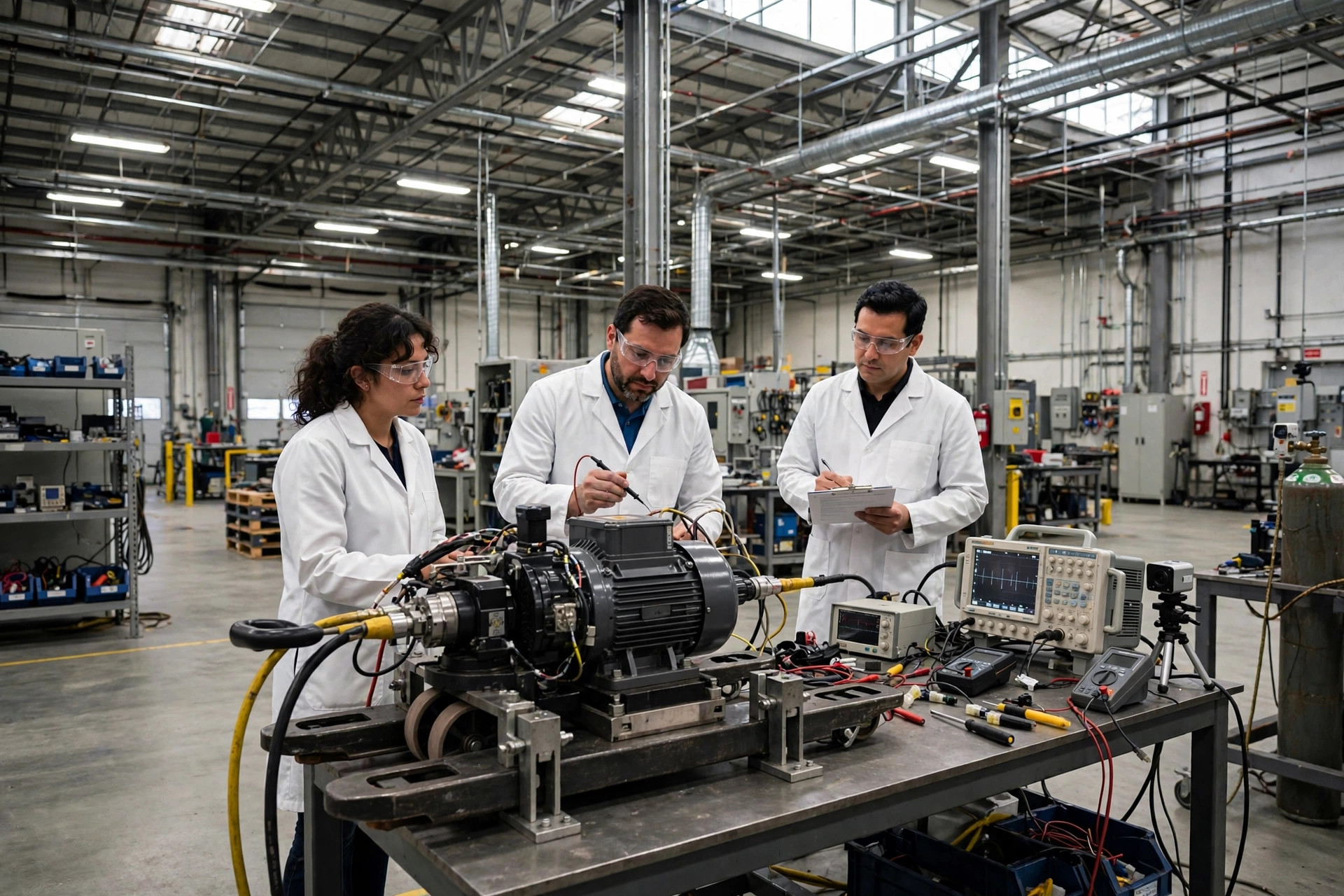
Path two is field evaluation: an NRTL engineer comes to the installation site and inspects that specific piece of equipment, following NFPA 790 and 791. If it passes, it gets a field label that applies to that one unit only.
My verdict, earned the hard way alongside three Chinese equipment makers: if you're going to sell the equipment in volume in the US, get it listed; if it's one or two pilot units or a custom one-off system, field evaluation is the smarter play.
Why the split? Listing certifies the model: one certification covers every unit of that model you ship afterward, at near-zero marginal cost. Field evaluation certifies the single unit in front of the engineer. Selling 50 AGVs? You don't want to fly an engineer out 50 times.
Before choosing, run three numbers
First: unit count. My rule of thumb is ten. If you expect to sell more than ten units in the US within a year, go for listing. One or two pilots? Field evaluation wins. Ten is experience talking, not a regulatory line — if your four-way shuttle system costs several hundred thousand dollars a unit, you can move that line down.
Second: how frozen is your design? Listing certifies a fixed model — structure, electrical schematics, and the critical component list all get locked. Still redesigning the battery pack layout every three months? Don't start listing yet; a major change triggers a re-evaluation of the differences. Field evaluation is more forgiving here: the engineer judges the physical unit in front of them.
Third: your time window. In my experience, listing typically takes 3 to 8 months depending on standard complexity andremediation rounds; field evaluation, from scheduling the engineer to sticking the label, usually runs 4 to 10 weeks. If the contract says "operational equipment within 90 days," listing simply doesn't fit. Confirm current lead times with the lab, but the relative order never changes: field evaluation is always faster.
Field evaluation prep list: what to have ready before the engineer shows up
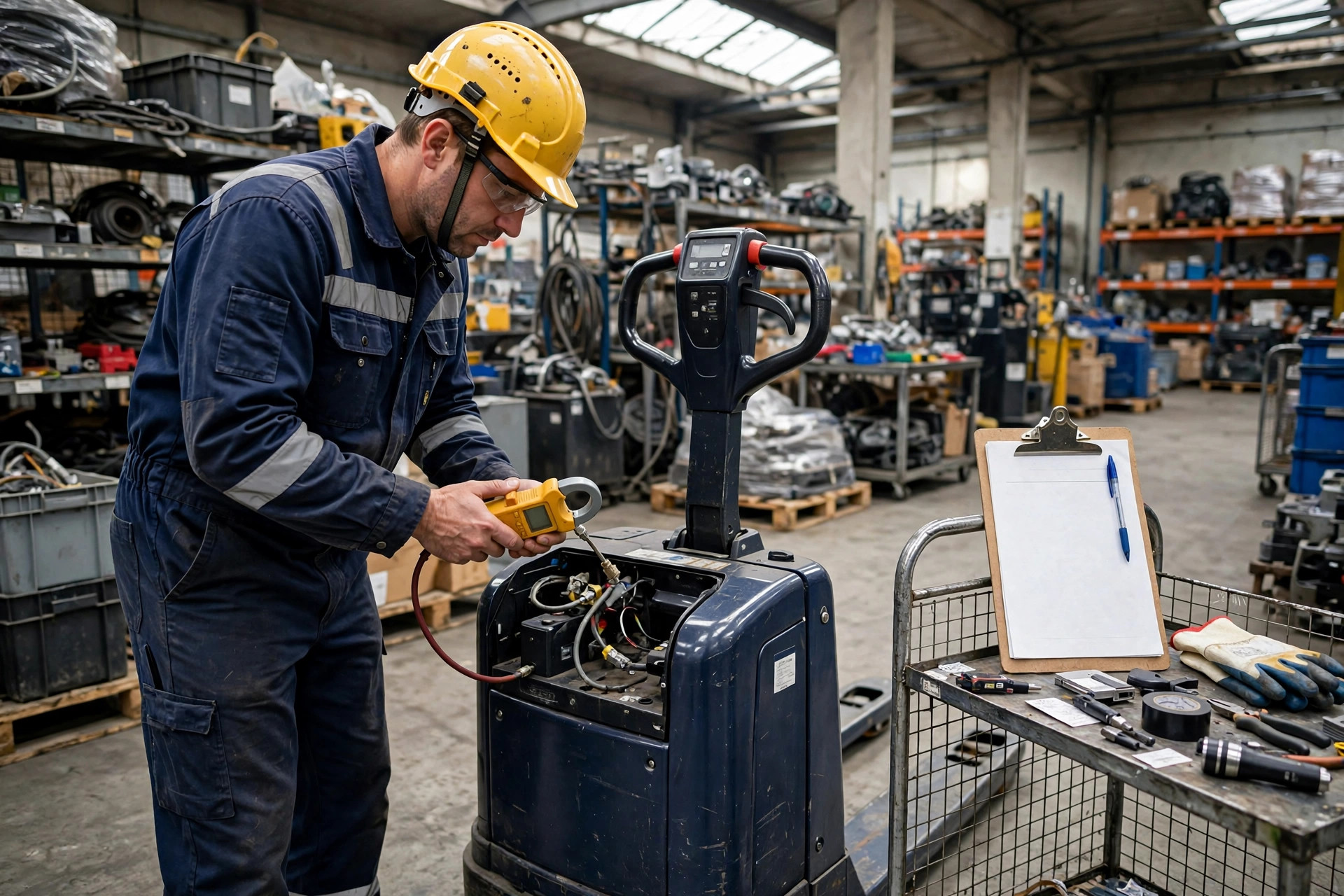
Field evaluation isn't "just let them in." Show up unprepared and the engineer leaves after one look — while you still pay the travel bill. After sitting through two of these, here's my checklist:
First, complete electrical schematics and a component list, with UL file numbers for every critical part (contactors, breakers, power modules). The engineer's first move is verifying that critical components are themselves certified — the most common failure point. Plenty of domestic power modules lack UL recognition, and you'll be swapping them on the spot.
Second, the nameplate: rated voltage, current, power, manufacturer, model, serial number — all of it, on etched metal or equivalent durability. Stickers don't count.
Third, pre-test ground continuity and insulation resistance yourself. These are mandatory test items; catching problems early saves aremediation round.
Fourth, leave working room inside the electrical cabinet. The engineer needs to trace every wire and wire number. A cabinet that looks like a bird's nest gets scrutinized twice as hard.
Fifth, keep spare fuses and contactor coils on hand. If something needs replacing during verification and you don't have it, you're waiting for the next visit.
Three listing pitfalls that cost half your timeline if you don't see them coming
Pitfall one: picking the wrong standard. Does your AGV fall under UL 3100 (automated guided vehicles) or UL 508A (industrial control panels)? Manned versus pure material-handling units differ too. Get the standard wrong and months of testing go in the bin. The worst case I saw: four months of testing, then told the standard was wrong. The fix: spend a week or two on a standards applicability analysis and get the lab's written confirmation before testing starts. Never guess.
Pitfall two: swapping critical component suppliers mid-stream. The listing report names manufacturer A's breaker; if production switches to cheaper manufacturer B, you technically need a difference evaluation. Your supply chain people must know this red line, or the certification is worthless.
Pitfall three: certifying the vehicle but forgetting the charging system. AGV chargers and battery-swap cabinets are standalone electrical equipment — they need certification too. Plenty of makers pass the vehicle and then get flagged on the charger at the customer site. Final payment withheld all the same.
Three pieces of advice for equipment makers
First: in your first year exporting to the US, list one or two flagship models and line up a field evaluation provider in parallel. When a pilot customer can't wait, ship under field evaluation, then switch to volume once the listing lands.
Second: budget certification as its own line item. In my experience, total listing cost for a mid-size AGV (testing,remediation, travel) typically runs from the tens of thousands into six figures in USD; a single field evaluation usually runs several thousand to tens of thousands. Exact figures vary by equipment complexity and lab — get current quotes — but build this into your equipment cost at the quotation stage. Customers won't accept a surcharge after the fact.
Third: don't pick a lab on price alone. Ask three questions: how many similar equipment projects have you done? What's the current lead time? Isremediation billed per round or bundled? The third question matters most — labs that bill perremediation round routinely end up costing more than the cheaper quote.
One last thought: equipment makers tend to treat certification as paperwork to placate the customer. I see it the opposite way. In the US market, an NRTL listing is the hardest card a Chinese AGV maker can play against domestic brands. Listed versus unlisted — in a buyer's eyes, those aren't the same tier of product. Whether the money is worth it depends on whether you're after a one-time deal or a long-term market.
Verify applicable standards and the current NRTL roster against OSHA's official list, and always get the applicable standard confirmed in writing with your certification body before signing.