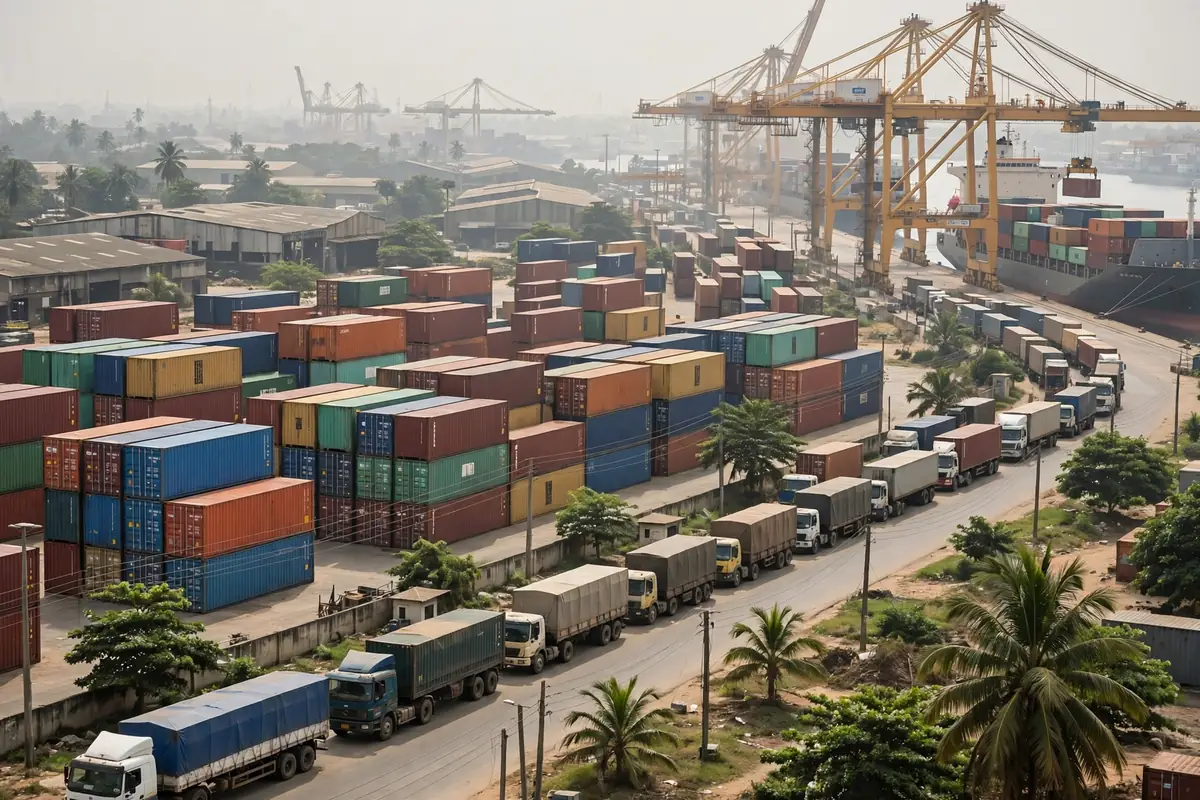
Nigeria Lagos last mile warehouse logistics will humble you fast if you copy your home playbook and expect it to work. My first shipment into Lagos spent far too long stuck around the port before it ever reached a shelf, customers chased me every day, and riders sat in traffic while I refreshed tracking that told me almost nothing useful.
That week taught me the real order of priorities. Do not start by asking about rent or the delivery fee per parcel. Start by asking whether goods can get into the warehouse reliably, get out the same day, and come back cleanly when a customer refuses them. In Lagos, those three questions decide whether you make money.
Nigeria Lagos Last Mile Warehouse Logistics Starts at the Port, Not the Shelf
In 2024 I shipped a batch of small home appliances from Shenzhen toward Lagos, planning to receive, shelve, and start selling almost immediately after arrival. That plan fell apart. Clearance and container pickup moved at a pace set by congestion, paperwork checks, and the local partner's actual capacity that week, not by my advertising calendar.
My local partner was blunt: congestion around the port areas is normal life, so build buffer into every receiving plan and never promise a launch date based on an ideal arrival. I changed the approach after that.
First, I stopped betting a whole promotion on one arrival. Best sellers and slow movers now travel on separate replenishment rhythms, so one delay does not empty the whole store. Second, I judge a warehouse by access before rent. A cheap building reached by one narrow, easily blocked road is not cheap once trucks cannot get in during rain or peak traffic. Third, I standardise barcodes, carton marks, and local phone formats before goods arrive. Every correction the receiving team has to make by hand becomes a delivery error later.
Here is the counterintuitive part most sellers miss: in Lagos, a slightly more expensive warehouse with dependable access will outperform a bargain warehouse almost every month. The rent you save disappears in stockouts, refunds, and emergency transfers.
My current checklist has four items. Can trucks reach the site reliably in bad weather? Can the team reconcile cash-on-delivery collections every day? Is there proper staging space for motorcycle riders? Can returns be inspected the day they come back? If any answer is vague, I do not put core stock there.
Motorcycles Do the Real Work in Nigeria Lagos Last Mile Warehouse Logistics
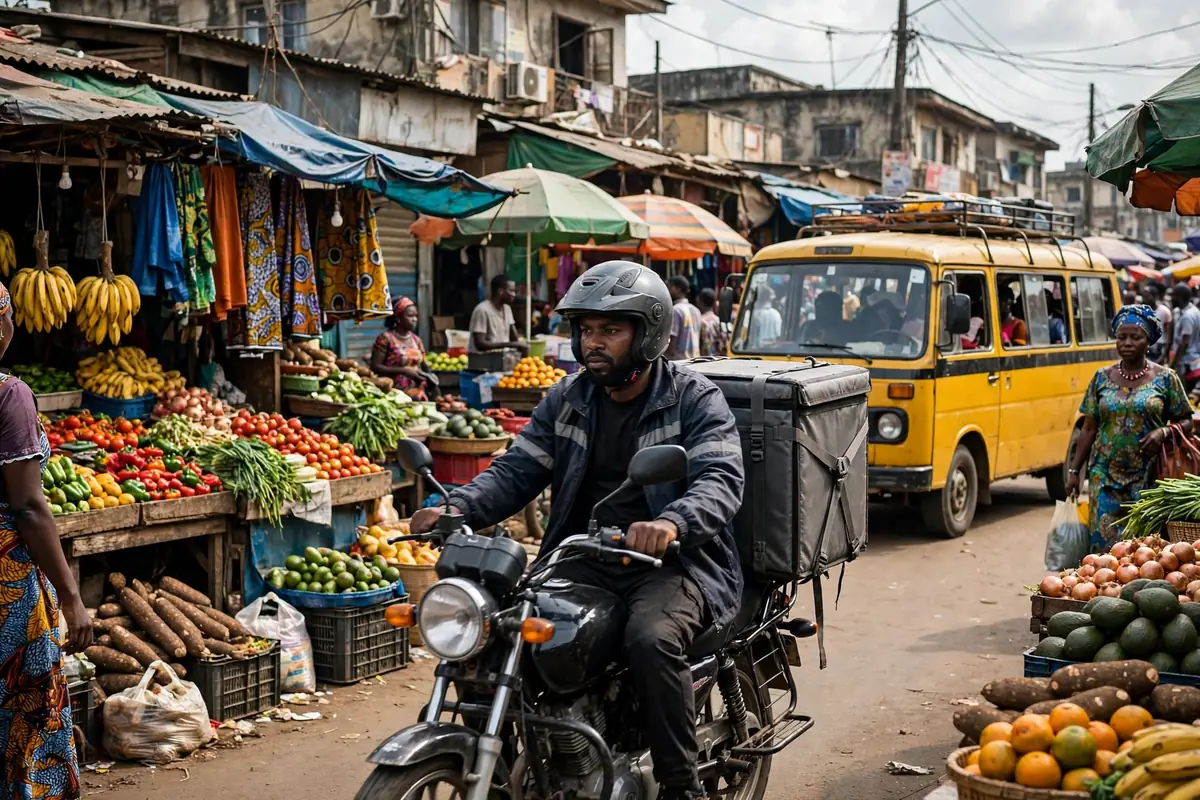
Forget the image of a neat van fleet covering the whole city. Vans move consolidated loads, but a huge share of daily e-commerce parcels in Lagos finish their journey on a motorcycle. Riders weave through congestion, handle small streets, call the customer at the gate, and solve the last confusing hundred metres on foot.
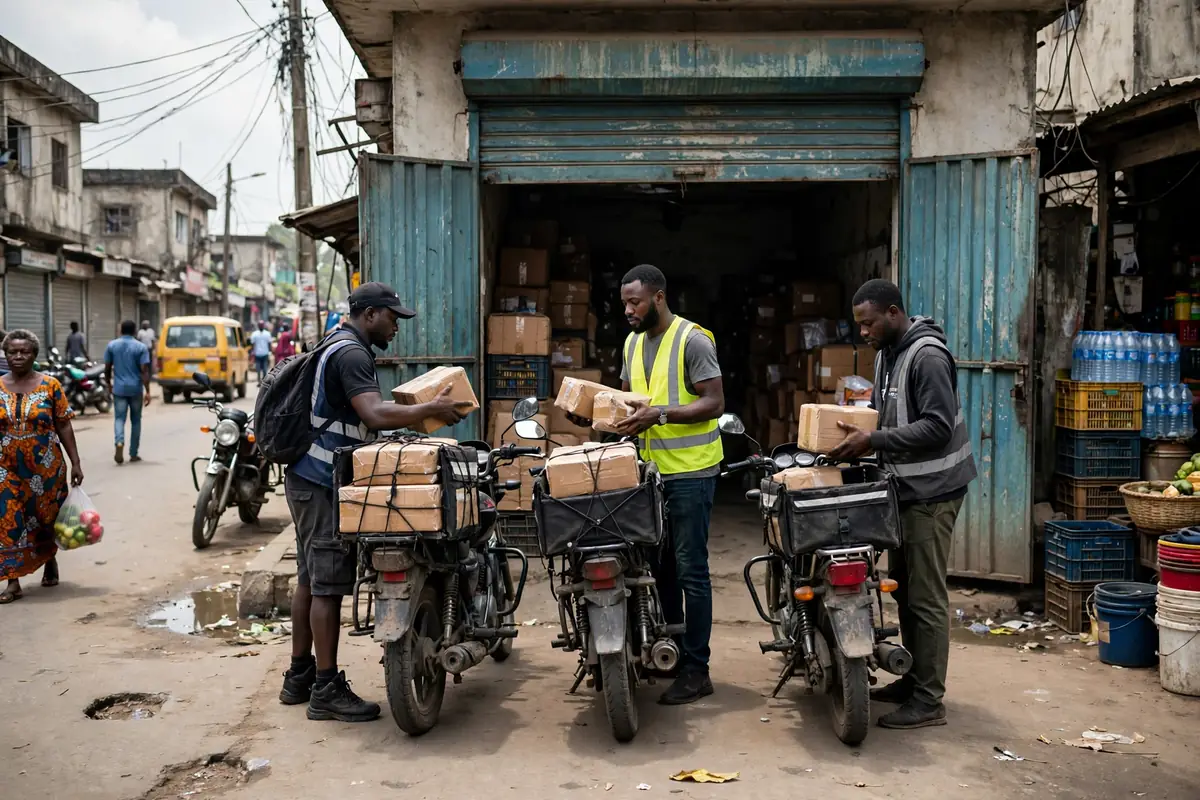
Before the busy season in 2025, I spent half a day at a local warehouse watching dispatch. After morning sorting, bulkier orders went out by small vehicle, while phone accessories, beauty products, and other small parcels were split among motorcycle riders by neighbourhood. The good riders were not interchangeable. Each knew which estates required gate registration, which landmarks customers actually used, and which map pins were simply wrong.
Address quality is the hidden problem. Many orders carry little more than a district name, a landmark, and a phone number. If your system auto-assigns purely by map location, you will create failed trips all day. The working method is duller and better: pack by district, call customers in batches before departure, and hold orders you cannot reach instead of sending a rider out to guess. A wasted trip burns fuel, time, and the rider's willingness to take your next load.
Do not copy delivery promises from the US or Europe either. A tight, confident promise you cannot keep produces refusals and bad reviews. Give a wider window, warn customers early, and keep the promise you made. That sounds less ambitious. It signs for more parcels.
A simple comparison helped me decide our layout:
| Model | Warehouses | Strength | Weakness |
|---|---|---|---|
| One large warehouse | 1 | Simple stock control | Long, unpredictable city trips |
| Main warehouse plus forward point | 2-3 sites | Short motorcycle runs for best sellers | Stock must be split carefully |
| Fully outsourced warehousing and delivery | 0 owned | Least daily management | Weak control over cash and returns |
We chose the middle option. A forward point holds only fast-moving lines, while the main warehouse keeps the long tail. Inventory work increased a little. Delivery stability improved a lot, and that trade is worth it.
Cash on Delivery and Returns Eat the Profit You Thought You Made
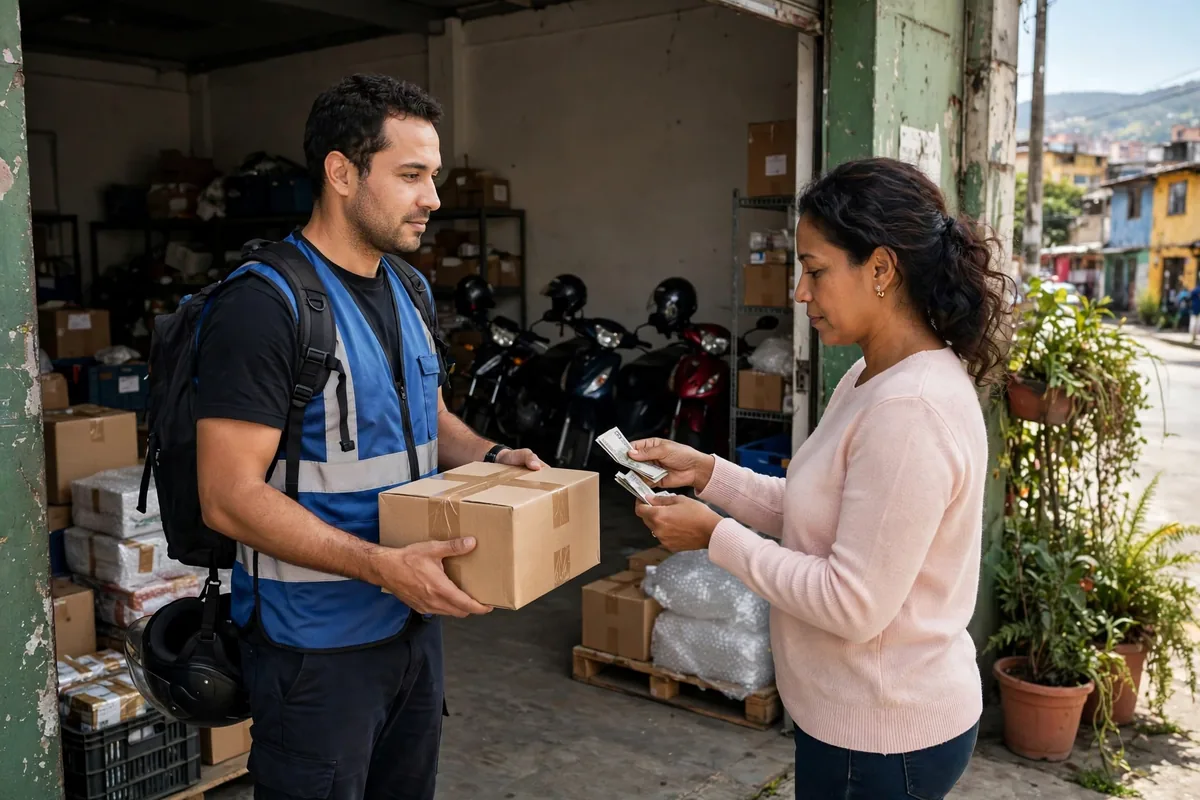
Cash on delivery is still a normal expectation for many Lagos orders. The customer pays when the goods arrive, which sounds simple until you run it at volume. How does the rider remit cash? How is a mobile transfer matched to an order? What happens when the customer says they can pay only part of the amount at the door? If those answers live in somebody's head instead of a daily process, reconciliation becomes a nightly argument.
We learned this the hard way. One rider came back from more than twenty stops with a mix of cash, transfers, and a few orders where the payment method had not been recorded clearly. Three of us spent the evening reconstructing the day. After that, the rule became non-negotiable: payment status is marked before dispatch as paid, cash on delivery, or part-paid; riders settle face to face on return; and the day's money closes that day. Nothing rolls over on trust.
Returns need the same discipline. Many Lagos returns are not product failures. The customer changed their mind, missed the call, gave an address nobody could find, or was out when the rider arrived. If you blame riders for all of that, good riders will stop taking your work. At the warehouse door, split returns into three streams immediately: not delivered, refused at the door, and genuine quality problems. Inspect resaleable goods the same day and put them back into stock. Keep damaged goods physically separate, because the fastest way to earn a one-star review is to reship a returned problem to a new customer.
Another lesson surprised me: customer service is part of the warehouse in Lagos. A two-minute confirmation call before dispatch is cheaper than two failed road trips. Our service team now works from the same dispatch list as the riders, by district, so the warehouse can see who was called, what the customer said, and whether the order should travel at all. You will never take failed delivery to zero, but you can remove the pointless trips.
If you are entering Lagos from China, copy this sequence. Confirm clearance and pickup timing with your local partner at the time of shipment, and check current local rules and charges rather than relying on a number someone quoted months ago; treat taxes, clearance charges, and platform fees as subject to the latest local policy. Choose the warehouse for access and rainy-season movement first, rent second. Build dispatch around districts, phone reachability, and motorcycles for small parcels. Close cash daily. Sort returns into three streams on arrival.
None of this looks clever in a pitch deck. It just works, week after week, in a city that punishes pretty plans. And in Lagos, a plan that still works on a rainy Friday is the only kind worth paying for. I have tested this one myself, and I would start here again.
By Ah K, E-commerce Seller (5 yrs)