We had a client, a small-appliance exporter out of Shenzhen, entering the Nigerian market for the first time last year. Two containers by sea to Apapa in Lagos. He assumed Lagos port warehousing would be the easy part. The day the vessel berthed he messaged me, all smiles: "Cargo's here, we can start selling." I wrote back one line: arrived at the port is not arrived at the warehouse.
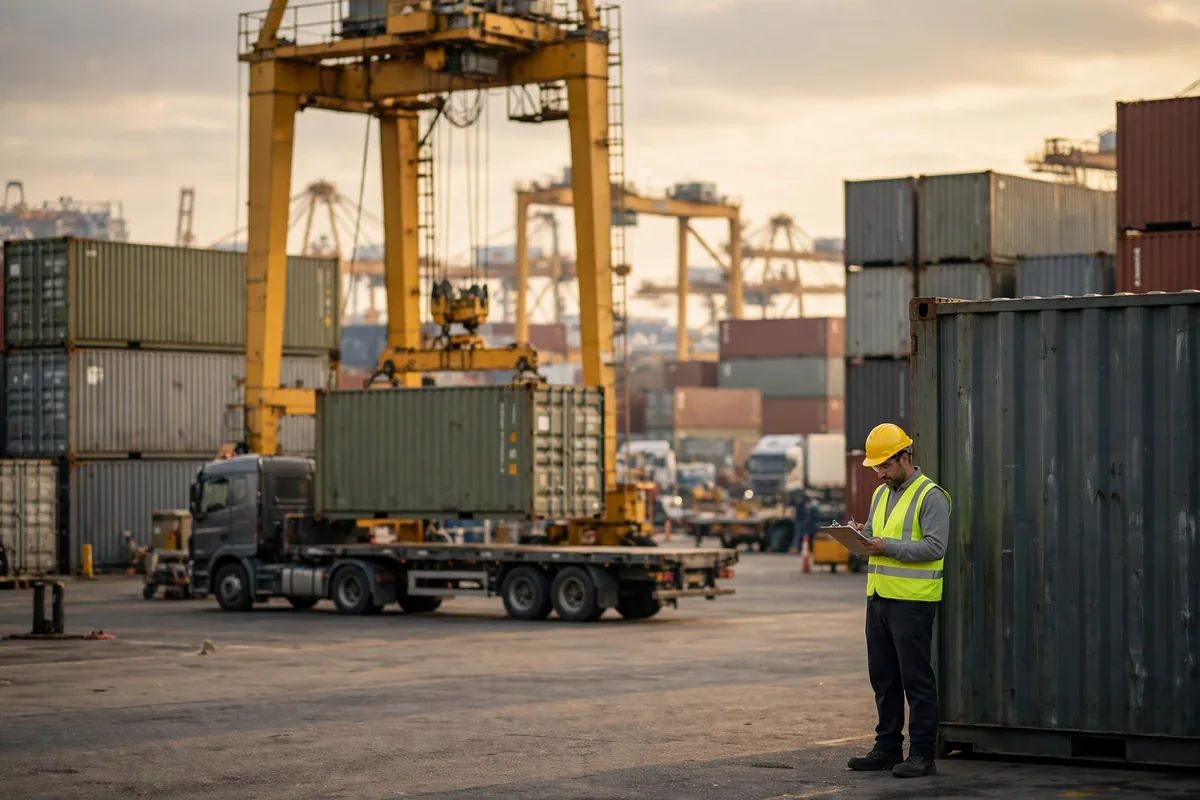
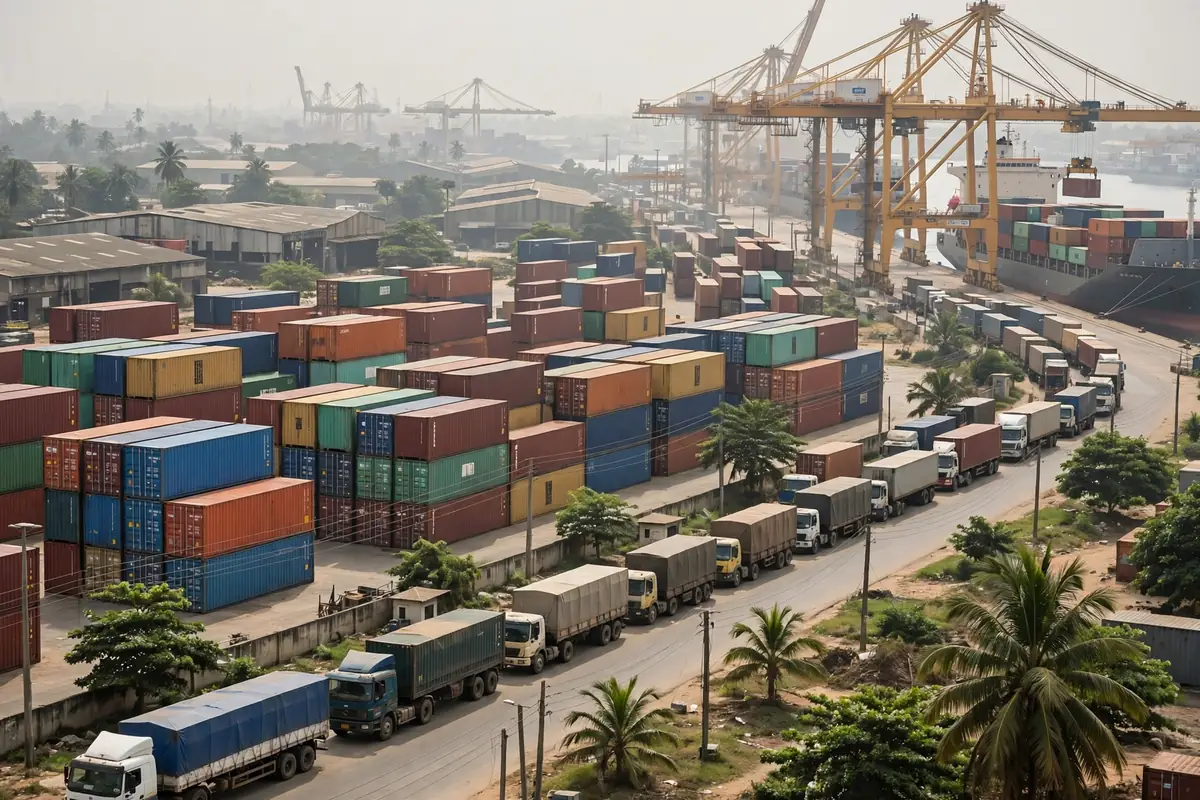
That box sat in the queue outside the terminal for nearly three weeks before it was pulled. Not a customs hold. Not a paperwork problem. Just the queue. Only a few roads serve the port area, trucks pile in and out of the same gates, and booking a slot to collect a container takes as long as it takes. Meanwhile his warehouse had staff rostered and racking reserved for stock that spent three weeks sunbathing outside the gate. By the time the first cartons hit the shelves, the promotion window he had planned around was already gone.
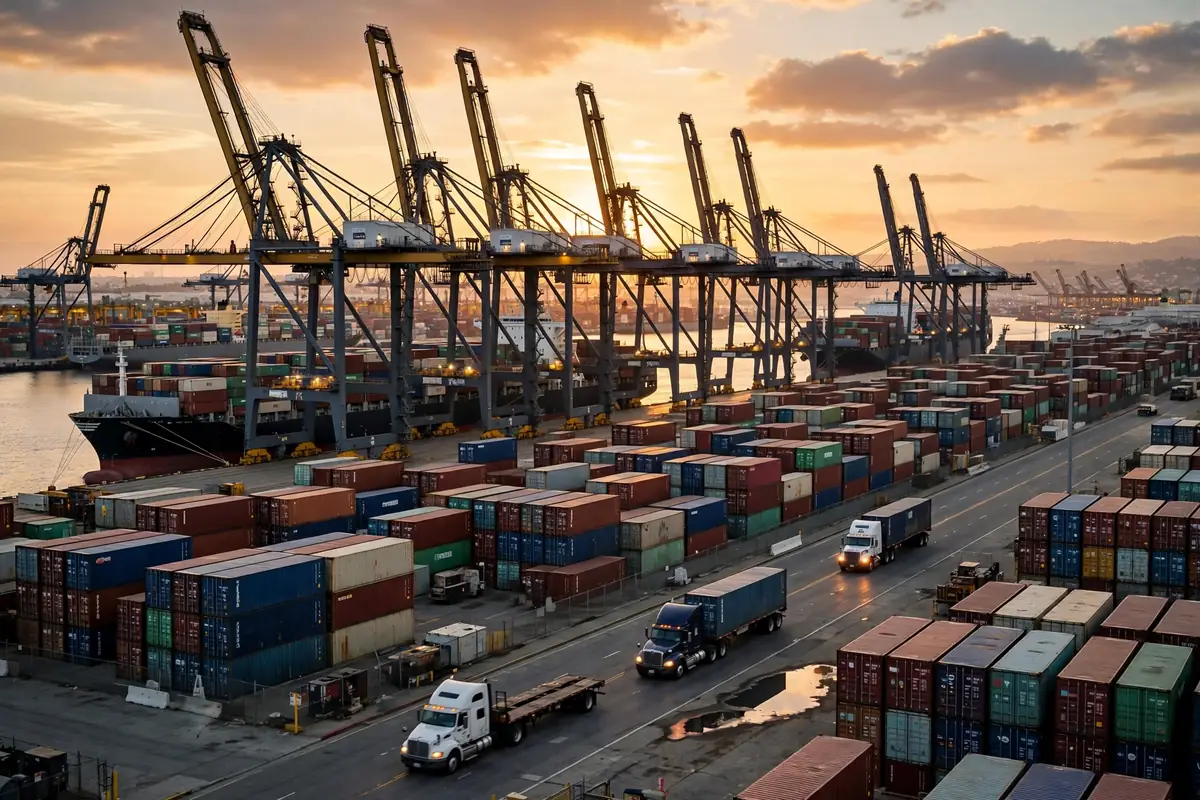
That is the first lesson of Lagos Port warehousing: the bill starts at the port. Apapa and Tin Can Island are Nigeria's main container gateways, and Lagos is West Africa's biggest city and consumer market — huge volumes, a narrow road network. That structural mismatch does not go away. The electronic truck call-up system has made things better than the worst years, but at peak season and before holidays, you still queue. So build queue time into your delivery promise, and write it into what you tell your customer. Do not swallow it yourself.
How to Price Lagos Port Congestion
When we cost a Lagos port warehousing job for a client, we never quote just rent and transport. There are at least four lines on the bill. First, the wait to pull the box: every day a container sits in or around the terminal, storage and demurrage keep ticking, and the longer it drags on the more it costs — check the latest carrier and terminal tariffs before quoting anyone. Second, trucking: a driver waiting days at the gate either gets paid to wait or runs empty back and forth, and both cost money. Third, the idle warehouse: staff rostered and space reserved for cargo that never arrives is a hidden cost most owners never even book. Fourth, and most expensive, the stockout: while your shelf is empty, the customer buys your competitor's product.
A fast-moving consumer goods client of ours learned this the expensive way a couple of years ago. Three containers into Lagos before peak season, planned to be split across a dozen distributors in the city within five days of berthing. Collection dragged on for two weeks, distributors were out of stock for ten days, and by the time his goods reached the shelves, a competitor had already taken that promotion cycle. He later worked out that the lost sales from that one stockout would have paid for six months of bonded warehouse space near the port.
So my advice is simple: plan Lagos port warehousing on the worst case, not the average case. The average is for your annual budget. The worst case is for the promise you make to your customer.
Lagos Port Warehousing: Bonded Warehouse Near the Port, or a City Depot?
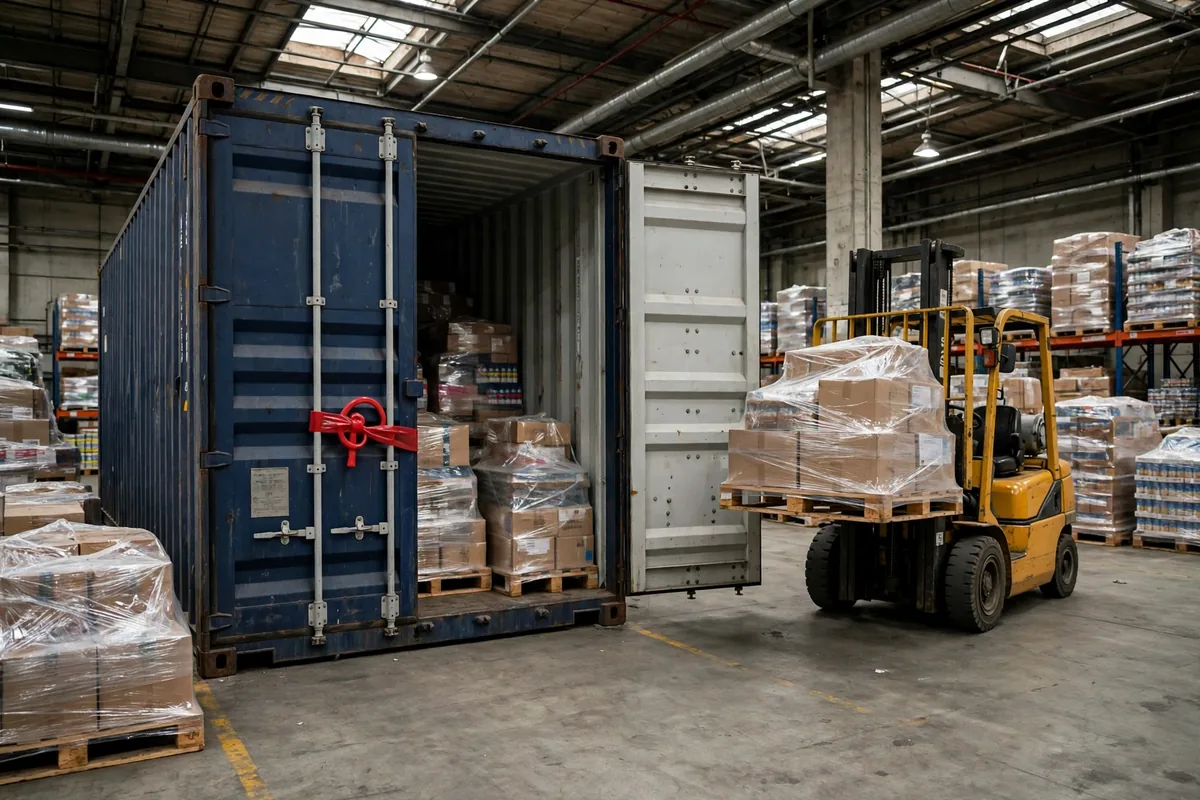
Lagos warehousing comes down to roughly two plays. One is bonded and distribution space near the port: the box comes out and goes straight in, customs clearance, de-stuffing, and break-bulk all happen in one place, which suits big volumes heading across Nigeria and into neighboring West African markets. Close to the port, fast to pull — but the rent near the port is not cheap, and outbound trucks queue on the same roads. The other is a city depot, around Ikeja for example, close to distributors and end customers, with fast last-mile delivery — right for goods that already sell steadily inside Lagos. Flexible delivery, but heavy trucks face restrictions entering the city, and replenishment has to be timed carefully.
We had a phone-accessories client who tried both, and settled on a combination: the bonded warehouse near the port as a buffer pool holding only freshly arrived bulk stock not yet allocated, and the city depot as a forward warehouse holding only the fast-moving lines for the next two weeks. Two scheduled shuttles a week between them, no exceptions. The point of the combination is the division of labor: the bonded warehouse absorbs congestion, the city depot delivers speed, and neither tries to do the other's job.
| Option | Best for | Where the money goes | Biggest risk |
|---|---|---|---|
| Bonded warehouse + break-bulk near the port | Large import volumes, national and regional distribution | Port-area rent and collection waiting costs | Port congestion spills into outbound dispatch |
| City forward warehouse | Steady sales already established inside Lagos | City rent and replenishment under truck restrictions | Narrow windows for heavy trucks entering the city |
| Bonded + city combination | Brand owners with volume and many channels | Shuttle runs and the cost of managing two sites | If the handover slips, both ends pile up |
That table is a scenario illustration — rerun it against your own volumes and channel mix rather than copying the shape of it.
Clearance and Warehousing Must Share One Timeline
Nigerian import clearance has its own sequence — documentation, inspection, duty payment — and if the clearance agent and the warehouse operator are two separate teams minding their own business, they will blame each other faster than any truck gets through the gate. The classic failure I have seen: the agent says the paperwork is complete, the warehouse says no release notice arrived in the system, and the box sits in the terminal for four extra days while demurrage keeps running.
So our hard rule for clients now is one shared timeline for clearance and warehousing. Starting seven days before the vessel berths, the clearance agent, the warehouse manager, and the fleet dispatcher check progress daily, and on berthing day who pulls the box, who receives it, and who books it in is written down in the group chat. It sounds low-tech, but in a place like Lagos the low-tech method beats the system — the system can tell you where the cargo is, the low-tech method makes sure somebody owns it.
And here is the counterintuitive part: most people assume rent is the biggest cost in Lagos port warehousing. It is not. Rent is published, negotiable, and predictable. The real money is time — one extra day for the box at the terminal, three extra hours for a truck on the road, one extra week of stockout at the distributor. Add those up and they routinely cost two or three times the rent itself. Lagos is a time business, not a rent business.
Next time you negotiate a contract, ask these three questions: when collection runs over schedule, who pays? If stock runs out, does the warehouse operator have an emergency split plan? And who checks clearance and warehousing progress every single day? Get straight answers to those three, and the Lagos Port warehousing bill is genuinely in your hands.
By Susan, 3PL Sales Director