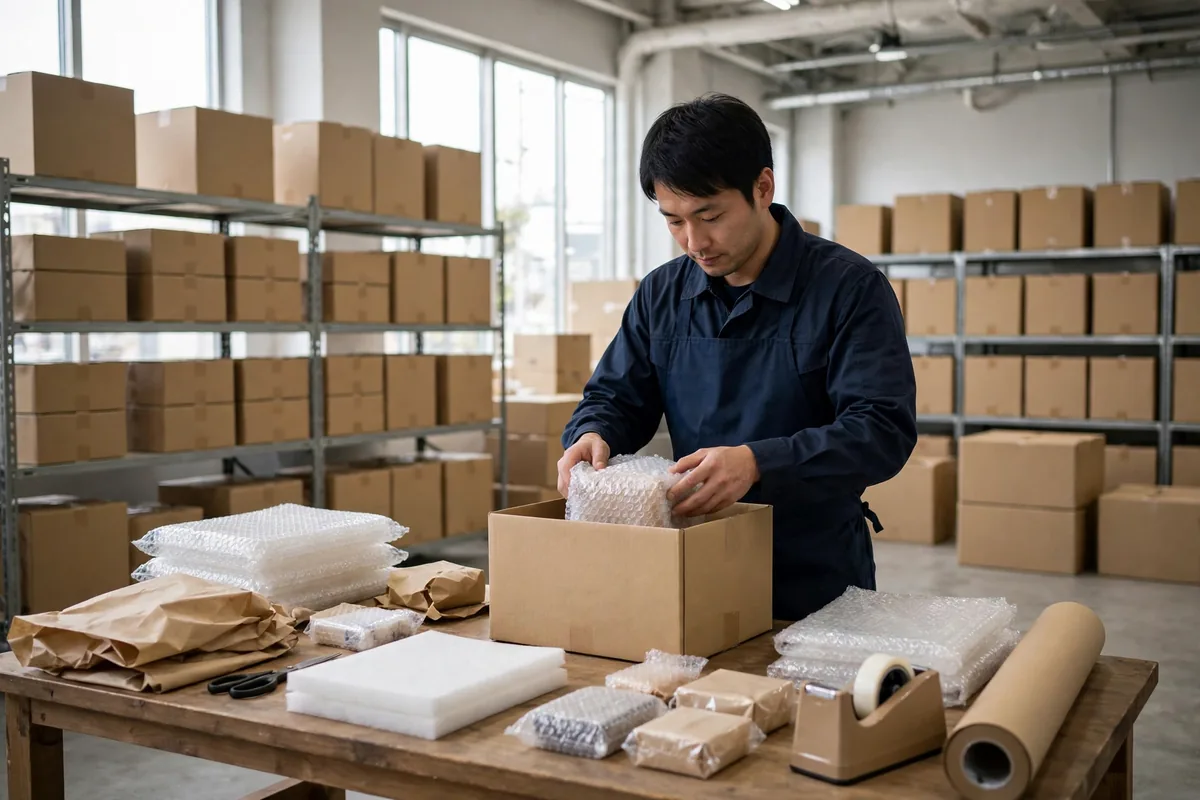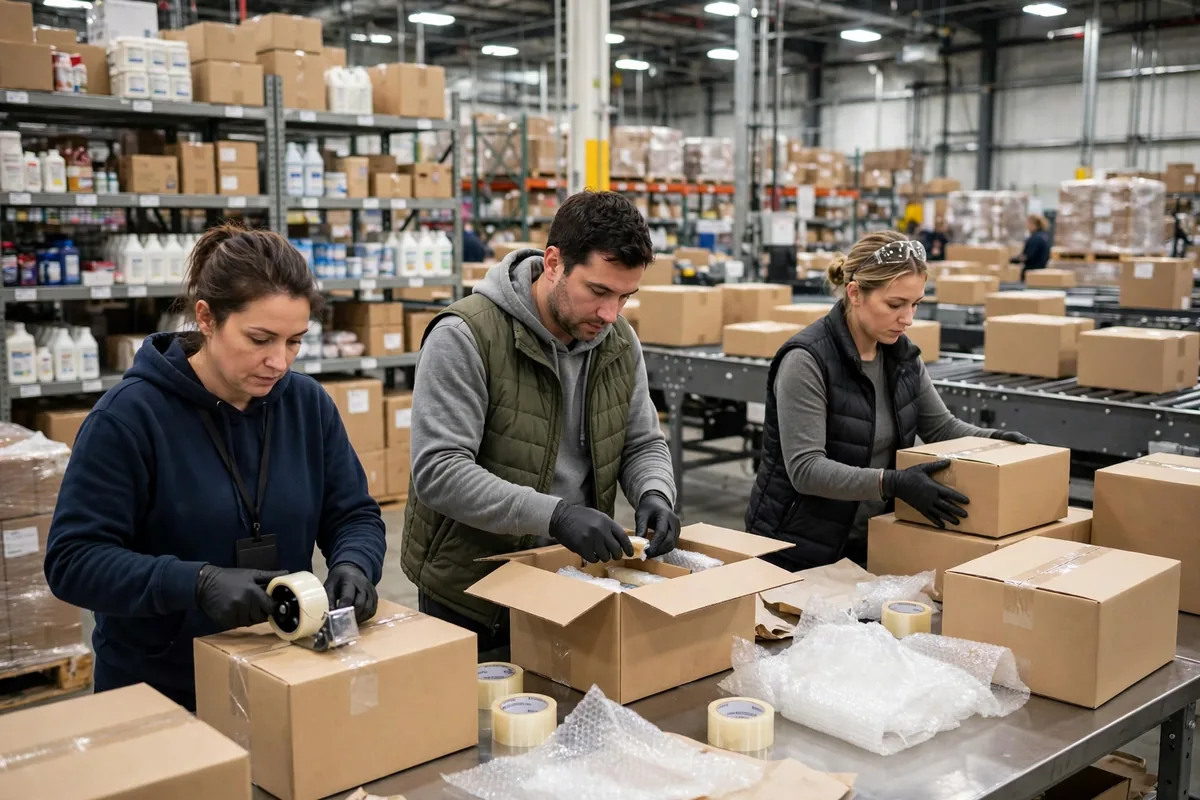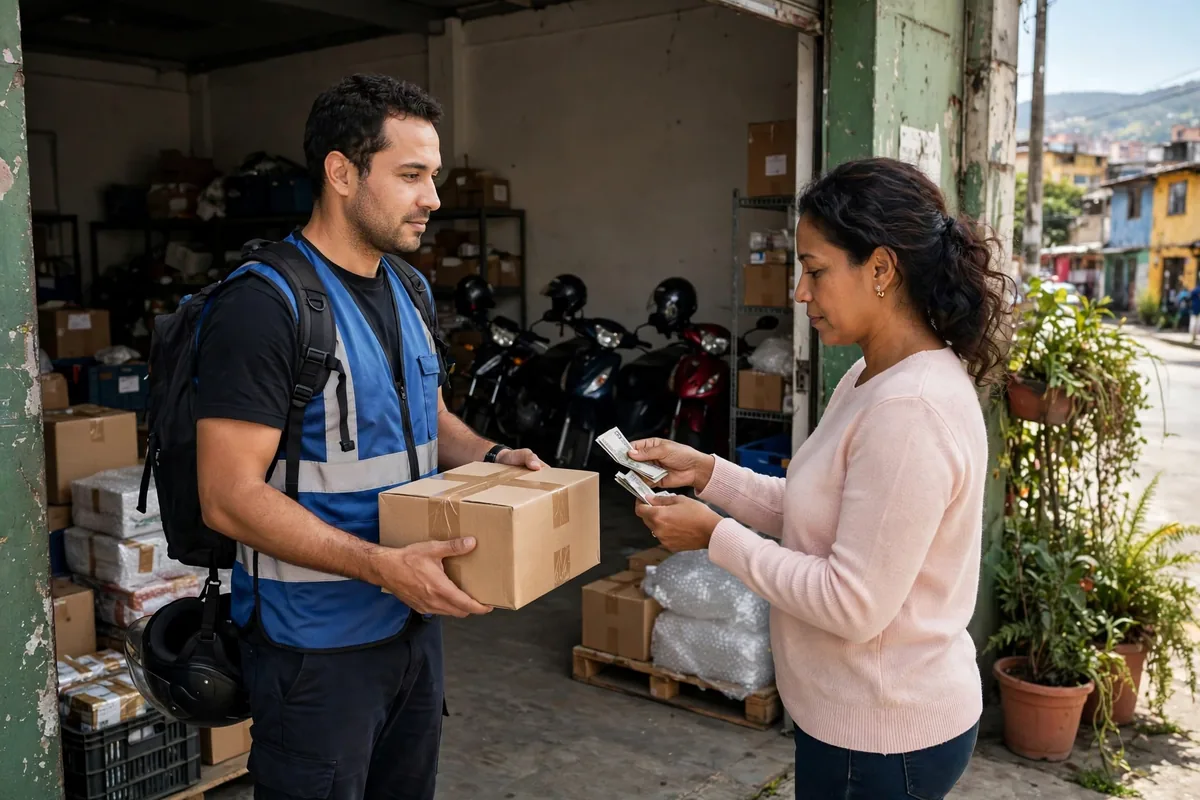
Let me roast this first: too many sellers treat Colombia like any other market — list it, ship it, wait for the money. If you are serious about colombia cash on delivery warehouse logistics, that mindset will burn you. Cash on delivery there is not a payment checkbox. It is a whole warehouse routine, and if you skip the boring steps up front, you pay for it in refused parcels and returns.
I learned this the annoying way. A buyer taps buy in two seconds. Three days later the courier is at the door and suddenly nobody is home, the cash is not ready, or the buyer just changed their mind. No drama, no apology — just a refusal. You earned nothing, and now your product is riding back to the warehouse with a dented box.
Why Colombia buyers insist on cash payment
Do not start by blaming buyers. Plenty of shoppers simply prefer cash, use online payment less, and do not trust an unknown overseas seller enough to pay in advance. Paying at the door feels like zero risk to them. For you, it means you carry all the risk instead.
Here is an illustrative example, not official data. Say in March 2025 you test a small home accessory near Bogota, priced at roughly the equivalent of 25 US dollars, and you ship 100 orders in a week. In this made-up scenario, 18 parcels are refused at the door and 6 more bounce around because the address was vague, then come back. Look at the structure, not the exact numbers: on the 18 refused orders you collected nothing, you still paid to move the goods twice, and your team still had to inspect, repackage, and restock whatever survived. A thin margin product cannot absorb that. One bad week wipes out the profit from several good ones.
Here is the counter-intuitive part: more cash-on-delivery orders is not always better. The higher the ticket and the more impulsive the purchase, the worse open, no-questions-asked COD performs. Sellers chase order volume, open COD on everything, and then wonder why the returns corner of the warehouse is overflowing.
Confirm the delivery before the warehouse picks anything
My fix is unglamorous and it works: no confirmation, no dispatch.
Step one, contact the buyer before you ship. A short call or a message on the chat app they actually use. Ask only three things: is this address exactly right, will someone be home to receive it, and are you sure you want this item and will pay cash on arrival? If you cannot reach them, or the answers are fuzzy, the order waits. It does not go to picking just to keep the conveyor busy.
Step two, validate the address properly. Colombian addresses carry building, apartment, and block details that look unfamiliar if you are used to other formats, and one missing piece is enough for a courier to give up. Have someone in the warehouse split the address into parts before packing. If something is missing, go back to the buyer and complete it. Holding an order for a day in your system is far cheaper than watching a parcel wander.
Step three, use a small prepayment threshold on higher-value orders. Ask the buyer to pay a modest part upfront and the rest at the door. Someone who has already put money down behaves differently — they answer messages, they stay home, they accept the parcel. How you set that threshold depends on your category, so check the latest local and platform terms instead of copying someone else's number.
This is where colombia cash on delivery warehouse logistics actually lives: confirmation cannot be a customer-service nicety that ends in a chat window. It has to become a release gate in the warehouse. If the order is not marked confirmed, pickers should not touch it. When service and warehouse each own half the process and shout across the gap, orders leak through.
Which products should never be open COD
I built this table after getting burned. It uses illustrative logic — adapt it to your own catalogue.
| Product type | What to do | Why |
|---|---|---|
| High ticket, impulse-driven | Require a deposit before dispatch | One refusal can erase the profit of several good orders |
| Fragile, or value drops once opened | Restrict COD or switch it off | Returns are hard to resell and often become write-offs |
| Low ticket daily essentials | Leave COD fully open | Light decision, repeat buyers, refusal loss is manageable |
| Size-based or taste-based items | Confirm size and variant before shipping | Many refusals are really just second thoughts |
Medellin is not Bogota, either. Second illustrative example: a fellow seller tests footwear in Medellin in June 2025. He does the address check but skips any prepayment and skips size confirmation. In this scenario, a chunk of buyers refuse at the door saying the size is wrong — without even trying the shoes on. He adds one question about size to the pre-dispatch message, and the returns pile shrinks. The lesson is boring and true: most refusal reasons can be asked about before the box leaves.
One more trap is delivery promises. Do not write an aggressive delivery estimate on your listing just to win the click. More remote addresses simply take longer, and a frustrated buyer who waited too long is much more likely to refuse at the door. Keep your promise honest and check the latest carrier terms for your area.
Reconcile the cash like you mean it
Sellers obsess over dispatch and forget the money trail. With COD, the carrier collects cash for you and settles it back later. That extra layer is exactly where small leaks hide.
My routine is a three-way match, done daily: order number against parcel number, parcel number against the carrier's collection record, and that record against what actually landed in your account. The warehouse prints the day's COD deliveries, ticks them off one by one, and chases any gap the same day. Leave it to month-end and you will never work out which shipment went missing.
Watch the messy middle cases too: partial payment at the door, a buyer who negotiated on the doorstep, or a delivery marked complete in one system and not in the other. Park those orders in a manual queue. Do not let them auto-close inside the normal flow, or you will have no evidence when you argue about them later.
When sellers ask me why colombia cash on delivery warehouse logistics feels so operational, this is why. It is not won by who ships fastest. It is won by who asked one extra question before dispatch and ticked one extra line during reconciliation. The slow step is the money-saving step.
Final warning, because I see it every season: do not save on confirmation headcount by bulk-releasing every order with one click. Colombia is absolutely sellable, and buyers are not unreasonable — the rules are just different from the market you learned on. Get confirmation, prepayment, address checks, and reconciliation right, and COD stops being a pit. It becomes an edge, because half your competitors already gave up on it.
This playbook worked for me, tested the hard way.
By Ah K, E-commerce Seller (5 yrs)