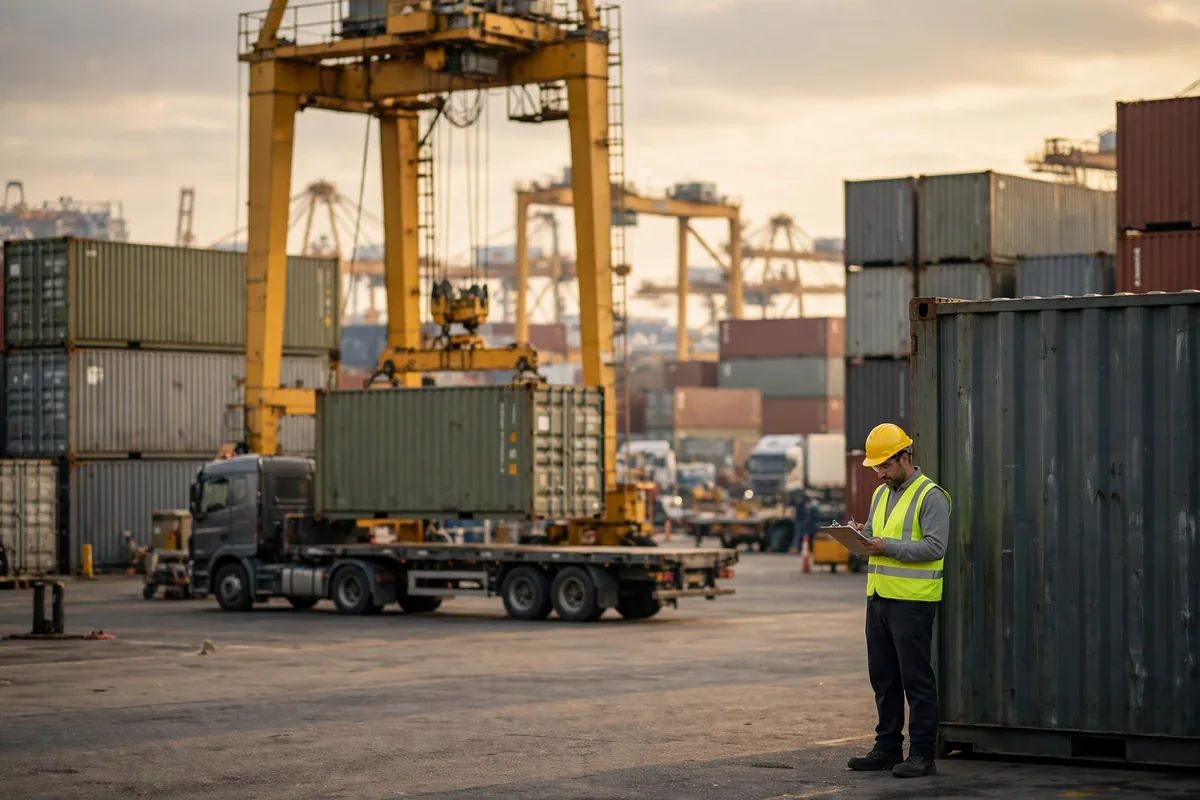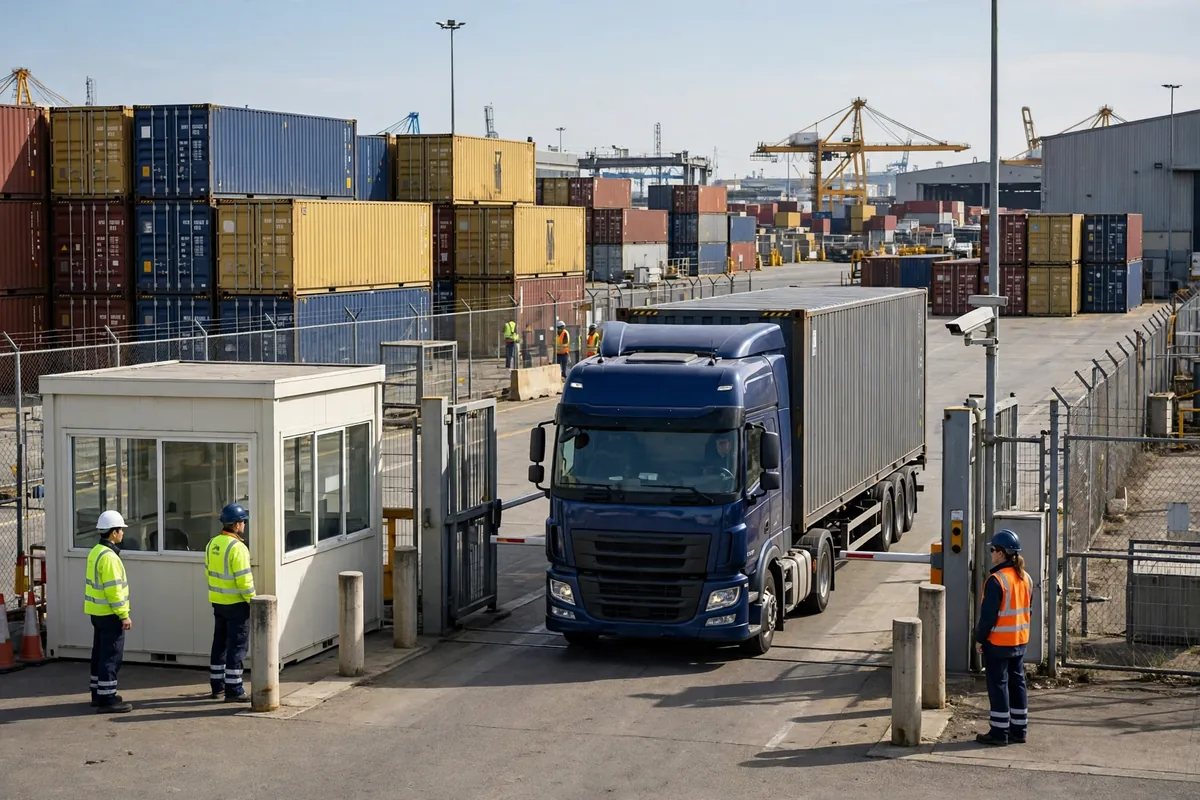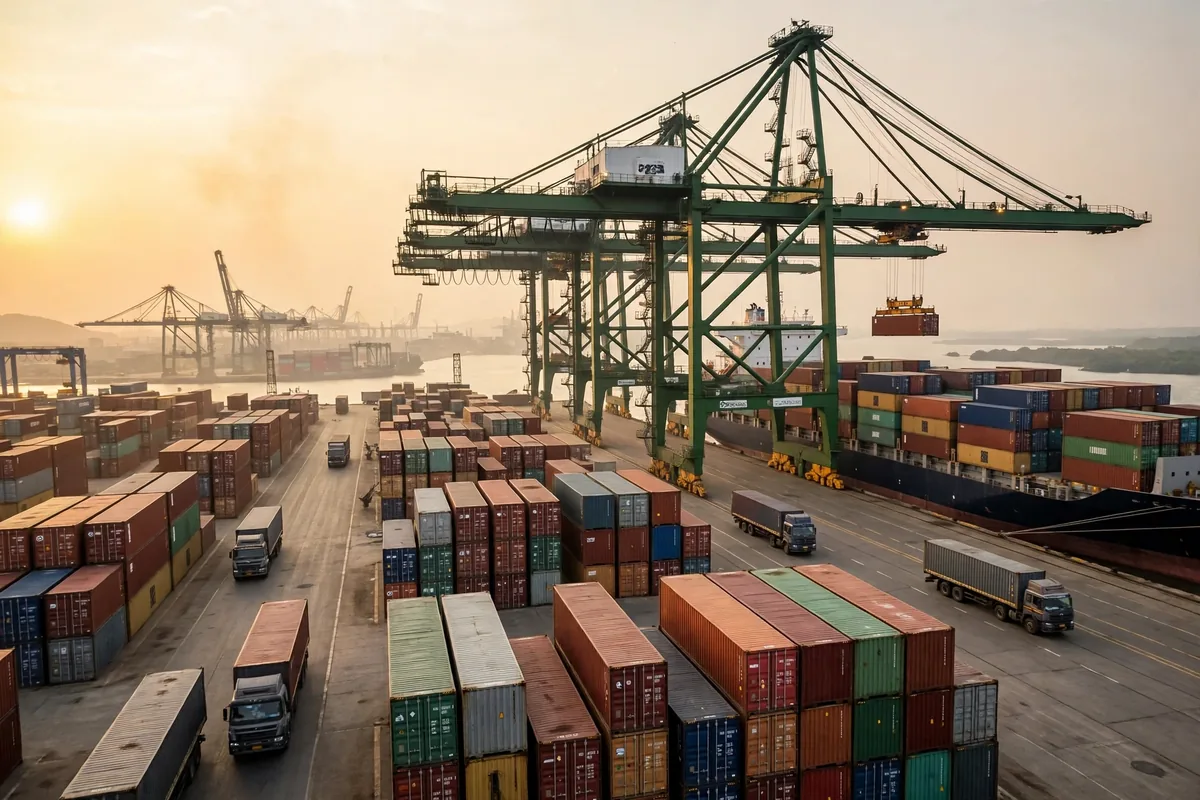
Here is my conclusion up front: at Nhava Sheva port, the cheapest part of the job is the crane lift. The money is made — or lost — in the few dozen kilometres after the box comes off the ship: the warehouse, the road, the paperwork. Whichever link breaks first eats your margin. That is the trade-off nobody puts on the quotation: the bigger the port, the more cargo it draws, and the more cargo it draws, the tighter the warehousing and roads on shore become.
Nhava Sheva, run by the Jawaharlal Nehru Port Authority (JNPA) across the harbour from Mumbai, is India's largest state-owned container port. In fiscal year 2024-25 it handled 7.3 million TEUs, the highest in its history and up 13.55% from 6.43 million TEUs the year before. Total cargo reached 92.28 million tonnes, also a record. The five container terminals split the work clearly: BMCT, run by PSA, handled 2.27 million TEUs, the largest single terminal in the port; APMT's GTI terminal handled 2.08 million; DP World's NSICT and NSIGT handled 1.21 million and 1.13 million; NSFT handled 594,260 TEUs. Annual capacity stands at 7.7 million TEUs today and rises to 10.1 million TEUs once the second phase of BMCT opens. Put plainly, a port that grows by 870,000 TEUs in a year is not short of work at the quay. It is short of places to put the boxes once they land.
I have seen too many sellers grind the ocean freight down dollar by dollar at the negotiating table, then discover on arrival in Mumbai that the real cost was on shore. Three extra days sitting outside the port, and the warehouse rent, detention and rebooked trucking add up to twice what they saved on the freight.
Why Nhava Sheva port warehousing costs what it costs
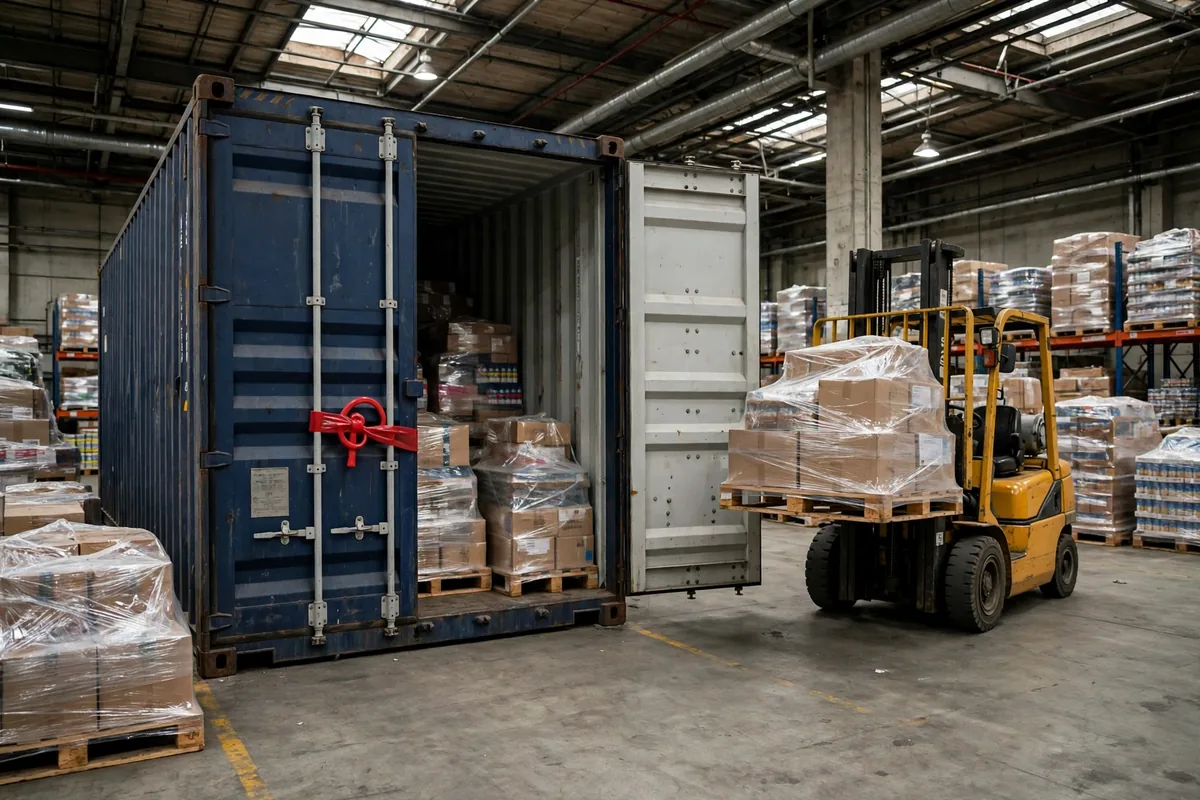
Warehousing around Nhava Sheva is expensive because of location, not floor space. Mumbai is the economic centre of India's west coast, and land near the port has long been pricey. Big warehouses sit dozens of kilometres outside the port area. "Front port, back warehouse" is not a slogan here; it is what happens every day. A container comes off the ship and either goes straight onto a truck or moves to a container freight station (CFS) outside the port for de-stuffing, consolidation and distribution.
Take a home-goods exporter in the autumn of 2024. His cargo came out of factories near Mumbai: a dozen small lots to be consolidated into a few full containers, with two days planned for de-stuffing at a CFS. Then the pre-Diwali export rush hit. Trucks queued at the CFS gate, the de-stuffing slots slipped to day three, and the sailing was missed. One missed sailing meant extra warehouse rent, detention charges, and a delivery date to renegotiate with the buyer. No single charge was large. Added together, they wiped out half a month of profit on the order. (Case details are illustrative; cost figures are a hypothetical scenario.)
The lesson is not that CFS operations are bad. It is that the schedule was too tight. A CFS earns its money on turnaround. In peak season, whoever arrives first gets served first. If you plan the consolidation down to the hour, you hand control to the queue.
Three ways to route cargo through Nhava Sheva port
The same shipment out of the Mumbai hinterland can move three ways, and the math is completely different each time. This is the comparison I use with clients. The figures are a hypothetical scenario; the proportions are the point.
| Route | Rough cost | Rough time | Best for |
|---|---|---|---|
| Factory-stuffed full container straight to port | Lowest | Fastest | Full-container loads with a firm schedule |
| De-stuff and consolidate at a CFS outside the port | Medium | 1-2 days longer | Multiple small lots, distribution needed |
| Inland container depot (ICD) plus rail into the port | Low to medium | 2-3 days longer | Inland cargo, block train volumes |
(Figures are a hypothetical scenario; confirm current rates with carriers and depots.)
The third route deserves a word of its own. Nhava Sheva's hinterland is not just Mumbai. Cargo comes from Gujarat, Madhya Pradesh and further inland. An ICD plus rail is slower than trucking on paper, but it is steadier in bulk, and when trucks get expensive and the roads jam in peak season, a fixed rail schedule becomes the calming factor. For inland Indian cargo, I usually advise keeping at least one rail option as a backup instead of betting everything on trucks.
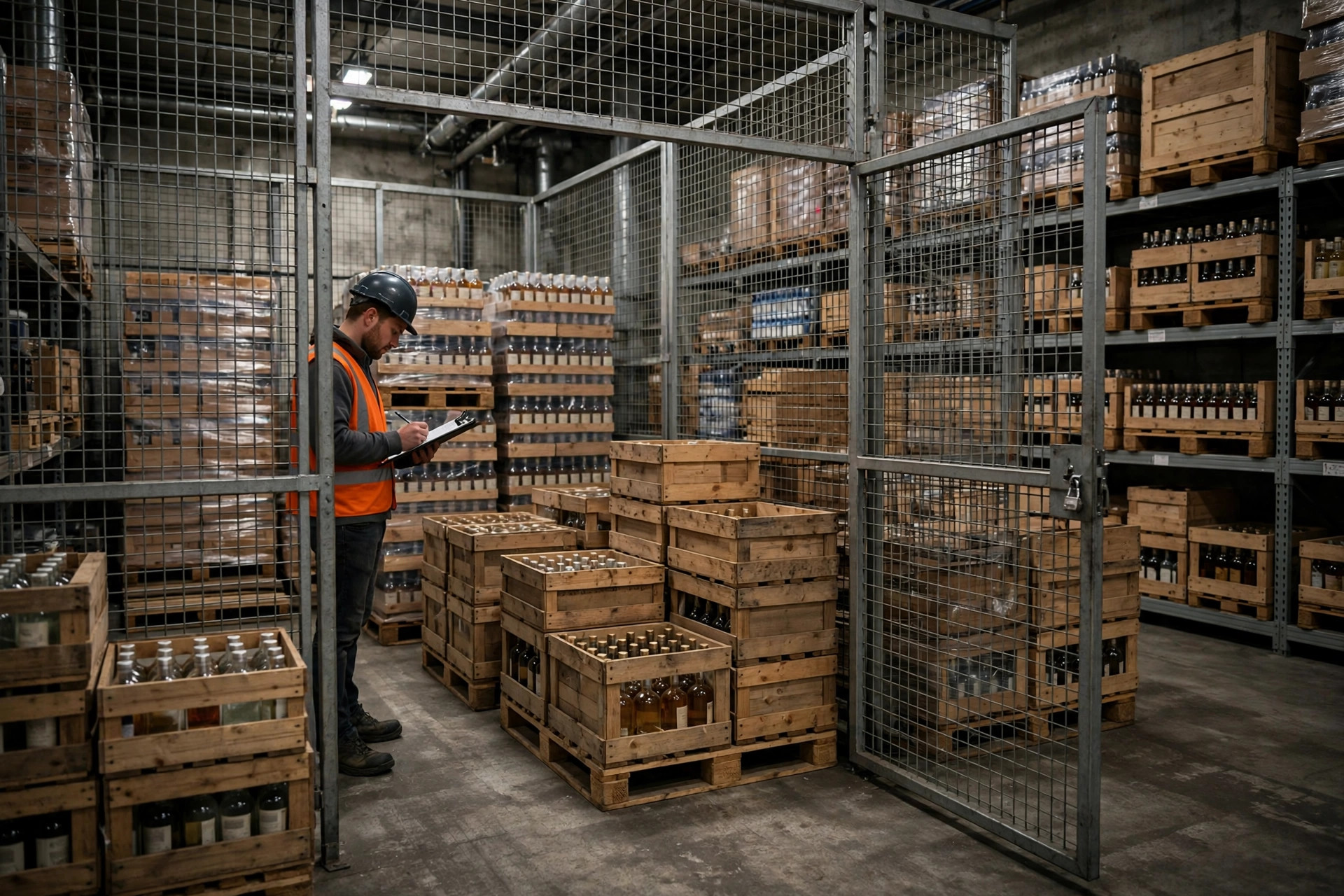
Bonded warehousing is a separate calculation. Duties can be deferred in a bonded warehouse, which suits cargo whose final buyer is not yet fixed, or cargo that clears customs in batches. But bonded space costs more than ordinary warehousing, and the paperwork is one layer heavier. My rule: high value, slow turnover, batch clearance — bonded is worth it. Ordinary value, cleared and distributed within two weeks — take the general warehouse and pocket the rent saving. It beats the financing cost of deferred duty.
The upside of a big port, and its temper
Here is the counterintuitive part: the largest throughput does not mean the easiest port to use. Nhava Sheva is India's largest state-owned container port, but by total container volume, the privately run Mundra port sits ahead of it. A port's ranking measures throughput. Whether your cargo moves well depends on terminal split, rail connections, yard capacity and paperwork speed. Choosing a port by ranking alone is like choosing a restaurant by its sign.
Another case, an auto parts importer. His cargo needed quality checks and sorting in a warehouse after arrival, then batch delivery to several assembly plants around Mumbai. On his first shipment through Nhava Sheva, he booked three days of warehousing, the way he would back home. Documentation and inspection in India took two days longer than expected, the free storage period ran out, and the charges started climbing by the day. The second time he planned five days of warehousing, booked the sorting shifts with the warehouse in advance, and got the paperwork ready before the ship docked. Total cost went down. Two extra days of rent were far cheaper than overstay charges. (Case details are illustrative; cost figures are a hypothetical scenario.)
Look at it from both sides. The upside of a big port is dense sailings, full route coverage and a deep hinterland — your cargo will find a ship. The temper of a big port is peak-season congestion, inspection queues and short free periods, so your plan needs slack. My practice for every shipment through Nhava Sheva: at least one day of buffer in the schedule, and a budget that assumes two extra days in the warehouse. A budget that turns out generous is good news. A budget with no slack leaves you nothing to negotiate with when the overrun hits.
So do not ask whether Nhava Sheva port is good. Ask whether your cargo fits it. Full containers, steady sailings, paperwork ready — this is a good choice. Multiple consolidations, a deadline cut to the hour, paperwork still being sorted — sort out the warehouse and the road on shore first, then talk about the sailing. Which kind is your cargo?
By Lao Mi, Supply Chain Veteran (20 yrs)