Ask me about FTZ vs bonded warehouse importer savings, and my answer is always the same: stop asking which program is better and ask how your cargo moves. The two tools look alike, because both let an importer delay or reduce duty, but their underlying logic is completely different. Pick wrong, and the duty you save will not cover the compliance cost you just bought.
FTZ vs Bonded Warehouse: The Principle First
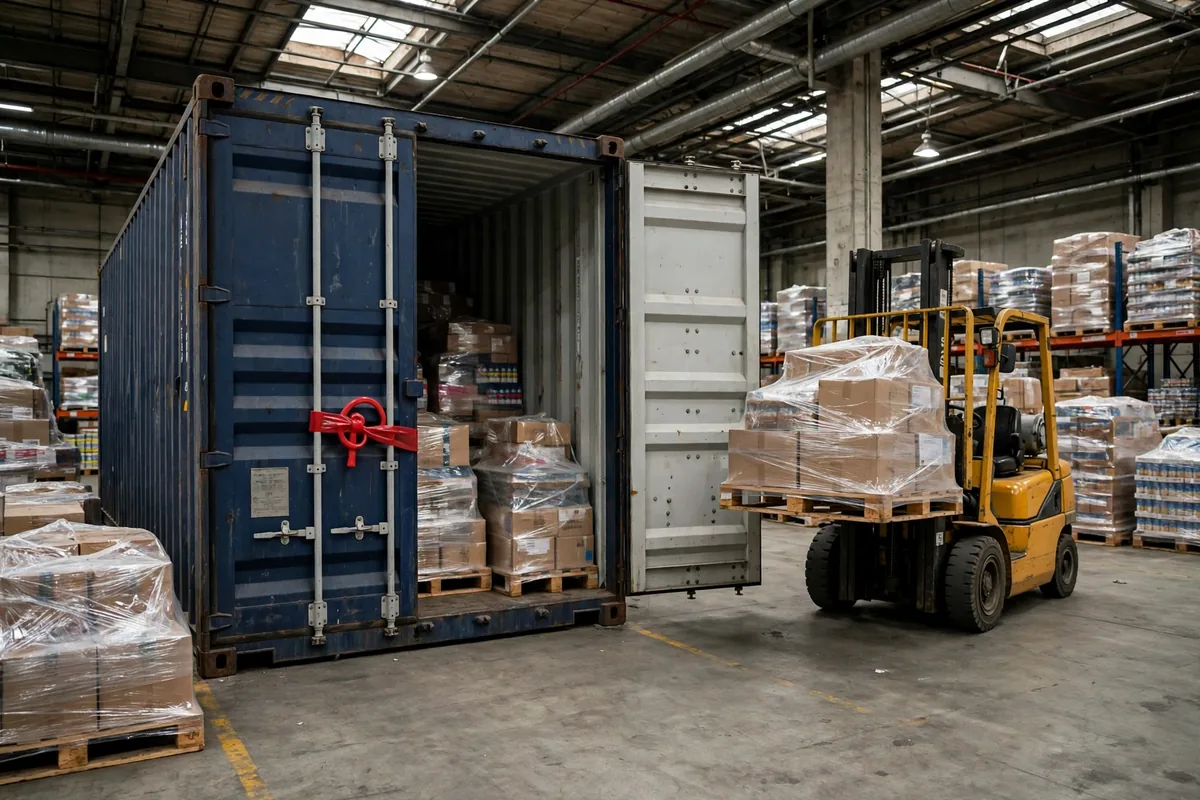
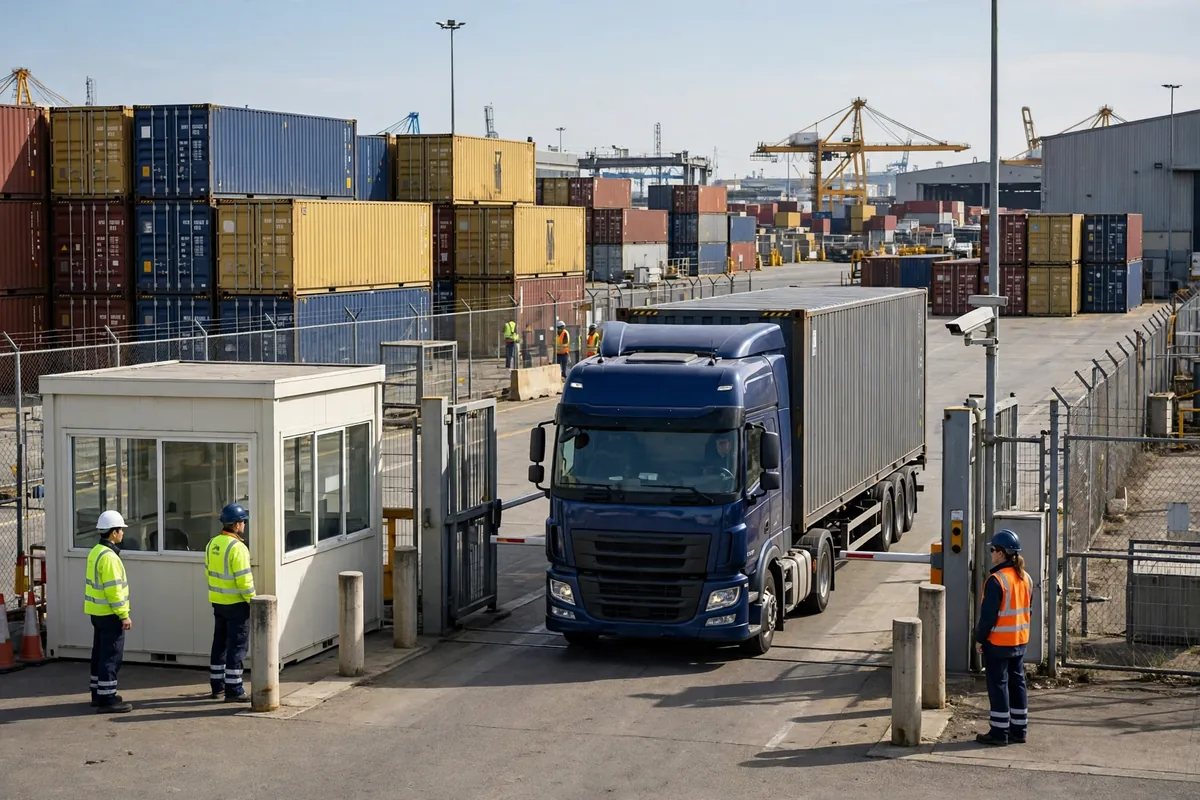
Start with the principle. You can think of a bonded warehouse as a holding area: cargo enters, and while it has not formally entered the domestic market, duty sits unpaid. Ship it back out and that duty never comes due; sell it domestically and duty is paid on entry at that point. Its core value is deferral plus duty-free re-export, which fits cargo whose destination is undecided or genuinely bound elsewhere.
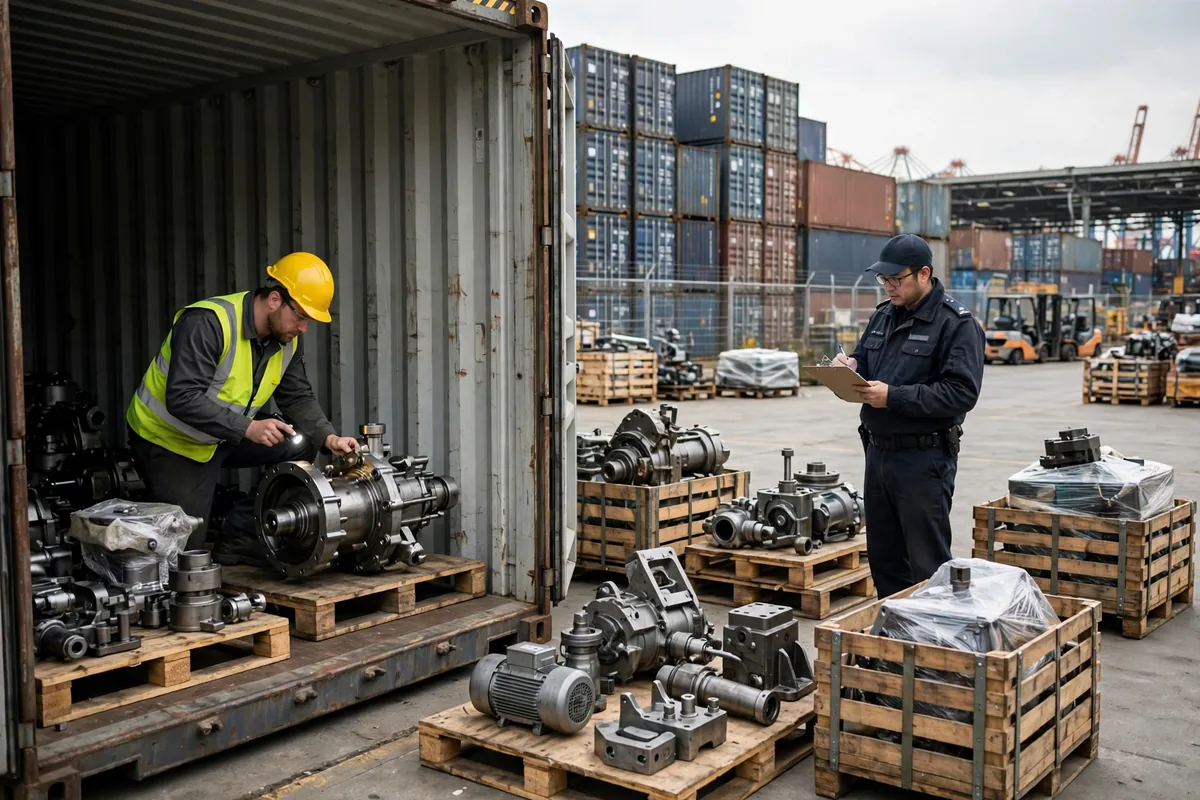
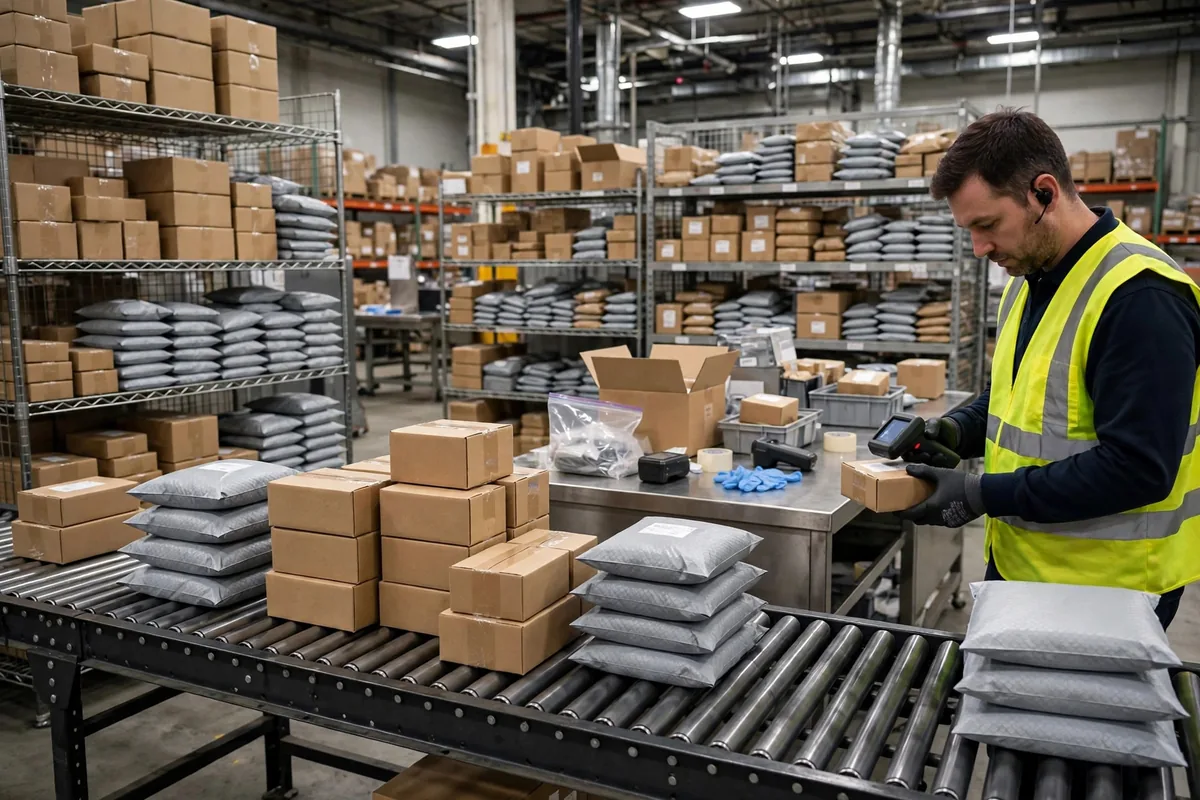
A foreign trade zone is a different animal. You can understand it as a warehouse and a factory inside one fence: cargo enters with duty deferred, but inside the zone you can also work on it, assembling, processing, and labeling. When the finished product leaves the zone, duty can be assessed on the finished good or on the components, whichever the rules allow in your favor — the classic inverted-tariff relief. In short, a bonded warehouse lets you park cargo; an FTZ lets you park it and work on it. That single difference drives the entire selection logic.
Here is a case I watched closely. An importer of outdoor equipment brought components in from several countries and assembled finished units domestically. They started in a bonded warehouse with simple math: hold the cargo, defer the duty, pay when sold, ease the cash flow. It worked until assembly entered the picture. Assembly had to happen outside the bonded warehouse, which meant components left the warehouse, entered formally, and paid duty before assembly even started, and then the finished good sold on a muddled duty basis. The savings math got fuzzier every quarter. After moving to an FTZ, components entered the zone duty-deferred, assembly happened inside, and the finished good left the zone on a clean duty basis. The lesson is blunt: if your cargo only sits, a bonded warehouse is enough; if your cargo gets worked on domestically, a bonded warehouse caps your savings at deferral, and that cap is real.
FTZ vs Bonded Warehouse: The Dividing Line
The dividing line can be drawn as a decision table. That table is the whole FTZ vs bonded warehouse question in one view: look at cargo movement first, volume second, management appetite third.
| Question | Leans bonded warehouse | Leans FTZ |
|---|---|---|
| Is cargo processed or assembled domestically? | No, storage and distribution only | Yes, assembly, processing, labeling |
| Where does most cargo end up? | Mostly re-exported, destination undecided | Mostly domestic, or finished-good rate below component rate |
| Volume and frequency | Small, irregular, many SKUs | Large, steady, relatively concentrated SKUs |
| Management appetite | Light touch, happy to outsource | Willing to build compliance process and systems |
Now the worked example, with every number labeled illustrative, used only to show the arithmetic, not to represent any real duty rate. Suppose an illustrative shipment value of one million dollars, an illustrative blended component duty burden of ten percent, and an illustrative finished-good burden of four percent. With storage and distribution only, a bonded warehouse's value is mostly deferral: the duty is paid months later, so the saving is the cost of money over that delay, worth perhaps tens of thousands on illustrative financing assumptions. With processing inside an FTZ, the duty basis itself can shift from the component level to the finished-good level, and on those same illustrative assumptions the single-shipment difference reaches the tens-of-thousands range for a different reason: the rate changed, not just the timing. That is why I say the stronger the processing character, the better the FTZ math looks, and the purer the storage character, the stronger the bonded warehouse's light-weight advantage. Actual rates, eligibility, and reporting treatment must always be confirmed against the latest policy of U.S. Customs and Border Protection and the FTZ administering authorities; never quote a customer from example numbers in an article.
One dividing line is routinely ignored: the identity complexity of the cargo. Many SKUs, many batches, and many origins multiply the inventory management and zone-exit reporting workload inside an FTZ, and if the system cannot keep up, compliance risk arrives immediately. Concentrated SKUs with clean batch discipline, on the other hand, often run more smoothly in an FTZ than in a bonded warehouse. Before selecting, count your SKUs and your monthly inbound and outbound frequency. Those two numbers are more honest than any sales pitch.
The Maintenance Trap: A Savings Tool You Cannot Afford to Keep
I am merciless about pseudo-demand: an importer running a handful of shipments a year hears the FTZ savings story and wants to build a zone, then discovers that compliance, audits, and system integration cost more than the duty saved. Whether the money is worth it comes down to one number: the duty you reliably save in a year, minus the full compliance and operating cost of keeping the program. If that number is negative, or so thin that one audit adjustment wipes it out, stay with a bonded warehouse, or use an established third-party FTZ operator's site instead of building your own zone.
There is a second cautionary case on this exact point. A seasonal gift importer, with cargo concentrated in two quarters and a near-empty warehouse the rest of the year, built its own FTZ on a peer's recommendation. The compliance process, annual audit, and system fees did not take a holiday in the off-season, and the duty saved in the two busy quarters never covered the full-year fixed cost. The next year they moved back to a bonded warehouse plus third-party warehousing, paid a bit more in peak-season handling, and came out lighter on the annual ledger. Savings tools must be judged on the full year, not on the two best months.
Maintenance has three traps, ranked by how often I see them hit. The first is inventory records that do not reconcile: zone entries, processing losses, and finished-good exits must match the reporting system exactly, and a single counting gap becomes very expensive to explain at audit. The second is drift in exit-reporting treatment: under pressure, an operator reuses last quarter's treatment, months pass before anyone notices the rules changed, and back duty plus penalties arrive together. The third is treating an FTZ as a tax exemption card: in-zone processing, domestic sale, and re-export each carry different duty treatment, and mixing them up builds your own penalty. My working rule is to run one end-to-end shipment for each of the three movement types before going live, aligning process, documents, and systems, and then to audit your own zone inventory every quarter instead of waiting for the official audit to teach you a lesson.
One more engineer's note on systems, because this is where projects quietly fail: whatever you choose, your inventory system must distinguish in-zone cargo from domestic cargo as separate identities, and every inbound, outbound, processing, and loss event must leave a trace. Many importers discover only after selection that their system was designed for an ordinary warehouse, that identity fields and reporting treatment need rework, and that the rework period runs on manual spreadsheets where one wrong row is an audit risk. System rework cost is routinely hidden in sales conversations and only appears once contracts are signed and space is leased, when backing out is painful. Put that rework cost into the selection math up front; it is basic professional hygiene for an engineer.
So the choice reduces to this: cargo that sits, bonded warehouse, light and sufficient; cargo that gets worked on, with steady volume, FTZ, where the real savings live. Flip it — unsteady volume, messy SKU mix, management that cannot keep up — and even the best savings tool is just a more expensive compliance operation. Whether the money is worth it comes down to one number: the duty you net-save in a year after every cost of keeping the program.
By Da Liu, Automation Engineer