New Zealand Manuka Honey Export Warehouse Storage is work our little warehouse cannot afford to get wrong, so I say the awkward part out loud first: this cargo is valuable, mistakes are expensive, and what it really needs is not fancy equipment but a boring process that does not fail. The first time we handled this kind of high-value cargo, I barely slept. I was not worried about theft. I was worried about mixing lots up. One wrong label, one wrong pallet shipped, and the customer checks the delivery and loses faith in the whole lot. For small warehouses, storing valuable cargo is not about scale. It is about whether your lots are clear and your checks are strict.
New Zealand Manuka Honey Export Warehouse Storage Starts With Separating Three Lots
When the cargo arrives, do not rush it onto the racks. Separate it by lot first. The rule is simple: one lot, one source, one label set goes together, and cargo from different sources, with different grade markings, or arriving on different dates never shares a pallet. That sounds obvious, but this is exactly where small warehouses get caught. Someone wants to save space, so two lots of drums that look identical end up on the same pallet, and two weeks later nobody can tell which is which.
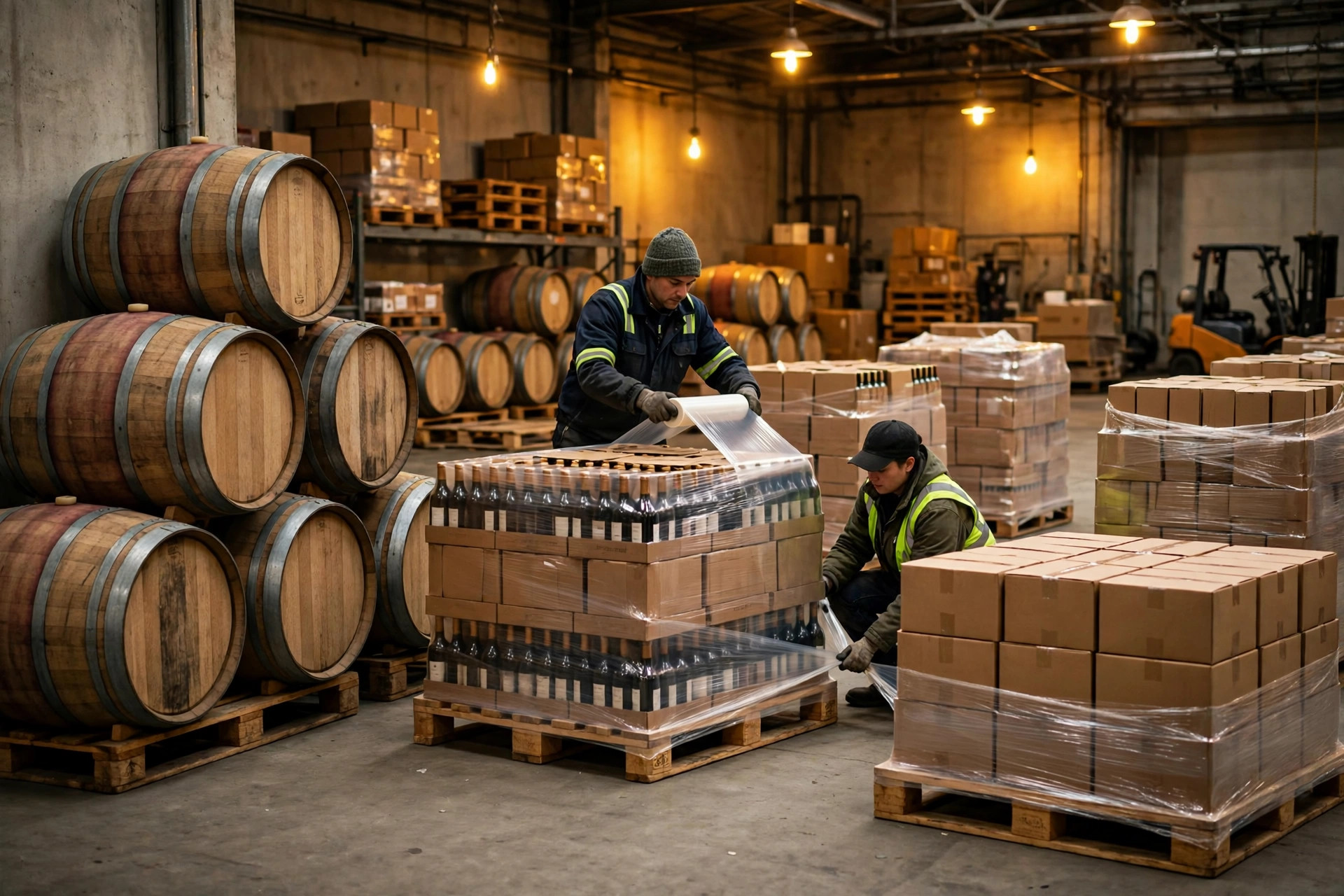
Our homemade rule is one pallet, one order, one lot. Each pallet gets a handwritten card showing the lot number, arrival date, drum count, and storage location, and the cards are color-coded by lot: red, yellow, blue. From across the aisle you can see whose pallet that is. We do have a system, but a small team moves fast, and a color your eyes can see beats a code you might click wrong on a screen. The big-company playbook does not fit us, so we start with eyes and colors.
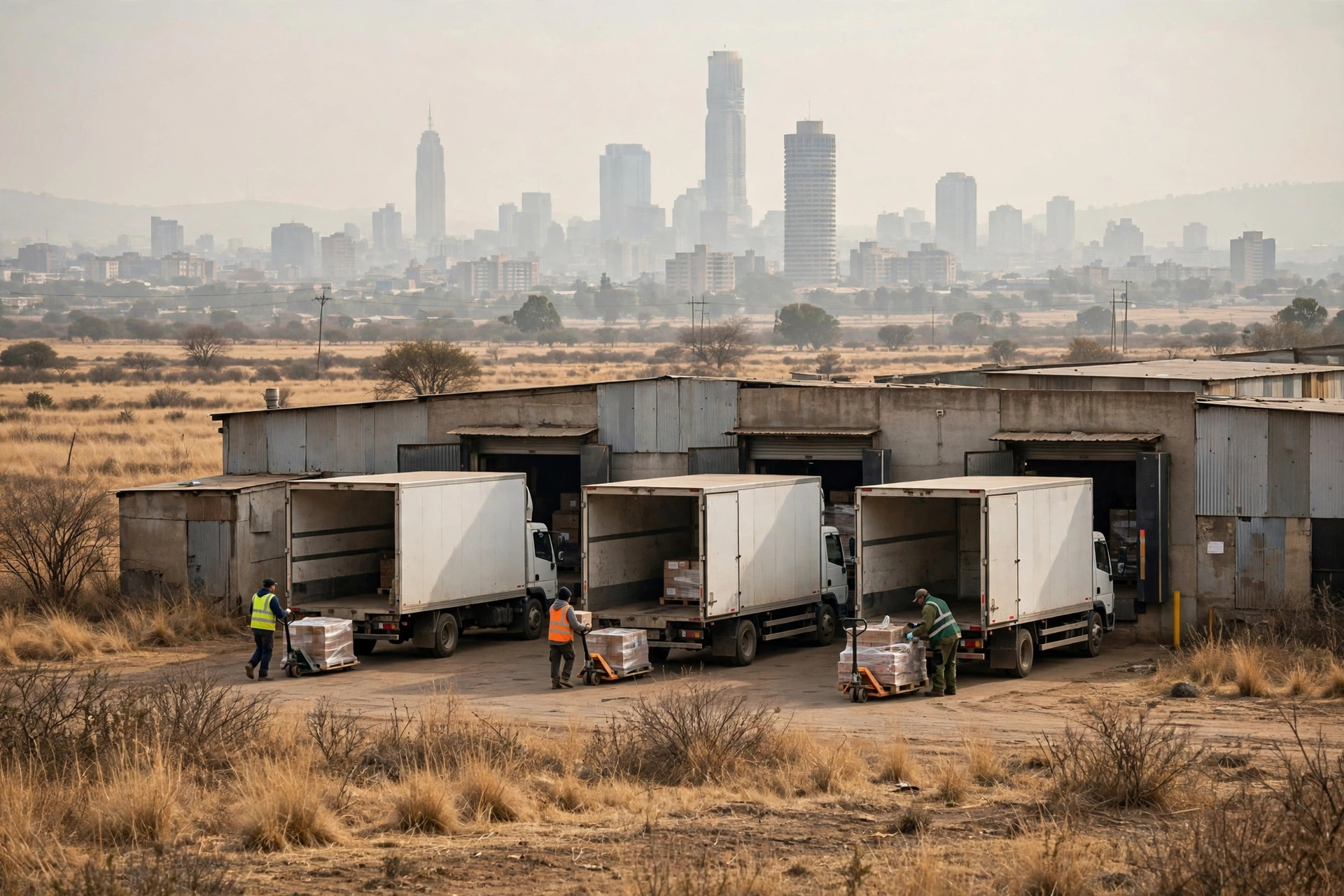
Last October, a small warehouse outside Auckland gave me a perfect example of why this matters. That warehouse took in three lots, one hundred and eighty drums in total, arriving over three days. When the first lot arrived, the crew was short-handed, and someone tucked two drums from the second lot onto a first-lot pallet because the drums looked the same and there was space. On shipping day, the count on the pallet did not match the order, and the team spent a whole afternoon picking those two drums back out, nearly missing the container loading time. After that, the warehouse made a hard rule: no pallet goes onto the rack without its lot card, even if it means being half a day slower. A slow, clear record beats a fast, muddled one.
The Real Risk Is Not Theft, It Is Mixing Lots
Honey is not a difficult guest in storage: keep it out of the sun, away from heat, and do not move it around for no reason. The drums are heavy and thick, so every extra move adds a chance of a knock, a dent, or a smeared label, and a smeared label is a problem all on its own. My rule is to give the cargo a home on arrival and leave it there. Do not shift it today to free a spot and shift it again tomorrow. A lot of small-warehouse damage is not caused by bad storage. It is caused by too much moving.
Preventing mix-ups comes down to three habits. First, photograph on arrival: one photo per pallet, showing the lot card and the drum labels, filed by date and lot, so you can look back if anything is questioned. Second, leave a trail when anything moves: whoever moves a pallet writes one line on the back of the card saying what moved and where it went, instead of trusting memory. Third, double-check before shipping: one person counts against the order while another person checks only the lot cards, and the pallet is sealed only when both agree. It is old-fashioned, but it works. Since we started double-checking, we have not shipped the wrong lot once.
Here is the counterintuitive call: valuable cargo should not sit in the most visible, most convenient spot. Many warehouse owners think valuable goods need watching, so they put them near the door, where foot traffic is heaviest and forklifts pass most often, which actually raises the chance of a bump or a wrong pick. I do the opposite. Valuable cargo goes in a fixed zone further inside, with a set location and a record of every entry. It is slower to reach, but mistakes drop. For valuable cargo, convenience and accuracy pull in opposite directions, and I choose accuracy.
Counting the Cost: Rework, Not Rent
Small warehouses should not only count rent when they price this work. They should count rework. The table below is not an industry statistic. It is our own rough math from that one-hundred-and-eighty-drum example, the kind of back-of-the-envelope accounting a small owner actually does:
| Approach | What you save now | What you may pay later |
|---|---|---|
| Mixed pallets to save space | Two or three pallet spots, and receiving finishes half a day sooner | Searching drum by drum at shipping, and chasing and re-checking a whole lot if the wrong one goes out |
| Separate lots with lot cards | Nothing at first; receiving takes half a day longer for cards and photos | Shipping by card, with two people clearing an order in about half an hour |
| Two-person outbound check | Looks like an extra pair of hands | Stopping one mix-up saves a full day of rework and explaining |
The real cost of valuable cargo is not in the rent column. It is in the rework, the re-checking, and the customer trust after a mistake. Ship the wrong lot once, and the customer has to decide whether to trust you with the next one. That is the true cost. So we would rather receive cargo more slowly and spend a little more labor than leave lot control to chance. Small warehouses have their own way of surviving: big warehouses rely on systems to catch errors, we rely on process, and a solid process can handle valuable cargo just as well.
New Zealand Manuka Honey Export Warehouse Storage Outbound Checklist
Shipping day is when things get messy, so our checklist is pinned by the door and we tick it off every time. First, match three things: the lot number on the shipping order, the lot number on the pallet card, and the lot number on the drum labels. All three must agree before anything moves. Second, ship whole pallets and never top up from another lot: if the customer's lot is short of a full pallet, do not borrow two drums from a different lot to make up the number. Ship what you have, write down the shortfall, and never mix to fill a gap. Third, photograph the sealed pallet and send the photo to the customer. That photo says, plainly, this is what left our warehouse in this condition.
Earlier this year, another small warehouse near Christchurch gave me a second example worth remembering. It had an urgent container to load, and at shipping time the crew found that two lots had grade markings differing by a single letter, with drums in the same color. They nearly loaded the wrong lot. Fortunately, the checker insisted on following the list, stopped the load, and made two people go through the cards again until the right lot was picked out. The shipment left two hours late, but the cargo was right. The customer ended up more confident, not less, because the warehouse had genuinely checked rather than just going through the motions.
On export paperwork and inspection requirements, I will not invent numbers here. Requirements can differ by market and by lot, so check the official source for the latest policy, and settle in advance with the customer and the freight forwarder who issues what, in what format, and by when. Write it on the order. Do not discover it on loading day. Our job in the warehouse is to make sure the cargo, the lot, and the record all line up; the paperwork owner should be agreed before the container arrives.
In the end, storing high-value honey in a small warehouse does not start with buying expensive equipment. It starts with three stubborn rules: keep lots separate, leave a trail whenever anything moves, and double-check before anything ships. Get those three right, and valuable cargo can be stored steadily and shipped accurately from a small warehouse, and customers will bring the next lot back to you.
By Xiao Ma, Small Warehouse Owner